

 From the Liveblog of
Monday, October 14, 2024
From the Liveblog of
Monday, October 14, 2024
After deadly drone strike, Israel aims to wipe out Hezbollah’s UAV unit, changes siren protocols
 Add ToI as a Preferred Source on Google
Lazar Berman is The Times of Israel's diplomatic reporter
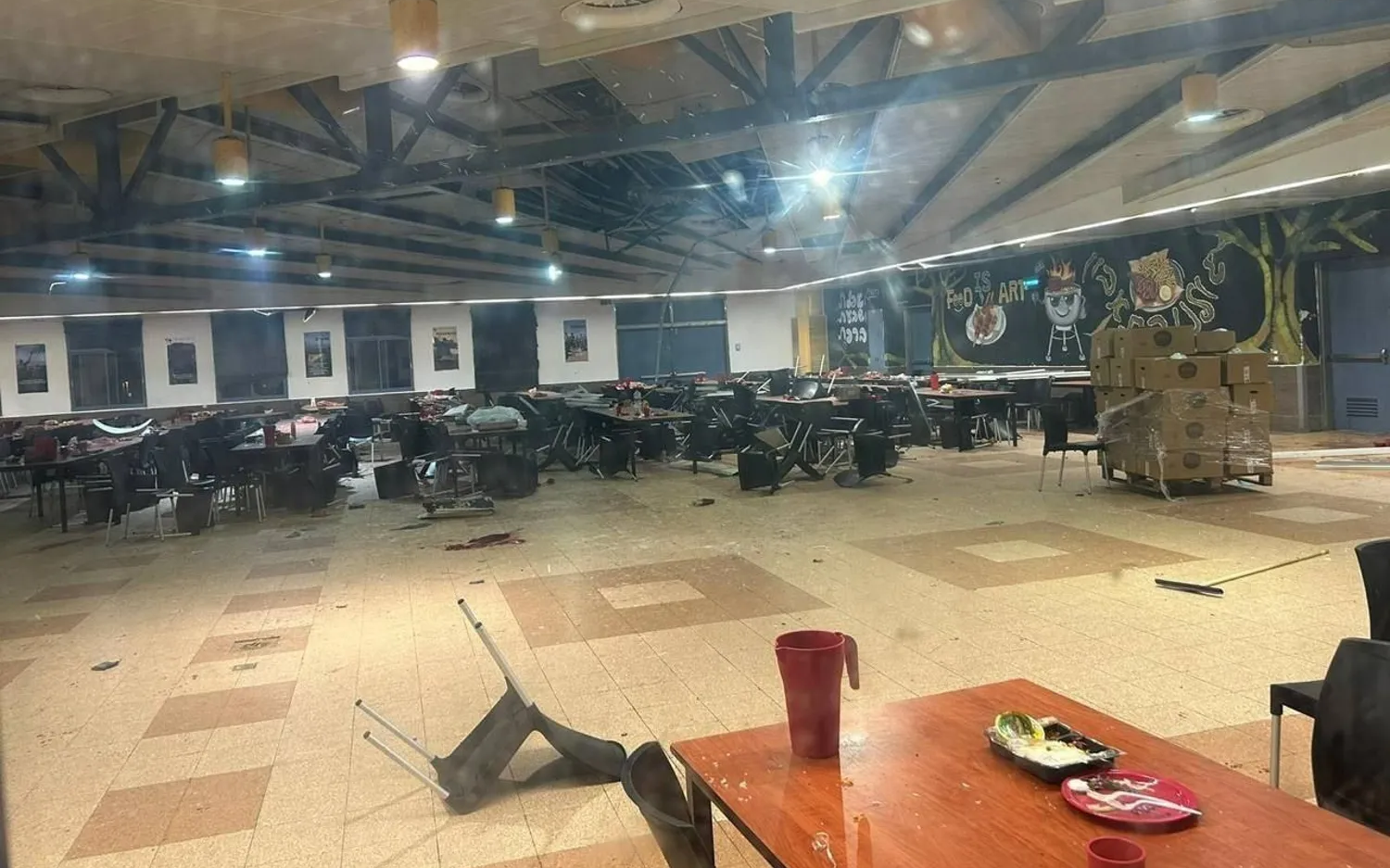
In the wake of the deadly strike on a Golani training base last night, the Israeli Air Force has set a goal of completely eliminating Hezbollah’s Unit 127, responsible for its UAV production, maintenance and operation, The Times of Israel has learned. The effort to kill every member of the unit will now take priority in terms of intelligence collection and airstrikes.
The drone that killed four soldiers and injured dozens last night was part of a multi-pronged aerial attack. There were short-range rockets fired at the north, three precision rockets fired toward Haifa, and three drones. One of the drones was shot down by the navy, another by Iron Dome.
The third was pursued by Israeli jets and helicopters, who fired at it twice. Electronic warfare measures also failed to force the UAV to lose its bearings. It dropped off of radars 30 miles (48 kilometers) northeast of Acre. It was assumed that it had crashed.
The IAF investigation into the incident has found that the drone appeared back on radars for another minute in the half-hour between its dropping off of screens and the strike, but forces did not identify it as a drone at the time. There are hundreds of objects flying in Israeli airspace just above buildings at any given time, including birds, adding to the challenge of identifying a drone that appears in an unexpected location.
In addition, police told the IAF of reports of a suspicious aircraft near Yokne’am, which could have been the drone.
Over the course of the war, some 1,200 drones have been fired at Israel, and 221 have gotten through Israel’s defenses.
In light of the incident, the Air Force is expanding the areas of warning, meaning there will be more sirens and more false alarms. It will also assume a drone is still flying when it disappears, and will determine that it has crashed only when evidence is found.









The Times of Israel Community.