

 From the Liveblog of
Sunday, November 1, 2026
Breaking silence, ex-IDF chief Halevi says Oct. 7 was preventable, but there was ‘absolutely no internal betrayal’
 Add ToI as a Preferred Source on Google
Emanuel (Mannie) Fabian is The Times of Israel's military correspondent
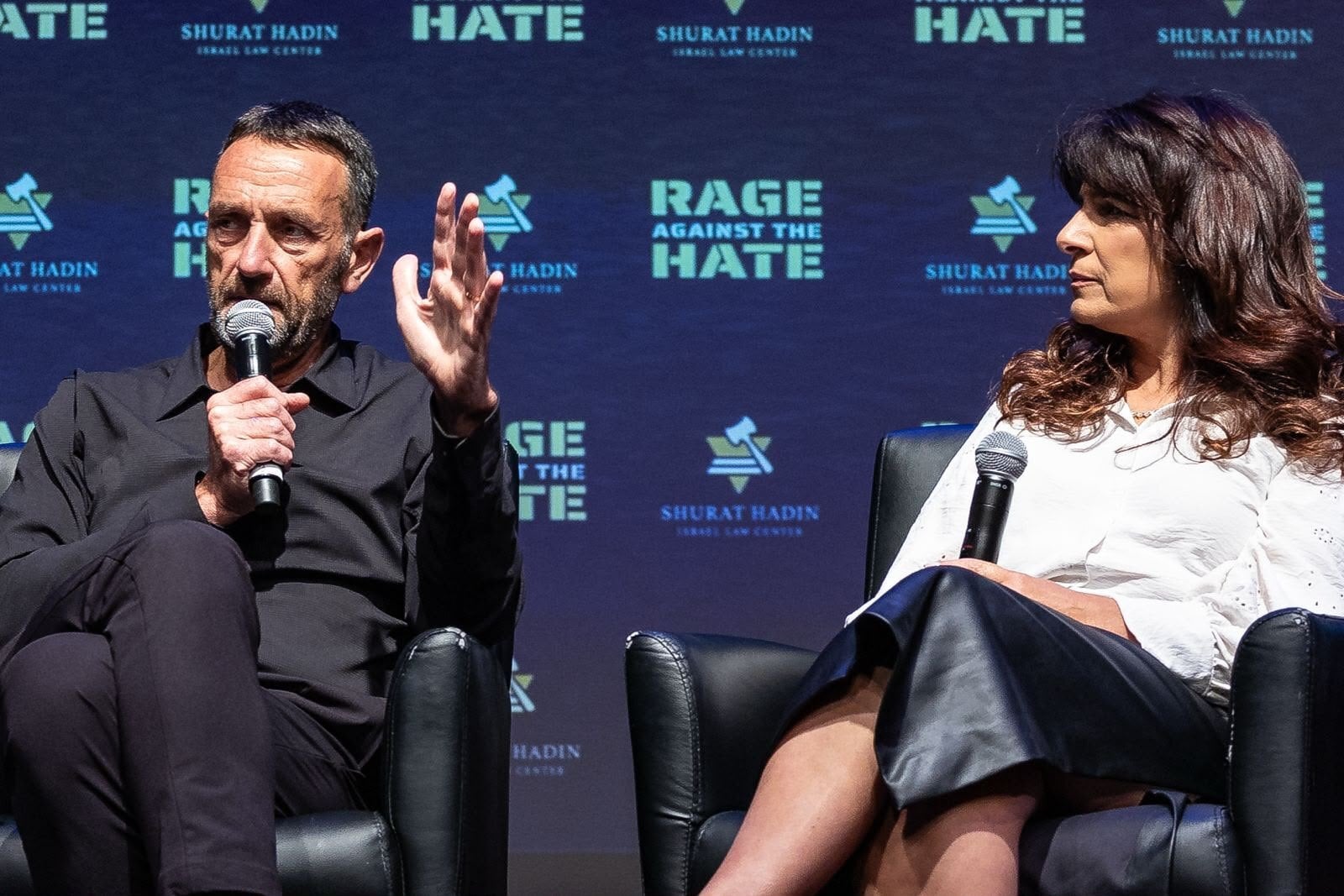
Former IDF chief Herzi Halevi, in his first public remarks since resigning from the military more than a year and a half ago, says Hamas’s October 7 onslaught “was a failure that could have been prevented, but there was absolutely no internal betrayal.”
“The political echelon and political leadership need to say this loudly and clearly,” Halevi says at a conference of the Shurat Hadin legal group in New York.
The conspiracy theory to the effect that some in the defense establishment knew of Hamas’s plans and allowed the attack to go forward has been peddled both by the Israeli far-right, including Prime Minister Benjamin Netanyahu’s son Yair, and by many in the global anti-Israel movement.
“Even on a practical level, helping Hamas would require not just one person collaborating, but a very broad network. After three years, not even one such person has been found,” the former military chief says.
Halevi was military chief ahead of and on October 7, 2023, and resigned from his position in March 2025, following many months of fighting against Hamas in the Gaza Strip.
At the conference, he says that “without strong military pressure inside Gaza, we would not have been able to bring back the hostages,” but acknowledges that “our bombs killed hostages. We did not know they were there.”
He also says that “it took us a long time to convince the political echelon” to carry out a ground offensive against Hamas in Gaza following the October 7 attack.
On a commission of inquiry into the failures that enabled Hamas’s attack, Halevi says, “Israel must complete an inquiry and ask difficult questions.”
“We must look failure in the eye to be able to make corrections,” he says.
Halevi also says that on the morning of October 7, during the Hamas attack, Israel sent Hezbollah a message that “we are keeping a close eye on you. If you make even the slightest move, a very heavy hammer will come down on Lebanon.”





The Times of Israel Community.