

 From the Liveblog of
Monday, April 13, 2026
From the Liveblog of
Monday, April 13, 2026
Democrats MK Rayten urges Knesset legal adviser to intervene in media bill panel over chair Distel-Atbaryan’s conduct
 Add ToI as a Preferred Source on Google
Ariela Karmel is a political correspondent at The Times of Israel. She previously reported for Calcalist and Haaretz. She holds an MA in Middle Eastern and African History from Tel Aviv University and a BA in Political Science from the University of British Columbia.
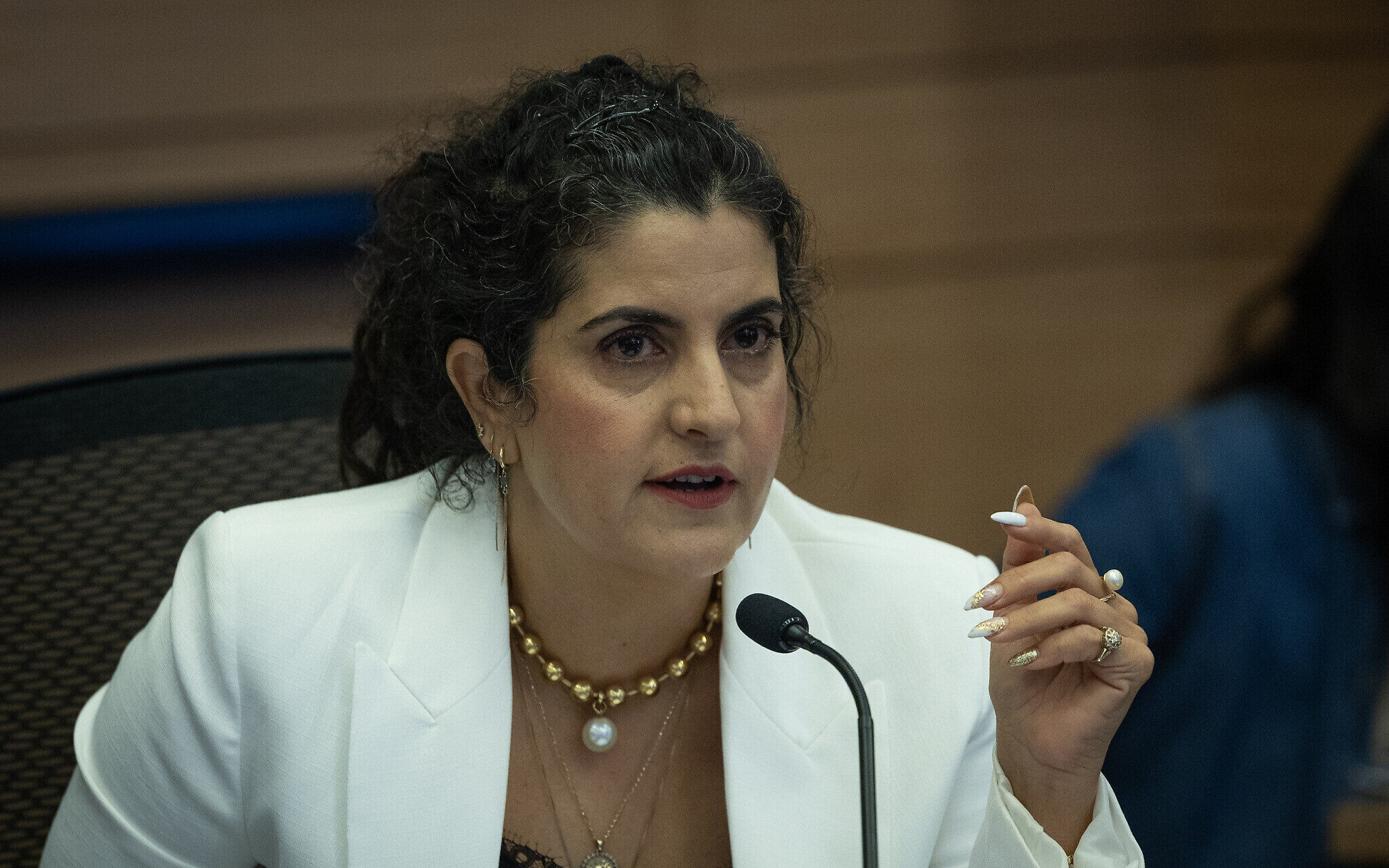
Democrats MK Efrat Rayten urges the Knesset’s legal adviser to intervene in the management of the special Knesset committee advancing Communications Minister Shlomo Karhi’s controversial media overhaul legislation, following a session earlier today in which the panel’s legal advisers walked out in protest, after committee chair Likud MK Gilit Distel-Atbaryan refused to allow them to speak.
In the letter sent to Knesset Legal Adviser Sagit Afik, Rayten says that deliberations on the controversial communications bill are continuing without the committee’s legal advisers, “creating a situation in which legislation is advanced without the professional legal oversight required to ensure the integrity of the legislative process.
“The committee is being conducted in a manner that deliberately ignores professional legal guidance and prevents the raising of substantive legal concerns or the presentation of alternative positions,” she says, arguing that the committee has turned into a “rubber stamp” for the government.
In addition to the chair ignoring legal advice, Rayten says lawmakers are routinely prevented from participating in the legislative process, including asking questions or expressing criticism of the bill.
“The discussions are losing all semblance of parliamentary independence,” she writes, adding that the committee is run directly by Karhi and his staff, and that the committee chair operates as “an extension of the government rather than as an impartial mediator between the branches of government.”
The legislation would give the government significant control over broadcast media, news sites, and other media by establishing a new regulatory council, with a majority of members chosen by the communications minister, that would have an array of authorities over broadcast media, including the ability to issue hefty fines.
It has drawn sharp opposition from both the committee’s professional legal staff and Attorney General Gali Baharav-Miara, who have warned that the current draft undermines press freedom and allows for political interference in media.








The Times of Israel Community.