

 From the Liveblog of
Wednesday, November 4, 2026
Dozens arrested outside London Supreme Court hearing over Palestine Action
 Add ToI as a Preferred Source on Google
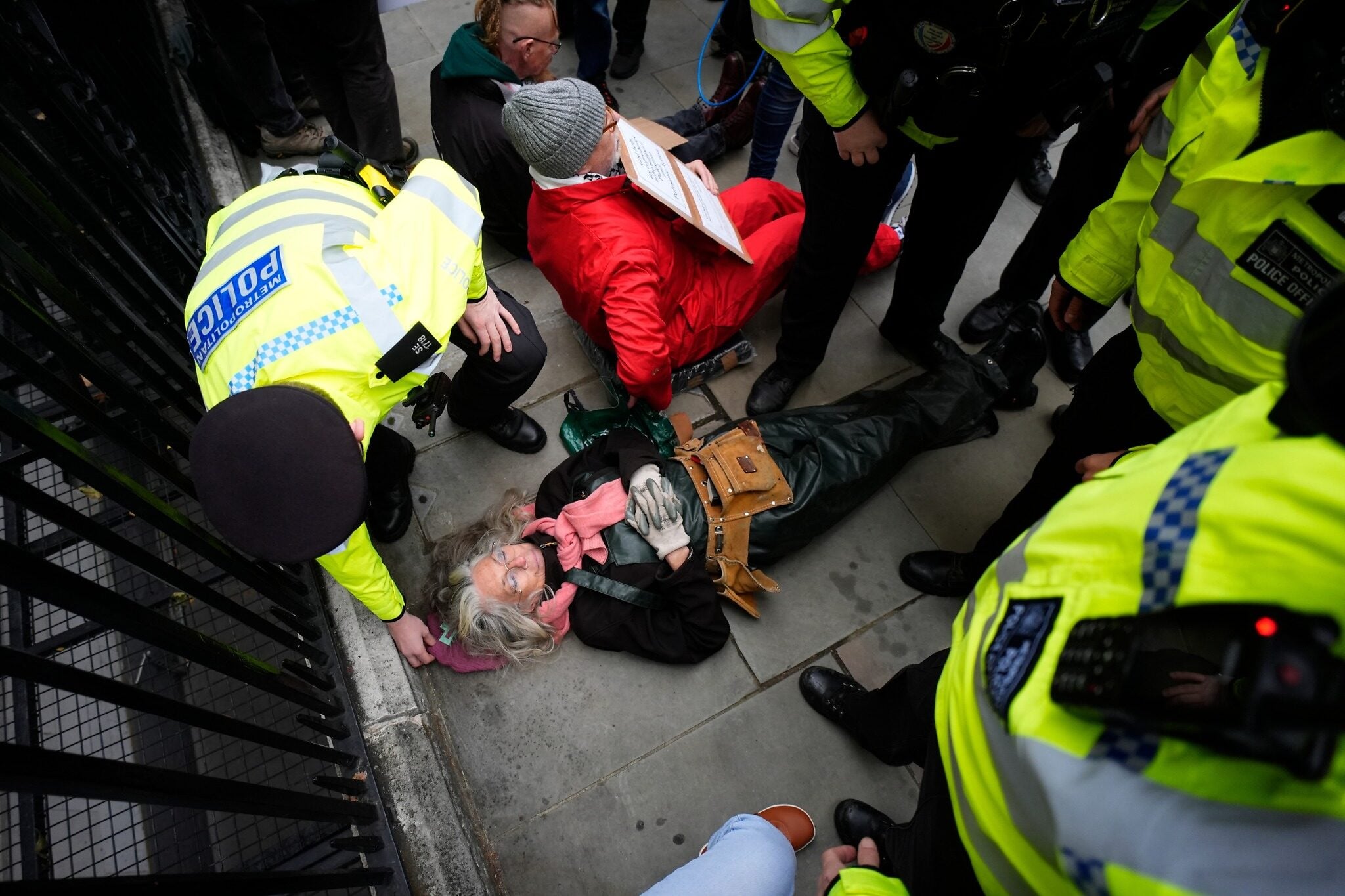
Police arrest more than two dozen supporters of activist group Palestine Action outside the UK Supreme Court during a hearing on the group’s challenge to its designation as a terrorist organization.
The group has been fighting the government’s ban under anti-terrorism laws, which has led to the arrests of more than 3,000 of its supporters over the past year.
The government outlawed Palestine Action after activists broke into a Royal Air Force base in June 2025 to protest British military support for Israel’s war against Hamas in Gaza. The break-in followed other acts of vandalism by the group, including a violent raid at a facility belonging to Israeli defense firm Elbit.
The designation places Palestine Action in the same legal category as al-Qaeda and Hamas and makes membership in or support for the group punishable by up to 14 years in prison.
Palestine Action supporters and civil liberties groups say the arrests of peaceful protesters have violated their rights to free speech and protest.
A lower court ruled that the government acted unlawfully in banning the group, but five Court of Appeal judges reversed that decision in June.
A lawyer for the group tells the court that only three of its 385 actions over five years met the legal definition of terrorism, and only because they involved property damage.
Of nearly 100 proscribed organizations, Palestine Action is the first to be banned solely for causing serious property damage, “with no suggestion that it advocated serious violence,” lawyer Raza Husain says.
Government lawyer James Eadie says the Court of Appeal had rejected the characterization of Palestine Action as a “non-violent direct action protest group.” Serious property damage could constitute terrorism without violence against people, he says.


The Times of Israel Community.