

 From the Liveblog of
Sunday, March 2, 2025
From the Liveblog of
Sunday, March 2, 2025
IDF chief: Of all borders, I was least worried about Gaza; I know the last words of many people murdered on Oct. 7 were ‘Where’s the IDF?’
 Add ToI as a Preferred Source on Google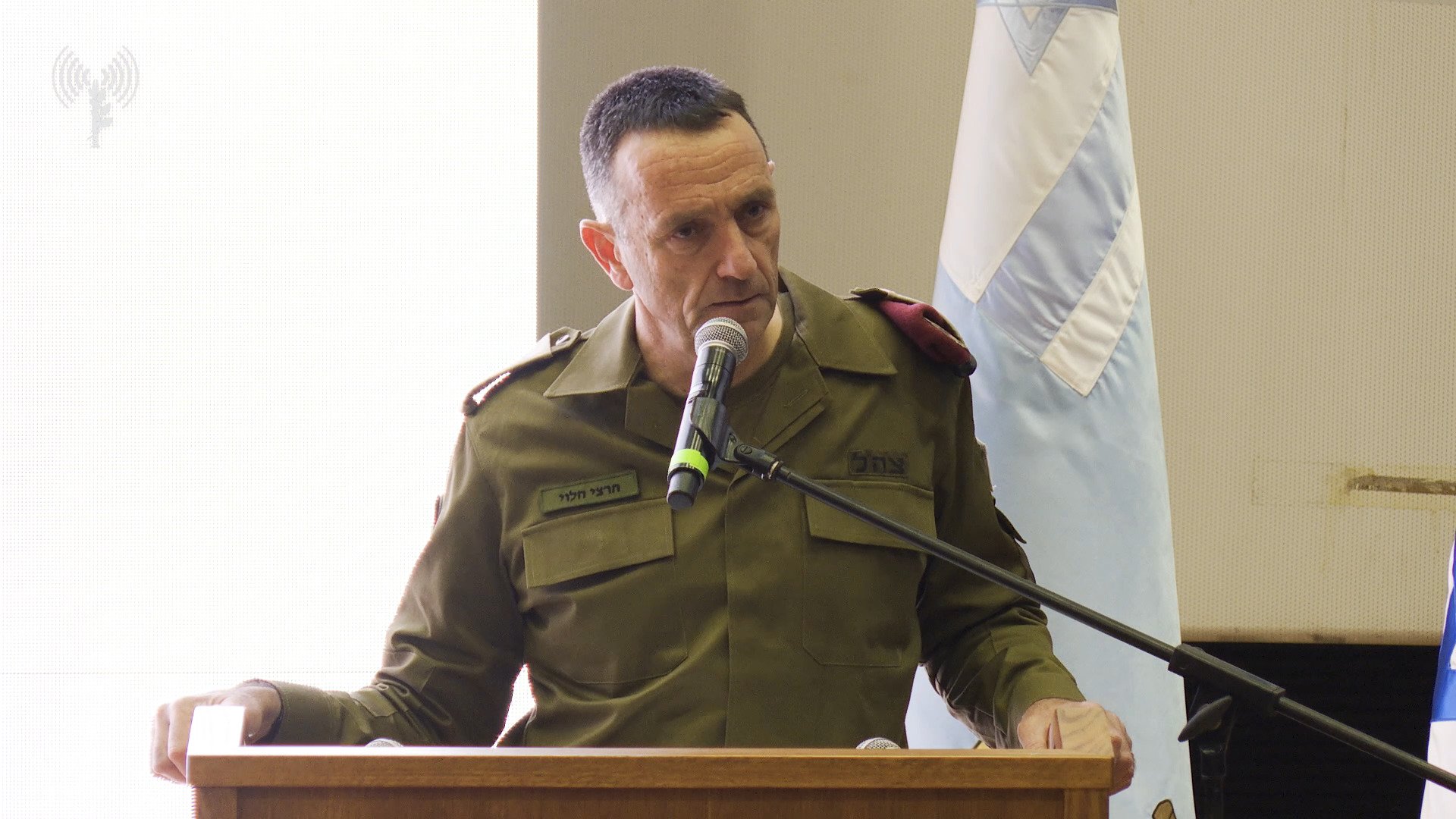
Outgoing IDF chief Herzi Halevi has acknowledged that he and the IDF thought Hamas was entirely incapable of carrying out the kind of broad surprise attack it mounted on October 7, 2023, and that he was less concerned by the threat from Gaza than the dangers on every other Israeli border.
In remarks broadcast tonight by Channel 12, Halevi says the IDF’s conception “collapsed” on October 7, and that he knows that the last words of many Israelis murdered that day were, “Where is the IDF.”
Halevi, who is stepping down later this week having taken personal responsibility for the failures, made the comments when presenting the results of the IDF’s own probes into its October 7 failures to southern local council chiefs last week.
At the start of the broadcast recording, he stresses that he, as head of the IDF, and the IDF as a whole, failed to protect the people of Israel. “I know lots of people were murdered, and their last words were, ‘Where is the IDF?’ I know that. It’s very hard for us [to know that].”
He says the IDF “expected something very different of ourselves,” and had never thought anything like October 7 could happen. Obviously, it would have acted differently if it had known this could happen, he says.
“We considered Hamas to be a limited military force. We didn’t see a scenario of a wide surprise [Hamas] attack as a realistic scenario. And if there was to be something like that, our assumption was that we would get a warning ahead of time from [military] intelligence,” Halevi says.
The assessment was that a combination of intelligence warnings, plus the security fence, plus the protection afforded by IDF troops, offered appropriate protection, he says. This assessment “collapsed.”
“When I ranked the borders, I put the Gaza as the last border that needed attention,” Halevi says. “”We felt that the subterranean barrier was very high quality, that intelligence gathering was advanced, that the topography was helpful, and we put the northern border as the most grave [priority]… facing Hezbollah.”
“We thought our situation overall was good.”


The Times of Israel Community.