

 From the Liveblog of
Monday, May 25, 2026
From the Liveblog of
Monday, May 25, 2026
In ‘troubling’ move, Chief Rabbinate scraps July session of rabbinical tests that must be open to women
 Add ToI as a Preferred Source on Google
Rossella Tercatin is The Times of Israel's archaeology and religions reporter.
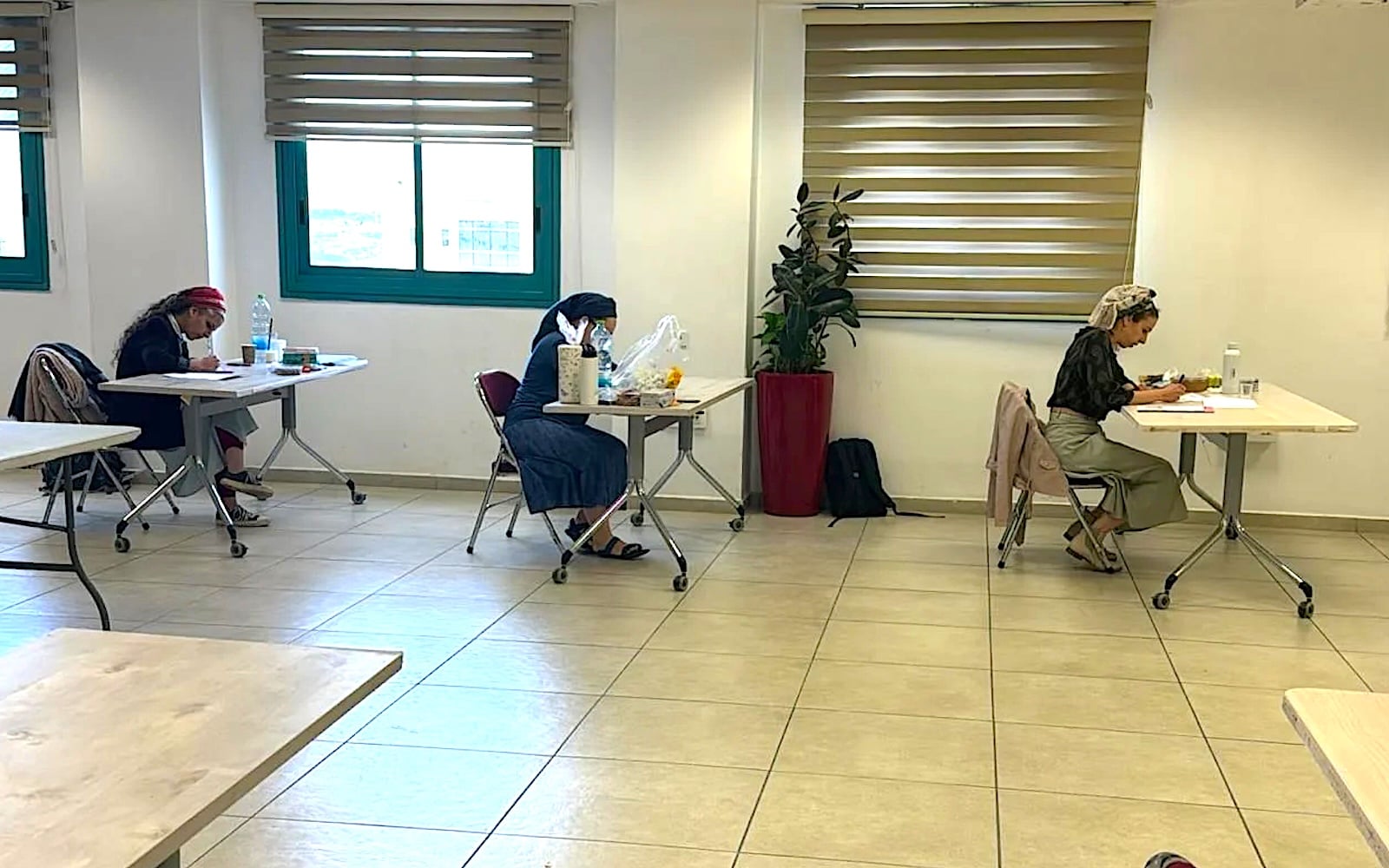
The Chief Rabbinate will not offer the rabbinical tests that, according to a landmark 2025 High Court decision, must be open to women, in the upcoming July session, a spokesperson for the Rabbinate confirms to The Times of Israel. The rabbinate will still offer other types of tests.
The spokesperson says that the standard rabbinical exams that must be made available to women will be offered in the fall session, and registration is set to begin next week, but declines to give a reason for the scrapping of the July session.
With some major obstacles in the process, three women took a test offered by the Chief Rabbinate last month, marking the first time in Israel’s history. They have yet to receive the results.
The Chief Rabbinate administers rabbinical tests in the major areas of halacha (Jewish law), including kashrut, niddah (family purity laws), Shabbat, mourning, and marriage laws. Candidates who wish to be eligible to receive rabbinical ordination need to pass a certain number of those tests (six are enough to achieve the level of “neighborhood rabbi,” while the title of “city rabbi” entails 11 tests).
However, the Rabbinate also grants other types of certificates to those who pass the tests, with important economic and social implications. A certain number of tests can be considered equivalent to an academic degree for some public jobs or can guarantee a higher salary.
On this basis, the High Court ruled that women also need to be able to take the standard rabbinical tests to receive the benefits (not the rabbinical ordination itself).
The Rabbinate also administers tests for other positions, such as advanced tests in halacha to become a dayan (rabbinic judge), for kashrut supervisors, ritual butchers and more. Those tests are still going to be offered in July.
All tests are usually offered three times a year, in the spring, summer and fall.
According to Rabbi Seth Farber, director of the religious group ITIM, which is among those who petitioned the High Court on the subject starting in 2019, the Rabbinate’s decision not to offer the type of tests that must be made available to women in July “sends a deeply troubling message.”
“The Rabbinate should recognize that women’s Torah learning and leadership are an important part of the future of Israeli religious life,” he tells The Times of Israel. “Allowing women to take these exams will strengthen Torah and strengthen public trust in the religious establishment.”








The Times of Israel Community.