

 From the Liveblog of
Sunday, March 22, 2026
From the Liveblog of
Sunday, March 22, 2026
Knesset expected to hold final vote on contentious death penalty bill as early as next week
 Add ToI as a Preferred Source on Google
Ariela Karmel is a political correspondent at The Times of Israel. She previously reported for Calcalist and Haaretz. She holds an MA in Middle Eastern and African History from Tel Aviv University and a BA in Political Science from the University of British Columbia.
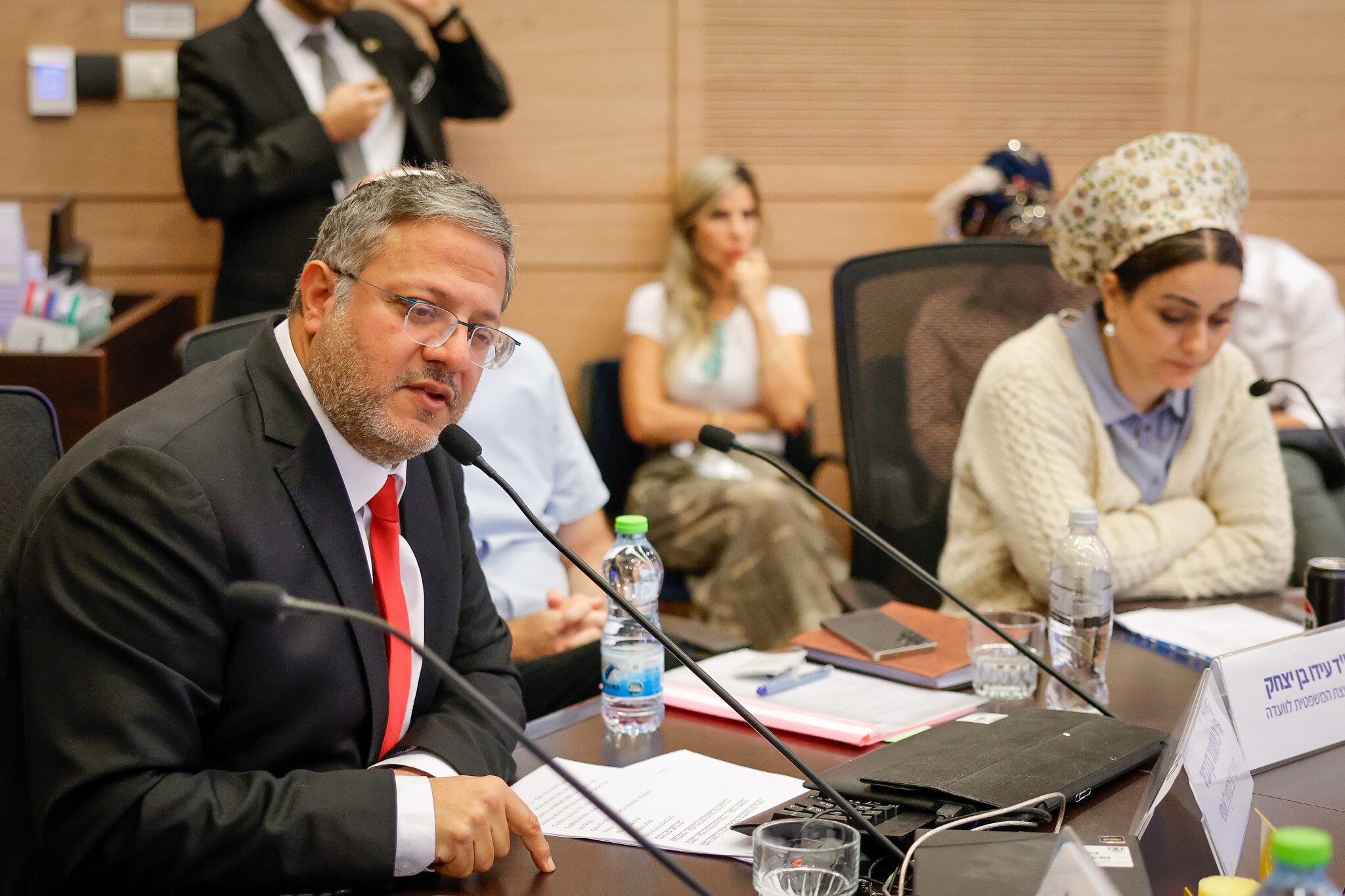
The Knesset National Security Committee is expected to wrap up deliberations on a controversial bill that would mandate the death penalty for terror convicts and send it to the full Knesset for its final two readings before becoming law, a spokesperson tells The Times of Israel.
“There is still work being done in the committee,” the spokesperson says. That work includes revisions to the bill, but “the intention is to complete preparation of the bill in the committee this week and transfer it to the plenum.”
Haaretz reported earlier today that the committee is hoping to send the bill to the plenum as early as next week.
The legislation, sponsored by Otzma Yehudit MK Limor Son Har-Melech, a member of National Security Minister Itamar Ben Gvir’s far-right Otzma Yehudit party, passed its first reading in November and has since been under discussion by the committee in preparation for its subsequent readings in the plenum.
The bill has been subjected to numerous objections and proposed amendments from opposition lawmakers and the committee’s legal adviser, who have argued that the bill is unconstitutional and discriminatory.
Significant changes were made last week to “soften” the bill, following pressure from Prime Minister Benjamin Netanyahu’s office, which argued that the draft was harsher than US capital punishment standards and could expose Israel to diplomatic and legal scrutiny abroad.
Those revisions removed a clause mandating the death penalty without judicial discretion, allowing judges the option to choose between capital punishment and life imprisonment. Another change removed the requirement for trials to take place in military courts, permitting trials in civilian courts. And a third dropped language defining terror victims as “Israeli citizens,” a clause that would have excluded Palestinian victims, in a bid to avoid accusations of discrimination.








The Times of Israel Community.