

 From the Liveblog of
Monday, December 29, 2025
From the Liveblog of
Monday, December 29, 2025
Knesset passes bill outlawing water and electricity supply to UNRWA facilities
 Add ToI as a Preferred Source on Google
Sam Sokol is a former political correspondent at The Times of Israel. He was previously a reporter for the Jerusalem Post, Jewish Telegraphic Agency and Haaretz. He is the author of "Putin’s Hybrid War and the Jews"
A law prohibiting the provision of electricity or water to facilities owned by or operated on behalf of UNRWA, the UN agency for Palestinian refugees and their descendants, passes its third and final reading 59-7 in the Knesset.
The government-backed legislation requires electricity and water providers to withhold or disconnect service from UNRWA facilities and blocks the provision of communications and banking or financial services to the agency.
UNRWA — officially the United Nations Relief and Works Agency for Palestine Refugees in the Near East — provides education, health care and aid to millions of Palestinians in Gaza, the West Bank, Jordan, Lebanon and Syria.
Israel has long argued that its school curriculum includes support for terror, and claims that its staffers took an active part in the October 7, 2023, Hamas onslaught and in holding hostages taken that day. It also charges that the agency perpetuates the conflict by granting automatic refugee status to all descendants of Palestinians displaced in the events surrounding Israel’s creation in 1948 — causing the number of registered refugees to soar over time instead of shrink, as happens in other refugee crises around the world.
The measure is an amendment to two bills passed by lawmakers in October 2024, which barred the agency from operating in Israeli territory and curtailed its activities in the Gaza Strip and the West Bank by banning state authorities from having any contact with the agency.
The new bill clarifies that the provision of electrical and water services should be considered “contact” under the law.
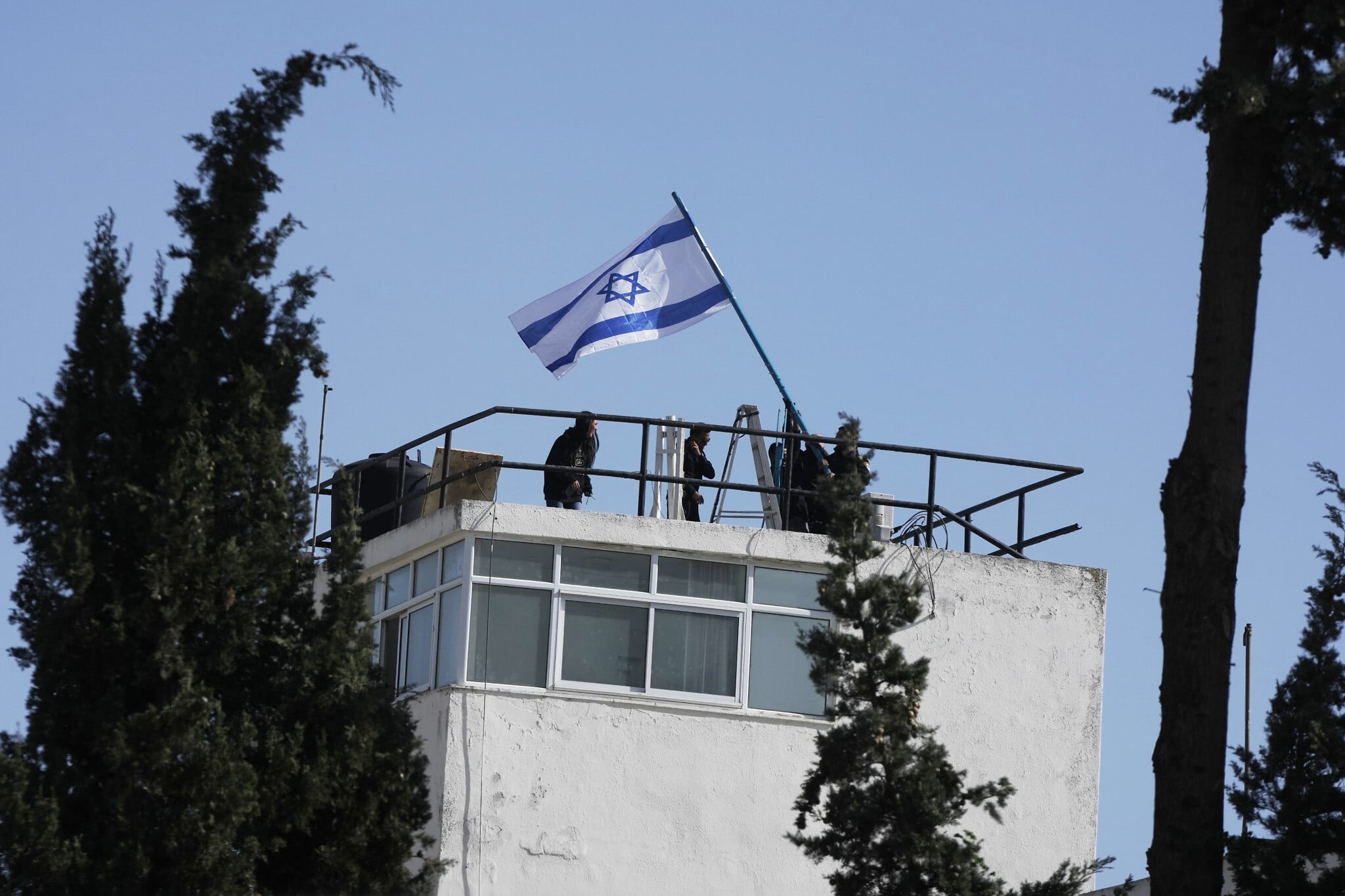
The legislation also allows the government to seize properties in Ma’alot Dafna and Kafr Aqab in Jerusalem, which had been leased to UNRWA by the state and used as the agency’s offices, “without the need to initiate legal or administrative proceedings.”








The Times of Israel Community.