

 From the Liveblog of
Monday, December 9, 2024
From the Liveblog of
Monday, December 9, 2024
Lapid says Netanyahu’s claims he sparked downfall of Assad are ‘irresponsible, dangerous’
 Add ToI as a Preferred Source on Google
Sam Sokol is a former political correspondent at The Times of Israel. He was previously a reporter for the Jerusalem Post, Jewish Telegraphic Agency and Haaretz. He is the author of "Putin’s Hybrid War and the Jews"
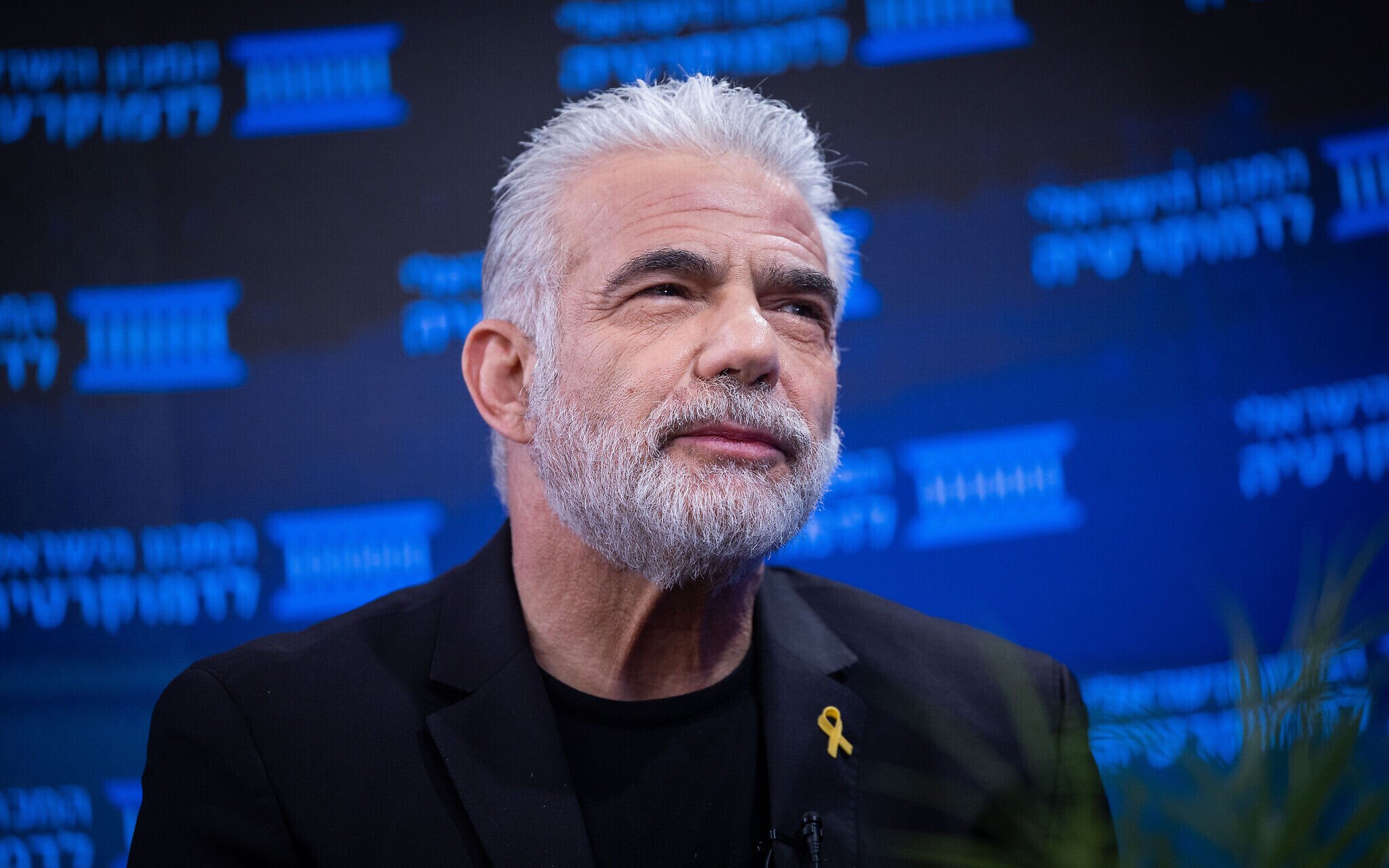
Opposition Leader Yair Lapid slams the government’s handling of the fall of Bashar al-Assad’s regime, stating that while Israel’s actions in Syria are correct its rhetoric is dangerous.
“Considering the events in Syria, Israel acted correctly yesterday on the security front, and with complete irresponsibility on the political front,” Lapid tells reporters ahead of his Yesh Atid party’s weekly faction meeting in the Knesset.
Israel’s decision to seize control of the buffer zone on the countries’ border was the right thing to do, he says, arguing that “the change of government and the instability in Syria de facto nullify the 1974 separation agreement.” Taking action to neutralize weapons stockpiles, especially chemical weapons and air defense systems, is also appropriate and the fall of Assad provides an important opportunity “to permanently stop the shipments of weapons to Hezbollah,” he adds.
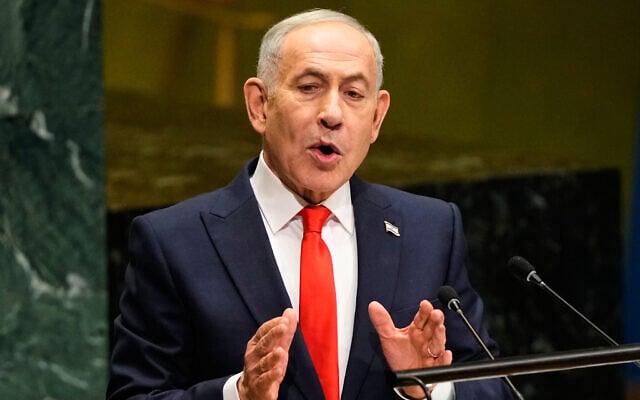
But while the IDF’s actions on the ground contribute to national security without getting Israel embroiled in the conflict in Syria, Prime Minister Benjamin Netanyahu’s statement that he set off the chain of events that led to the sudden fall of Assad’s regime “was irresponsible, dangerous, and also devoid of any political logic.”
“The last thing the rebels in Syria need or want is for them to say that they came to power thanks to Israel. This is unnecessary arrogance and will lead them to react, sooner or later, to try to prove to the Arab world that this is not true,” Lapid asserts.
“The new government in Syria also does not need to hear the Israeli defense minister explain in his voice that the IDF has captured positions of the Syrian army, and will continue to capture more points deep inside Syria, because this turns a justified security operation into a violation of sovereignty that no country can agree to,” he adds.
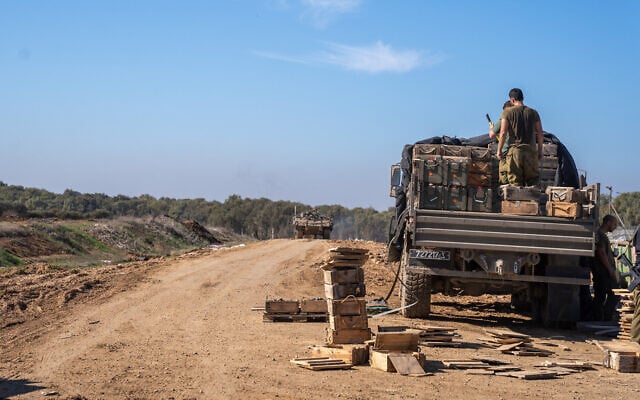
On Monday morning, Defense Minister Israel Katz ordered the IDF to complete control over the buffer Zone between Israel and Syria, after the IDF began its deployment there yesterday.
In a statement, Katz said that he also ordered the military to create a “security zone free of heavy strategic weapons and terror infrastructure” in southern Syria, including beyond the buffer zone, that could pose a threat to Israel — and that he had instructed the IDF to continue to destroy “strategic weapons” in Syria that Israel fears could fall into the hands of hostile forces.
“What the government, the prime minister, should have done is the most difficult thing for them to do: execute and remain silent,” Lapid states, citing former US President Teddy Roosevelt’s advice to “speak softly and carry a big stick.”
In parallel with its military efforts, Israel should propose a security summit with the Saudis “to help the residents of Syria expel the Iranians and stabilize the country” and “turn the change in Syria into a political lever for building a regional coalition that will ultimately pay off for us in Gaza, Lebanon, and [against] the Iranian threat,” he says.
Asked about efforts by the prime minister and members of his government to postpone Netanyahu’s upcoming testimony in his ongoing corruption trial due to recent developments in Syria, Lapid responds that the trial is only still going on because Netanyahu repeatedly worked to slow it down.



The Times of Israel Community.