

 From the Liveblog of
Tuesday, October 26, 2021
From the Liveblog of
Tuesday, October 26, 2021
Netanyahu trial shifts to alleged illicit benefits for telecom firm
 Add ToI as a Preferred Source on Google
Raoul Wootliff is a former Times of Israel political correspondent and Daily Briefing podcast producer.
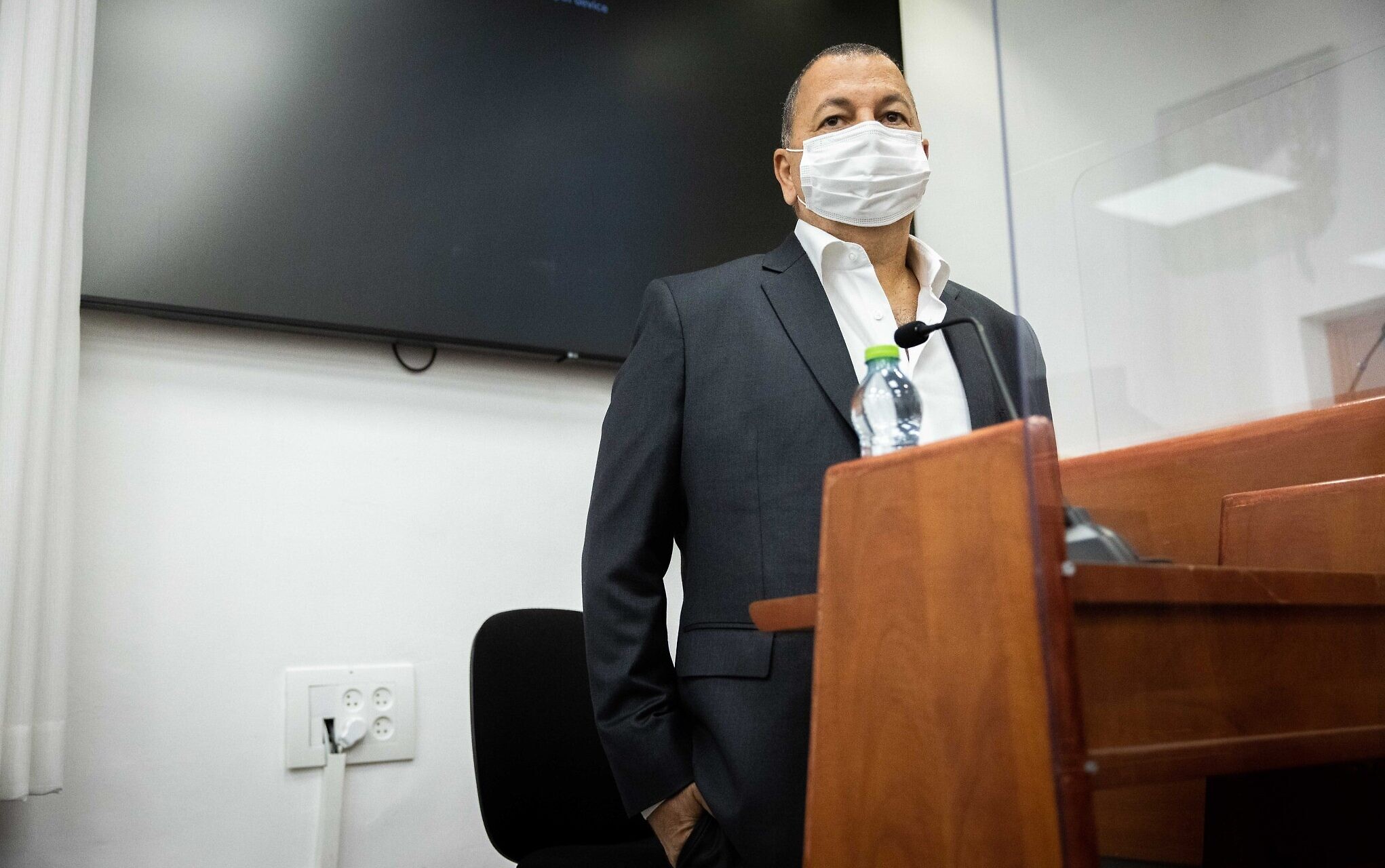
The criminal trial of Benjamin Netanyahu pivots today from the alleged illicit favors the former prime minister received to the benefits that prosecutors say he bestowed on the the Bezeq telecommunications company in return.
Taking the stand after six months of testimony from executives and editors at the Walla news site, former Communications Ministry director-general Avi Berger becomes the first witness in Case 4000 to allege in court that Netanyahu had abused his position as prime minister.
In the case, one of three in which the ex-premier faces charges, Netanyahu is accused of illicitly and lucratively benefiting the business interests of Bezeq telecom’s controlling shareholder, Shaul Elovitch, in exchange for positive coverage on the Bezeq-owned Walla news website. He is accused of abusing his powers when he served as both prime minister and communications minister from 2014 to 2017.
Netanyahu faces charges of bribery, fraud, and breach of trust in the case, while Elovitch and his wife have been charged with bribery. All three defendants deny wrongdoing.
The allegations of misconduct go back to when Netanyahu replaced Gilad Erdan as communications minister in November 2014, in what critics saw as a power grab to give him increased control over the media and telecom industries. He subsequently fired Berger — then the ministry’s director-general — over the phone, in May 2015, and appointed longtime associate Shlomo Filber in his stead.
The move, as well as Netanyahu’s insistence that the 2015 coalition agreements include a provision giving him “sole control” over media matters, was aimed at creating less confrontational stance vis-à-vis Bezeq, which Berger had sought to limit, the Case 4000 indictment against Netanyahu claims.










The Times of Israel Community.