

 From the Liveblog of
Monday, June 30, 2025
From the Liveblog of
Monday, June 30, 2025
Report: Al-Sharaa’s circle resistant to peace agreement with Israel, wants more limited deal
 Add ToI as a Preferred Source on Google
Nava Freiberg is The Times of Israel's deputy diplomatic correspondent.
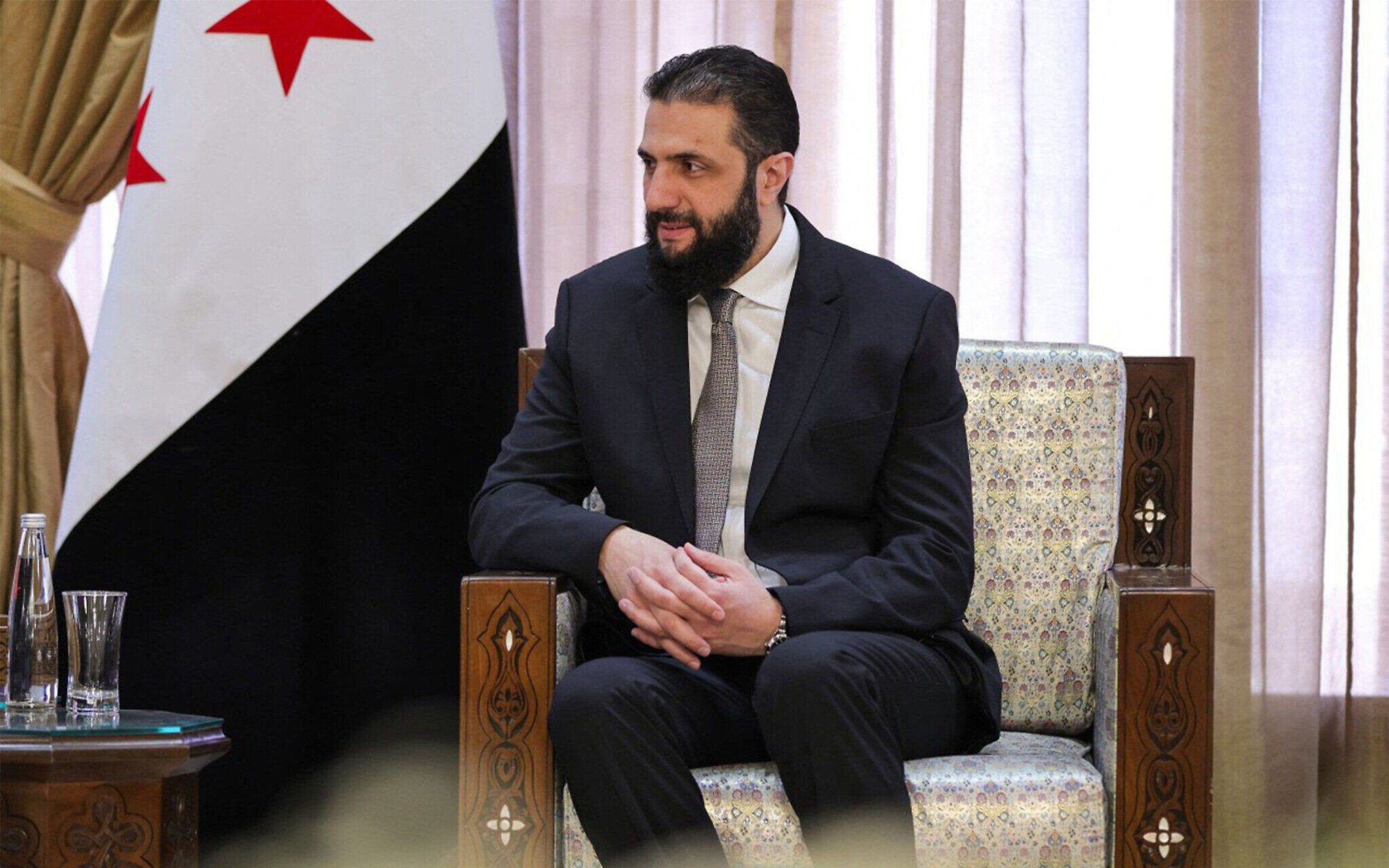
Amid reports suggesting Syrian openness to normalizing relations with Israel, there is no firm consensus within the Syrian regime regarding recently intensified US-mediated peace talks between the two countries, unnamed Syrian sources tell the Lebanese outlet Al-Akhbar.
According to the sources, contrary to claims by international envoys that President Ahmed Al-Sharaa has “welcomed” the idea of ties with Israel, the ongoing discussions “indicate that such a step does not enjoy genuine consensus, even within the team loyal to Al-Sharaa.”
Rather than pursue formal diplomatic relations, figures close to Al-Sharaa are urging American mediators to consider a more limited agreement — one that would declare an end to hostilities with Israel without progressing toward full normalization.
The resistance to a peace deal stems primarily from two factors, the sources say. First, the regime would face difficulty justifying such an agreement while the war in Gaza continues and amid widespread Arab condemnation of Israeli military actions. Second, pro-Turkish elements within Al-Sharaa’s inner circle fear that normalization would place Syria under significant Israeli and Saudi influence, marginalizing Ankara’s role in the region.
In a separate report suggesting greater openness in the ongoing talks, the Lebanese news channel LBCI said that Syria was not demanding the return of the Golan Heights in any potential peace agreement. Damascus is instead seeking Israeli recognition of the new regime, a withdrawal from areas held in southern Syria since January, defined security arrangements in the south, and US support, the precise nature of which remains unclear.
Following last Sunday’s ceasefire between Israel and Iran, Prime Minister Benjamin Netanyahu declared that the campaign against Iran had opened “broad regional possibilities.” Local media widely interpreted the statement as a reference to intensified US-backed efforts to end the war in Gaza and pursue normalization agreements between Israel and its neighbors, particularly Syria and Saudi Arabia.
National Security Adviser Tzachi Hanegbi confirmed last week that Israel and the Syrian regime are in daily direct contact and are discussing the possibility of normalization.








The Times of Israel Community.