

 From the Liveblog of
Wednesday, July 16, 2025
From the Liveblog of
Wednesday, July 16, 2025
State comptroller pressed to investigate rabbinical court appointments over reported nepotism
 Add ToI as a Preferred Source on Google
Sam Sokol is a former political correspondent at The Times of Israel. He was previously a reporter for the Jerusalem Post, Jewish Telegraphic Agency and Haaretz. He is the author of "Putin’s Hybrid War and the Jews"
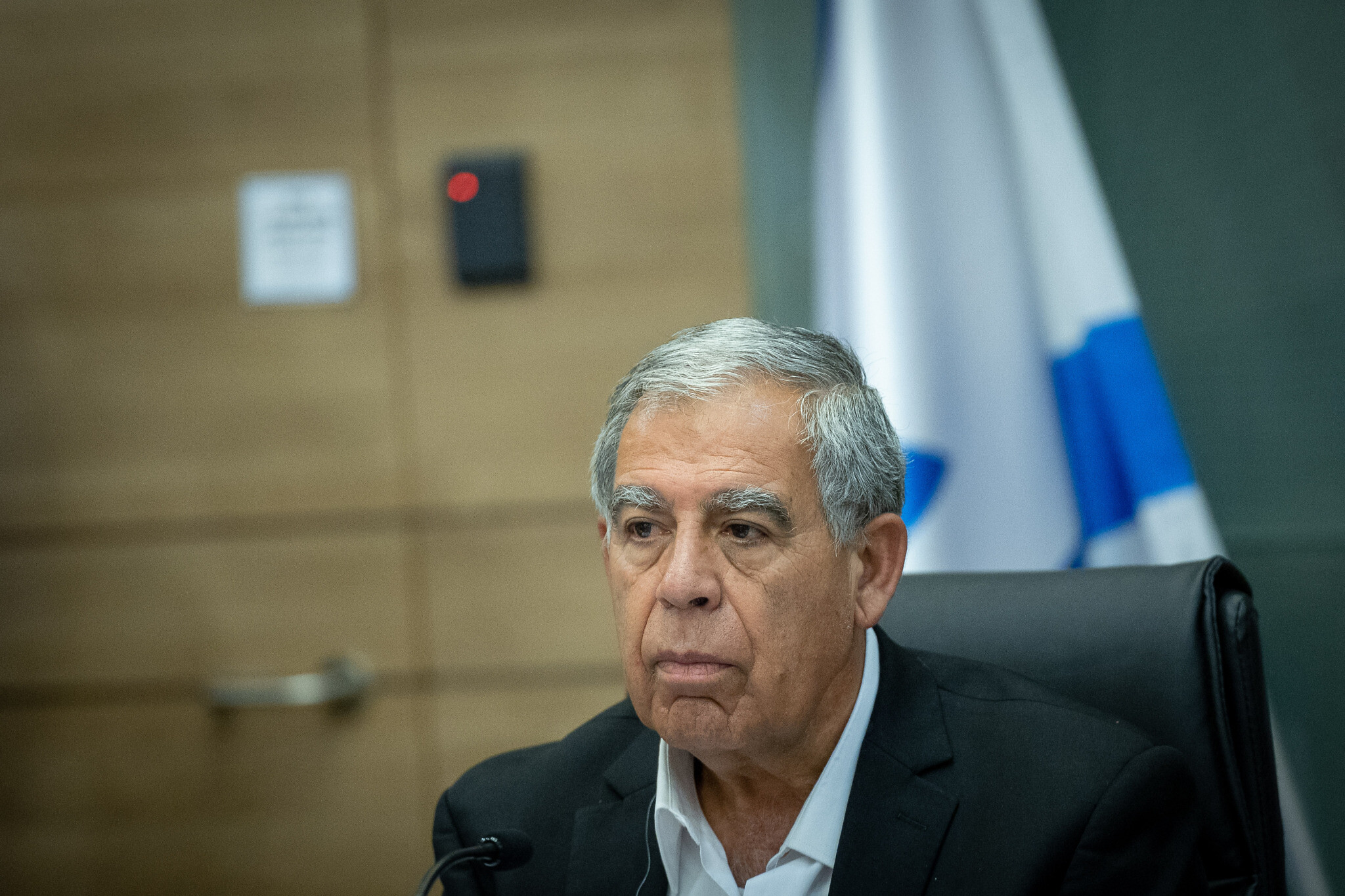
State Control Committee chairman Mickey Levy from the Yesh Atid party calls on the state comptroller to probe the appointment of rabbinical judges in light of press reports that some judges “are close to members of the [appointments] committee and senior figures in the Shas and United Torah Judaism parties.”
“About 9 of the 21 newly appointed rabbinical judges, which is 43%, are related to other rabbinical judges and senior figures in the religious establishment,” says Levy.
“What about those who have no political connections? These are questions that need to be considered. The rabbinical court system is part of the state judicial system in Israel. There is definitely room to ensure that appointments are conducted legally and transparently.”
In response, Religious Services Minister Michael Malkieli defends the appointments process, asserting that there is no patronage and that the committee in charge of appointing rabbinical judges has “conducted itself in practice in a much stricter manner” than its counterpart in the secular court system.
Ohad Weigler of the ITIM nonprofit, which helps Israelis deal with religious bureaucracy, alleges that one person had “accepted a position as a paid employee of a religious council and she remained a member of the committee for the appointment of religious judges.”
Speaking with The Times of Israel, ITIM founder Seth Farber says that “there is something problematic in a system when one of the committee members appointing religious judges was appointed by the minister to a paid position on a religious council in the weeks before the vote and yet she remained on the committee. This is a blatant conflict of interest that casts a deep shadow over the entire appointment process.”










The Times of Israel Community.