

 From the Liveblog of
Monday, June 15, 2026
From the Liveblog of
Monday, June 15, 2026
Vance: US ‘expects’ Hormuz to be opened toll-free for long-term
 Add ToI as a Preferred Source on Google
Jacob Magid is The Times of Israel's US bureau chief
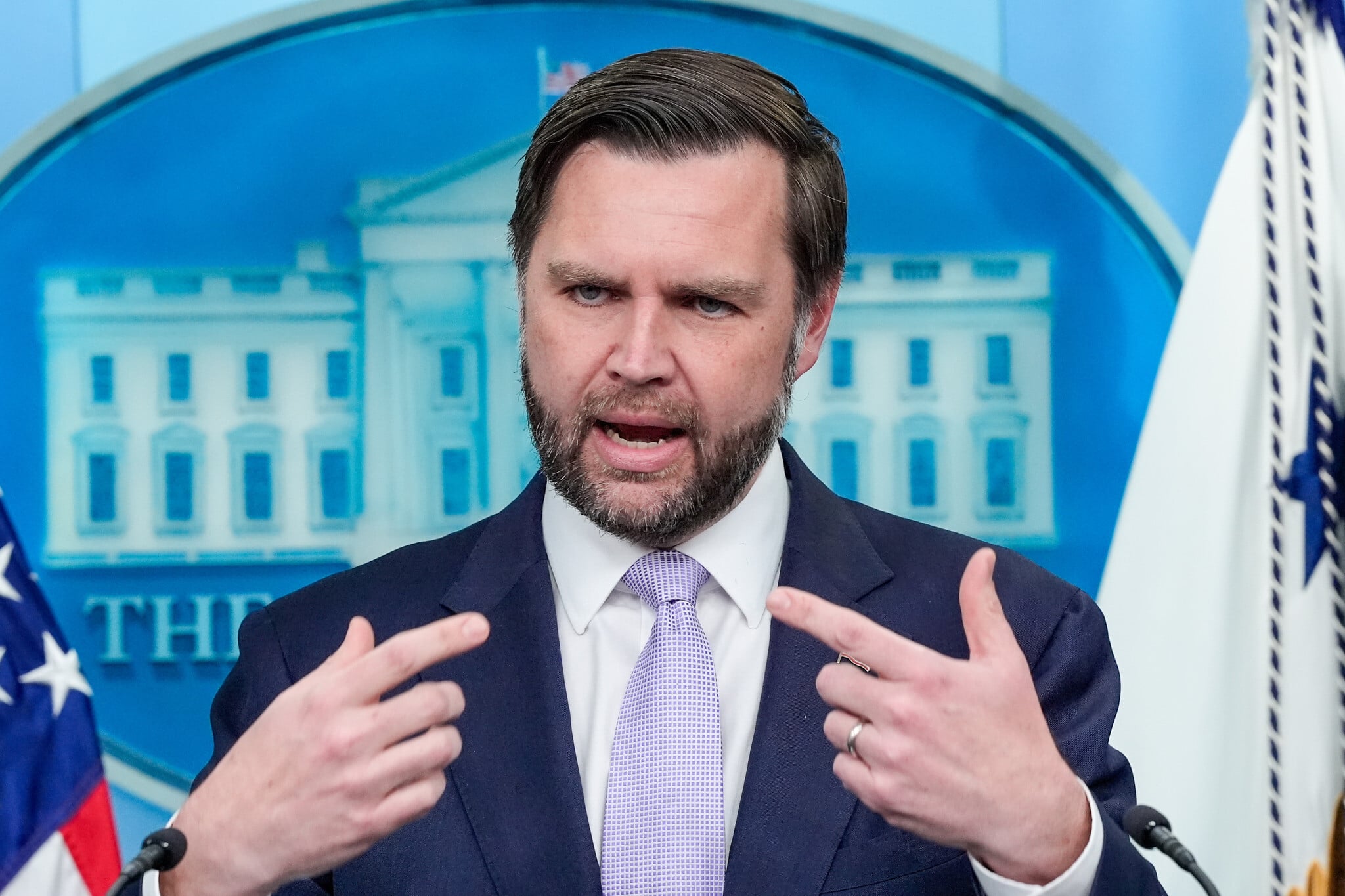
US Vice President JD Vance says Washington “expects” that the Strait of Hormuz is going to be “opened in a toll-free way for the long-term.”
“That’s the sort of thing that we’re going to figure out in these technical negotiations,” Vance says in an interview with CNBC.
He notably stops short of saying that the MOU announced yesterday ensures freedom of navigation through the waterway.
His comments would appear to leave open the possibility that Iran will be able to charge tolls on vessels traveling through the Strait at least until an agreement is reached in the subsequent negotiations that the MOU launches between the US and Iran.
The US has framed the MOU as one that completely opens the Strait of Hormuz, while Iranian officials have said that Tehran and Oman will maintain control over the channel moving forward — a dynamic that was not in place before the war launched by the US and Israel on February 28.
While the deal was announced yesterday, it won’t be signed until Friday. US President Donald Trump said yesterday that the Strait of Hormuz will reopen on Friday, but has since claimed that ships have already started passing through with ease.
Vance tells CNBC that Iran’s Foreign Minister Abbas Araghchi and Parliament Speaker Mohammad Bagher Ghalibaf will join him at the signing ceremony in Switzerland on Friday.
He says the US has been “dealing with everybody in the Iranian system” — from military hardliners to political leaders — claiming that Washington is sometimes doing so directly and has built good relationships with counterparts in Tehran that will allow for a successful negotiation.
In an effort to sell the MOU, Vance insists that the US maintains “all of the cards” because it doesn’t offer Iran sanctions relief if Tehran doesn’t make concessions in the subsequent nuclear talks that will be held over the coming two months.
“Even if we just stopped here, what would be true? Their military is destroyed, the Straits of Hormuz are open, their nuclear program has been destroyed, and we have incredible economic leverage over them that we didn’t have a year and a half ago,” Vance says.
Despite Vance’s claims, though, Iran’s missile program remains intact, even if badly battered. Moreover, it still holds onto its stockpiles of highly-enriched uranium, which can be used to create a nuclear weapon.







The Times of Israel Community.