

 From the Liveblog of
Thursday, December 9, 2021
From the Liveblog of
Thursday, December 9, 2021
WHO warns Omicron fears could spark new vaccine hoarding, straining global supplies
 Add ToI as a Preferred Source on Google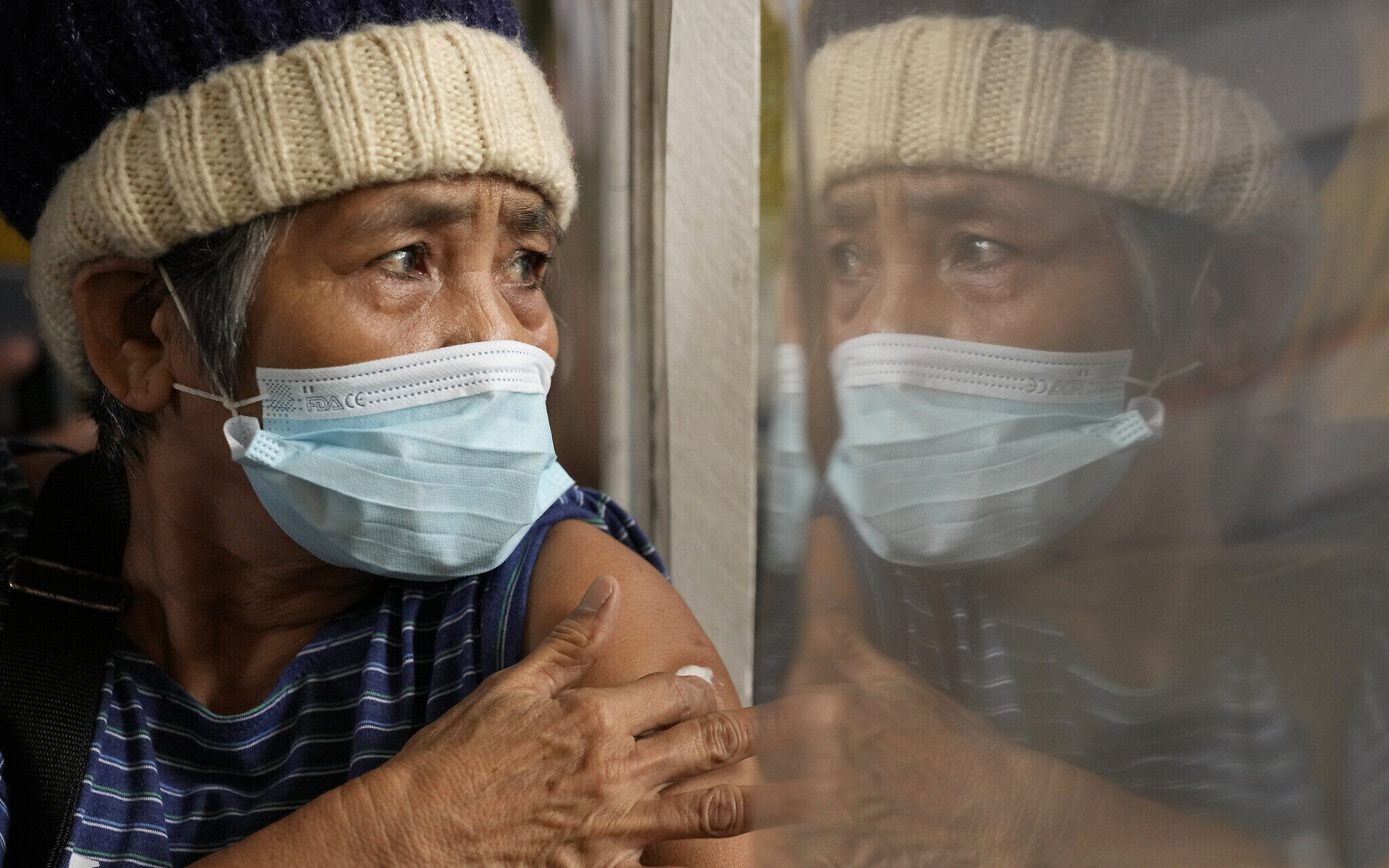
The World Health Organization expresses concerns that rich countries spooked by the emergence of the Omicron variant could step up the hoarding of COVID-19 vaccines and strain global supplies again, complicating efforts to stamp out the pandemic.
The UN health agency, after a meeting of its expert panel on vaccination, reiterates its advice to governments against the widespread use of boosters in their populations so that well-stocked countries instead can send doses to low-income countries that have largely lacked access to them.
“What is going to shut down disease is for everybody who is especially at risk of disease to become vaccinated,” says Dr. Kate O’Brien, head of WHO’s department of immunization, vaccines and biologicals. “We seem to be taking our eye off that ball in countries.”
Months of short supplies of COVID-19 vaccines have begun to ease over the last two months or so, and doses are finally getting to needier countries — such as through donations and the UN-backed COVAX program — and WHO wants that to continue. It has long decried “vaccine inequity” by which most doses have gone to people in rich countries, whose leaders locked down big stockpiles as a precautionary measure.
“As we head into whatever the Omicron situation is going to be, there is risk that the global supply is again going to revert to high-income countries hoarding vaccine to protect — in a sense, in excess — their opportunity for vaccination, and a sort of ‘no-regrets’ kind of approach,” O’Brien says.
“It’s not going to work,” she adds. “It’s not going to work from an epidemiological perspective, and it’s not going to work from a transmission perspective unless we actually have vaccine going to all countries, because where transmission continues, that’s where the variants are going to come from.”









The Times of Israel Community.