

Major outlets demand free press access to Gaza: ‘History is told by those who report it’
BBC, Reuters, AP, AFP release short film on sidelines of UN General Assembly, warn their Palestinian journalists are ‘facing the same dire circumstances as those they are covering’
 Add ToI as a Preferred Source on Google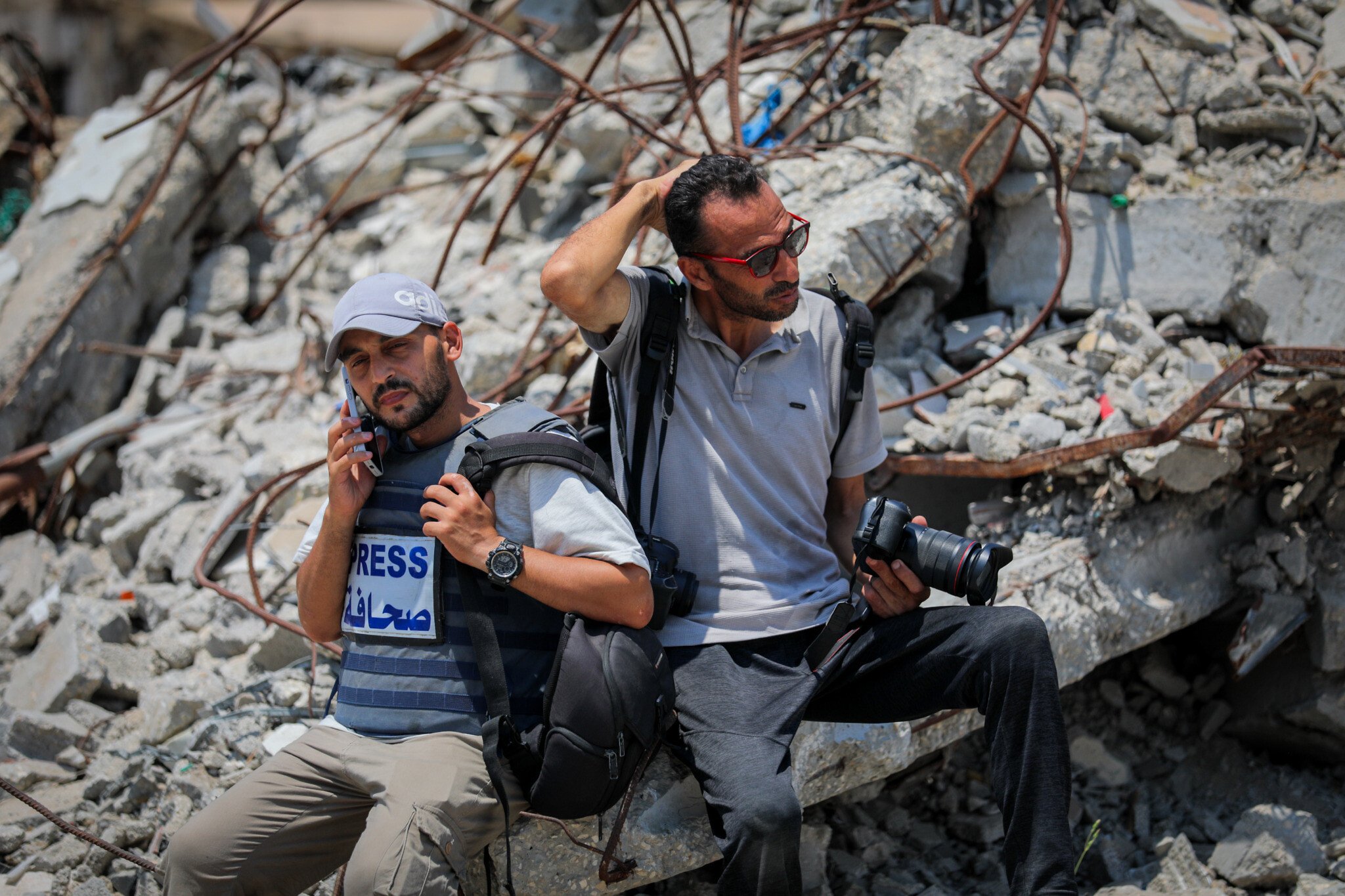
Some of the world’s most prominent news outlets released a short film on Wednesday with a joint statement calling on Israel to allow international journalists into Gaza to report on the ongoing war with Hamas.
The video on behalf of the BBC, Reuters, The Associated Press (AP) and Agence France-Presse (AFP), narrated by BBC journalist David Dimbleby, features resonant photos and snippets of news reports from wars and crises throughout history alongside the message that “history is told by those who report it.”
“Images of the D-Day landings showed the fight to free Europe from tyranny; one image of a child burnt by napalm brought home the horror of the Vietnam War; in Ethiopia, journalists forced the world to confront the realities of famine; in Tiananmen Sqaure, a lone man resisted, defying the tanks; the world ignored Rwanda until reporters revealed thousands a day were being massacred; the report of a child’s body washed up on a beach revealed the stark reality of the Syrian refugee crisis; in Ukraine, journalists from around the world risk their lives every day to report the suffering of the people,” Dimbleby narrates over a slideshow of the photos he mentions.
“But when it comes to Gaza, the job of reporting falls solely to Palestinian journalists who are paying a terrible cost, leaving fewer to bear witness,” he adds as photos from Gaza are displayed.
“The Israeli government will not allow international reporters into Gaza to do their work and to document freely what they see. International journalists must now be allowed into Gaza to share the work with Palestinian reporters there so we can all bring the facts to the world,” he concludes.
The short film premiered in a Committee to Protect Journalists (CPJ) event on Wednesday in New York on the sidelines of the UN General Assembly.
CPJ has accused the IDF of being responsible for the murders of one in six journalists globally since 2016, many of them in the Gaza Strip during the ongoing war. The IDF has insisted that it does not intentionally target journalists, while noting that many on CPJ’s list are members of Palestinian terror groups.
The BBC, in association with Agence France-Presse, the Associated Press, and Reuters, has launched a short film calling on the Israeli authorities to allow international journalists access to Gaza.
Read more: https://t.co/RZJAL6I6zL pic.twitter.com/wX1LyfOE0h
— BBC Press Office (@bbcpress) September 24, 2025
“It is almost two years since October 7th [2023] when the world witnessed Hamas’s atrocities,” BBC News CEO Deborah Turness said in a statement ahead of the film’s release. “Since then, a war has been raging in Gaza, but international journalists are not allowed in. We must now be let into Gaza. To work alongside local journalists, so we can all bring the facts to the world.”
A joint statement by the four outlets added that they were “desperately concerned for our journalists in Gaza, who are increasingly unable to feed themselves and their families.”
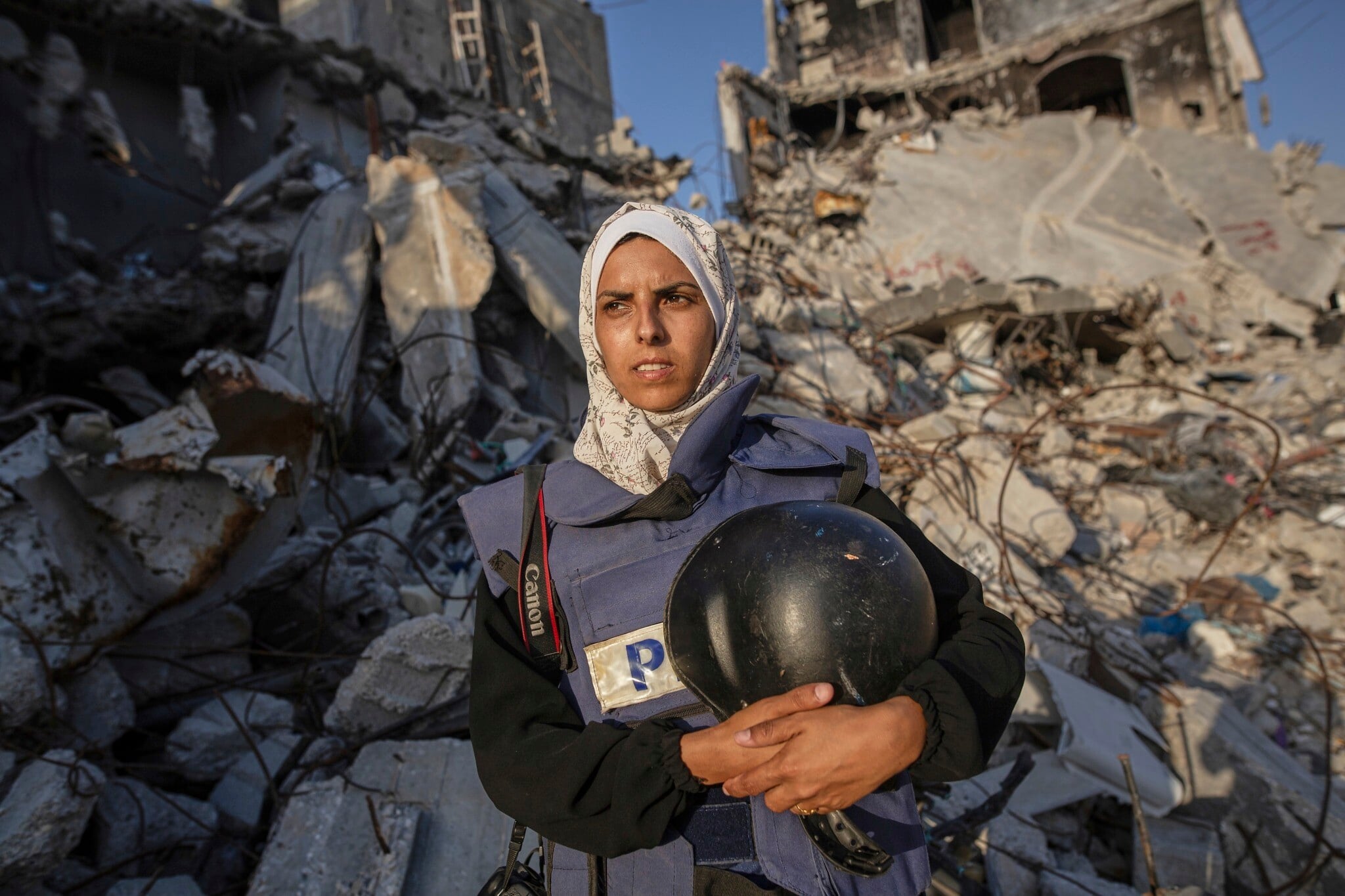
“For many months, these independent journalists have been the world’s eyes and ears on the ground in Gaza. They are now facing the same dire circumstances as those they are covering,” the statement said.
“Journalists endure many deprivations and hardships in war zones. We are deeply alarmed that the threat of starvation is now one of them.”
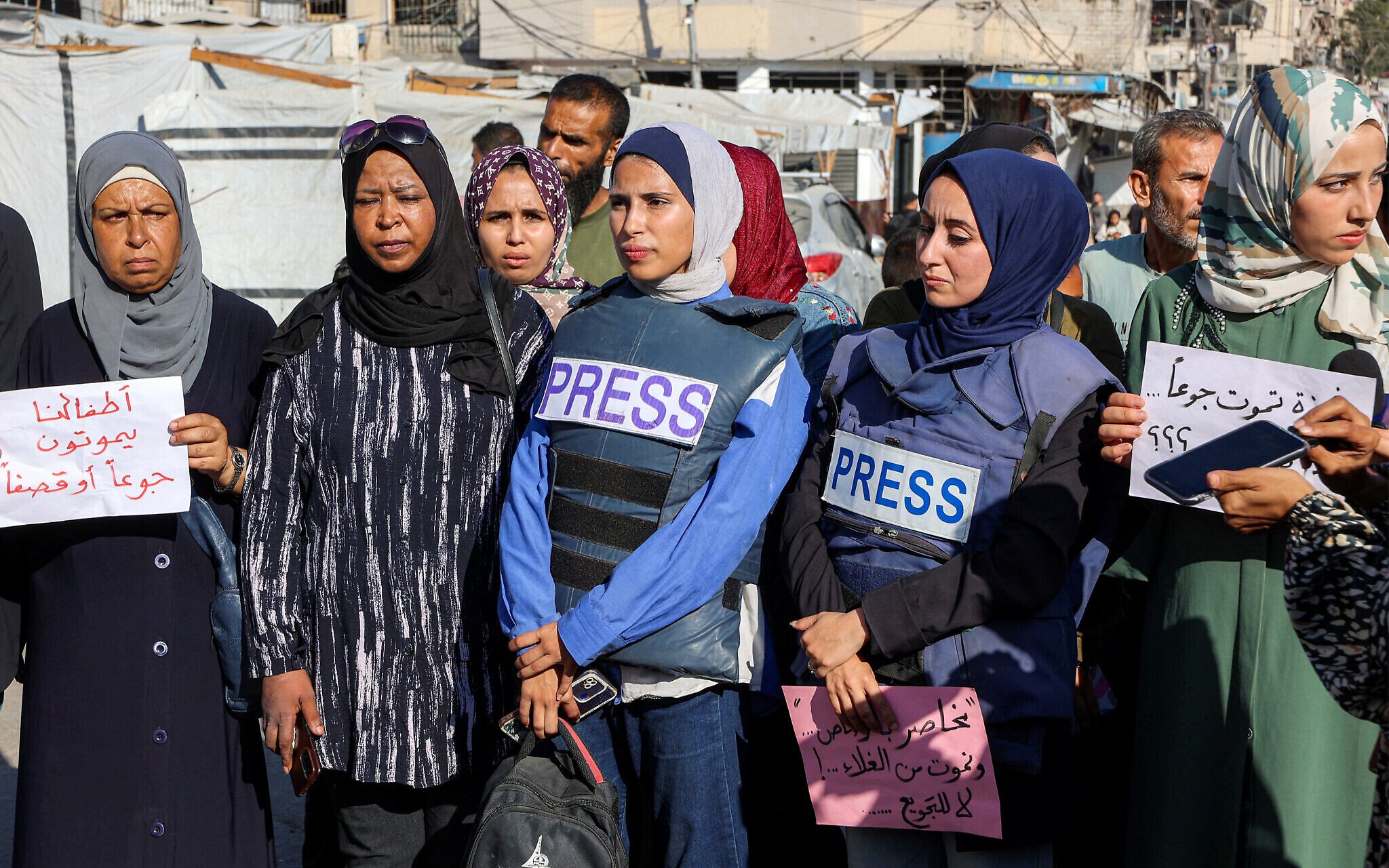
The statement ended with a call for Israel to allow journalists in and out of Gaza and a declaration that “it is essential that adequate food supplies reach the people there.”
While Israel has repeatedly chastised international media for relying on information coming from the Hamas authorities in Gaza, it has barred journalists from entering the Strip since the start of the war, except on occasional, tightly controlled trips with the military.
The government has rebuffed requests to allow media to enter freely, saying the situation in Gaza is too dangerous to allow access without military escort, a decision upheld by the High Court of Justice in December of last year.
The BBC, in particular, has faced heavy scrutiny over the past 18 months for what many perceive to be an anti-Israel slant to its coverage of the war in Gaza, including its continued employment of a Gazan journalist who posted virulently antisemitic content on social media.
The broadcaster has been widely criticized by supporters of Israel for its refusal to describe Hamas as terrorists, even though the group’s military wing is proscribed by the United Kingdom as such, and even after the widespread documentation of its systematic targeting of civilians on October 7, 2023, when the organization’s terrorists murdered some 1,200 people, mostly civilians, and took 251 hostages.
The AP has also been the subject of controversy regarding Hamas’s October 7 attack over suggestions that one of its freelance journalists, Hassan Eslaiah, had ties to Hamas and accusations that the agency had knowledge of this before that day.
Eslaiah entered Israel alongside terrorists during the onslaught, documenting their attacks on the residents of Nir Oz, one of the hardest-hit communities. The AP denied any knowledge of his alleged affiliations but cut ties with him in November 2023, removing his photos from its feed.
As of late March, the IDF reported facilitating 308 media trips for Israeli journalists across all fronts — including Gaza, Lebanon and Syria — since the war began, typically hosting groups of two to 20 reporters at a time.

In contrast, only 36 trips embedded with soldiers were granted to foreign media, nearly all of them in larger groups of around 20 and primarily within Gaza.
Israel has been accused of targeting Gazan journalists amid the war. The military says it has no such policy, and that many of the people killed during the war who have been identified as journalists were actually terror operatives.
In some cases, the military has provided documentation seized from terror groups in Gaza that list the journalists as fighters.






The Times of Israel Community.