

Netanyahu’s Likud enjoys slight bump in support on heels of Gaza deal, poll shows
Ex-PM Bennett, who has been largely silent on the truce-hostage agreement, sinks to lowest number of Knesset seats in potential election since first being included in Maariv survey
 Add ToI as a Preferred Source on Google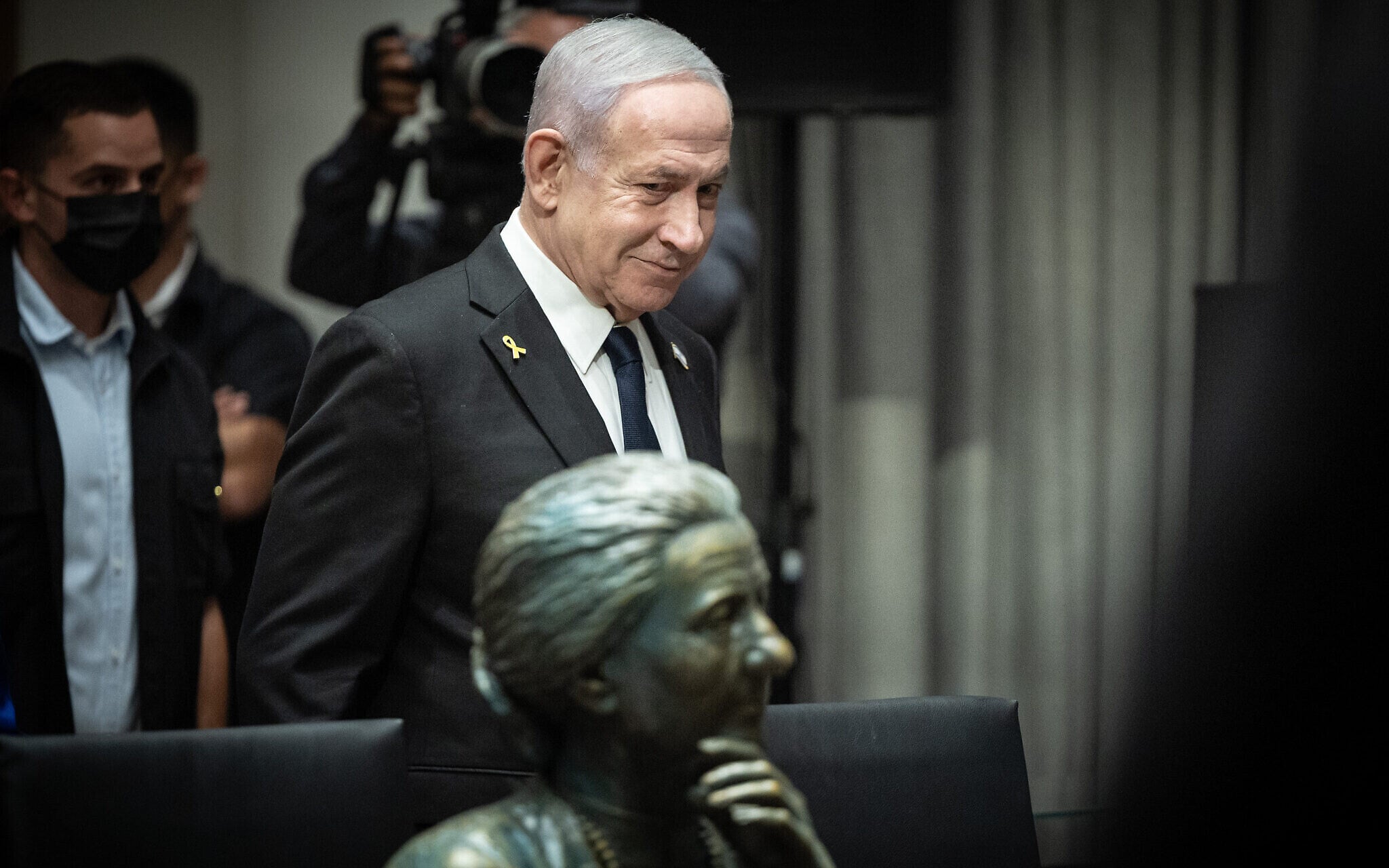
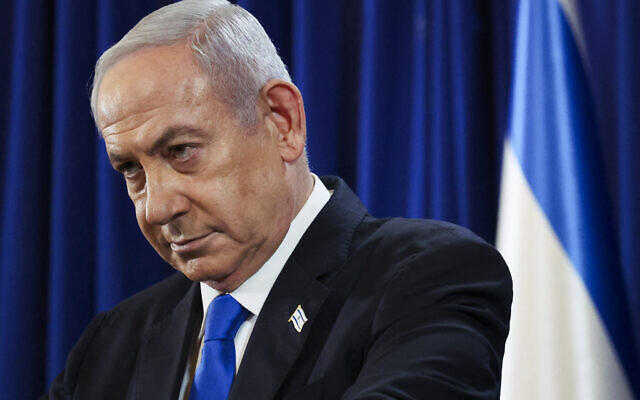
After the Gaza truce-hostage deal, Prime Minister Benjamin Netanyahu enjoys a slight bump in public support while his closest rival, former premier Naftali Bennett, sinks to his lowest level yet, according to a poll published Friday.
Asked whether elections should be held “upon completion of the deal and the return of the hostages,” 48 percent of respondents to the Maariv poll said yes, 39% said no, and 13% said they don’t know.
The initial phase of the Gaza ceasefire deal, which Israel and Hamas agreed to on Thursday, requires Hamas to return the 48 remaining hostages within 72 hours, and Israel to stage a partial withdrawal from the Strip. Israel will also release close to 2,000 Palestinian prisoners.
Other components of the Trump deal, including a full withdrawal by Israel, disarmament of Hamas, and the formation of an international transitional administration for Gaza, are still being negotiated.
Asked whom they would vote for in the next election, respondents to the Maariv poll (Hebrew) awarded Netanyahu’s Likud party 27 of the Knesset’s 120 seats — up from the 25 seats that Likud received in last week’s Maariv poll.
Bennett, who has registered a party tentatively called “Bennett 2026,” would win 19 seats, down from 22 last week, and his lowest result since first being included in the poll in August 2024, Maariv said. A one-time Netanyahu aide who used to run to the premier’s right, Bennett has said little about the Gaza deal. Maariv surmised his silence hurt his standing in the survey.

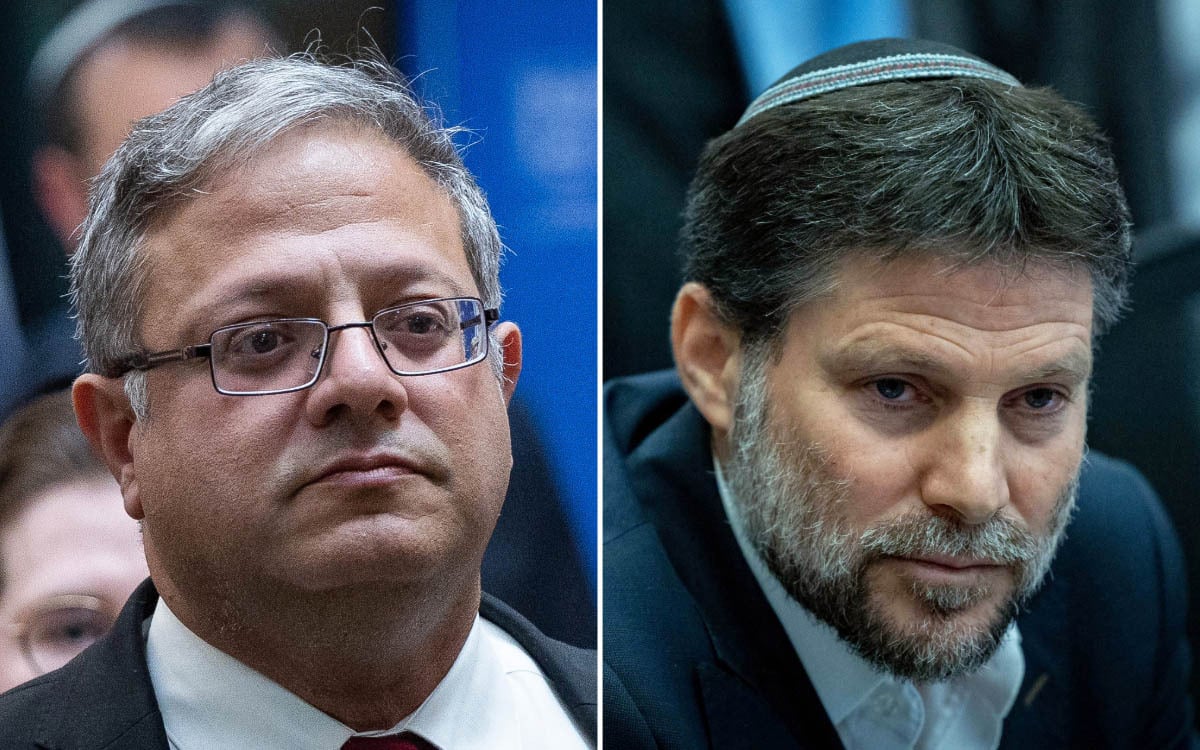
National Security Minister Itamar Ben Gvir’s Otzma Yehudit party, which opposes the truce-hostage deal, garnered six seats, down from nine last week. Fellow far-right party Religious Zionism, led by Finance Minister Bezalel Smotrich, did not win enough support to gain any seats in the Knesset, with just 2.3% of respondents — the same number as last week — saying they would vote for him.
Netanyahu’s ultra-Orthodox allies — the Sephardic party Shas and its Ashkenazi counterpart United Torah Judaism — held their ground at eight and seven Knesset seats, respectively. Both quit the government this year over its failure to codify Haredi yeshiva students’ exemption from military service.
In total, the pro-Netanyahu bloc consisting of Likud, Otzma Yehudit, Religious Zionism and the ultra-Orthodox parties would win 48 seats.
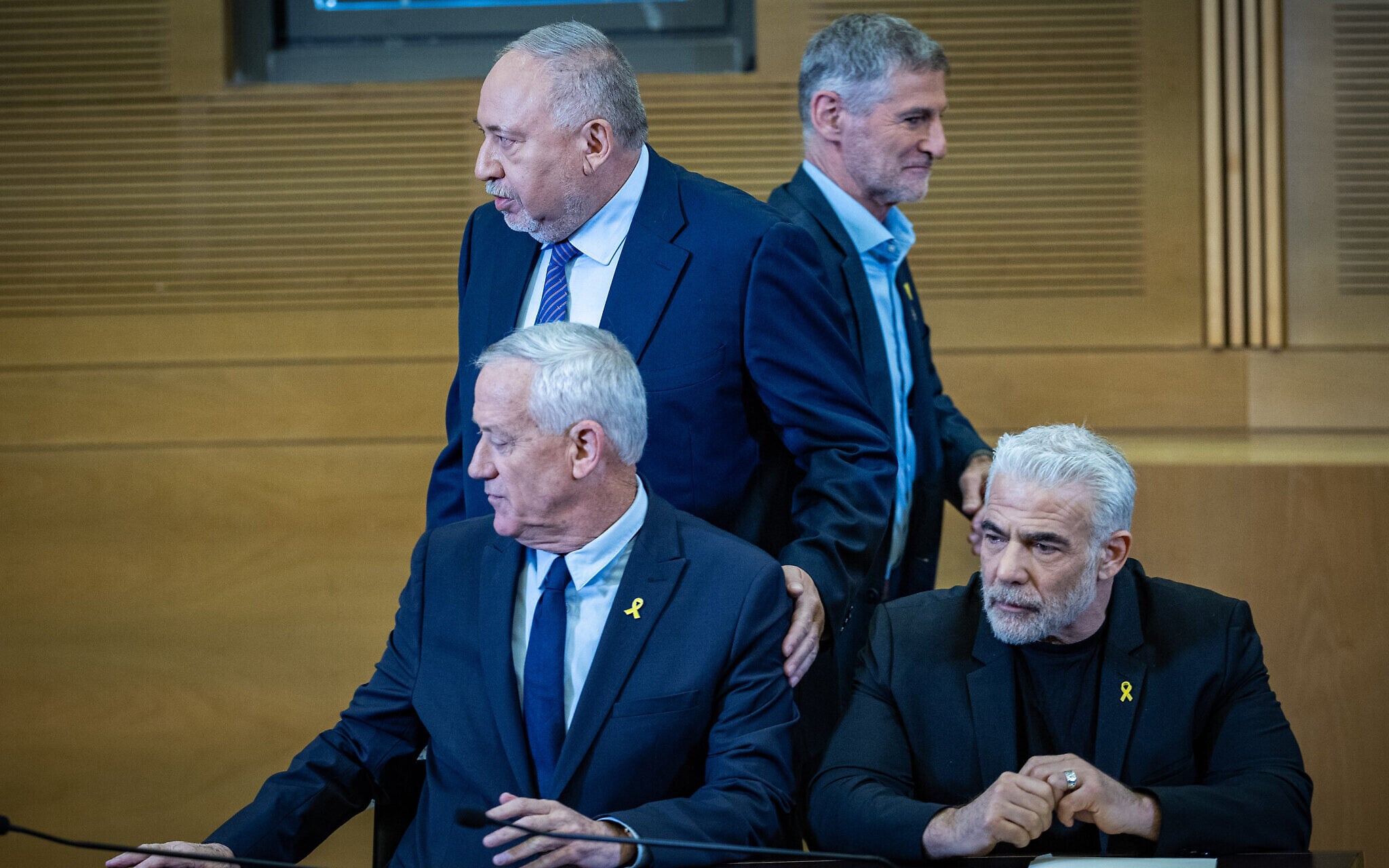
Meanwhile, respondents awarded Opposition Leader Yair Lapid ten seats — up from seven in last week’s poll. Maariv attributed the spike in support to Lapid’s staunch support for a hostage deal.
Yesh Atid’s fellow Zionist opposition parties — The Democrats, led by dovish former deputy IDF chief Yair Golan and Yisrael Beytenu, led by hawkish veteran lawmaker Avigdor Liberman both polled at 10, the same number they received in last week’s poll.
Blue and White, led by centrist former IDF chief Benny Gantz again failed to cross the election threshold, with Gantz’s support dropping from 3% to 2.3% of respondents.
Former IDF chief Gadi Eisenkot, who broke off from Gantz’s party and quit the Knesset, would win eight seats with his new “Yashar!” party — up from seven seats last week.
In total, the Zionist anti-Netanyahu bloc led by Bennett, Lapid, Golan, Liberman, Gantz and Eisenkot would win 57 seats — four seats short of being able to form a government on their own.
Also receiving five seats was HaMiluimnikim (“The Reservists”), a party advocating for reservists’ rights and ultra-Orthodox military service, led by Communications Minister Yoaz Hendel, who has declined to say whether he would join a Netanyahu government.
Five seats each, like last week, would also go to Ra’am, an Islamist Arab party that joined the short-lived “change government” led by Bennett and Lapid in 2021-2022; Hadash-Ta’al, an alliance of the binational communist party Hadash and secularist Arab party Ta’al.
Israel’s next parliamentary election is set to be held in October 2026, but could take place before then if the current government falls. Both Smotrich and Ben Gvir have threatened to topple the government in case of a permanent ceasefire in Gaza.
The war in Gaza erupted after the October 7, 2023, Hamas massacre in southern Israel that killed some 1,200 people and saw another 251 taken hostage.
The survey was conducted by the Lazar Research Institute, led by Menachem Lazar, in cooperation with the Panel4All polling platform. The sample size was 500 and the margin of error was +/- 4.4%, according to Maariv.







The Times of Israel Community.