

Oil prices ease after Iran says US contacts continue through mediators
Crude scales back gains after reaching $91 a barrel, as Tehran says diplomatic exchanges remain active despite escalating conflict; US gas prices cross $4 mark
 Add ToI as a Preferred Source on Google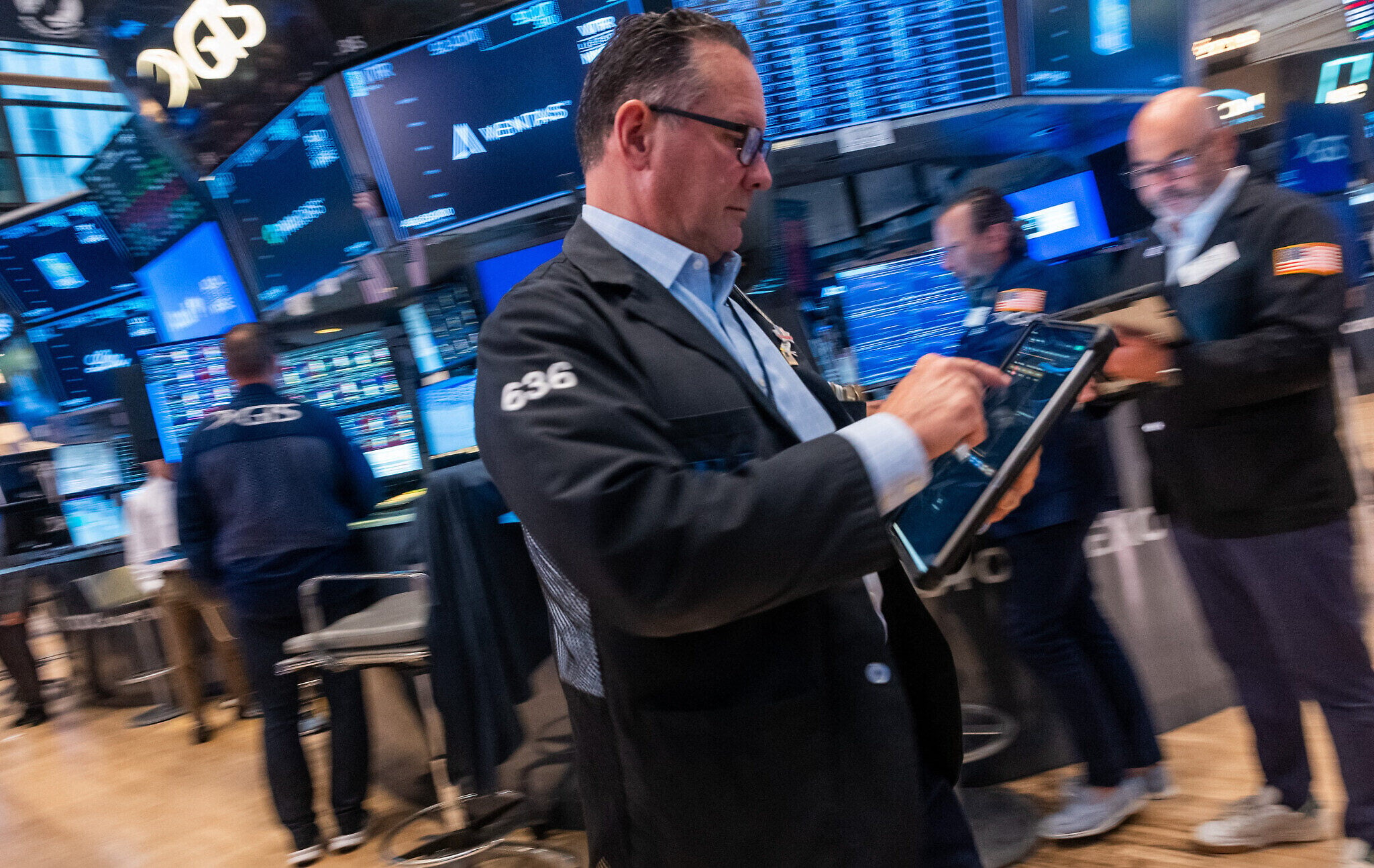
Oil scaled back gains after hitting its highest price in a month on Monday as Iran said diplomatic exchanges with the United States were ongoing via mediators despite renewed conflict in the Middle East.
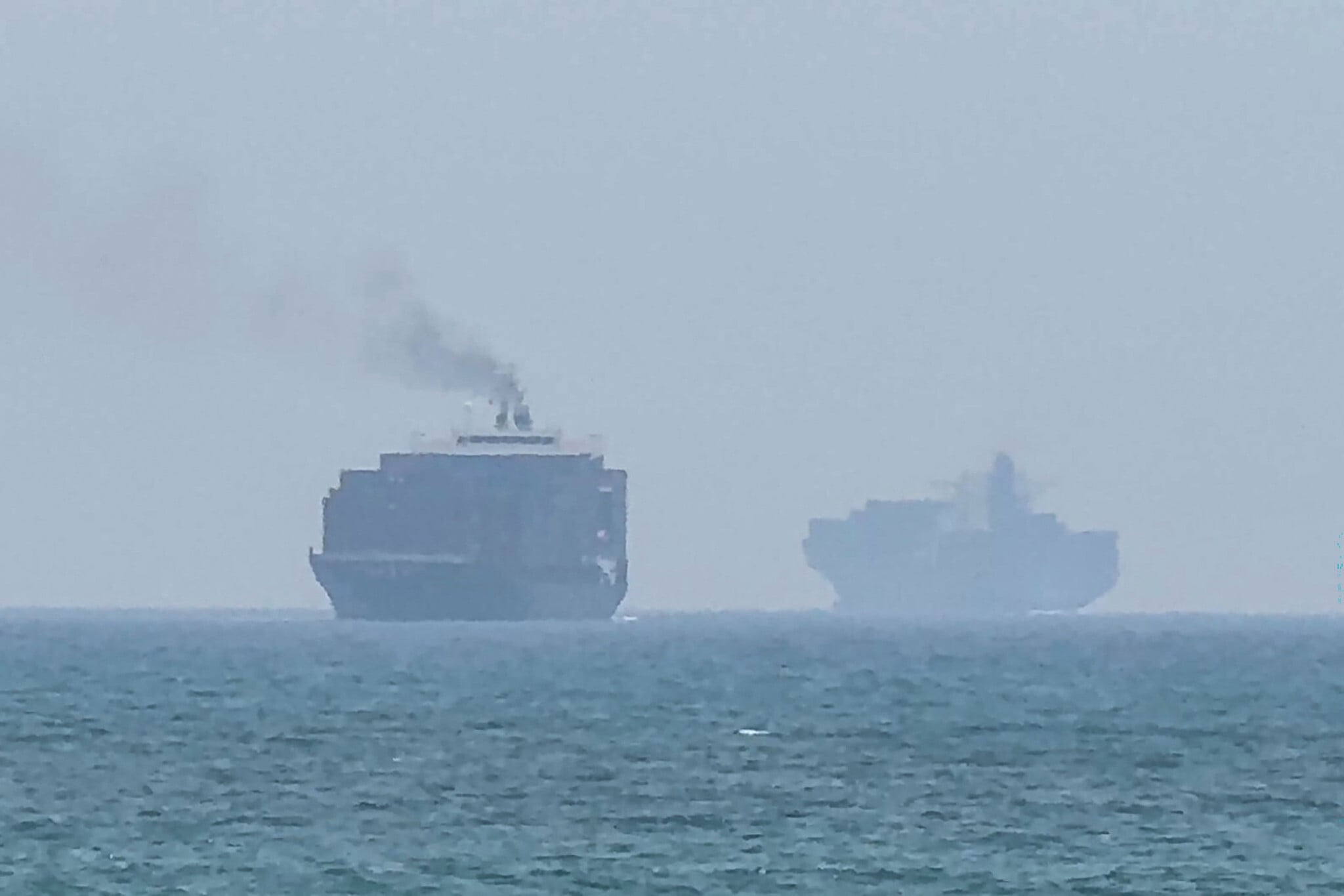
Crude has surged over the past week as Washington and Tehran traded fire, raising fears of a sustained disruption in the Strait of Hormuz.
Before the Iran war, about 20 percent of global oil supplies flowed through the strait.
Both Brent crude and US benchmark West Texas Intermediate extended their gains after climbing more than 4% at the end of last week. Brent was trading at $89 a barrel after rising above $91, its highest price since June 11.
The latest moves came after Iran indicated that diplomacy with Washington was continuing through mediators, even as it struck Gulf targets and was targeted by US strikes.
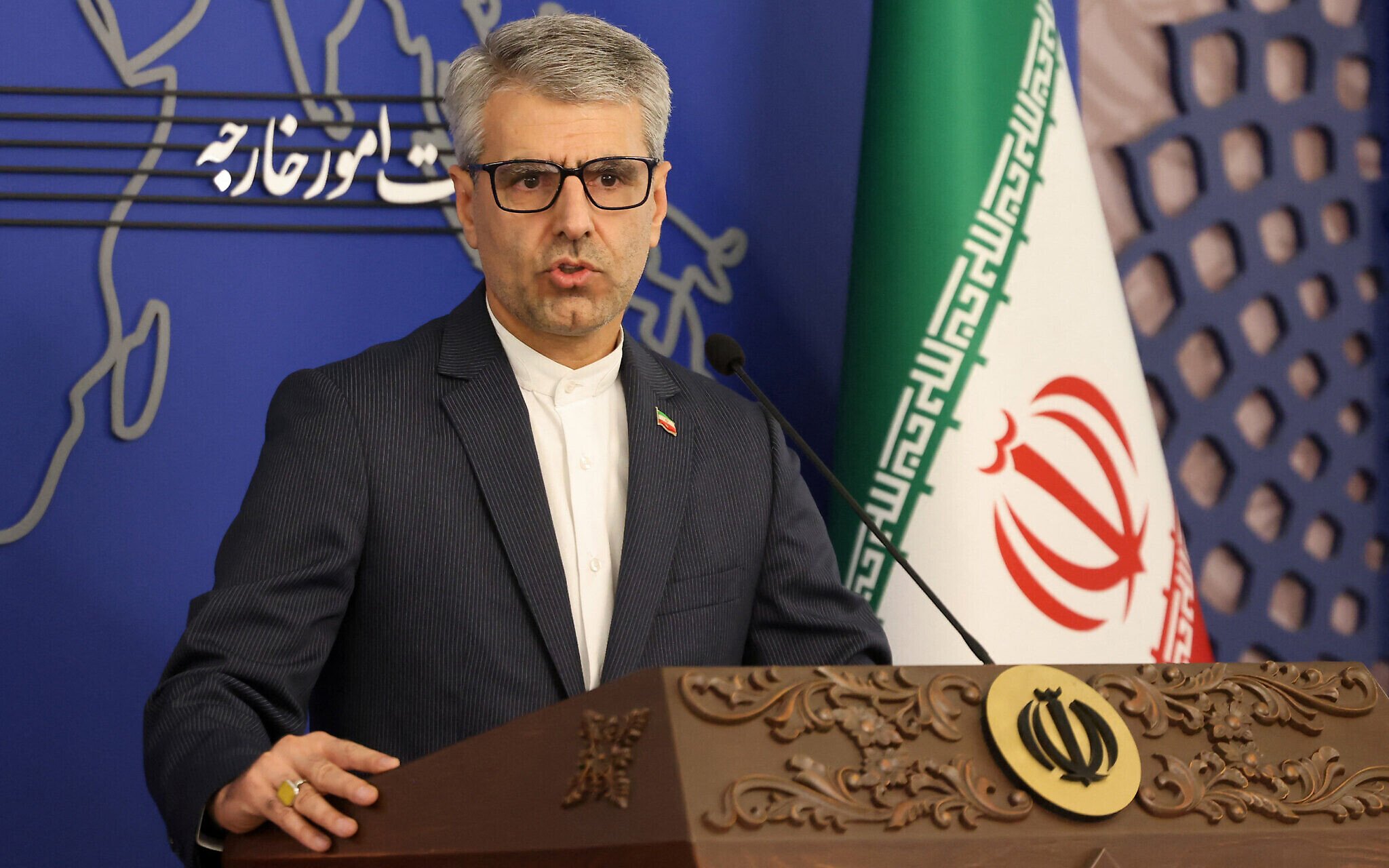
“We have received messages — without going into details — but the main point is that the diplomatic apparatus has been active in recent days and ideas have been conveyed to us by certain mediators,” Iranian foreign ministry spokesman Esmaeil Baghaei told a news conference in Tehran.
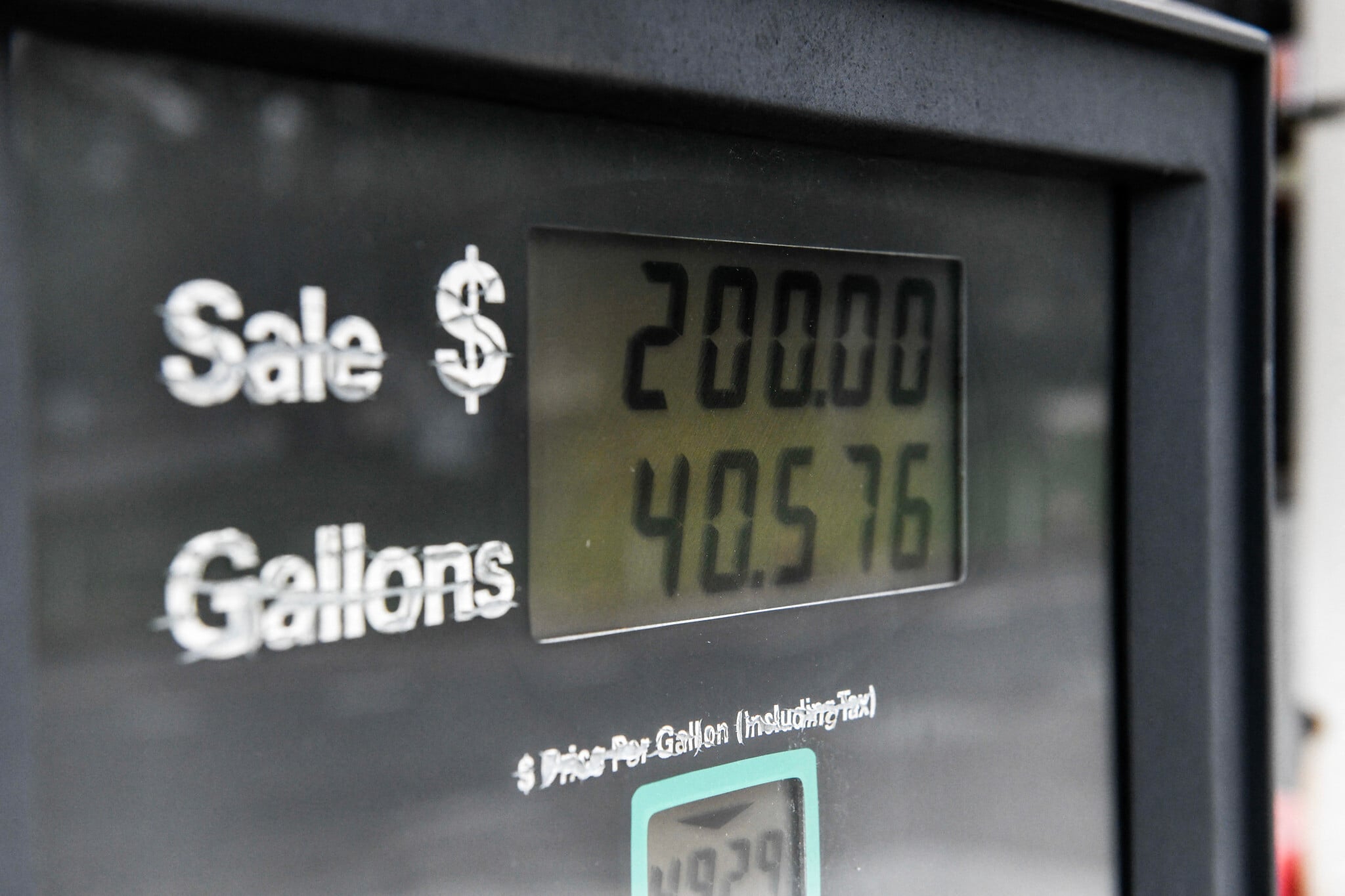
Meanwhile, US gasoline pump prices crossed the $4 a gallon mark. National average retail gasoline prices have climbed more than 30% since the US and Israel attacked Iran at the end of February. The average pump price on Monday was $4.0030 a gallon, according to data from the American Automobile Association.
The $4 per gallon mark, a price point of financial pain for many households, was last reached in late March, after Iran halted traffic through the Strait of Hormuz. Prices retreated below that threshold in June after the US and Iran signed a memorandum of understanding to end the war, which has now collapsed.
High pump prices have become a political flashpoint for US President Donald Trump and his Republican Party, which will soon be campaigning to hold onto thin majorities in the US Congress in November midterm elections.
Higher crude prices have revived concerns that inflation could remain elevated and complicate the path to lower interest rates, but some analysts argue the broader economic backdrop is becoming more supportive.
“Markets are once again being forced to trade two seemingly contradictory stories on the same screen,” said Stephen Innes of SPI Asset Management.
While the renewed rise in oil prices has injected a fresh geopolitical risk premium into markets, he said cooling underlying US inflation and a softer labor market suggested the energy shock would not necessarily trigger a new cycle of broad-based inflation.
Instead, the biggest risk would come if elevated oil prices persist long enough to erode household spending and weigh on economic growth.
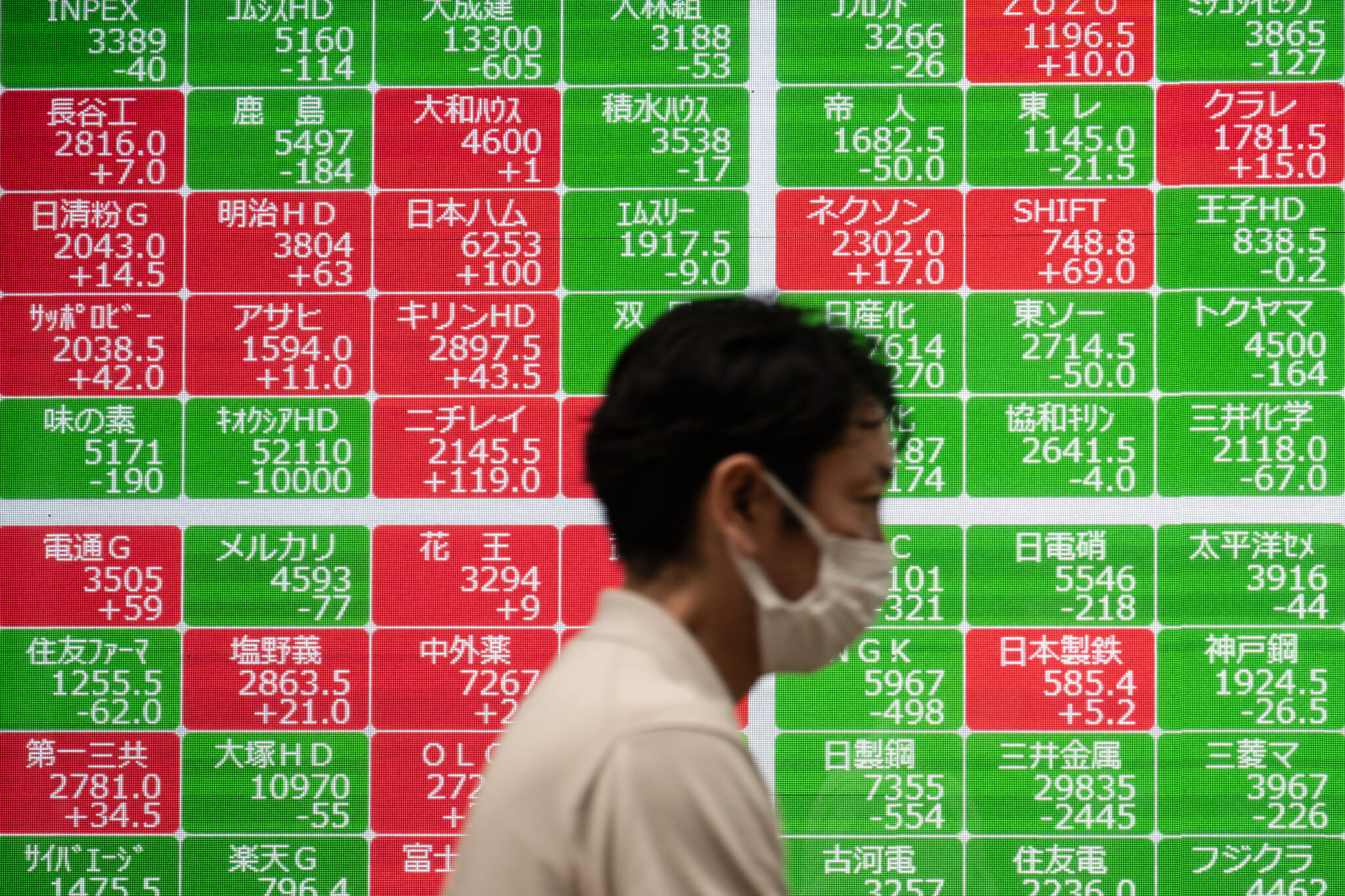
In Asia, the market was mixed.
Chinese markets outperformed as investors extended a recent rally on expectations Beijing will unveil further measures to support the economy after last week’s economic data.
Hong Kong added more than 2%, while Shanghai ended the day’s trade in the green. Manila and Jakarta edged higher.
Caution prevailed elsewhere.
Seoul closed 4.46% down. Taipei was down, as was Sydney, Mumbai, Bangkok, Singapore and Kuala Lumpur.
London was in the red, while Paris and Frankfurt edged up.
The mellow performance followed another weak session on Wall Street, where all three major indexes finished lower on Friday as investors continued to rotate out of technology shares while keeping a close watch on developments in the Gulf.
Adding to worries about tech, Chinese startup Moonshot AI released on Friday a model that experts said could rival some of the more advanced offerings from US labs.
“Having had the weekend to digest the launch of Moonshot’s Kimi K3 model and its potential implications for the pricing power of the major US AI labs… markets appear to be taking a more measured view,” said Chris Weston, head of research at Pepperstone.
Gold eased despite the geopolitical uncertainty, falling 0.25%, while silver advanced a little over 1%.






The Times of Israel Community.