

One of the earliest mosques in the Holy Land unearthed in Bedouin city of Rahat
The rural, open-air mosque dates to just after the Arab conquest in 636 CE and adds wealth of knowledge about an empire transitioning from Christianity to Islam
 Add ToI as a Preferred Source on Google
Deputy Editor Amanda Borschel-Dan is the host of The Times of Israel's Daily Briefing, What Matters Now and The Reel Schmooze podcasts, and heads up The Times of Israel's features.
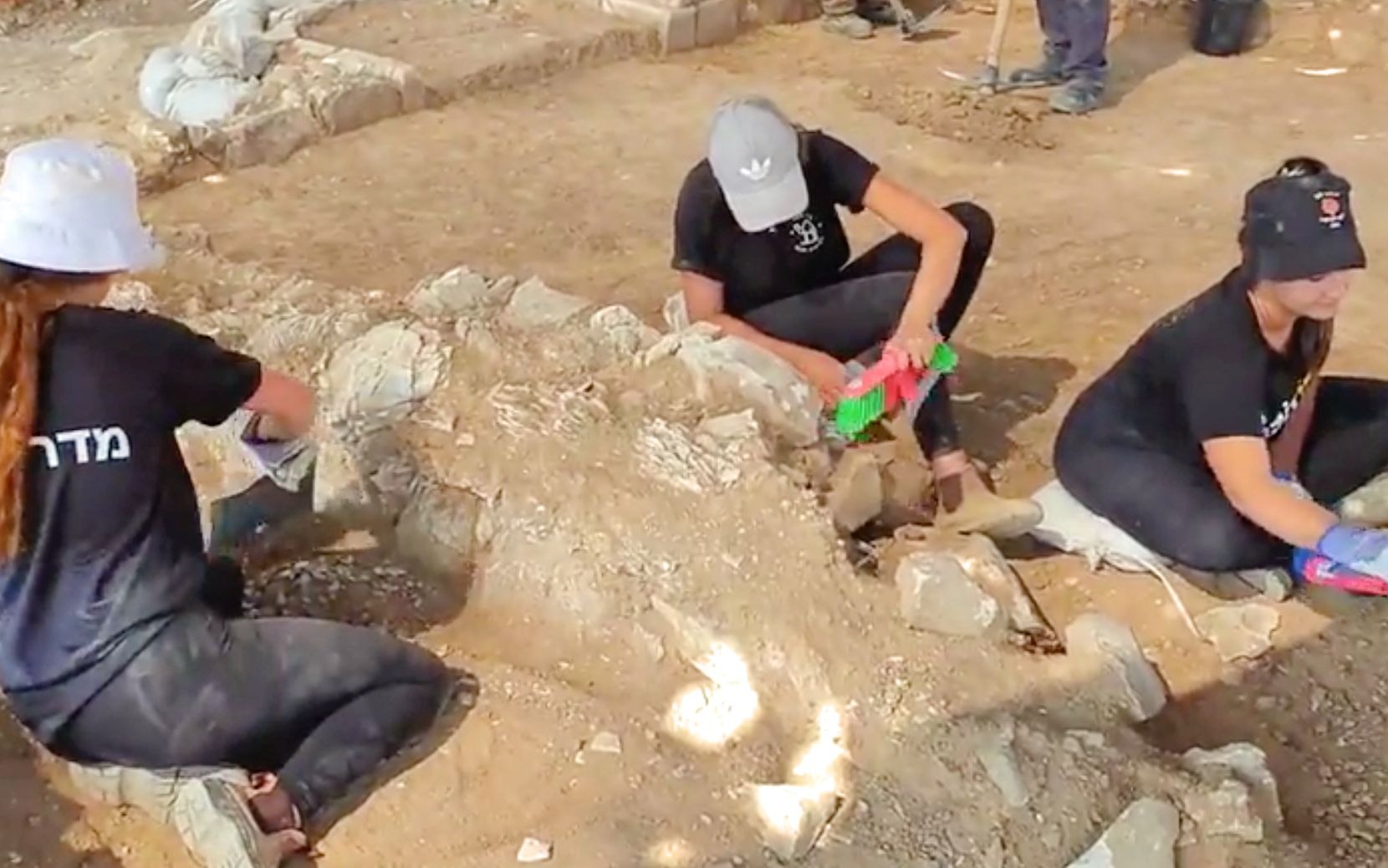
A rare, very early rural mosque was unearthed during recent archaeological excavations in the southern Israel Bedouin city of Rahat. The open-air mosque is dated by Israel Antiquities Authority archaeologists to circa 7th-8th century CE and is one of the earliest known examples in the world, according to an IAA press release on Thursday.
According to IAA expert on early Islam Prof. Gideon Avni, “This is one of the earliest mosques known from the beginning of the arrival of Islam in Israel, after the Arab conquest of 636 CE.”
Also discovered at the site, excavated ahead of construction of a new neighborhood, were the remains of a large farm house dating to the end of the Byzantine era, circa 6th–7th century CE, as well as a number of other buildings which indicated an early Islamic agricultural community, according to excavation co-director Shahar Zur.
Zur said the open-air mosque has a semicircular mirhab, or prayer niche, facing south-southeast, in the direction of Mecca.
Although the Arab conquest took place in 636, Islam only became the majority religion in the 9th century.
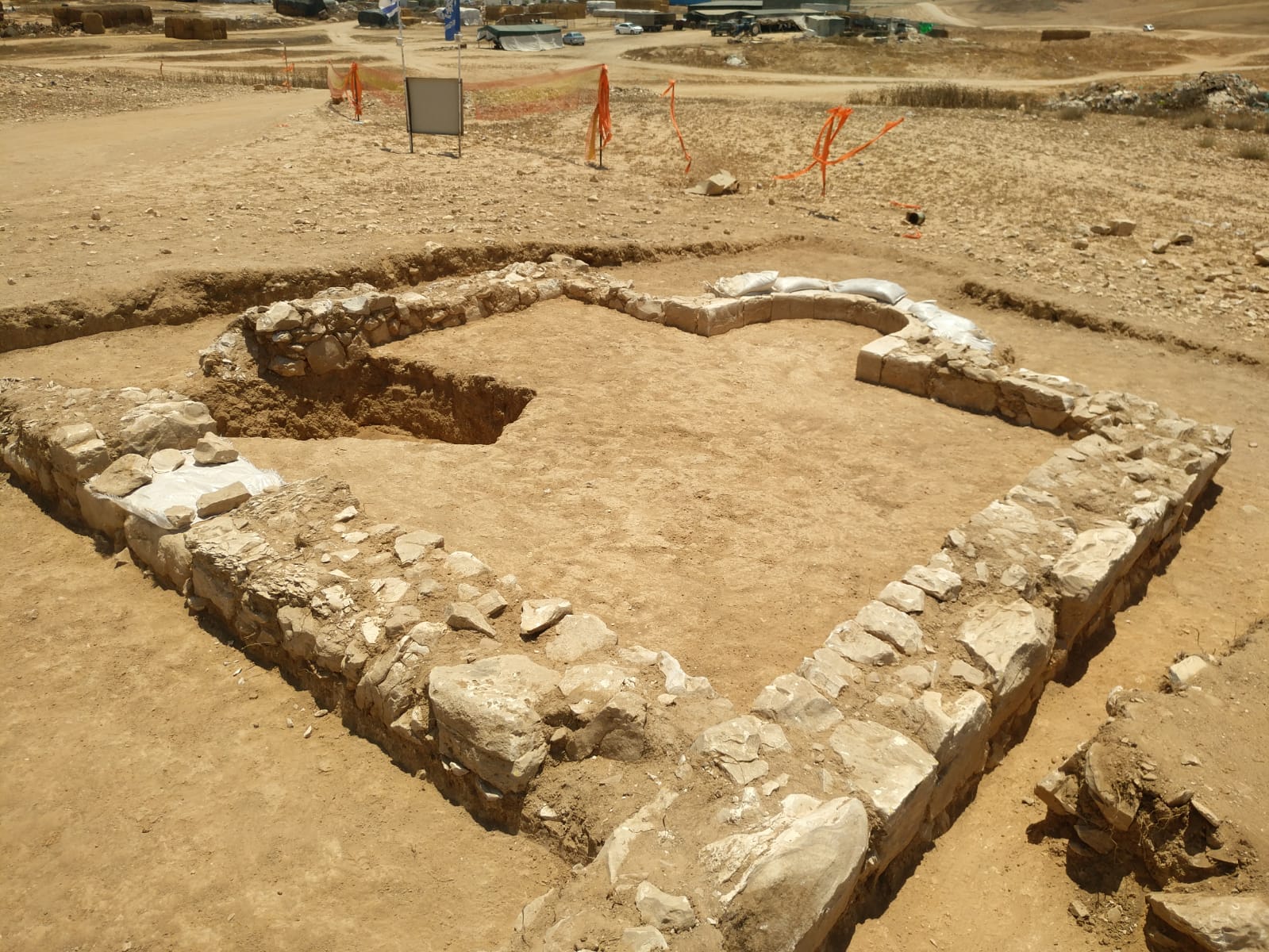
“The discovery of a mosque near an agricultural settlement between Beersheba and Ashkelon… indicates the processes of cultural and religious change which the country underwent during the transition from the Byzantine to the early Islamic period,” said Avni.
The excavations were co-directed by Dr. Jon Seligman and Zur, who said in the press release that while other mosques from the era are known to scholars, they served large cities such as Jerusalem or Mecca.
https://cdn.jwplayer.com/previews/maM3nkcq-U4CTA3JQ
“A small rural mosque, dated to the 7th to 8th centuries CE, is a rare finding anywhere in the world, especially in the area north of Beersheba, where no similar building has previously been discovered. From this period there are large known mosques in Jerusalem and in Mecca, but here we have evidence of an ancient house of prayer, which seems to have served the farmers who lived in the area,” said the archaeologists.
In addition to the mosque, other remains of large buildings were discovered. The structures were divided according to their various purposes, including living rooms, open courtyards, storage space and food preparation, including open-air ovens, or tabouns, for baking.
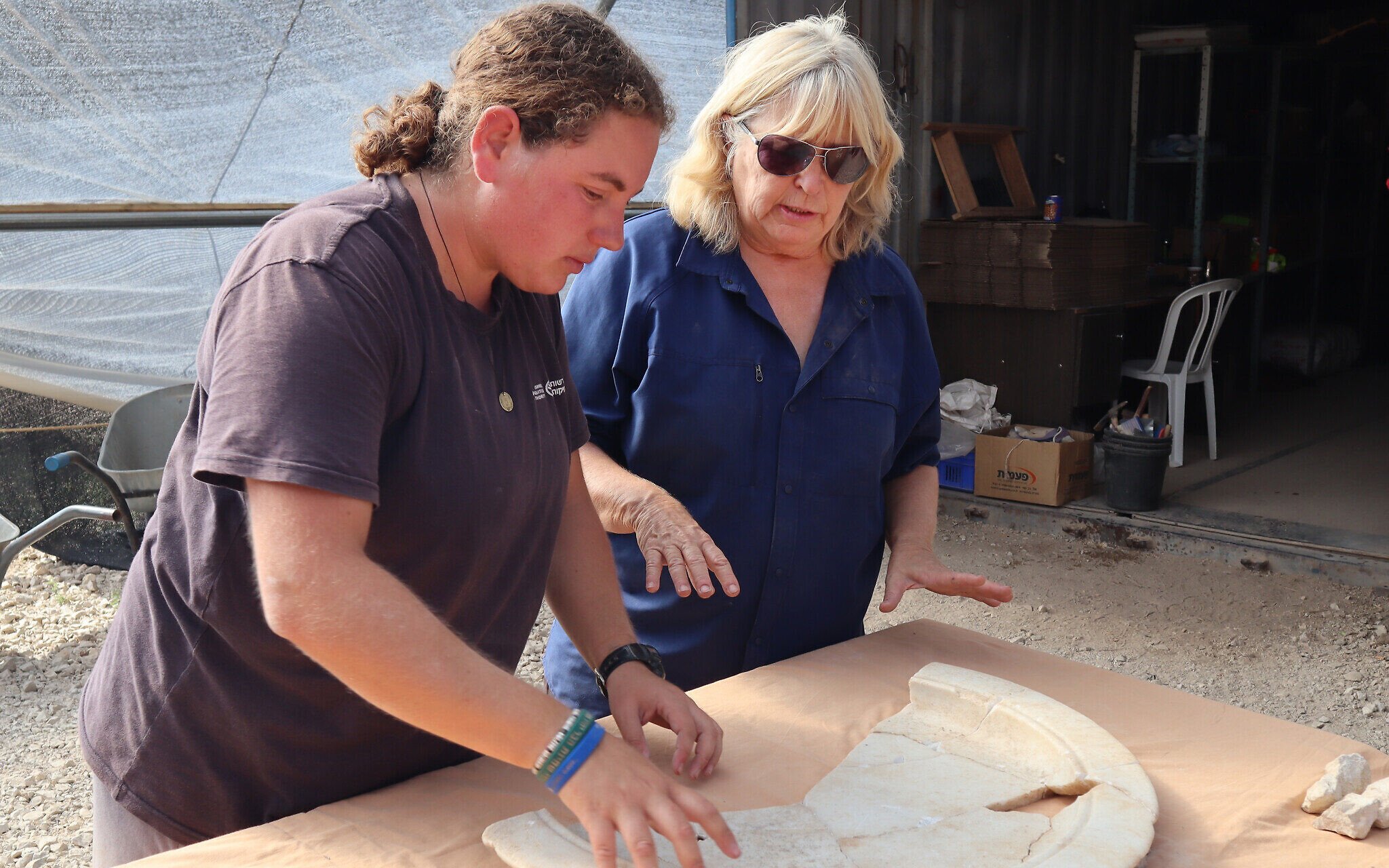
IAA archaeologist Dr. Tali Erickson-Gini said the archaeological evidence shows activity from the middle of the 7th century — just after the Muslim conquest.
“We see storage vessels which would be necessary for a place such as this,” she said, some of which could be very large and potentially used for water storage, a necessary item in the arid yet fertile Negev.
According to the excavation directors, “These sites were part of the agricultural structure in the Northern Negev in ancient times. The soil was suitable for growing grains, and the groundwater in the perennial streams attracted settlers who wanted to cultivate the land.”
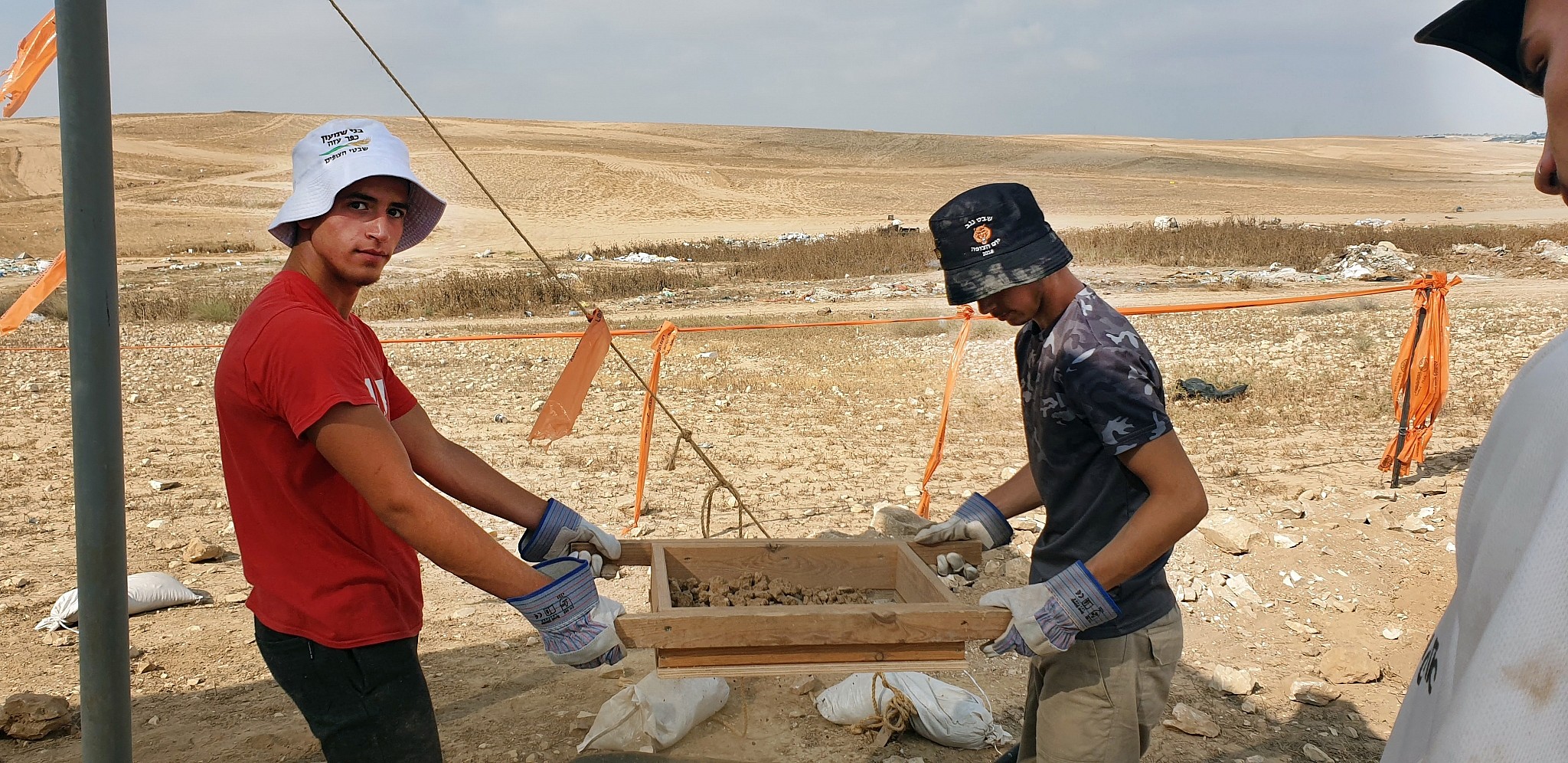
The site was dug with the help of local youth and Rahat residents. Rahat is the largest permanent Bedouin settlement in the world and was recognized by the State of Israel as a city in 1994.
The inclusion of local youth from Meitar, Gvaot Bar and Beit Kama was facilitated by the IAA’s Legacy Project, which allows groups on summer vacation to “earn a fair wage, get into touch with the past, and gain experiences that will last a lifetime,” according to the press release.
The excavation is financed by the Authority for Development and Settlement of the Bedouins in the Negev, and the Emek Ayalon Infrastructure & Projects Management Ltd (2000).
According to the press release, the relevant bodies are “examining possible ways in which this special finding can be integrated into the new neighborhood which is about to be built in the city.”





The Times of Israel Community.