

Opposition heads pledge safety net for Trump plan, while vowing to topple government
All six main leaders of anti-Netanyahu ‘change bloc’ meet for first time to coordinate efforts, call for ousting PM as soon as upcoming Knesset winter session
 Add ToI as a Preferred Source on Google
Sam Sokol is a former political correspondent at The Times of Israel. He was previously a reporter for the Jerusalem Post, Jewish Telegraphic Agency and Haaretz. He is the author of "Putin’s Hybrid War and the Jews"
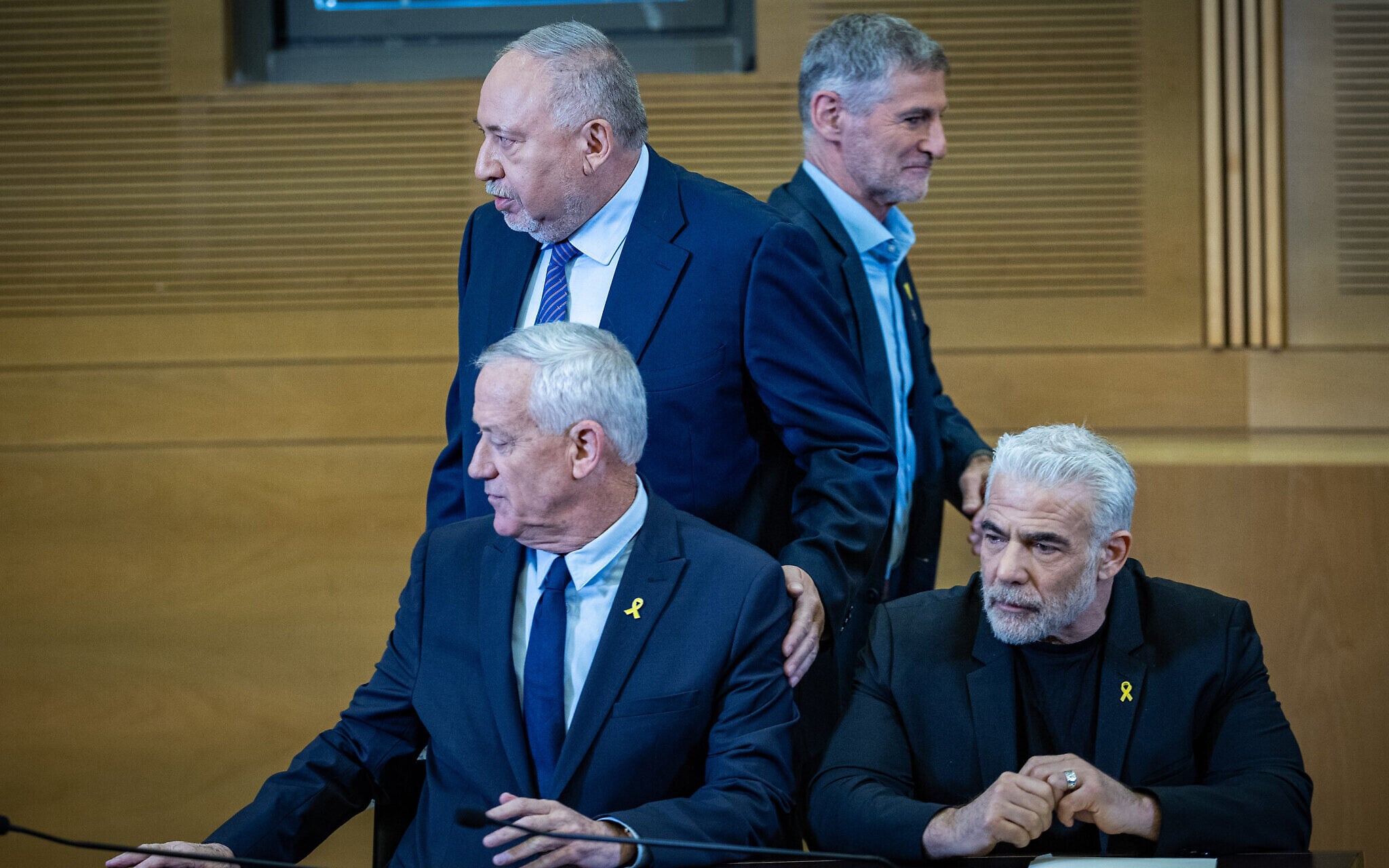
The leaders of the so-called change bloc met Wednesday and called on Prime Minister Benjamin Netanyahu to implement US President Donald Trump’s proposal to end the war in Gaza and return the hostages, rallying behind Opposition Leader Yair Lapid’s offer of a political “safety net” to ensure Israeli backing.
The bloc is an alliance of right-wing, centrist and left-wing parties that seek to oust Netanyahu and his hard-right coalition, and have been working on creating a mechanism for coordinating their efforts to show the public that they can provide a workable alternative.
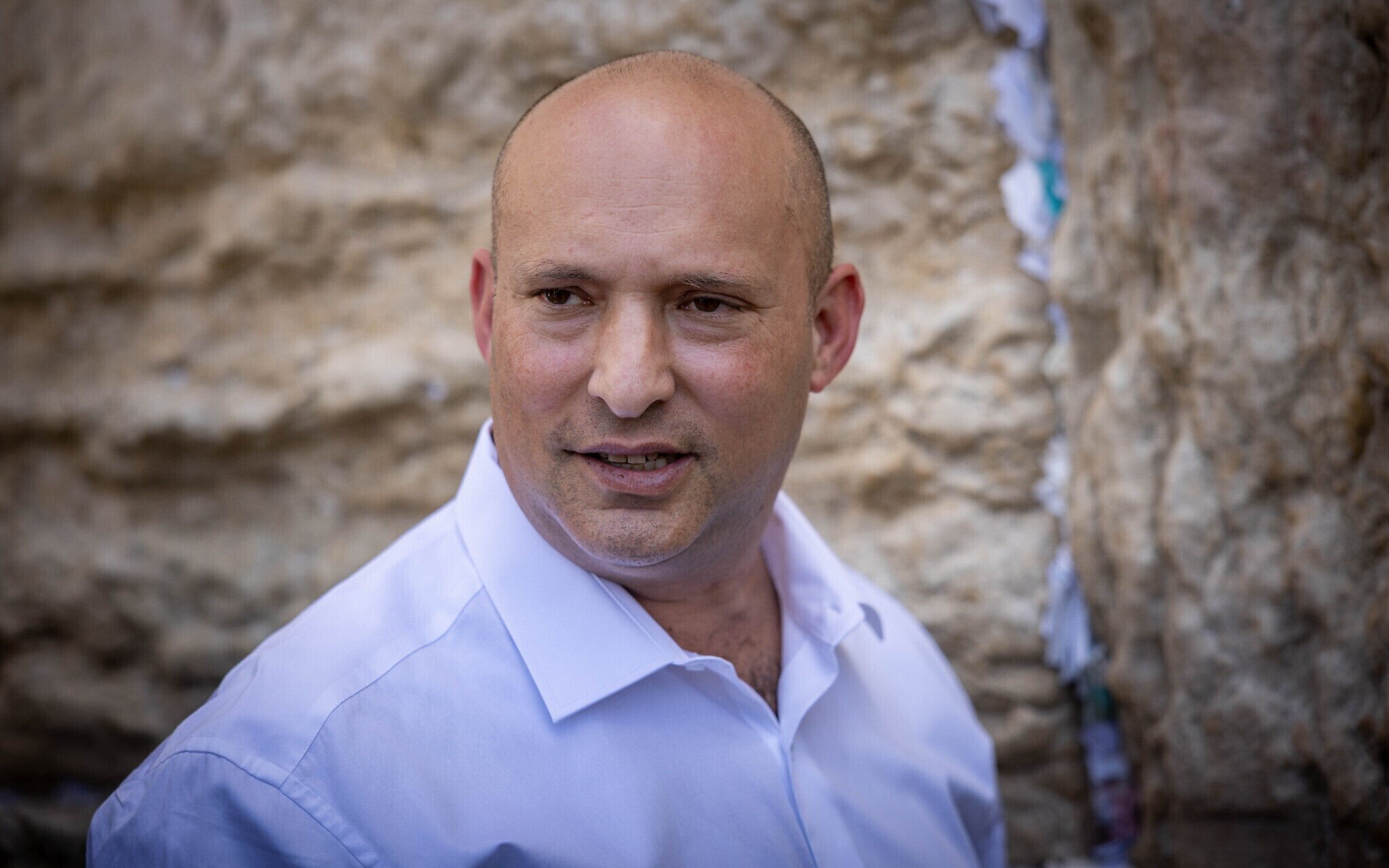
It comprises Lapid, former prime minister Naftali Bennett, Blue and White-National Unity chief Benny Gantz, Yisrael Beytenu party chairman Avigdor Liberman, “Yashar! With Eisenkot” chief Gadi Eisenkot, and The Democrats head Yair Golan. Bennett and Gantz had stayed away from a previous meeting last month.
Though they are aligned with the bloc, Bennett and Gantz haven’t expressly stated they won’t sit in a government led by Netanyahu.
Bennett is not currently serving in the Knesset, but his new party, dubbed Bennett 2026, consistently finishes at or near the top of opinion polls, alongside Netanyahu’s Likud.
In a joint statement, the leaders of the bloc said that they had discussed “coordinating moves to bring down the government as early as the upcoming winter [parliamentary] session and establish a government of repair and healing in Israel.”
The Knesset began the current, nearly three-month-long, recess on July 27. It will reconvene on October 19.
“The party leaders called for the implementation of President Trump’s plan to return all 48 hostages and emphasized their proposal for a safety net for the deal,” the statement added.
Lapid earlier this week reiterated a longstanding offer to give the premier political backing for a deal, stating that he was willing to agree on a date for the next elections and to provide the premier with “insurance against his extremist and irresponsible partners,” a reference to far-right National Security Minister Itamar Ben Gvir and Finance Minister Bezalel Smotrich, and their threats to bring down the government over a deal that would end the war.
The change bloc also said that a follow-up meeting had already been scheduled, but their statement did not specify when. The participants did not issue a photograph of their session.
Following a meeting attended by most, but not all, of the leaders of the bloc last month, it was announced that they would establish a “permanent forum” aimed at bringing together the various anti-Netanyahu factions.
They also stated at the time that they would create a “professional body” that would deal with formulating “the basic guidelines of the next government,” such as imposing prime ministerial term limits, the adoption of a national constitution, defending the independence of the judicial system, enshrining universal military conscription, and “preserving the character of the State of Israel as a Jewish, democratic and Zionist state.”
According to national broadcaster Kan, Gantz and Bennett, who both missed the earlier gathering, agreed on Wednesday to send representatives to the group.
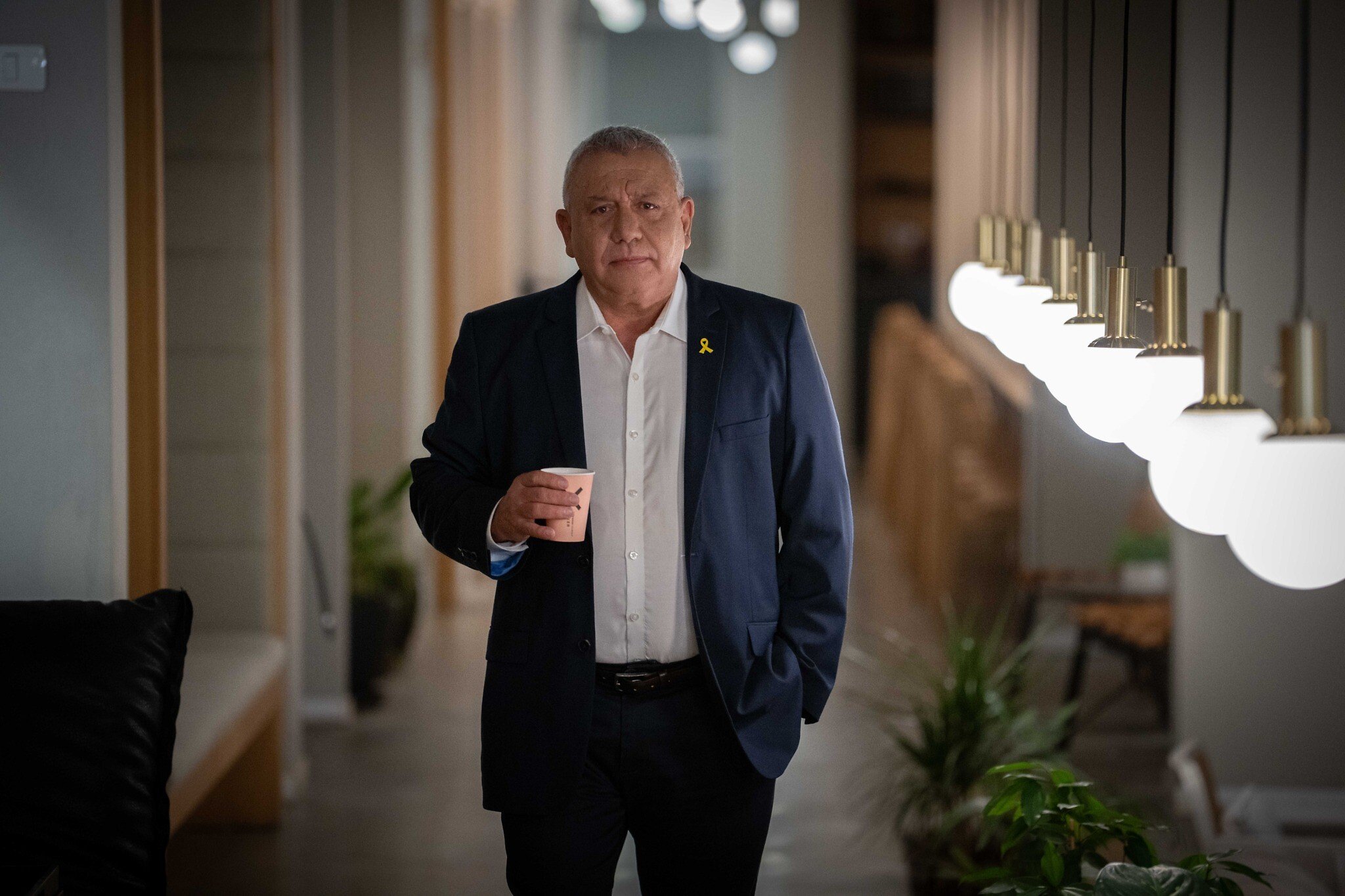
However, the bloc appears to be less in sync than its joint statements may indicate, with a report saying Eisenkot complained ahead of Wednesday’s meeting that the opposition was not united in terms of “ideas nor in understanding who will lead.”
“The purpose of these meetings is to establish common guiding principles, as well as rules for selecting the leader,” but each party leader sees himself as a candidate for prime minister, Channel 12 quoted Eisenkot as saying during a private gathering last week.
While Bennett leads in the polls, Liberman presented himself as a candidate for prime minister in an interview with the Ynet news site this week. Liberman has come under fire from Gantz, who has criticized him for ruling out sitting in a government with either Netanyahu or the Islamist Ra’am party.
Despite announcing the formation of his own political party, Eisenkot reportedly still hopes to unite with other opposition factions ahead of the next parliamentary election.
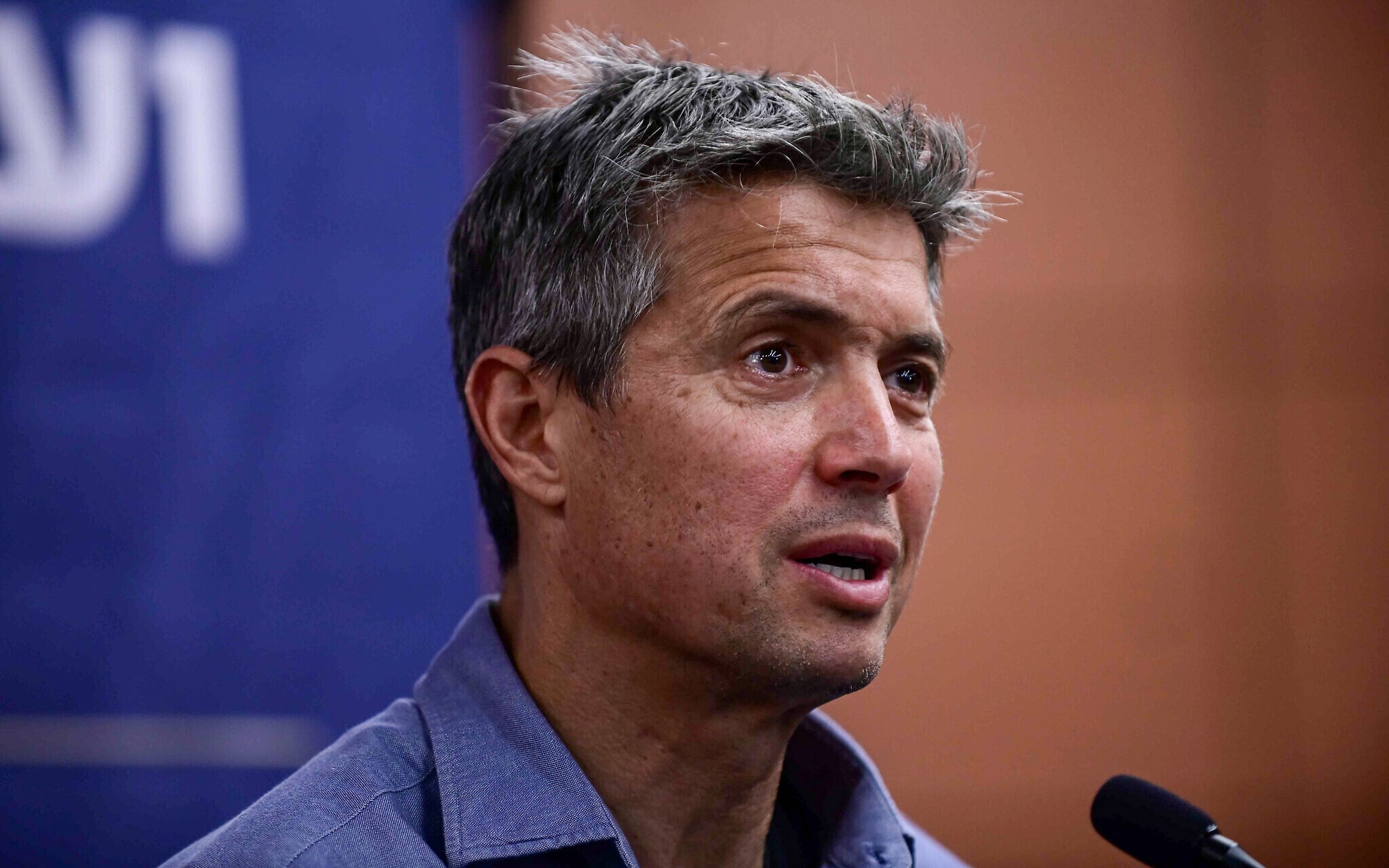
According to Kan, Eisenkot believes that establishing his own party will allow him to maintain political momentum and plans on holding off on any final decision regarding a merger until the last moment. Both Lapid and Bennett were said to be still eyeing a union with Eisenkot.
Absent from the meeting was former communications minister Yoaz Hendel, who recently announced the registration of a new political party he is calling HaMiluimnikim (“The Reservists”), which will run in the next Knesset election “between the blocs” — refusing to align with either Netanyahu’s bloc or the rival change bloc.
Following Wednesday’s meeting, Hendel’s party released a statement asserting that the division of Israelis into rival blocs was “tearing us apart from the inside” and that “to save Israel, we must not allow the parties to once again force citizens to choose between governments that necessarily rely on non‑Zionist parties.”







The Times of Israel Community.