

Palestinian Authority’s Abbas calls first-ever direct PLO parliament elections
PA leader sets November 1 date for vote on members of the Palestinian National Council, says ballots will also be cast abroad
 Add ToI as a Preferred Source on Google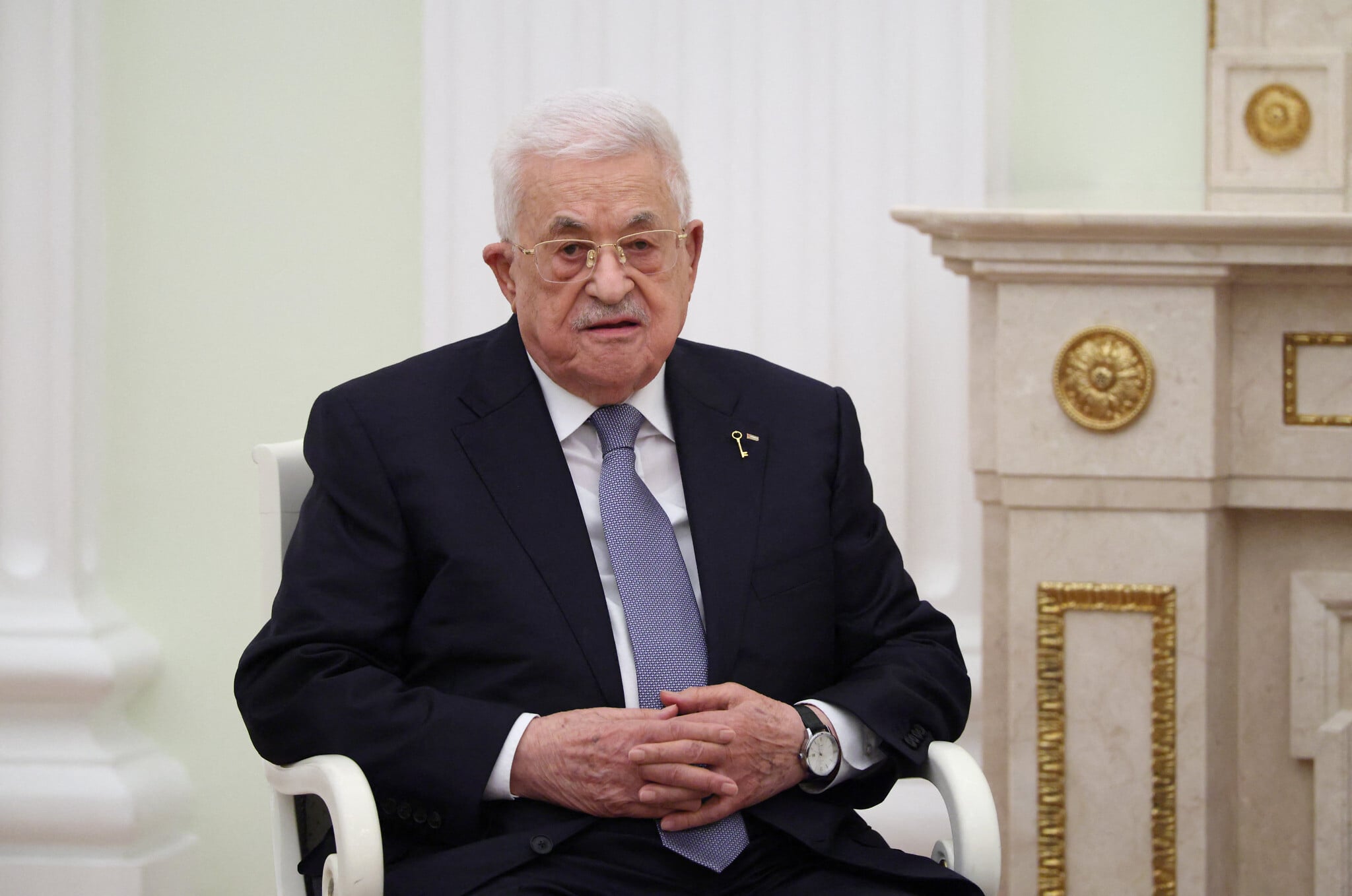
Palestinian Authority President Mahmoud Abbas said Monday that elections will be held on November 1 for the Palestinian National Council, the parliament of the Palestine Liberation Organization (PLO), the PA’s official news agency Wafa reported.
This is the first time members of the council will be elected by direct popular vote. In the past, they were appointed or co-opted from within the movement.
Abbas, who is president both of the Palestinian Authority and of the PLO, issued a decree saying: “Elections will be held wherever possible, both inside and outside Palestine, to ensure the broadest possible participation of the Palestinian people wherever they reside.”
The PNC is one of several largely dormant political bodies controlled by Abbas.
The PLO is supposed to be the overarching umbrella body representing Palestinians worldwide, whereas the PA is supposed to be a transitional administrative body providing services for Palestinians in the West Bank and Gaza.
Abbas has announced elections for the different political bodies he controls, but those have not always been held for a variety of reasons.
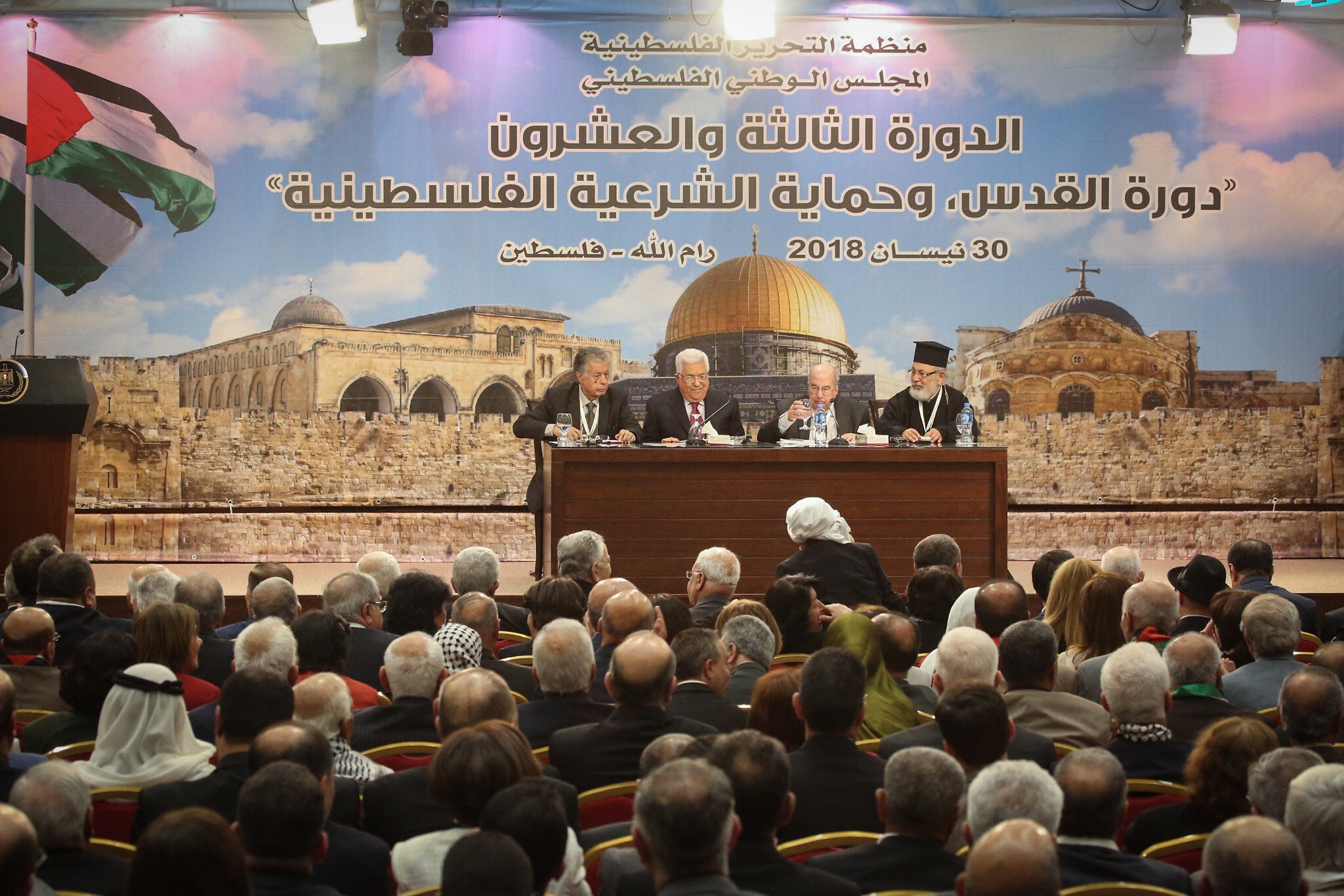
Even if a PNC election is held in November, the body is very rarely convened by Abbas. The last session it held was in 2018. The last PNC election, which was not open to all voters, was in 2006. The terror groups Hamas and Palestinian Islamic Jihad, which are not members of the PLO, are not represented in the council.
While dubbed the parliament of the PLO, the PNC’s main role is to elect the more powerful PLO Executive Committee. The actual parliamentary body for Palestinians in the West Bank and Gaza is called the Palestinian Legislative Council, which has not convened since 2007, when splits between Abbas’s Fatah party and Hamas rendered the body inoperative.
Analysts say the more consequential development in Palestinian politics will take place in May, when Fatah holds its eighth General Conference. During that gathering, a vote will be held to fill the party’s powerful central committee, with many of Abbas’s confidants vying for spots.
Many of those individuals will then be poised to hold positions on the PLO Executive Committee.
Hamas seized control of the Gaza Strip from the West Bank-based PA in 2006, and the two sides have remained at odds ever since.
Last week, Abbas signed a decree that will likely prevent Hamas and other like-minded factions from participating in PA municipal elections slated for April.
The election law amendment announced by the PA’s central election committee will require all candidates to sign a statement accepting the Palestine Liberation Organization’s “national program” — an apparent reference to the PLO’s resolutions, which include the recognition of Israel, the renunciation of terrorism, and the pursuit of a two-state solution.
Hamas, the Popular Front for the Liberation of Palestine and other Israeli- and US-designated terror groups seeking to participate in the Palestinian political system have long refused to accept those PLO policies.
While the amendment only applies to municipal elections, analysts speculate that it would likely set a precedent that Abbas would seek to apply to the parliamentary and presidential elections.
Abbas has branded 2026 as “the year of Palestinian democracy,” with the 90-year-old in the 21st year of what was supposed to be a four-year term.




The Times of Israel Community.