

Pandemic has ‘destroyed’ the rights of the dying, Franco-Israeli academic says
Eva Illouz bemoans lack of contact with loved ones during COVID-19 victims’ last days, warns people will have to view ‘themselves as a danger to others’ in virus-stricken world
 Add ToI as a Preferred Source on Google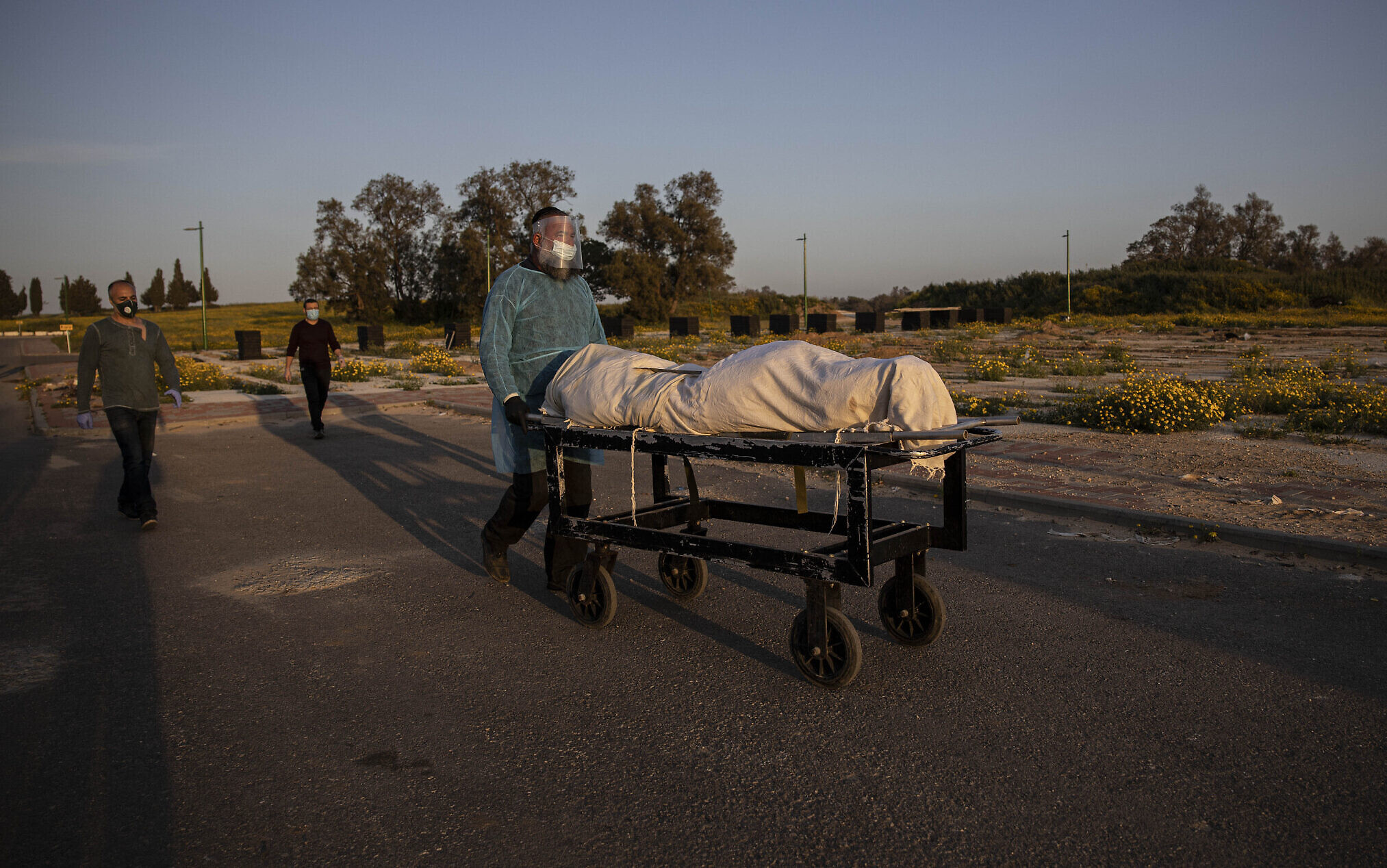
AFP — The coronavirus pandemic has “destroyed” the rights of dying people, renowned Franco-Israeli sociologist Eva Illouz told AFP, lamenting the absence of meaningful human contact in many patients’ final days.
“Think of a patient on a hospital bed: what do they see? They have no contact with their family, they are not accompanied by people who love them,” she said from her home in Jerusalem.
Even the human comfort potentially offered by bedside doctors and nurses is mitigated by protective medical equipment, she said.
“It is as if the patient is being treated by astronauts and loses all human contact through the days when they see death approaching.”
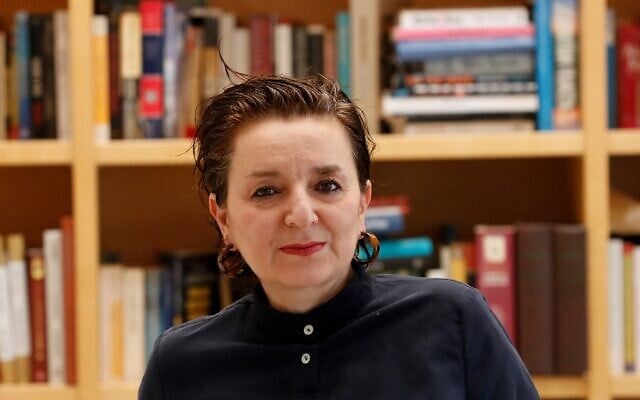
A prominent public intellectual who divides her time between Jerusalem and Paris, Illouz has authored a series of acclaimed works including “The End of Love,” a study of capitalism’s impact on personal relationships, which was published last year.
In an interview, Illouz raised various long-term societal risks brought by the pandemic, but voiced immediate concern for those dying from the virus each day.
The last experiences of those who succumb to COVID-19, she said, amount to “an abysmal fracture in the way of dying.”
‘Ethics of responsibility’
For Illouz, one of the most dramatic developments during the pandemic was how free societies pivoted from valuing individual “talents” and “initiative” to a context where the state “coordinates the actions of all individuals.”
She argued that governments led by women — notably Denmark, Germany, Iceland, Norway and New Zealand — had responded with focused medical interventions and with “no authoritarian drift.”
Israel’s government, led by Prime Minister Benjamin Netanyahu, was for example accused of violating individual liberties after mandating its powerful domestic security agency to monitor COVID-19 patients via their mobile phones.
As many societies begin cautious steps towards easing movement restrictions, Illouz said citizens will have to adopt “a new ethics of responsibility” in the post-containment world.
“We will have to practice transparency,” she said. “Everyone must see themselves as a danger to others. It is the reverse of our traditional ethics.”
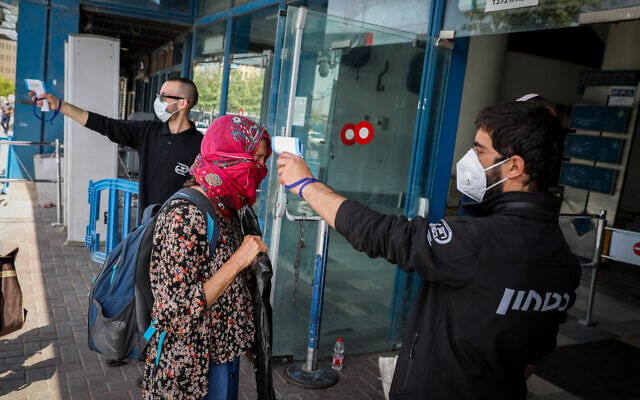
Illouz joined other experts in warning that economically disadvantaged people will continue to face more acute risks as they seek to emerge from confinement.
White-collar professionals will continue to be able to benefit from home-based work and other practices that allow for social distancing, she said.
But there is a risk of forcing lower-income people — who must attend their physical place of work in order to earn income — “to choose between their health end their (economic) survival.”





The Times of Israel Community.