

‘A lifeline’: Gazans rejoice as Rafah Crossing opens for limited pedestrian passage
Gazans welcome the opening as a milestone, although only limited crossings allowed for now; some 50 people expected to cross each way on first day
 Add ToI as a Preferred Source on Google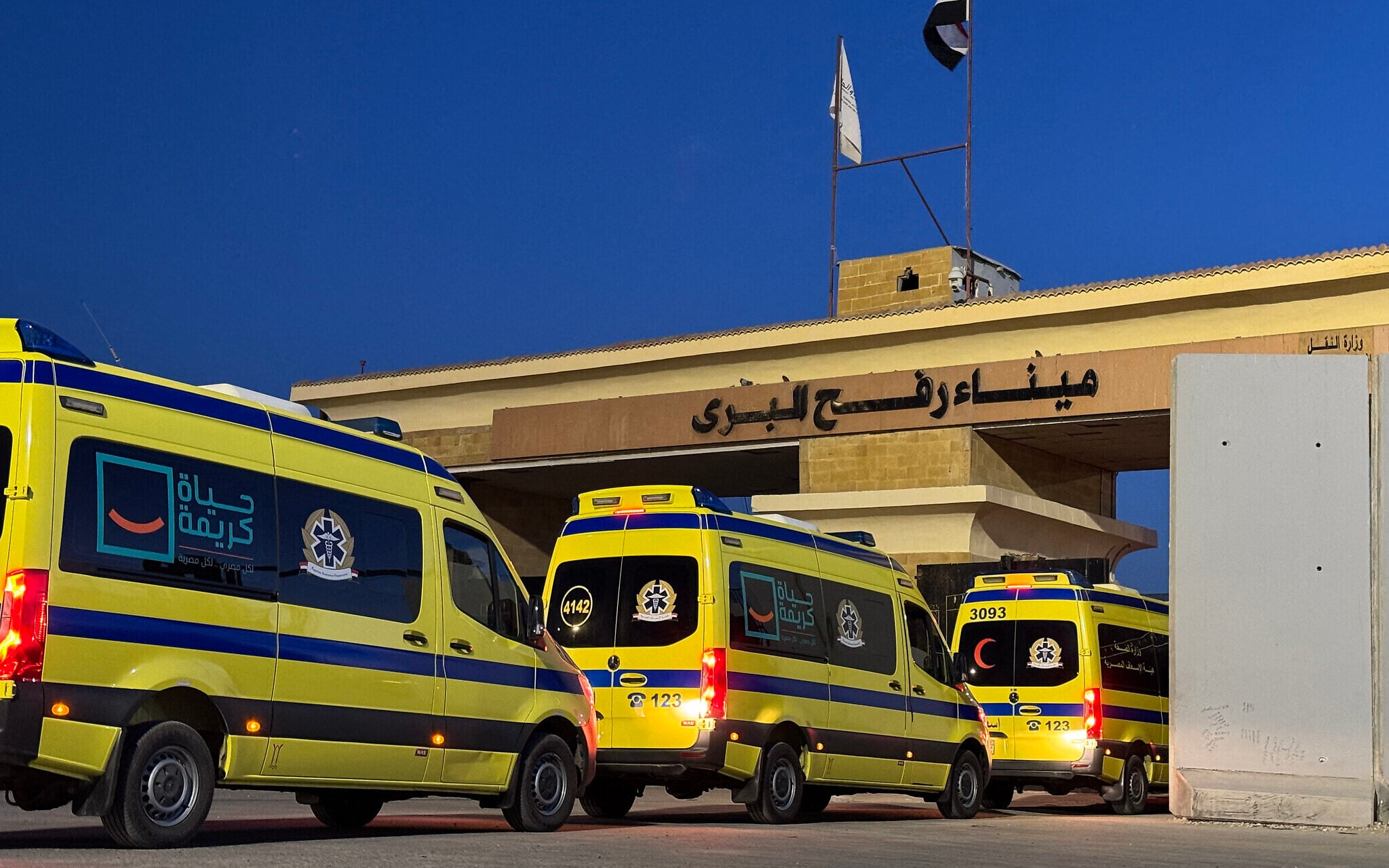
The Rafah Border Crossing between Egypt and the Gaza Strip officially resumed operations on Monday for the first time in almost a year, an Israeli security official said, in a move hailed by Palestinians and international organizations as a milestone in the ceasefire.
Rafah, which Palestinians see as their gateway to the world, has been largely shut since it was captured by Israel in May 2024. The crossing was closed last March with the collapse of a ceasefire signed in January 2025. About 20,000 Palestinians needing medical care are hoping to leave war-devastated Gaza via the crossing, and thousands of other Palestinians outside the territory hope to return home.
The move is currently largely a symbolic development on the ground as few people will be allowed to travel in either direction. Nevertheless, Palestinians seeking to leave and enter Gaza, and European monitoring teams began arriving on Monday morning at the facility.
The crossing is expected be open for about six hours daily, according to Israel’s public broadcaster, Kan.
The crossing was open only for the passage of Gazan Palestinian pedestrians. Foreigners, including aid workers, who seek to enter Gaza can only do so via Israel’s crossings with the Strip. Goods and aid will continue to go through the Israeli crossings. Israel is also still refusing to allow the unsupervised entry of foreign journalists into Gaza.
Only Palestinians who left Gaza during the war were to be permitted to return to the Strip, Israeli authorities said. According to data from Israel’s Coordinator of Government Activities in the Territories, some 42,000 Gazans left the Strip during the war, the vast majority of them patients seeking medical treatment abroad or dual citizens.
A US official and an Arab diplomat told The Times of Israel on Monday that the members of the Palestinian technocratic committee were aiming to enter the Strip via the Rafah Crossing next week
The 12-member National Committee for the Administration of Gaza (NCAG), tasked with managing the daily affairs of postwar Gaza in place of Hamas, has been holding meetings in Cairo after it was unveiled last month.
All of its members are originally from Gaza, though some have been residing outside of the Strip in recent years.
A third source familiar with the matter said the NCAG will be based west of the Yellow Line ceasefire demarcation — the side not controlled by Israel.
It was not immediately clear how many Palestinians had crossed in and out of the Strip through Rafah on Monday, though numbers are expected to be limited in the first days of the crossing’s opening.
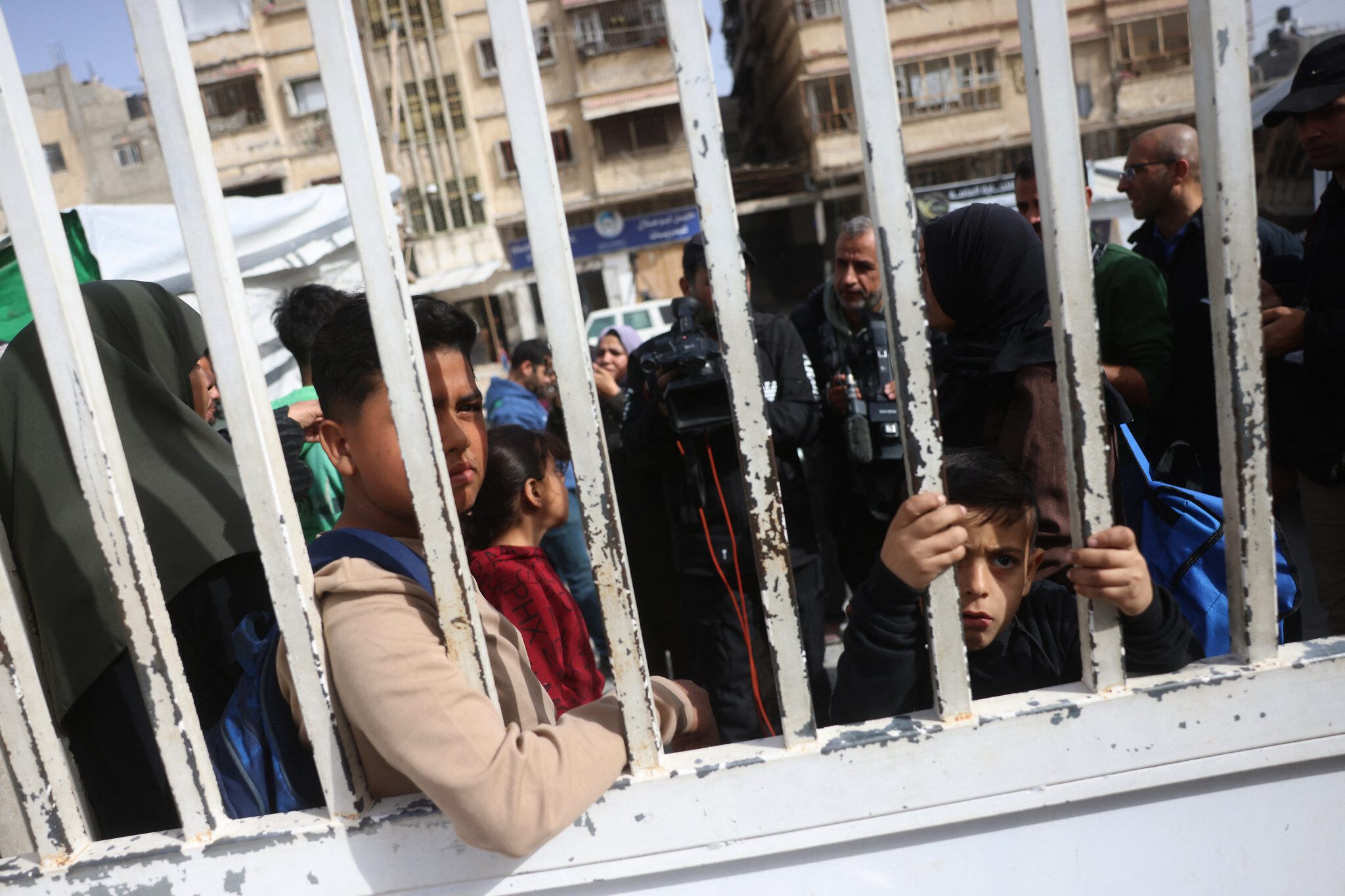
An Egyptian official said ahead of time that 50 Palestinians were expected to cross in each direction on Monday, although Kan said as many as 150 people would be leaving for Egypt from Gaza, including 50 patients.
A source at the border told AFP that a few dozen people had arrived on the Egyptian side on Monday, awaiting entry into Gaza.
“The Rafah crossing is a lifeline,” said Mohammed Nassir, a Palestinian who had his leg amputated after being injured early in the war.
“I need to undergo surgery that is unavailable in Gaza but can be performed abroad.”
Rajaa Abu Mustafa stood Monday outside a Gaza hospital where her 17-year-old son Mohamed was awaiting evacuation. She said he was blinded by a shot to the eye last year as he joined Palestinians seeking food from aid trucks east of the city of Khan Younis.
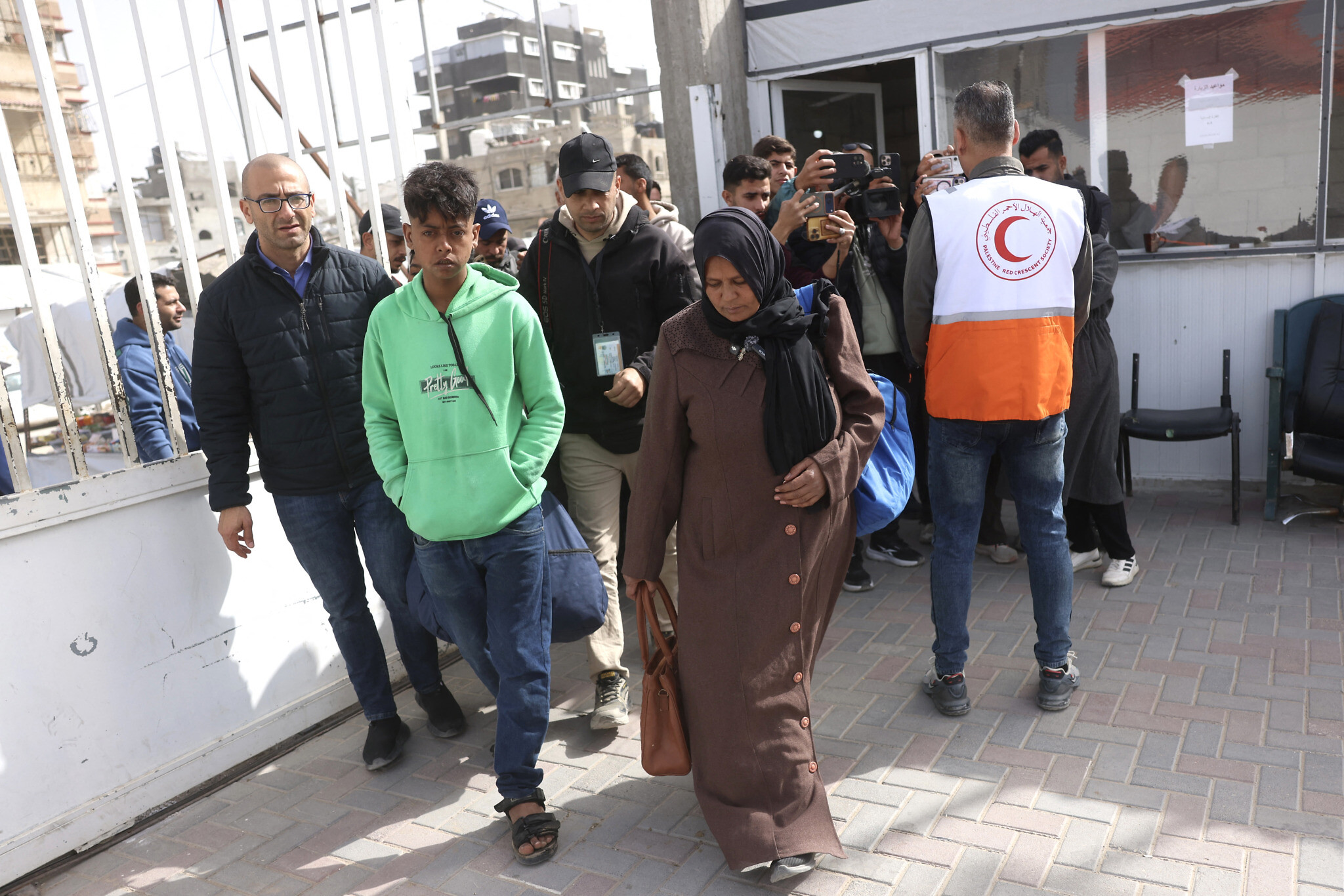
“We have been waiting for the crossing to open,” she said. “Now it’s opened and the health ministry called and told us that we will travel to Egypt for (his) treatment.”
About 150 hospitals across Egypt are ready to receive Palestinian patients evacuated from Gaza through Rafah, authorities said. Also, the Egyptian Red Crescent said it has readied “safe spaces” on the Egyptian side of the crossing to support those evacuated from the Gaza Strip.
Egypt’s state‑linked Cairo News reported that the Egyptian side of the crossing would remain open “round the clock.”
The opening of the Rafah crossing marks a concrete and positive step in the peace plan.
The EU’s civilian mission is on the ground to monitor crossing operations and support Palestinian border guards.
For Gaza’s sick and wounded, the reopening is a lifeline. It will allow… pic.twitter.com/TwyXwHHAGA
— Kaja Kallas (@kajakallas) February 2, 2026
On Monday evening, the first medical evacuees were reported to have arrived in Egypt after leaving Gaza through Rafah.
“They have begun arriving in Egyptian ambulances, accompanied by several escorts,” an Egyptian official at the border told AFP, speaking on condition of anonymity because they were not authorized to brief the media.
“Three ambulances have arrived so far carrying a number of the sick and injured, who were immediately screened upon arrival to determine to which hospital they will be transferred.”
The EU’s foreign policy chief on Monday welcomed the reopening of the crossing as a “lifeline” for sick and wounded Palestinians in the territory and a step forward in the peace plan.
“The opening of the Rafah crossing marks a concrete and positive step in the peace plan,” EU top diplomat Kaja Kallas posted online.
“The EU’s civilian mission is on the ground to monitor crossing operations and support Palestinian border guards,” she wrote.
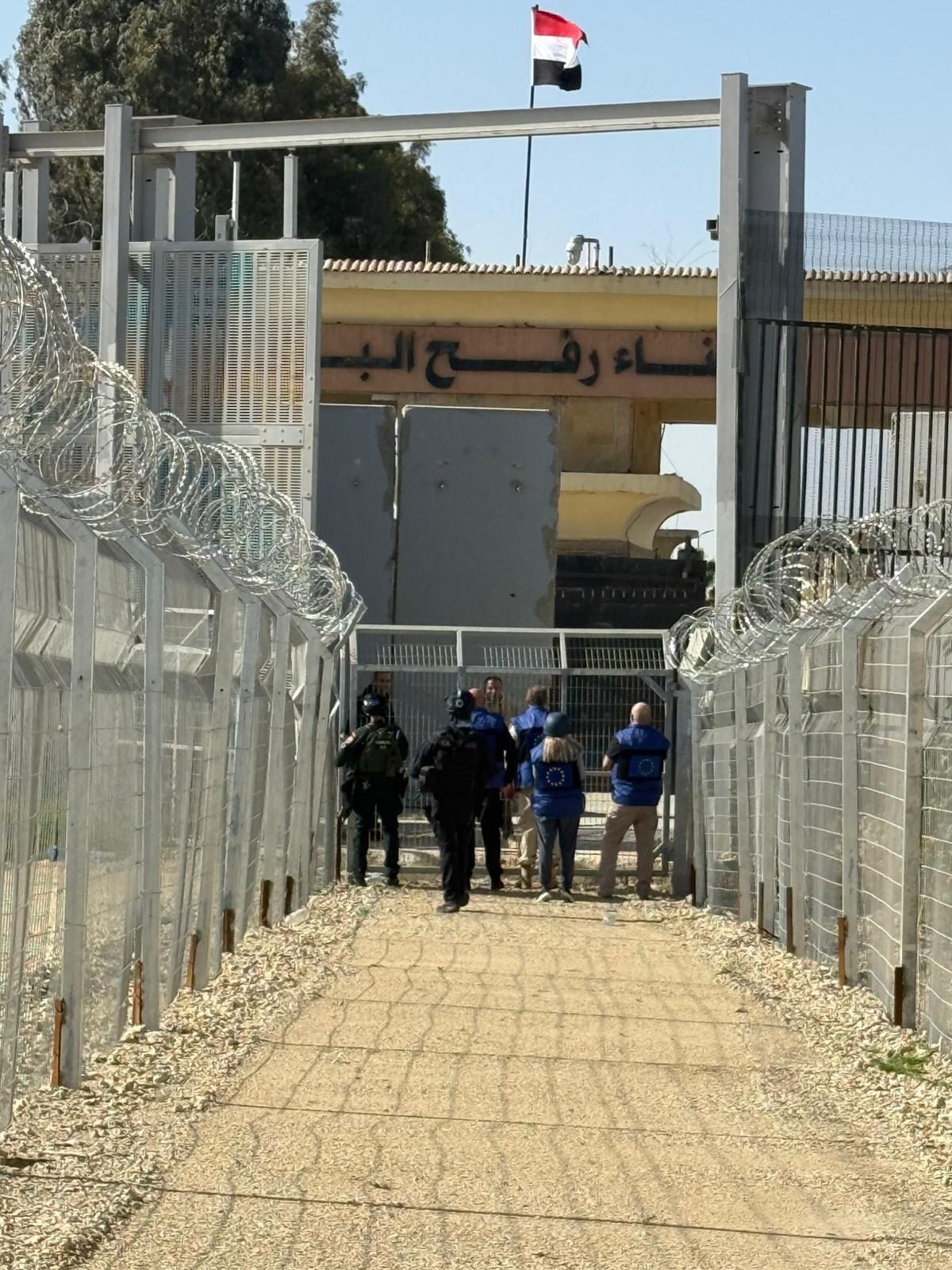
All Gazan Palestinians seeking to enter or leave the Strip will be required to receive Egyptian approval, and Egypt was to send the names to Israel’s Shin Bet domestic security service for clearance.
Israel will supervise the exit of Gazans to Egypt remotely. From a control room, Israeli officers, using facial recognition software, will verify that those leaving the Strip are on the list of approved names and open a gate at the crossing to allow them through.
A team of Palestinian Authority representatives and monitors from the European Union stationed at Rafah Crossing will be tasked with conducting security screenings for those leaving the Strip.
On Sunday, a day of systems checks and tests was conducted at the crossing.
The entry into Gaza from Egypt will, however, include an Israeli security screening. Those Palestinians will arrive at an IDF checkpoint after passing through the Rafah Crossing. Only afterward will they be permitted to continue toward the Hamas-controlled areas of Gaza.
The IDF published footage on Sunday of the military checkpoint, dubbed “Regavim,” for Palestinians entering the Gaza Strip from Egypt, which is located just outside the Rafah Crossing.
“The facility is part of the effort to enhance security oversight in the area,” the military said, adding that security officers at the terminal will “verify the identities of those entering against lists approved by the Israeli defense establishment and conduct thorough inspections of their luggage.”
An IDF checkpoint for Palestinians entering the Gaza Strip from Egypt is seen in southern Gaza’s Rafah, just outside the Rafah Crossing, in a video issued by the military on February 1, 2026. (Israel Defense Forces)
The crossing was briefly opened for the evacuation of medical patients during a ceasefire in early 2025. Israel had resisted reopening the Rafah crossing since the October ceasefire, but the recovery of the remains of the last hostage in Gaza last week cleared the way to move forward.
There are no plans to allow the crossing to be used for aid and goods, which go through other crossings where they are screened by Israel for contraband, especially weapons.
In the years before the war, Hamas used the Rafah Crossing to bring in numerous weapons and other supplies into the Strip for its military wing, without any Israeli oversight, according to the IDF and security officials.
The Israeli defense establishment is backing an idea for a tri-border crossing between Israel, Egypt, and Gaza, where the current Kerem Shalom Crossing is located.







The Times of Israel Community.