

Refinery hit by Iran missiles emitting ‘100 times higher than usual’ levels of benzene
Carcinogenic emissions seen at monitoring stations on compound fence, at a high school. Bazan company says its own monitors show routine emissions that meet government standards
 Add ToI as a Preferred Source on Google
Sue Surkes is The Times of Israel's environment reporter
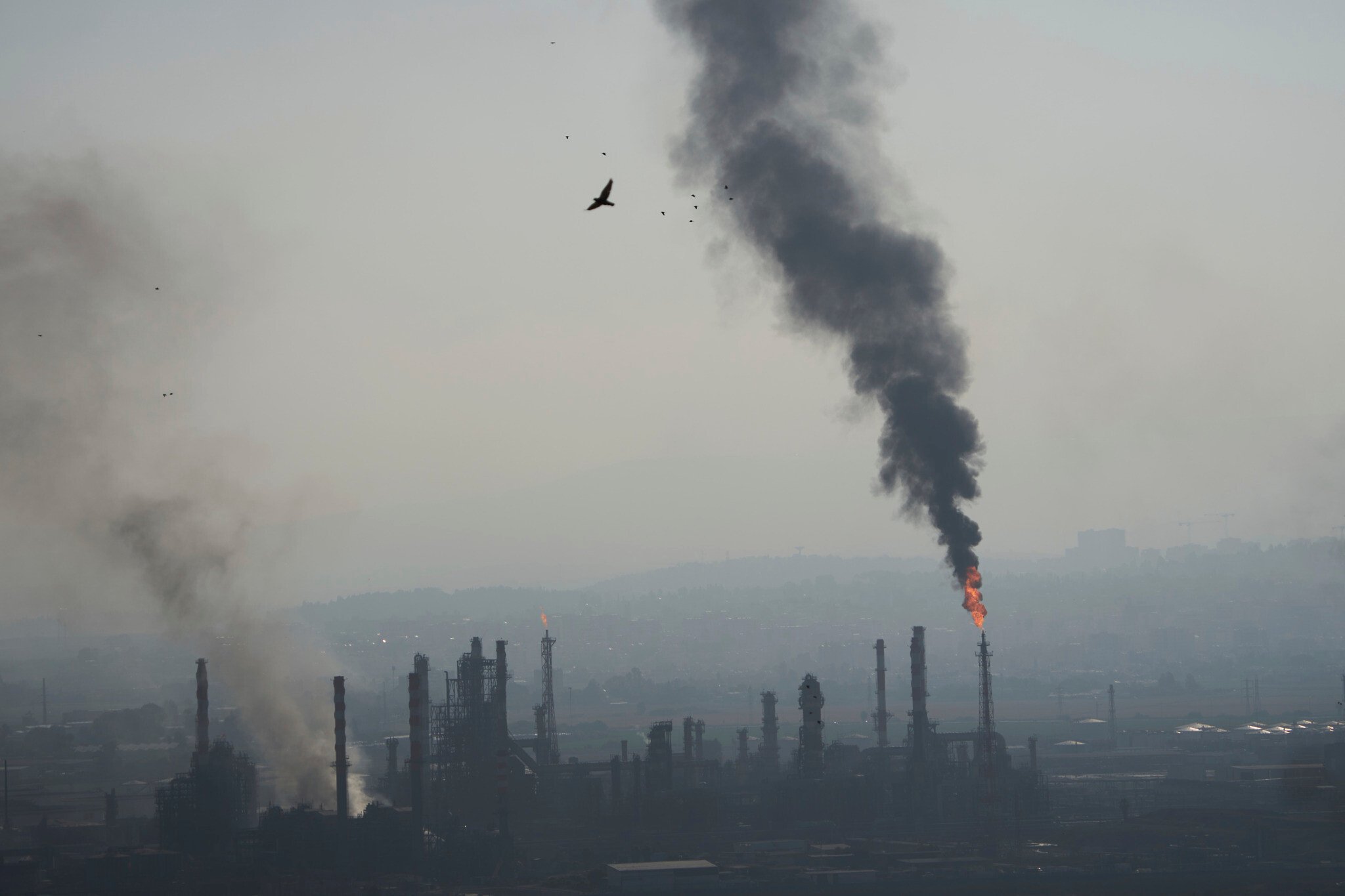
Benzene emissions that were 100 times higher than routine were measured around the compound of the Bazan Israel Oil Refineries on Sunday in Haifa, northern Israel, it was claimed, as the conglomerate returned to partial operation following damage to pipelines and transmission lines by Iranian missile strikes that also killed three workers.
The Haifa Bay Cities Association for Environmental Protection found the high readings at monitoring stations it maintains, including one on Bazan’s fence and another at a high school in the nearby city of Kiryat Ata.
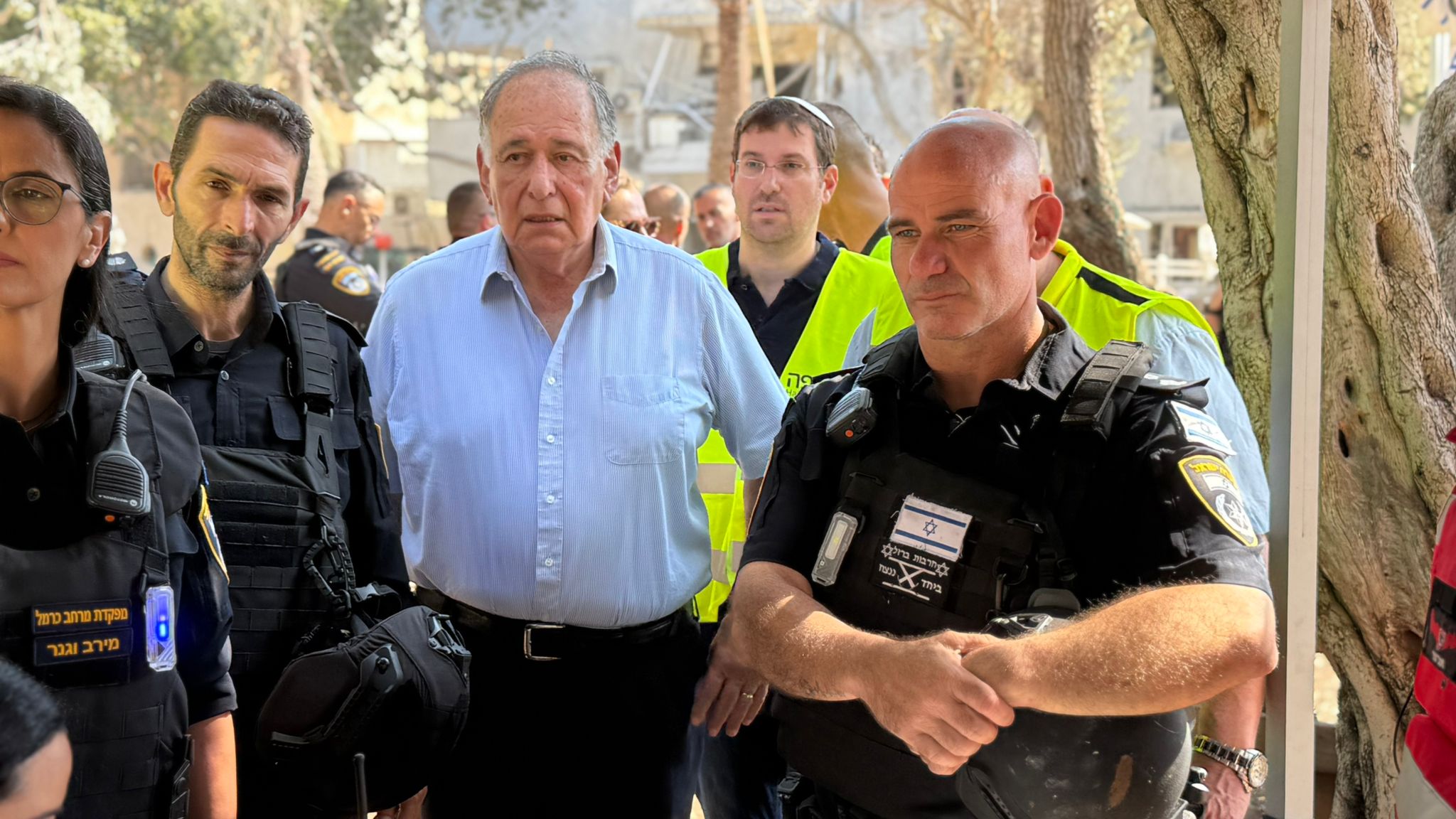
Representatives of the association and the Environmental Protection Ministry paid a surprise inspection visit to Bazan and, according to the former, discovered that the high emissions of benzene, a carcinogen, were caused by restoration operations at the facilities damaged by the attacks.
A statement from the ministry said Environmental Protection Minister Idit Silman, ministry director Rami Rosen, and the professional teams “view the unusual event at Bazan with great seriousness.” It said its Haifa District team had moved into the city’s association offices to be closer to Bazan and to work together to closely monitor the situation, and had ordered the company to conduct a probe.
Bazan, however, maintained that the monitoring stations within the compound, both on Sunday and Monday, showed regular benzene readings that met the state’s “strict” requirements.
Residents, environmental activists, and others have lobbied for years to have the Bazan compound closed and the materials it produces imported, due to both the heavy pollution it causes to the area — where cancer and asthma rates are high — and fears of disastrous consequences should it be struck.
Israel’s short war with Iran and the hits on Bazan only served to refocus attention on calls to shut the compound down.
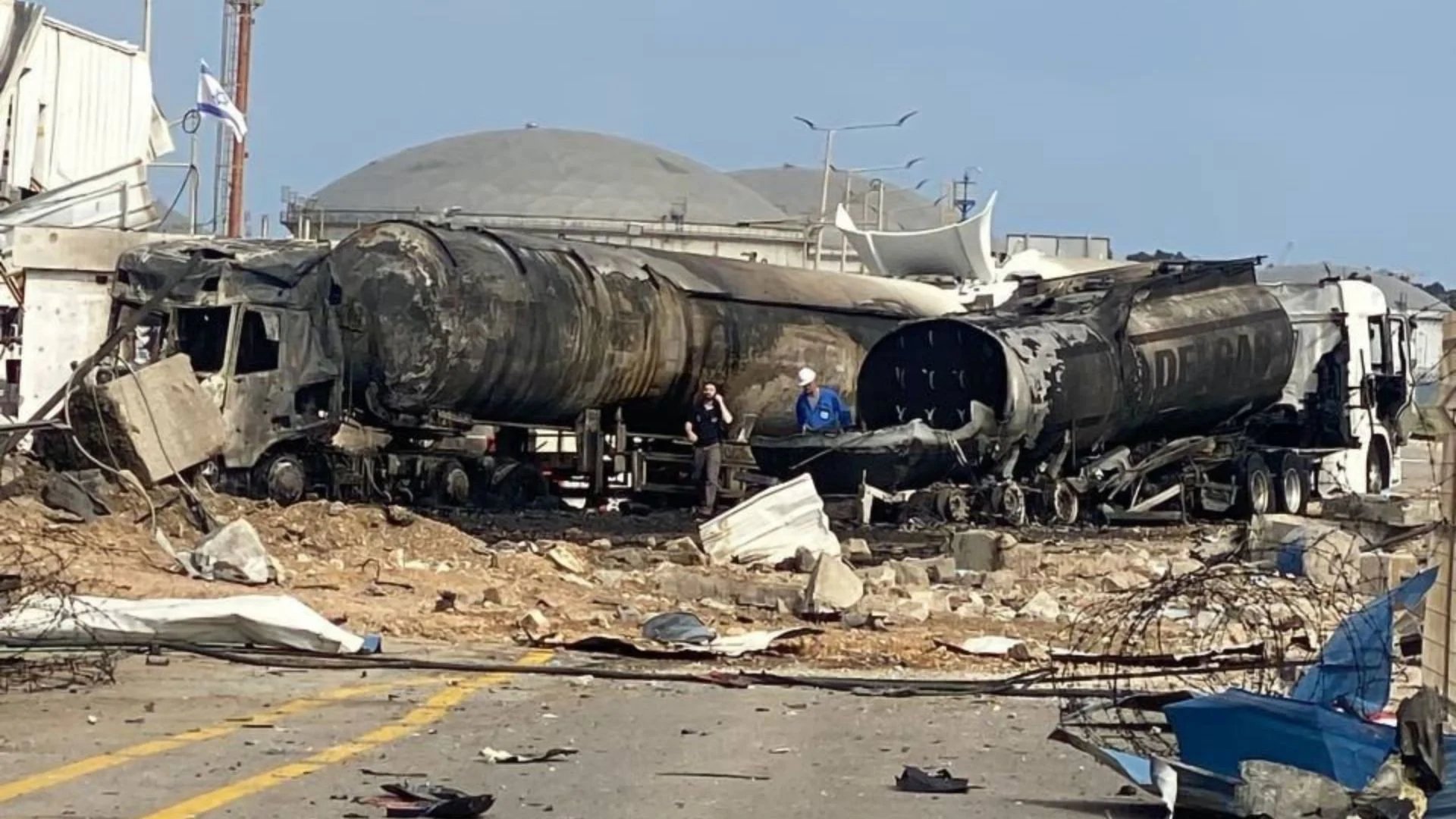
The company, repeatedly fined for violating its air pollution permit, closed temporarily after the missile strikes and aims to be fully up and running again by October.
Three years ago, the cabinet decided to shut down the refineries and related oil storage complex within a decade. A Directorate for the Development of Haifa Bay, created within the Prime Minister’s Office, designed a work plan through 2030.
“The findings discovered in the surprise inspection prove, for the umpteenth time, how dangerous and harmful the presence of Bazan in Haifa Bay is, and how much is at stake for the safety and health of Haifa residents,” Haifa Mayor Yona Yahav said. “The writing is on the wall, in large letters. The State of Israel must promote the evacuation of Bazan from Haifa Bay without delay, and I also call on the heads of Bazan to be partners in this important process.”
Dr. Lihi Shahar Berman, CEO of the Haifa Bay Cities Association for Environmental Protection, said, “The record values measured today prove in practice that the statement by the leaders of Bazan that the missile attack had no environmental impact is disconnected from reality. Both in emergencies and routine, Bazan harms the health of the residents.”
The state’s vision is to transform the bay over the next 20 years into a sustainable area of residential neighborhoods, commerce and employment, clean industry, tourism, and open space.
However, progress depends on the closure of Bazan, and that cannot happen until new infrastructure has been built to import, transport, and store the distillates produced by the oil refinery. Planning for this is at various stages.









The Times of Israel Community.