

Reuven Rubin works hosted by TLV Museum of Art after Iran war damage
‘Reuven Rubin: Be My Guest’ exhibit reunites Rubin Museum collection with those from Tel Aviv Museum of Art
 Add ToI as a Preferred Source on Google
Jessica Steinberg, The Times of Israel's culture and lifestyles editor, covers the Sabra scene from south to north and back to the center
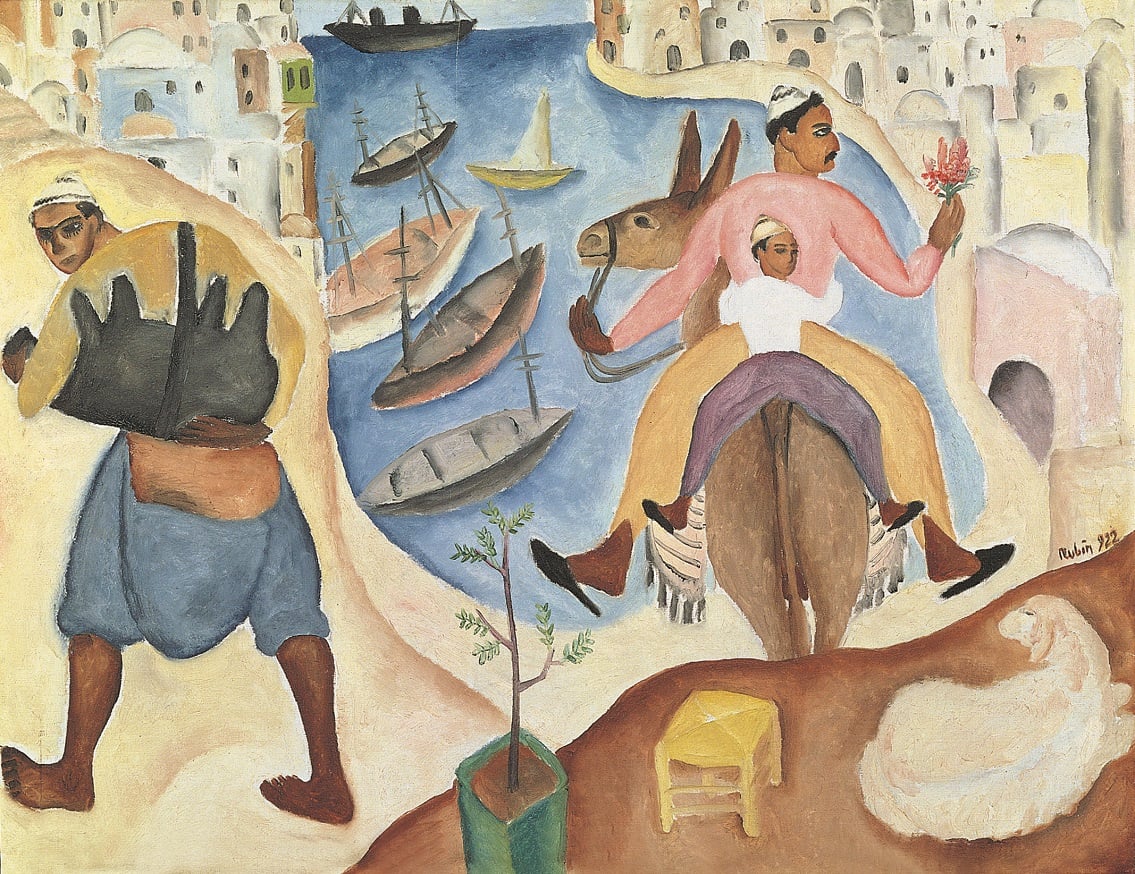
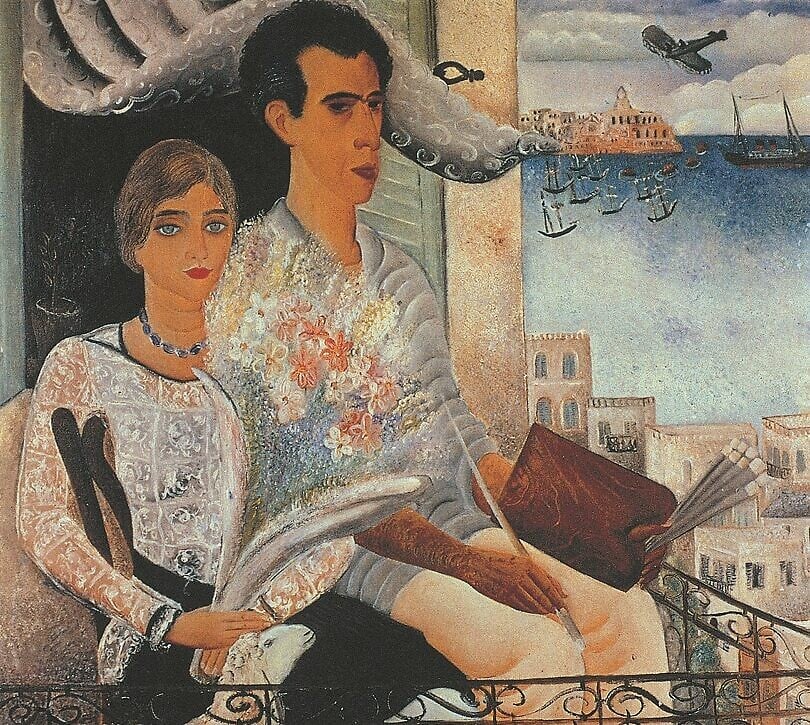
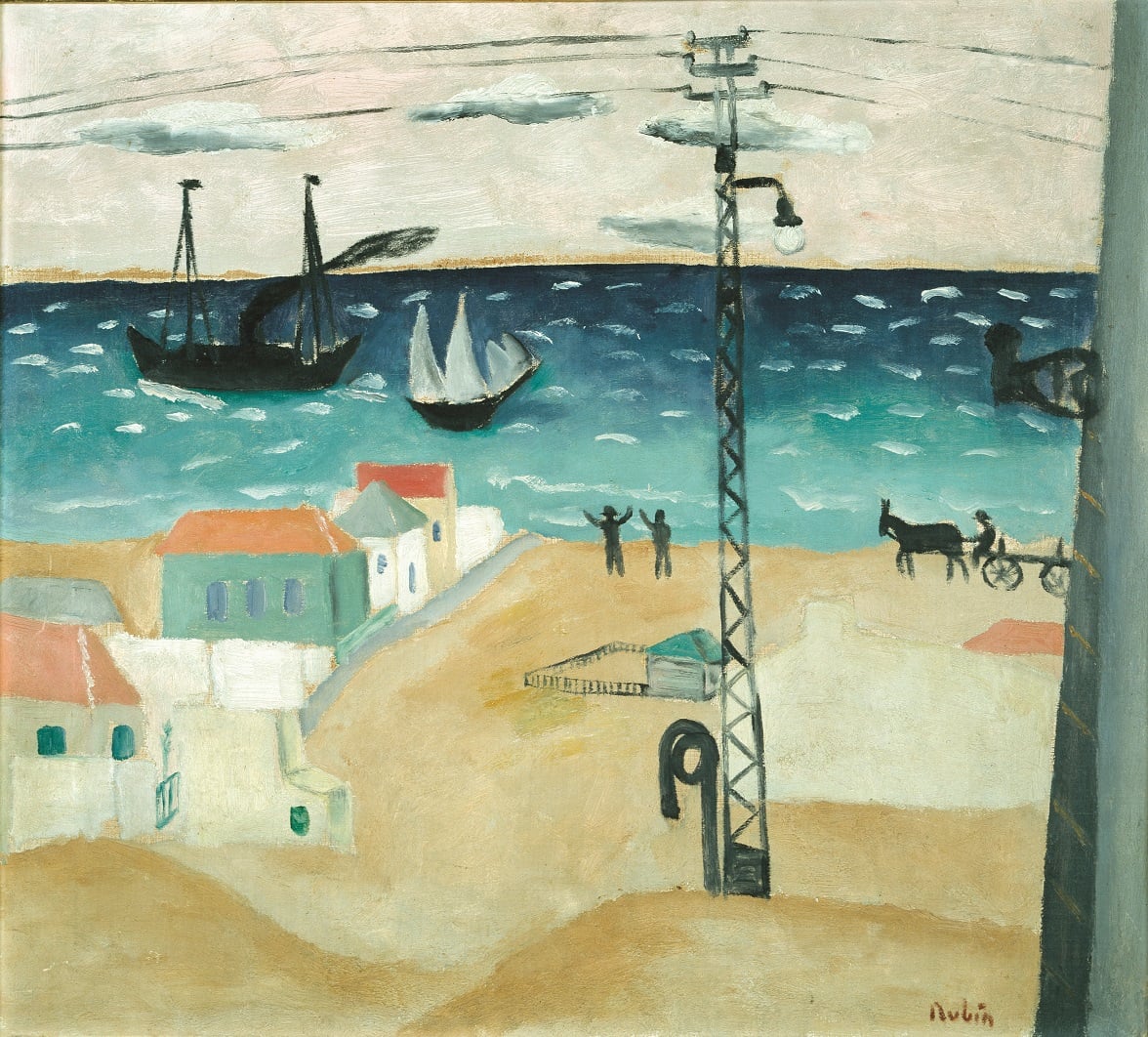
Artworks by Reuven Rubin, the painter considered a creator of Tel Aviv’s earliest imagery, are being reunited from August 7 through November 8 at the Tel Aviv Museum of Art in “Reuven Rubin: Be My Guest.”
During the 12-day war in June between Israel and Iran, the Rubin Museum in Tel Aviv, the former home of the artist, was damaged by the shockwave of a missile explosion on a nearby street.
Rubin’s paintings were evacuated to the Tel Aviv Museum of Art for safekeeping, where their unexpected arrival created a rare opportunity to reunite a selection of Rubin works from the museum’s collection with those from the Rubin Museum.
“The real state of emergency took on a metaphorical meaning, giving rise to a rare and precious moment, the unique encounter between Rubin’s paintings that reside in the museum’s collection and those that, until now, had remained in the artist’s home,” wrote the museum in a statement.
Curator Dalit Matatyahu and assistant curators Kfir Meir and Adi Gross noted that the opportunity to host the Rubin Museum works in the galleries of the Tel Aviv Museum of Art shone alight on the relationship between host and guest, underscoring that hospitality requires sensitivity and profound responsibility toward one another.
Rubin lived in Tel Aviv for most of his life, although the Romanian-born artist — then known as Reuven Zelicovici — arrived in the early 1920s in Jerusalem, where he studied at the Bezalel School of Arts and Crafts.
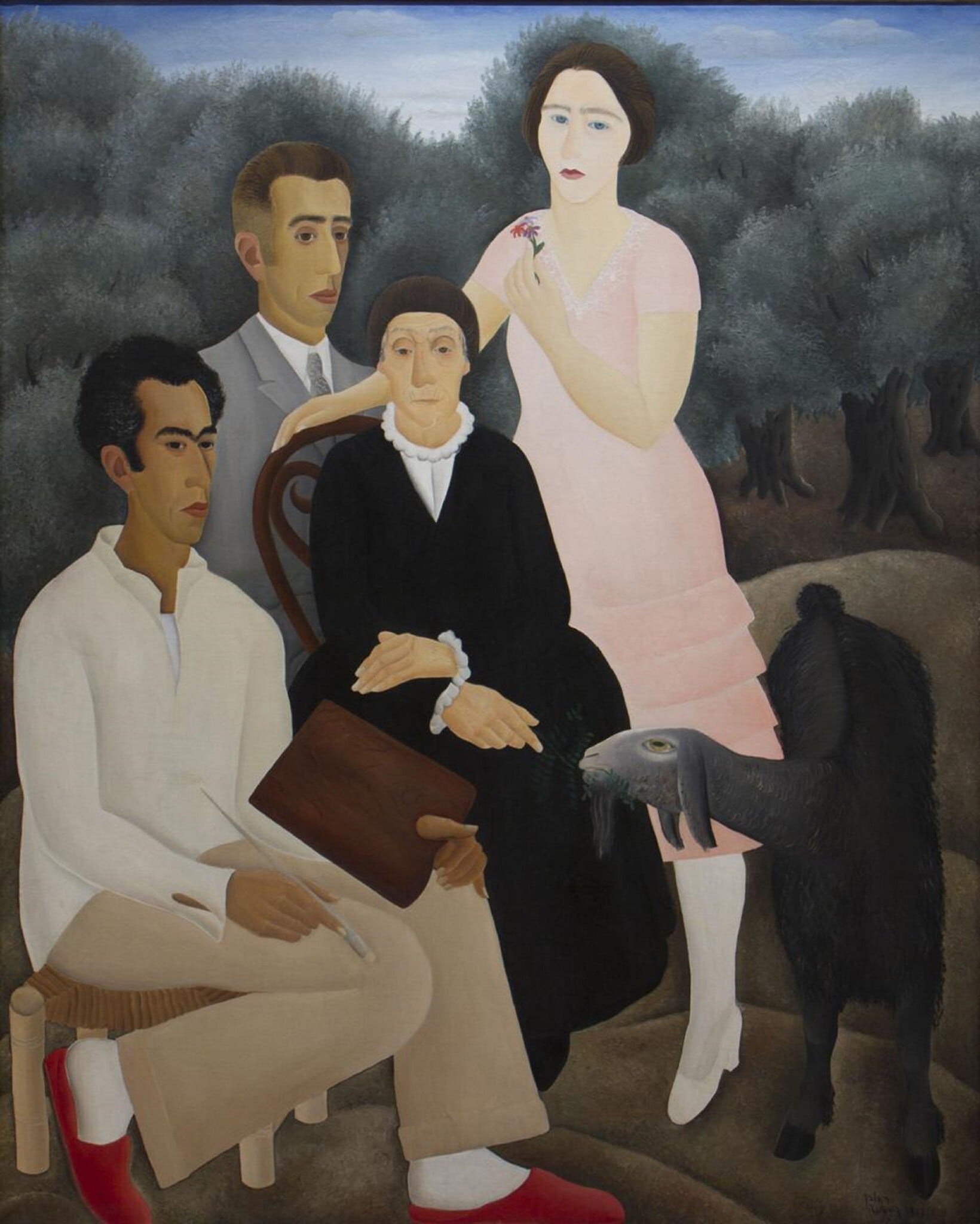
Rubin eventually settled in Tel Aviv and created some of the most iconic and memorable images of young Tel Aviv as well as the land and its vistas.
The name Reuven Rubin emerged from his bilingual signature of “Reuven” in Hebrew and “Rubin,” its English translation.
The artist bequeathed his house and dozens of his works to the city of Tel Aviv, creating the Rubin Museum.


The Times of Israel Community.