

Seeing Israel as a beacon, regional minorities gather in Tel Aviv to discuss future
Representatives of the Druze, Kurdish, Alawite communities attend conference aimed at forging ties between Israel and historically persecuted Middle Eastern groups
 Add ToI as a Preferred Source on Google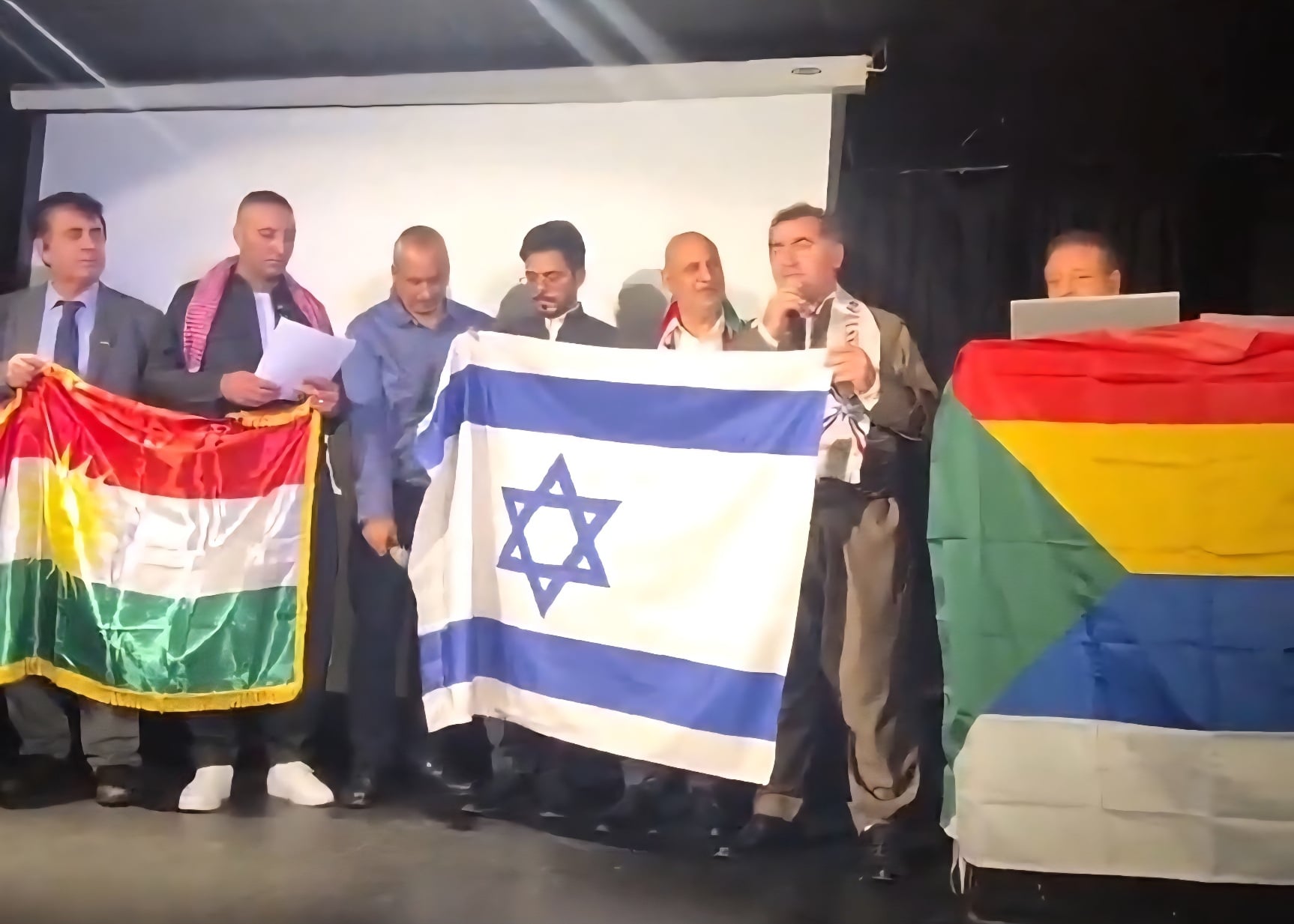
Representatives from minority groups across the Middle East gathered in Tel Aviv on Monday for a first-of-its-kind conference to discuss the region’s future, amid a rapidly changing landscape that in the past year alone saw the fall of a brutal 50-year regime in Syria and the weakening of Iran’s influence.
The conference, billed as “The Future of Minorities in the Middle East,” was organized by Middle East expert Dr. Edy Cohen, a Lebanese-Israeli Jew, who brought together representatives of the Alawite, Druze, Kurdish, Assyrian and Yazidi communities, all of which have faced persecution across the Middle East.
In the run-up to the conference, Cohen told the Israel Hayom news outlet that the event would “provide an excellent platform to raise the issue of minorities and the deep Israeli connection to it.”
It would also serve as a chance to discuss safeguarding the rights of minority communities in the Middle East, and as a “bridge for these minorities to Israel and the Jewish people,” he said.
The majority of those in attendance no longer live in the Middle East, having fled due to persecution, Channel 12 reported, but a number of those who had planned to attend still encountered difficulties entering Israel and had to turn back.
According to the report, a group of Druze activists from France and Kurdish activists from Germany and Poland were denied entry upon arrival at Ben Gurion airport, and had to return home.
Dr. Edy Cohen in Tel Aviv, focusing on minorities in the Middle East.
The summit was attended by #Kurds, Kurdish Jews from Kurdistan in Israel, #Kurdisrael #Druze, #Israelis, #Alawites, and #Assyrians.
Together, for a future of partnership and peace.@DREDYCOHEN @DREDYCOHEN pic.twitter.com/S4xkXe508W— JIN_JIYAN_AZADI☀️KURDISTAN (@BarzaniSiy32942) October 27, 2025
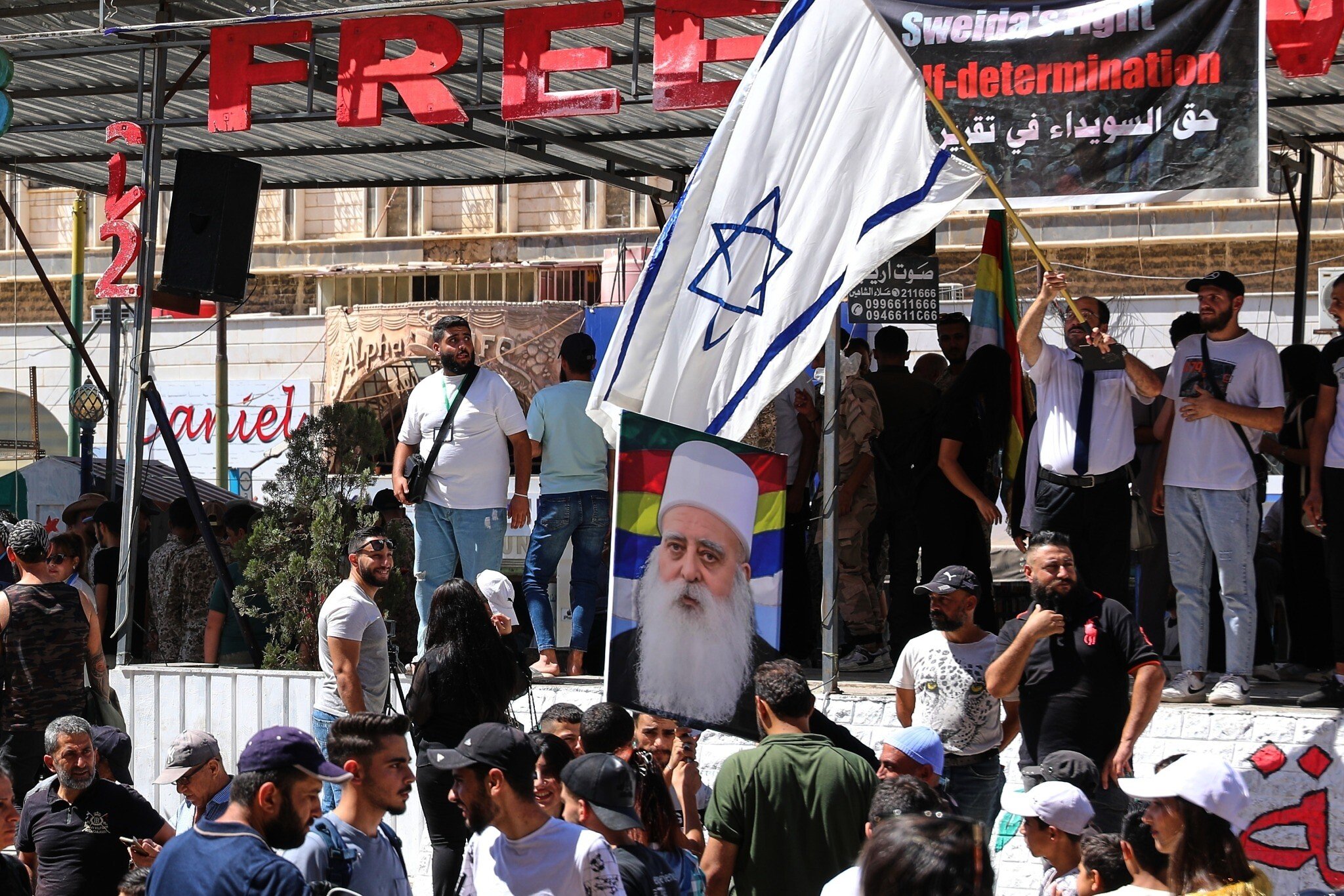
Others who were unable to attend included Druze Sheikh Marwan Kiwan, from the Druze-majority city of Sweida, in southern Syria, who instead addressed the conference remotely via video.
In remarks transcribed by Channel 12, Kiwan lamented that “the plague of Islamic terrorism has spread like a cancer” among the villages of southern Syria.
“We demand complete independence and liberation from the terrorist Syrian entity,” he said, calling for the interim government in Damascus to be “brought to justice for the crimes they committed, including the kidnapping and murder of civilians.”
Sweida was the site of violent sectarian clashes between Druze and Bedouin factions earlier this year, in which hundreds of civilians were killed — most of them Druze — after government forces sent to restore order to the area instead joined the Bedouins in targeting the Druze.
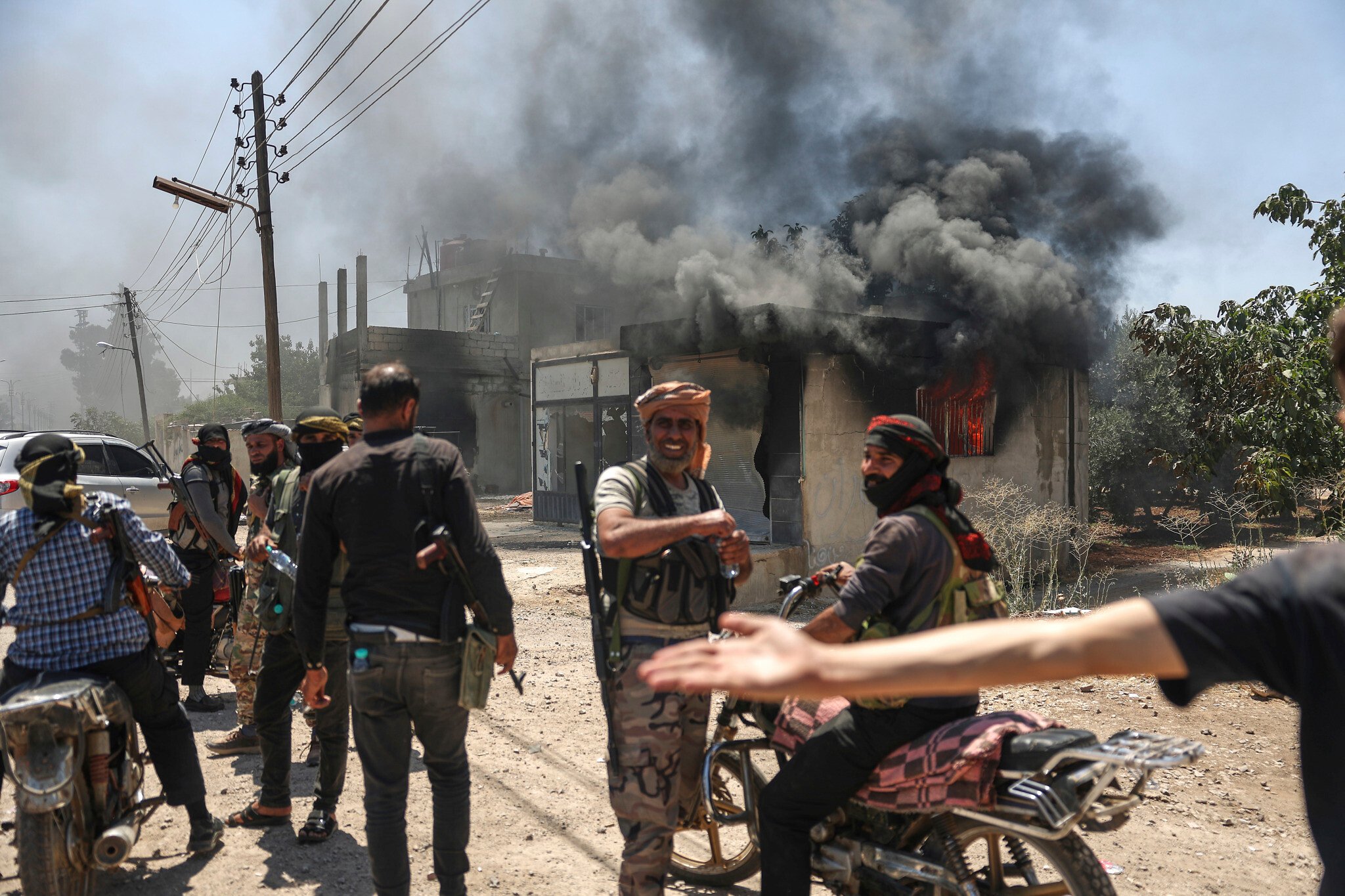
Israel, acting in response to pleas from its own Druze community, launched strikes against Syrian government forces and on the Syrian Defense Ministry headquarters in Damascus to force the withdrawal of Syrian troops from Sweida, and followed up by providing medical aid to the Druze community there.
“We and the Jews, all the peoples of the region, are on the same front,” Kiwan told the conference. “We have the same vision and goal, under the leadership of the great and beloved Israel.”
Two large flags, one Druze and one Israeli, were displayed behind Kiwan as he spoke.
From Israel to Sweida:
A message from Dr. @EdyCohen, with Myar Reiman of the Druze Falcons, straight from the Minorities Conference. pic.twitter.com/kKafmyln4j— Mira ⛥ (@MiraMedusa) October 28, 2025
Others expressed similar sentiments, telling Israeli news outlets that they regretted that the governments of their respective home countries have shunned the Jewish state.
Alan Wali, a Syrian Kurd now living in Germany, told Channel 12 that the Kurdish people “see themselves as a natural partner and key ally of Israel.”
“Israel’s enemies are also the Kurds’ enemies. Israel’s security is our security,” he said. “Peace with Israel lies in the ancient history of relations between the two peoples.”
Representatives of various Arab minority communities within Israel were also present, including Ein Qiniyye council head Wael Mughrabi, who told the Channel 14 news outlet that over the past year, there has been a significant increase in residents of the Druze village who are seeking to obtain Israeli citizenship.
After Israel annexed the Golan Heights in 1981, it offered all residents Israeli citizenship, but only a small minority accepted the offer. But the number has slowly grown, and data obtained from the Population and Immigration Authority in January 2025 showed that today, over 20% of Golan Druze hold Israeli citizenship.
In a post on X on Tuesday, Cohen, the Lebanese-Israeli Jew, shared the conference’s recommended next steps for those wishing to build ties between Israel and the Middle East’s minority groups, including establishing a “regional liaison office comprised of political figures and activists,” which would be tasked with “coordinating efforts and monitoring shared developments related to the rights and protection of minorities.”
He suggested that a human rights organization in Israel be involved in the effort, by preparing periodic reports for the Prime Minister’s Office, the National Security Committee and the Foreign Ministry on the state of minorities in the region.
“The conference affirms its support for the right of the region’s components to free self-determination, in accordance with legal and international frameworks,” he said, adding that this must be done in a way that accommodates “the religious, cultural and intellectual specificities of each group, while simultaneously serving as a lever for economic, scientific, and social development.”









The Times of Israel Community.