

Sidestepping boycotts, Avi Nesher’s Oct. 7 film gets a little closer to the Oscars
At Jerusalem Film Festival panel this week, famed director discusses blacklisting of Israeli filmmakers while showcasing ‘Our Loves,’ his new feature about the 2023 Hamas invasion
 Add ToI as a Preferred Source on Google
Jessica Steinberg, The Times of Israel's culture and lifestyles editor, covers the Sabra scene from south to north and back to the center

Director Avi Nesher’s latest film, “Our Loves,” is his chance to tell the story of the country on October 7, 2023, as Israelis began to grasp the tragic magnitude of the unfolding Hamas-led invasion.
It’s also his opportunity to share Israel’s trauma with the world during a time when Israeli filmmakers are struggling with global cultural boycotts.
“I think the quality of Israeli movies will win out; this country has so many talented actors, directors and filmmakers,” said Nesher during a panel on Monday at the Jerusalem Film Festival, likening the Israeli film industry to the local tech industry before it became a global powerhouse.
“The boycott is a sad part of life, but we have to deal with it somehow,” he said.
There’s a lot of hope pinned on “Our Loves” as a contender for the Ophir Award in September, which would then make the movie Israel’s nominee for the Academy Awards. The film opens in Israeli theaters on September 3.
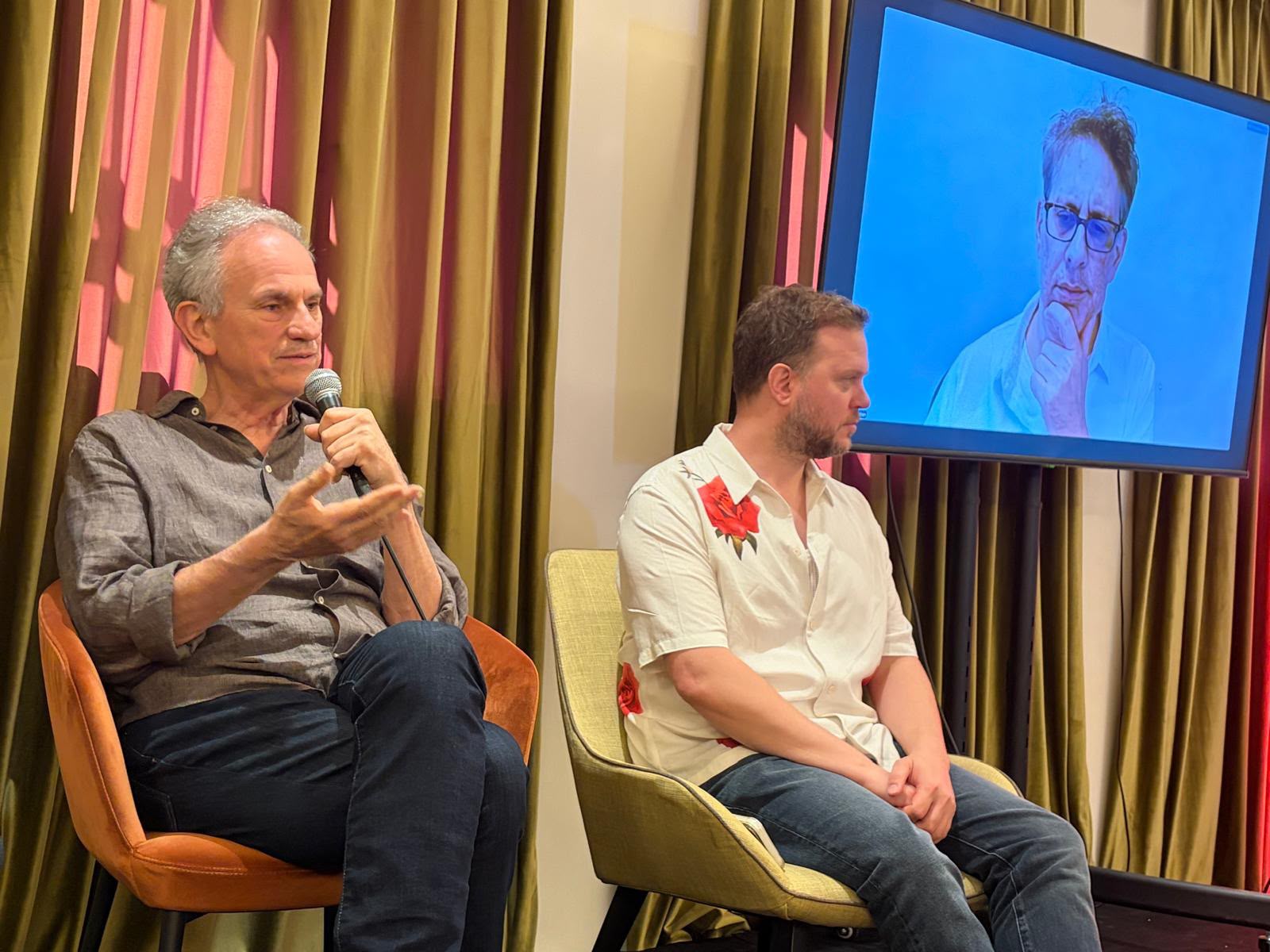
The film’s producers also sat in on the panel at the Jerusalem Cinematheque, which hosts the annual film festival.
The panelists discussed how they navigated the boycotts, citing “Our Loves” as an example of a film that was able to secure additional backing from entertainment giants Fox and Access Entertainment at a time when foreign funding has been difficult to come by and festivals have been unwelcoming to Israeli entries.
Speaking by Zoom, Access Entertainment president and former BBC Television director Danny Cohen said he believes the film has a genuine chance at the Oscars.
“I’ve been involved with several Oscar-winning films, and I believe Avi’s work deserves to be on that stage,” said Cohen.
Cohen and Nesher were on the panel along with Emilio Schenker, CEO of Sipur and one of the film’s producers, and Yoav Abramovich, CEO of the Yehoshua Rabinovich Foundation for the Arts, which also backed the film.
Schenker said he didn’t stop crying throughout the film’s two hours and also believes it has a good chance of winning Best International Feature Film at the Academy Awards.
“I believe this is the first Israeli film that could do it,” said Schenker.
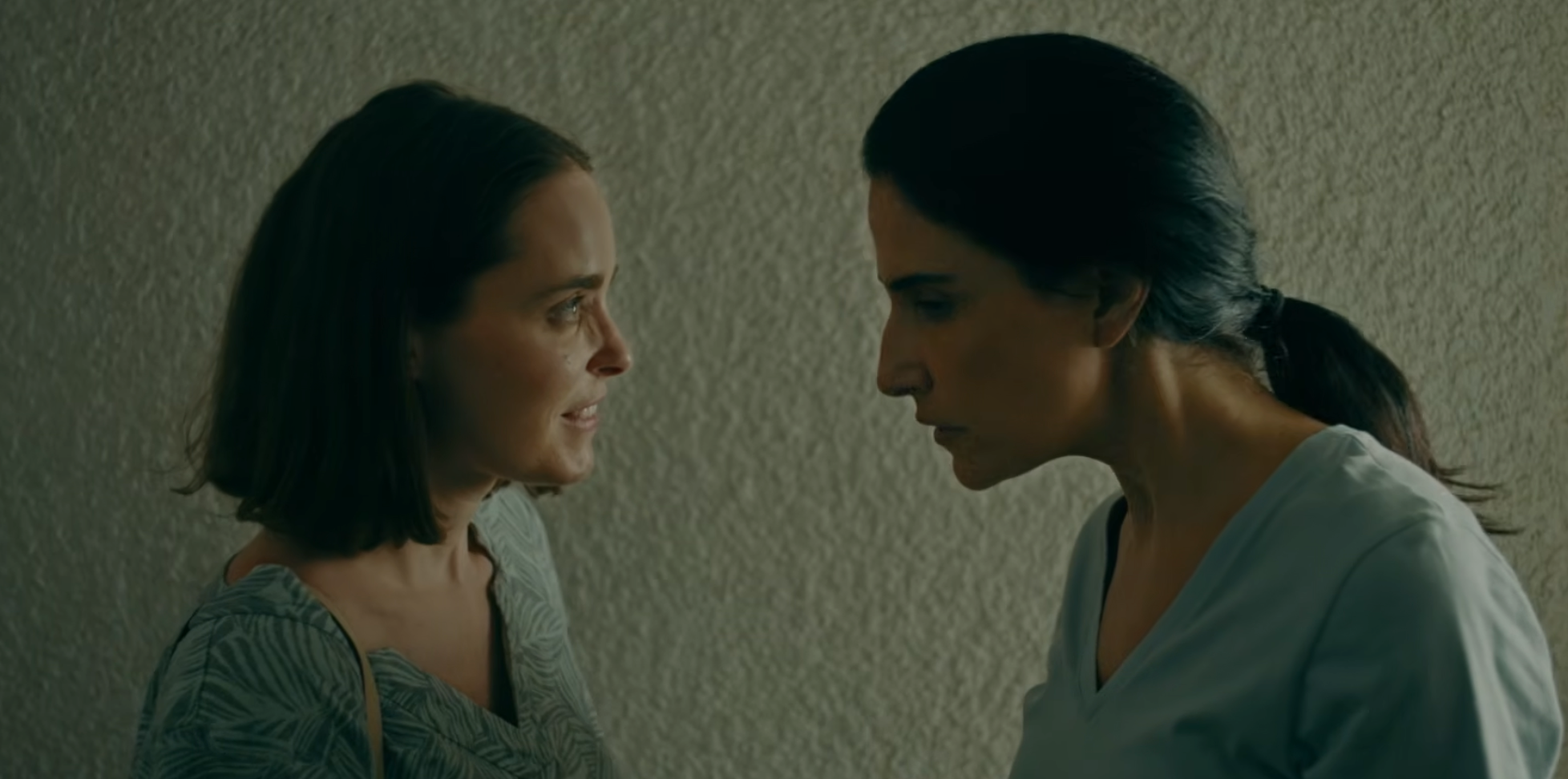
“Our Loves” follows an ensemble of characters whose stories intertwine during the Hamas onslaught into Israel’s south, when rampaging terrorists killed some 1,200 people in kibbutz communities, towns and the Nova music festival, and abducted 251 people to the Gaza Strip.
The film feels typical of Nesher in many ways, as the narrative revolves around kibbutz dwellers and Nova partiers, police officers and their partners, bringing viewers close to their stories.
It also captures Israel’s diversity, featuring characters who are religious and secular, Mizrahi and Ashkenazi, Ethiopian and Russian, from urban centers and the periphery, with blue-collar workers alongside members of the upper-middle class.
Though this cast of characters is fictional, the film is inspired by true events and stories of that day and it feels all too real — and it would seem that this was the director’s intent: to share what happened with a global audience, and, by putting a human face on a nation that has been demonized, perhaps help turn the tide of anti-Israel sentiment that has been so rampant in the wake of the massacre.
Still, the issue of the boycotts continued to loom large throughout the panel discussion.
“Let’s not kid ourselves — this has become extremely difficult,” said Cohen. “But I believe we’re all fighters, and the only way to win is to keep fighting, to be proud, and to celebrate the quality of Israeli cinema and creativity. It won’t be easy, but we have to keep fighting.”
Abramovich took a slightly more pessimistic tone, noting the unofficial ban against Israeli filmmakers and the difficulty of finding co-funding from France, Germany, the UK and Canada, countries that used to heavily support Israeli movies.
“You can see they’re just not doing it like they once did,” he said. “They don’t want the trouble of supporting Israeli films.”
Israeli filmmakers have to find other ways of accessing financing, said Abramovich, both to keep the industry thriving and to ensure that Israel doesn’t become a cultural island.
Nesher holds a near-mythical status in Israel, and actors and production team members in his films have won numerous Ophir awards. His daughter, Tom Nesher, made her directorial debut with “Come Closer,” which is based on the tragic death of her brother and Nesher’s son, Ari. That film represented Israel at the 2024 Oscars.
But even with his impressive decades-long record, Nesher and his producers faced their share of difficulties, which they discussed during the panel.
Nesher described one of his recent screenings of “Our Loves” at a Los Angeles theater, where he sensed the tension at having an Israeli filmmaker present, making it all “feel very unpleasant.”
“But they loved the movie,” he said. “They found themselves having to applaud at the end.”








The Times of Israel Community.