

Sirens, shelters and an empty Old City: Jerusalem rattled on day 1 of war with Iran
Eerie silence settles over capital on Shabbat leading up to Purim holiday, as residents hunker down under ballistic missile fire and speculate about a conflict of biblical proportions
 Add ToI as a Preferred Source on Google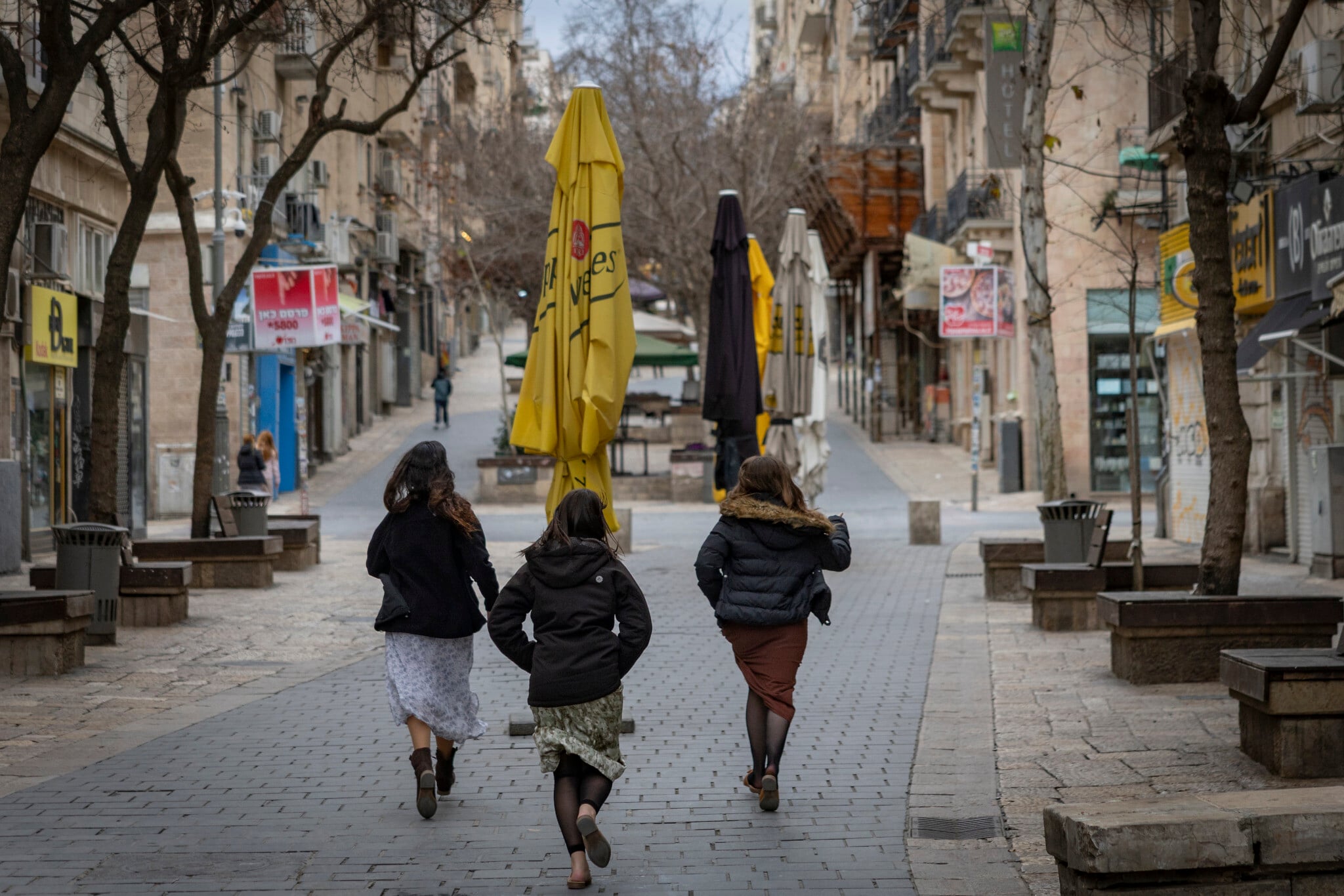
JTA — Jacob Phillips’s first trip to Israel from his home in Germany was in 2023, to visit Holocaust survivors in Tel Aviv as part of a university program. It was cut short by the bloody October 7 Hamas onslaught, which forced him to leave the country.
He returned with his girlfriend this month to tour the sites he missed. “Because the last trip, it was a harsh cut,” he said. “That’s why we came back, to visit the people I met here in Israel.”
On Saturday, Phillips and his girlfriend Michelle were among the very few people walking the streets in Jerusalem as another war unfolded, this time with Iran. The war, which began when Israel and the United States together attacked Iran early Saturday, had already sent them multiple times to shelters and scrambled their departure plans for next Thursday. Ben Gurion Airport is closed until further notice.
Phillips said he was in touch with the German consulate and felt safe in Jerusalem despite the incoming missiles, citing Israel’s Iron Dome air defense system (while the Iron Dome protects mainly against short-range threats, Israel has other air defense systems that take on the ballistic missiles Iran has been firing). He said he remained happy to be in Israel.
“I wanted to come here to learn about the Jewish experience, especially as a German, and I feel like I have gotten to see so much of it,” Phillips said.
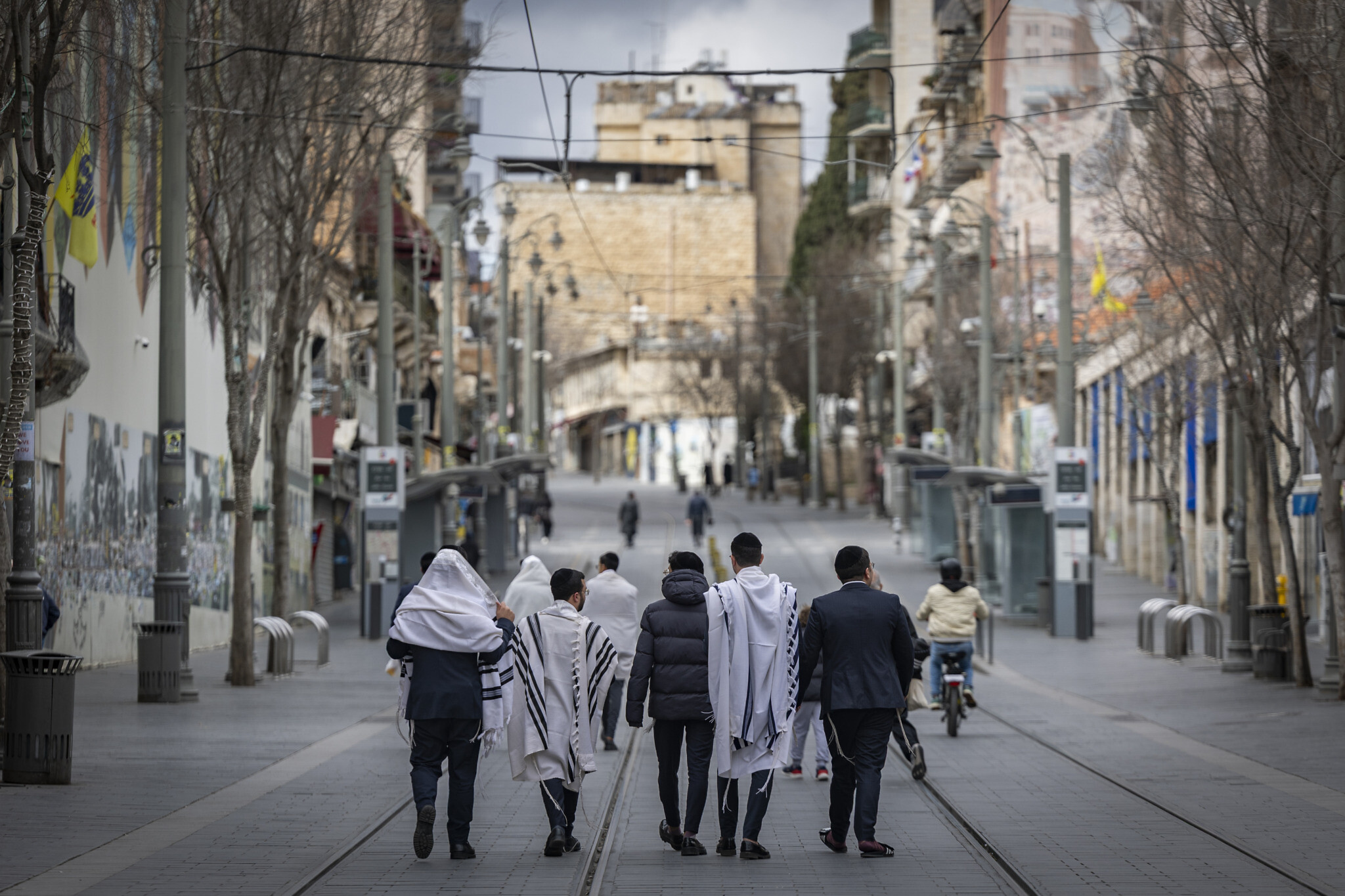
While missile impacts rocked Tel Aviv and elsewhere in Israel, an eerie calm pervaded the streets of Jerusalem on Saturday, extreme even for the Jewish day of rest, as residents hunkered down at home between the sirens that indicated that war with Iran had begun anew. The sirens sent worshipers scattering from Sabbath prayer services and disrupted plans for shared meals.
The gates of the Old City were closed by Israeli police to everyone but residents. A crowd of Hasidic Jews argued with officers, petitioning for entry to pray at the Western Wall, but ultimately gave up and turned back.
One resident who ventured out between air raid alerts said the assault had provided “pauses just long enough to walk up the stairs before heading back [down to the basement shelter] again.”
There was a consensus among those brave enough to venture away from their homes that the war would be significantly worse this time around, only nine months after a 12-day war in June 2025 that led to the deaths of 32 Israelis. In that conflict, Iran launched more than 500 ballistic missiles at Israel and other targets throughout the Middle East in retaliation for strikes that Israel initiated and the United States joined.
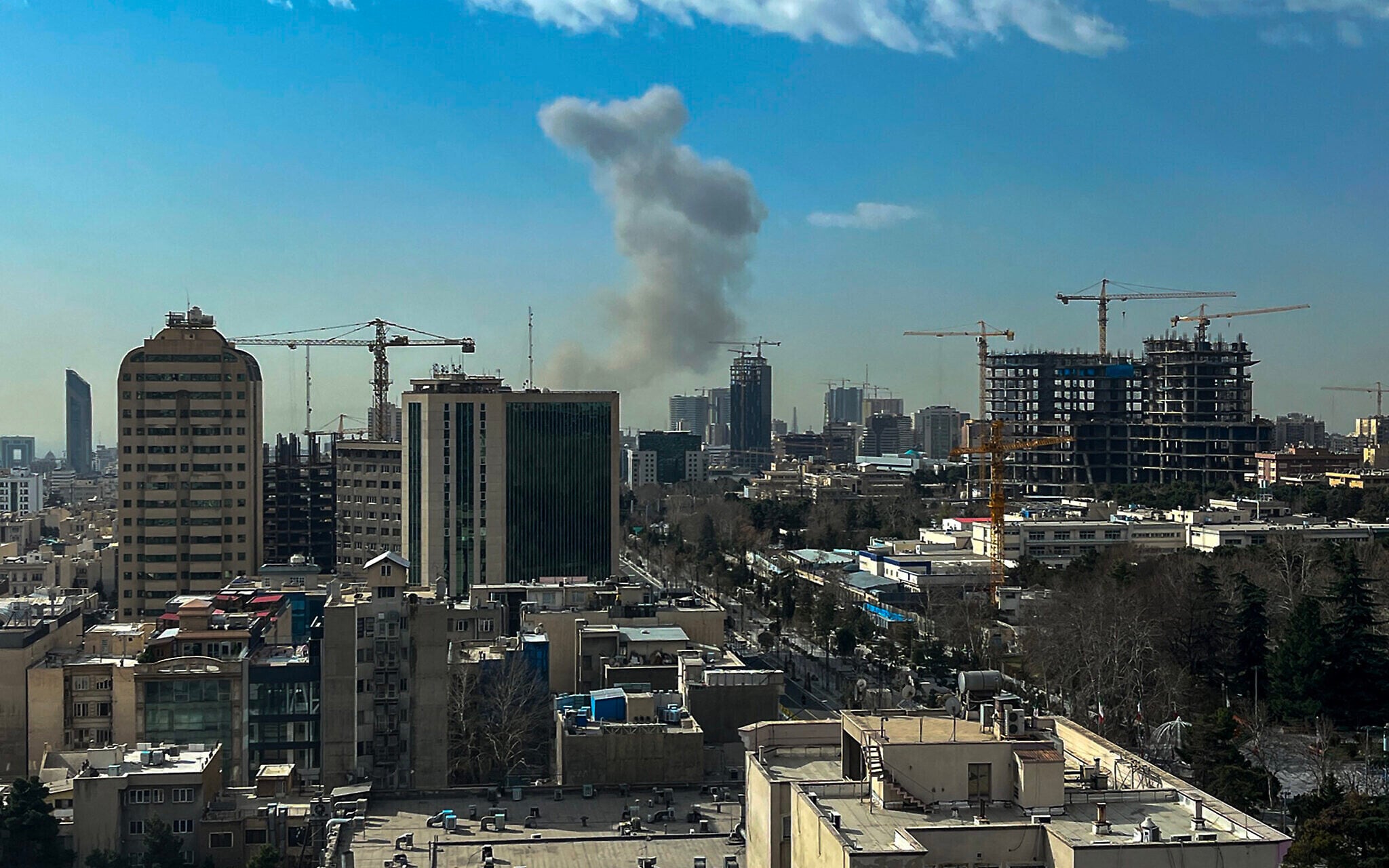
This time is indeed different. US President Donald Trump and Prime Minister Benjamin Netanyahu are gunning for regime change and reported that Iran’s supreme leader, Ayatollah Ali Khamenei, had been killed in an opening salvo. Sensing an existential threat, the Islamic Republic of Iran has already escalated its response, using its firepower against not only Israel but US targets throughout the Middle East.
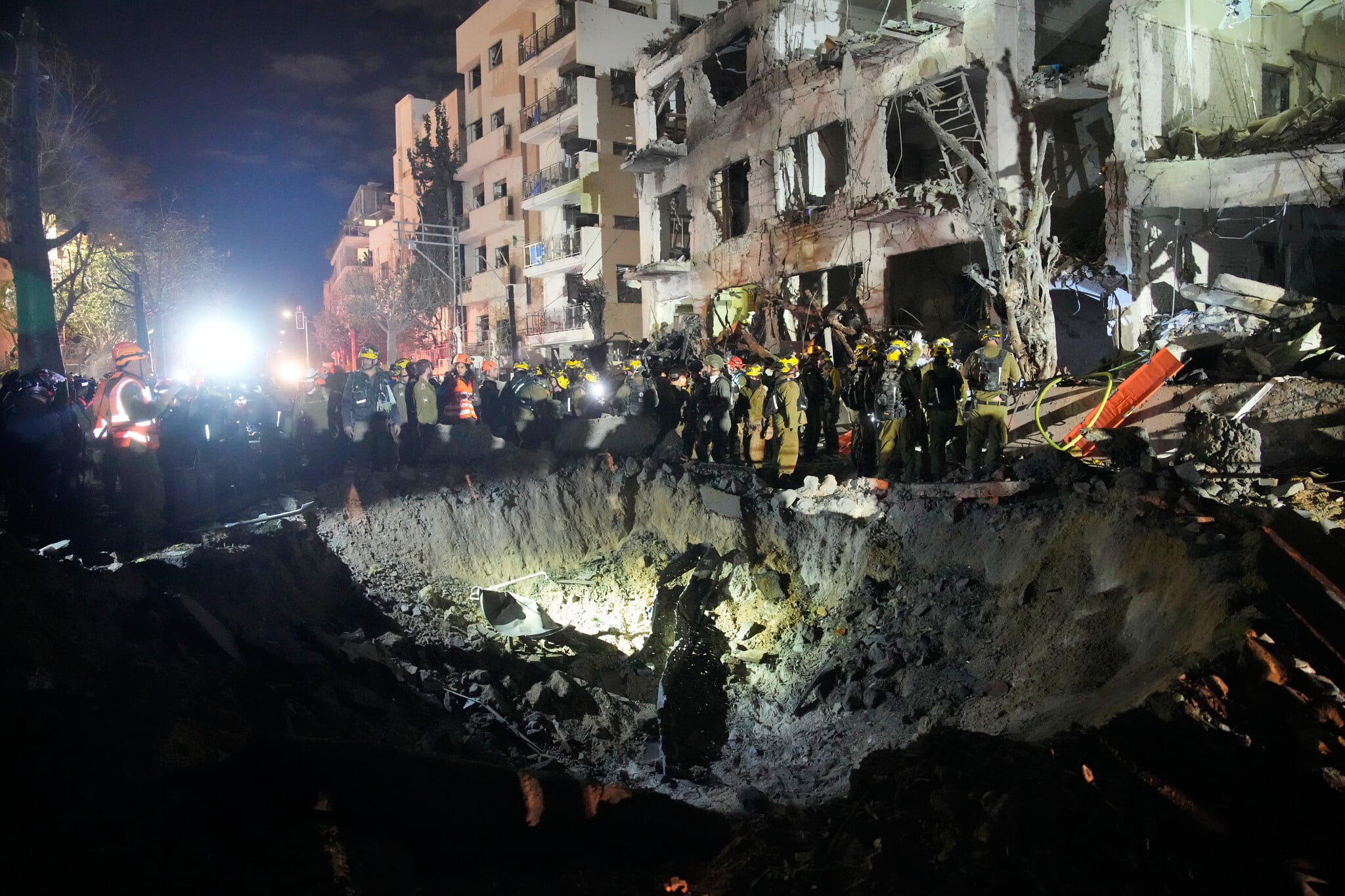
Richard Weiner and Rolly Feld had been in Nahariya, in Israel’s north, until Saturday morning. When the sirens began, they drove back to Jerusalem in the hope they would be safer in the city and farther from significant military targets for the Iranian regime, including the port of Haifa, which was struck by an Iranian barrage at 10 a.m.
Feld recounted that as they drove down Route 4 toward Jerusalem, it felt as if they were being chased by missiles. Periodically, another batch of air raid alerts would sound, forcing them to shelter in tunnels along the highway.
Feld, whose wife was also in the car, said he would have preferred to continue driving, contrary to the advice of Israeli authorities, who recommend pulling over and lying flat to avoid exposure to shrapnel from missile impacts.
“My wife wanted all the time to stick to the guidelines, to stop the car and stay away, and I kept driving fast, then stopped in the tunnels. It’s a compromise,” Feld said.
Weiner, who grew up in Israel but has lived as an adult in South Africa, was critical of Netanyahu’s decision to launch the strikes.
“What he’s doing is horrible for the Iranian people, and it’s horrible for the people over here. The government is pushing for this; the people are not,” he said.
“We have to look for other ways of dealing with the Iranian government, as irrational as they are. We should be supporting the people who are protesting and not trying to topple the government by killing the leadership,” he added, identifying himself as “something of a pacifist.”
Weiner and Feld bantered back and forth on a sidewalk in the leafy neighborhood of Rehavia, discussing the possibility of further escalation and whether it was Israel’s place to intervene on behalf of the Iranian people — if that was indeed part of the calculus.
Weiner concluded, “I have a love-hate relationship with this country. I come back and this happens again. This is clearly not the answer. Many people will be killed, and it’s horrible that tens of thousands have been killed due to their dissent, but how does this help?”
The question of whether the war would succeed in achieving regime change in Iran was on the minds of many of those who were out and about.
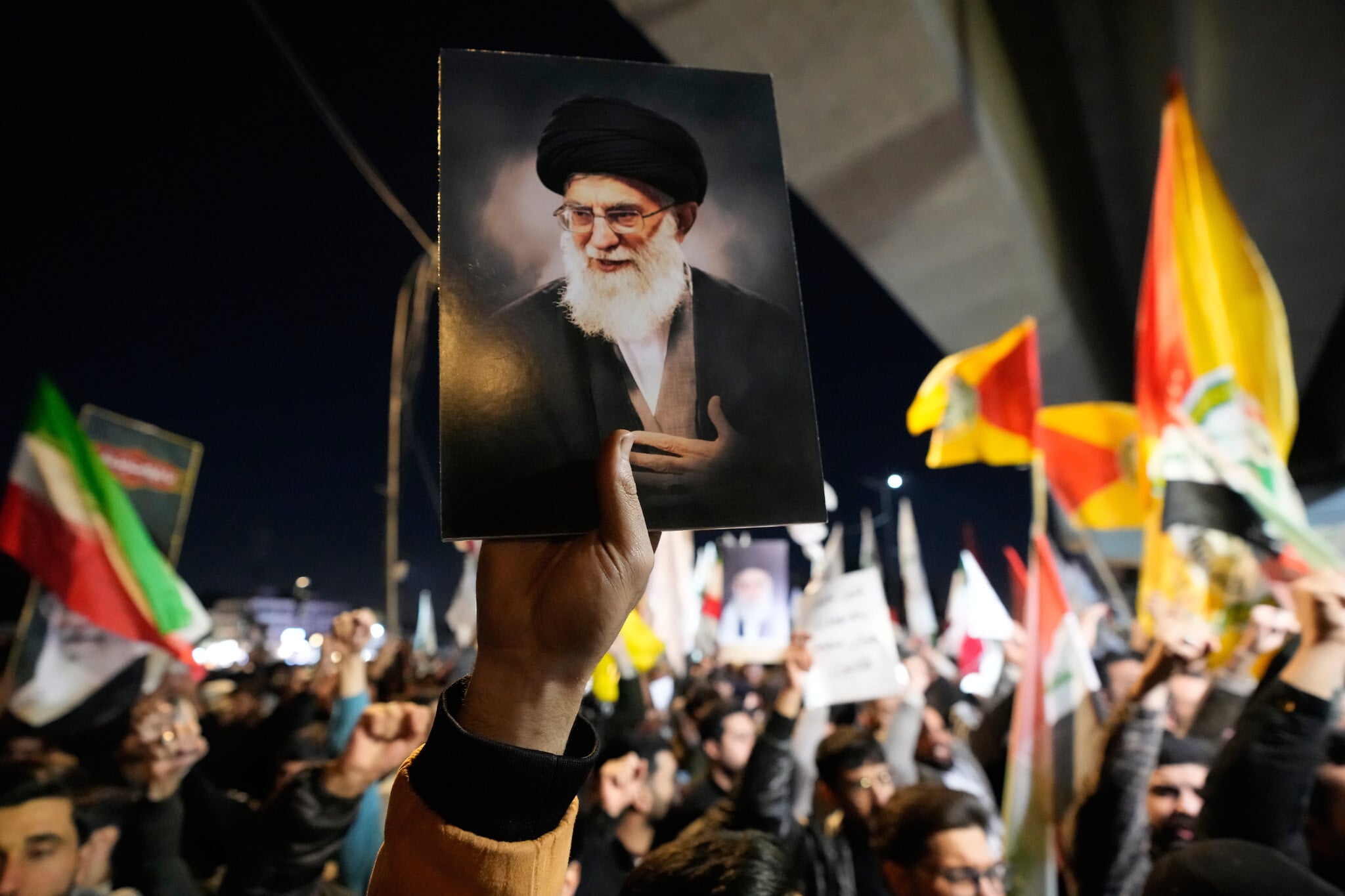
“The chance of actual change is so low,” said Ishay, 44, a Jerusalem resident. “Like in Israel, there is such a strong contingent of those with radical beliefs in Iran. Even if the regime is toppled, who will replace Khamenei?”
Information was hard to come by throughout the day, though over time it became clear that missile impacts had been confirmed in multiple locations, including Bnei Brak, where Magen David Adom treated people who were wounded. By Saturday night, one woman had been killed and another man had been seriously wounded in Tel Aviv, with many injured more lightly.
The war comes as Israel prepares to celebrate Purim, a Jewish holiday commemorating the overthrow of an oppressive Persian regime — a powerful parallel for the current moment.
In the lead-up to the holiday, two Israelis stood talking down the street, seemingly unconcerned by the sirens, both in costume — one wearing a sombrero, the other dressed as a clown.
Yael, who lives in Rehavia, was walking her dog, Lucky, in central Jerusalem’s Meir Sherman Garden.
“We’ve just come to expect this. I am raising my children here in Israel, but sometimes I wonder if there is a future here,” she said.
For Phillips, the fact that both of his visits to Israel have been derailed by conflict did not dampen his support for Israel’s decision to launch the attacks on Iran.
“It’s time to change the regime there because of the nuclear weapons; it’s important to have this under control,” he said. “For Israel, it will be a hard time, I think. But nothing is free; you have to pay with something.”



The Times of Israel Community.