

Murdered medic’s family calls for audio database of Oct. 7 victims’ calls
Over two years after massacre, Amit Mann’s sister says she received three recordings she had never heard before of paramedic’s phone calls from Kibbutz Be’eri to MDA hotline
 Add ToI as a Preferred Source on Google
The family of Amit Mann, a paramedic murdered by terrorists in Kibbutz Be’eri on October 7, 2023, is demanding that the government create a database of all phone calls made by victims to various authorities during the massacre, after they received information by chance on three calls Mann made that were previously unknown to them.
Channel 12 news reported on Friday that Mann’s sister, Haviva, contacted the Magen David Adom ambulance service two weeks ago, requesting information on the exact times her sibling made phone calls to the MDA hotline on October 7, in order to update the presentation on Amit’s story that she has been giving to audiences around the country.
In their response, MDA gave information on seven conversations Amit had with the MDA hotline. Until then, Haviva only knew of four conversations, prompting the demand for a database, according to Channel 12.
“This story is not only Amit Mann and her conversation with MDA,” Haviva Mann told Channel 12 news. “This story is much bigger. It actually concerns so many families and people who were affected” by the massacre.
“Just like a soldier who was killed, his family receives a box with all his belongings, including everything. Everyone who is related to the family member should receive the same thing,” she said.
Channel 12 news published one of the newly uncovered conversations on Friday, in which Amit, who was trapped in the Be’eri dental clinic with the injured and dead for many hours before the terrorists succeeded in breaking in, can be heard asking the hotline for information on when security forces could arrive.
“What’s happening with forces for Be’eri? What’s happening with it?” Mann is heard saying, with concern in her voice.
“At the moment, I’m not expecting anything,” the hotline responder says.
“What does that mean?” Mann asks, telling the person she is taking care of several people who were injured by gunshot wounds, and that there were others across the kibbutz who could not get to her.
“I’ll tell you the truth, the entire area is full of wounded. Okay?” the responder says. “And it is continuing at the moment, the gunfire is continuing.”
“Where is the army?” Mann asks.
“That is something I don’t know at the moment,” the responder says. “But Amit, it will take time.”
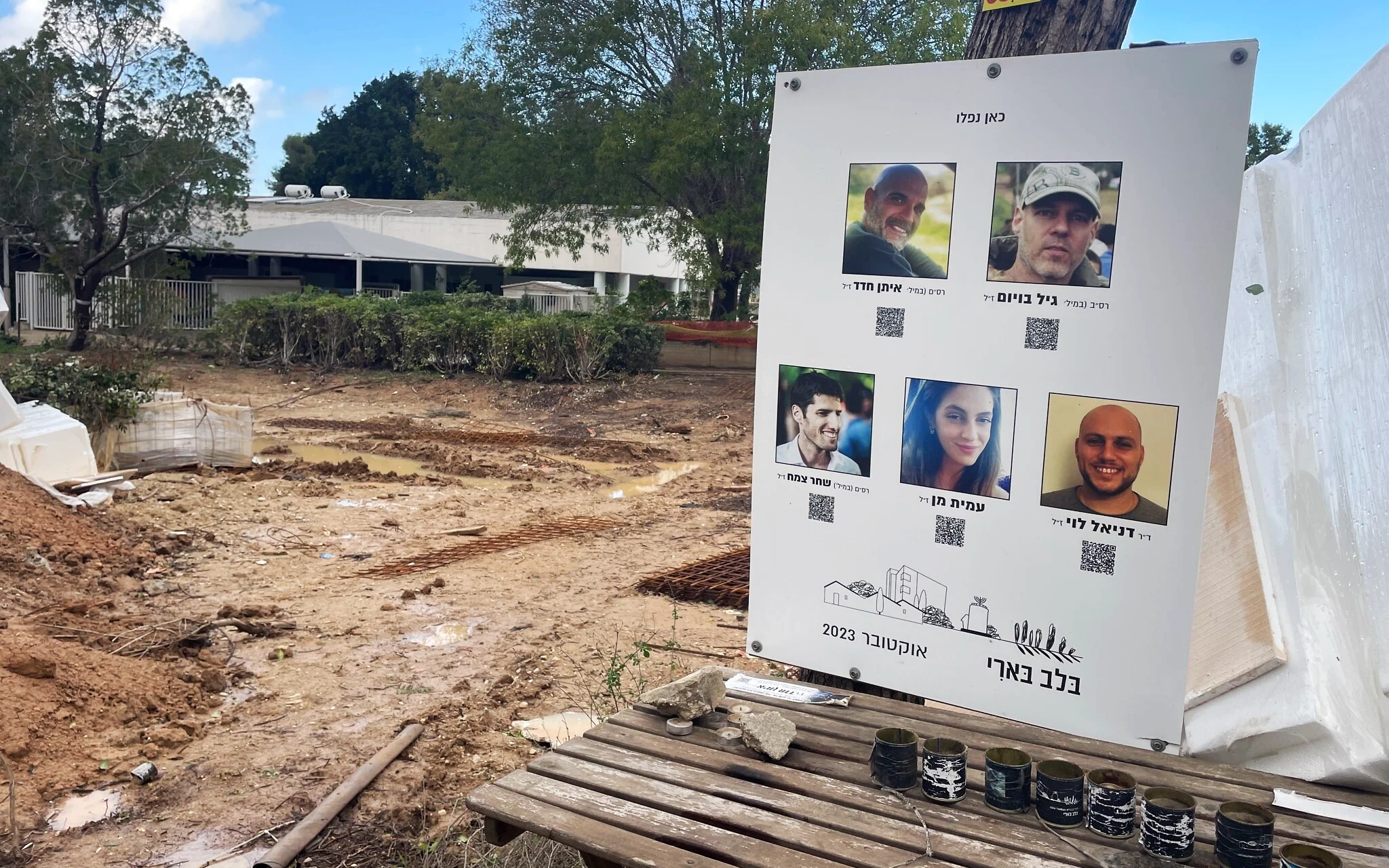
Eventually, Mann was killed in the ad hoc triage center, alongside Dr. Daniel Levi and three members of the kibbutz security team — Eitan Hadad, Shachar Zemach and Gil Buyum.
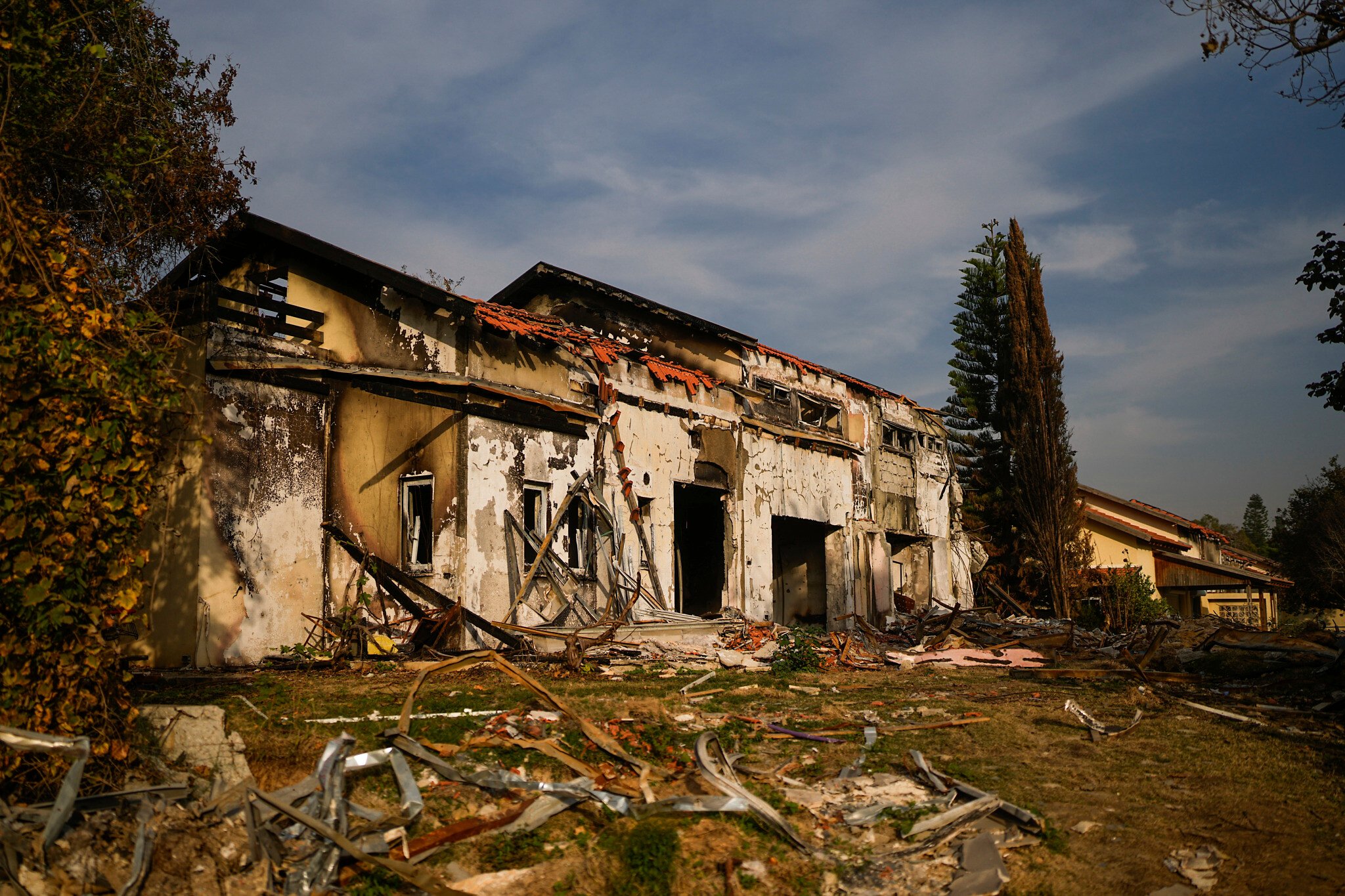
In all, 101 civilians and 31 security personnel were killed in Be’eri — a community of around 1,000 residents — and a further 30 residents and two additional civilians were taken hostage from there by the Hamas terrorists. At least 125 homes in the community were damaged and destroyed amid the fighting.
The collection of information on the final moments of October 7 victims has been a significant struggle for families.
Over a year after the massacre and a protracted legal struggle, the Israel Defense Forces passed on communication recordings of surveillance soldiers killed or abducted on October 7 to the soldiers’ parents, although many of the relatives complained that the recordings were partial, and that some of the servicewomen weren’t heard in them at all.



The Times of Israel Community.