

Sweeping victories and upsets mark Likud’s first internal elections in 14 years
Barkat and Amsalem win Jerusalem, though liberal faction makes surprise showing; Defense Minister Katz suffers key defeats, signaling potential shake-up in party leadership
 Add ToI as a Preferred Source on Google
Ariela Karmel is a political correspondent at The Times of Israel. She previously reported for Calcalist and Haaretz. She holds an MA in Middle Eastern and African History from Tel Aviv University and a BA in Political Science from the University of British Columbia.

Prime Minister Benjamin Netanyahu’s ruling Likud party held elections on Tuesday for its municipal branches and powerful Central Committee for the first time in almost 14 years.
While these elections won’t decide if or when Likud will hold primaries for its Knesset slate, the makeup of the bodies elected on Tuesday signals which MKs and factions command influence inside the party. And those elected to the Central Committee will directly influence the party’s Knesset slate ahead of the next national elections, set to be held by October 2026.
Tuesday’s results delivered sweeping victories for both veteran ministers and new “Liberal Likud” figures, setting the stage for a possible shake-up in the leadership of both the Central Committee and the party’s 50-member executive secretariat.
In Jerusalem, Economy Minister Nir Barkat — the former mayor — ran on a joint slate with Regional Cooperation Minister David Amsalem. Historically bitter rivals, the two opted to join forces and consolidate their winnings.
Their bloc won approximately 60% of the votes, giving them control of the Jerusalem branch council and a large share of the capital’s 170 delegates to the Likud Central Committee, according to Hebrew media reports.
Tourism Minister Haim Katz leads the party’s Central Committee, which has approximately 4,500 members elected by the local Likud branches. It serves as the party’s main representative body, responsible for approving major policy decisions and internal rules.
The showing by the joint slate of Barkat and Amsalem, the latter of whom is seeking to replace Katz as the head of the Central Committee, is expected to increase the pair’s influence in the party. However, they faced formidable opposition from MK Amit Halevi’s ticket, which received 40% of the vote and a proportional number of delegates to the Central Committee. The results were a significant achievement for Halevi’s bloc, which represents the younger Liberal Likud faction within the wider party.

“The group that achieved the greatest success is the one that speaks the national and liberal values of Likud,” MK Dan Illouz, who supported Halevi’s slate, said in a statement. “Thousands of our members went out en masse to achieve an exceptional result. We will continue to lead and insist that our party stick to its path, which is so important for the country’s future.”
Speaking with The Times of Israel on Wednesday, Illouz claimed that Likud Liberals, a growing faction within the party associated with Illouz, Halevi, Communications Minister Shlomo Karhi, Energy Minister Eli Cohen and other figures, “promote free markets and classical liberal values.”
He emphasized that they identify with economic liberalism “in a European sense” rather than American liberalism, which now has a more social connotation.
Halevi was reportedly supported by the Netanyahu family, including the prime minister’s son, Yair, who tweeted his support for him and pressured Likud activists not to vote for the Barkat-Amsalem bloc, due to historical enmity between Barkat and the prime minister.
One of the most sweeping victories of the night went to Rishon Lezion City Council member Eitan Shalom, backed by MK David Bitan, who secured a commanding 86% of the local vote, consolidating control over the branch and its delegation to the national convention.
Defense Minister Israel Katz’s slate suffered several defeats in both Acre and Kfar Saba. The results did not bode well for Katz, who currently leads the party’s powerful 50-member secretariat, which is elected by the Central Committee.
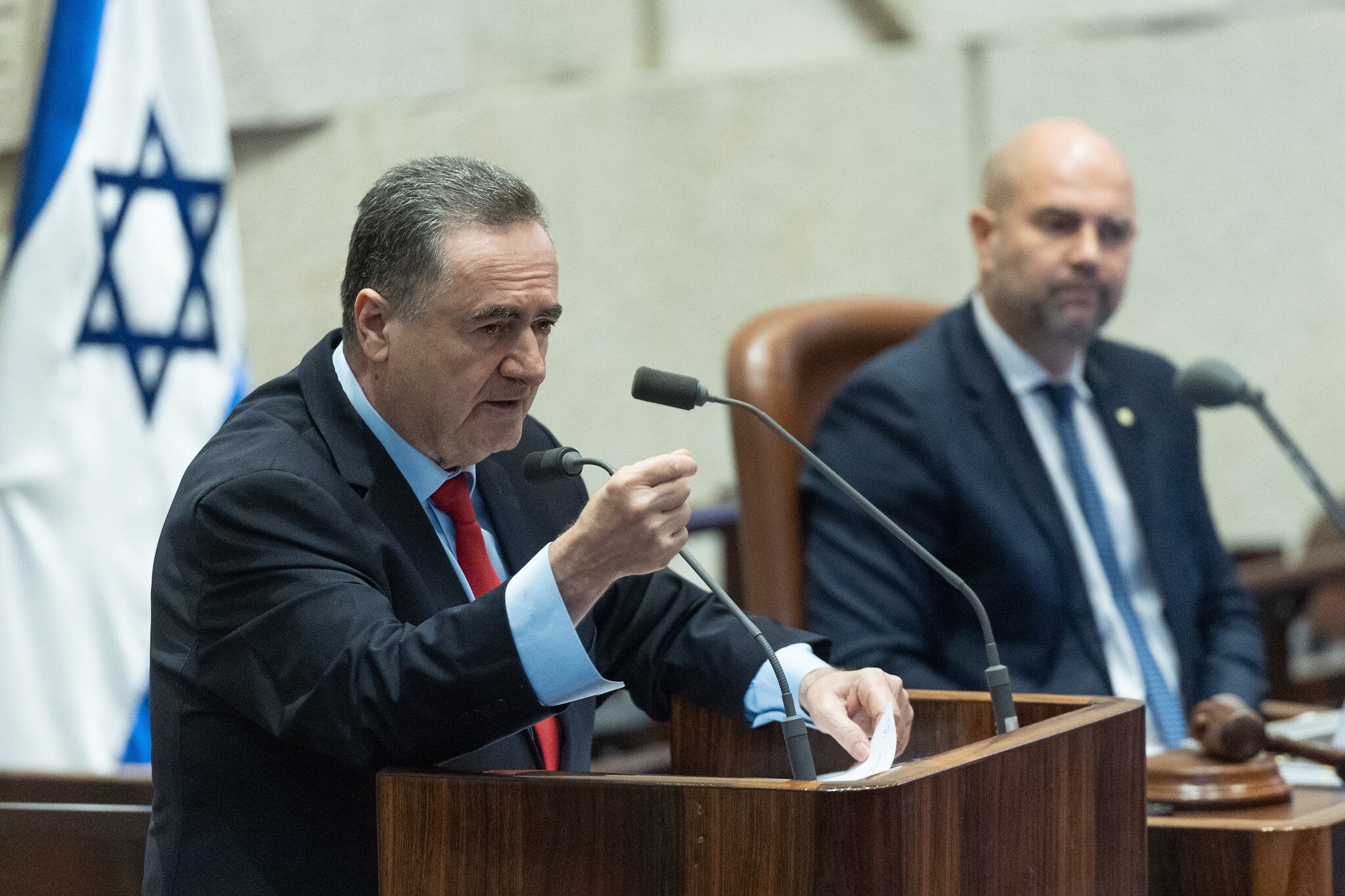
Both Energy Minister Eli Cohen, who achieved mixed results, and Culture Minister Miki Zohar, whose supporters achieved several successes, are seeking to replace Katz as head of the party’s executive body. The secretariat is responsible for party operations, including staff, budget, regional offices, campaigns, and selecting candidates for the party’s Knesset slate in certain reserved slots.
While the new members of the Central Committee were picked Tuesday, its head, as well as the secretariat members and its leader, will be selected during a 90-day voting period.
Meanwhile, Communications Minister Karhi’s bloc captured Bnei Brak with 72% of the vote, ousting the incumbent, though his influence faltered in Beersheba, where Haim Katz’s slate emerged victorious.
Elsewhere, MK Ariel Kallner’s slate won in Haifa with 65% of the vote, Zohar’s slate won in Kiryat Gat with roughly 66% of the votes, and MK Ofir Katz’s slate triumphed in Afula with 70%.



The Times of Israel Community.