

Syria’s Sharaa: Security pact talks with Israel could yield results ‘in coming days’
‘It’s a difficult case — you have negotiations between a Damascene and a Jew,’ Syrian leader says of US-mediated contacts while ruling out discussions on Golan as premature
 Add ToI as a Preferred Source on Google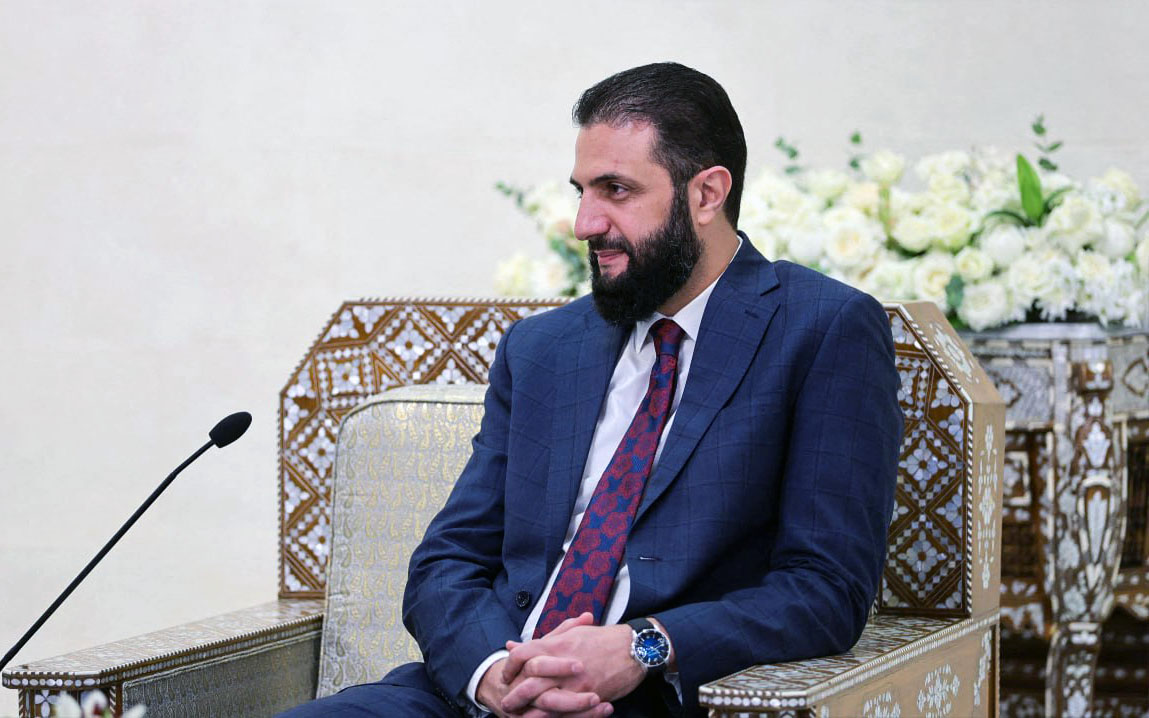
DAMASCUS, Syria — Syrian President Ahmed al-Sharaa said on Wednesday that ongoing negotiations with Israel to reach a security pact could lead to results “in the coming days.”
He told reporters in Damascus the security pact was a “necessity” and that it would need to respect Syria’s airspace and territorial unity and be monitored by the United Nations.
Syria and Israel are in talks to reach an agreement that Damascus hopes will secure a halt to Israeli airstrikes and the withdrawal of Israeli troops who have pushed into southern Syria, with the sides holding a US-brokered meeting in London on Wednesday that the Axios news site said lasted five hours.
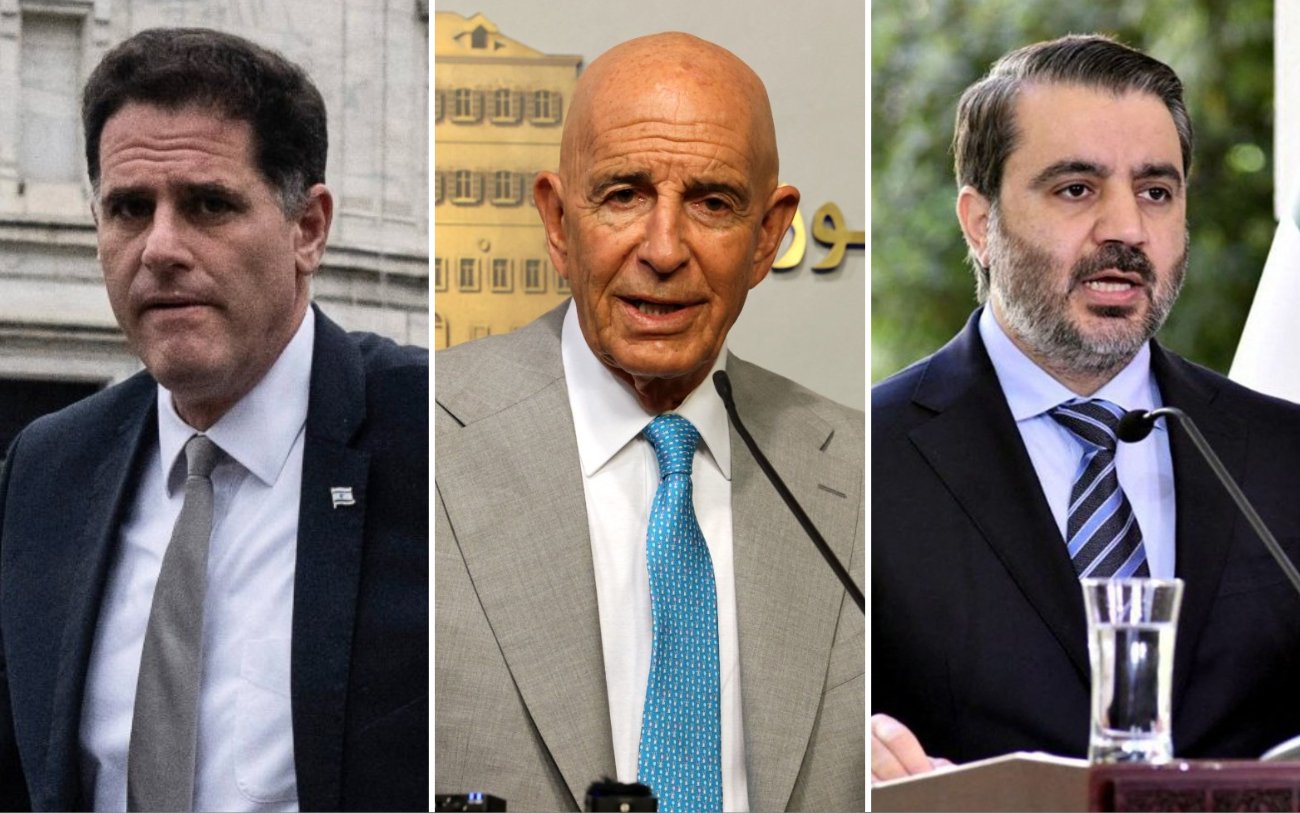
According to the report, Syrian Foreign Minister Asaad al-Shaibani presented Strategic Affairs Minister Ron Dermer with Syria’s response to an Israeli proposal for the security arrangement.
Reuters reported earlier this week that Washington was pressuring Syria to reach a deal before world leaders gather next week for the UN General Assembly in New York.
But Sharaa, in a briefing with journalists including Reuters ahead of his expected trip to New York to attend the meeting, denied the US was putting any pressure on Syria and said instead that it was playing a mediating role.
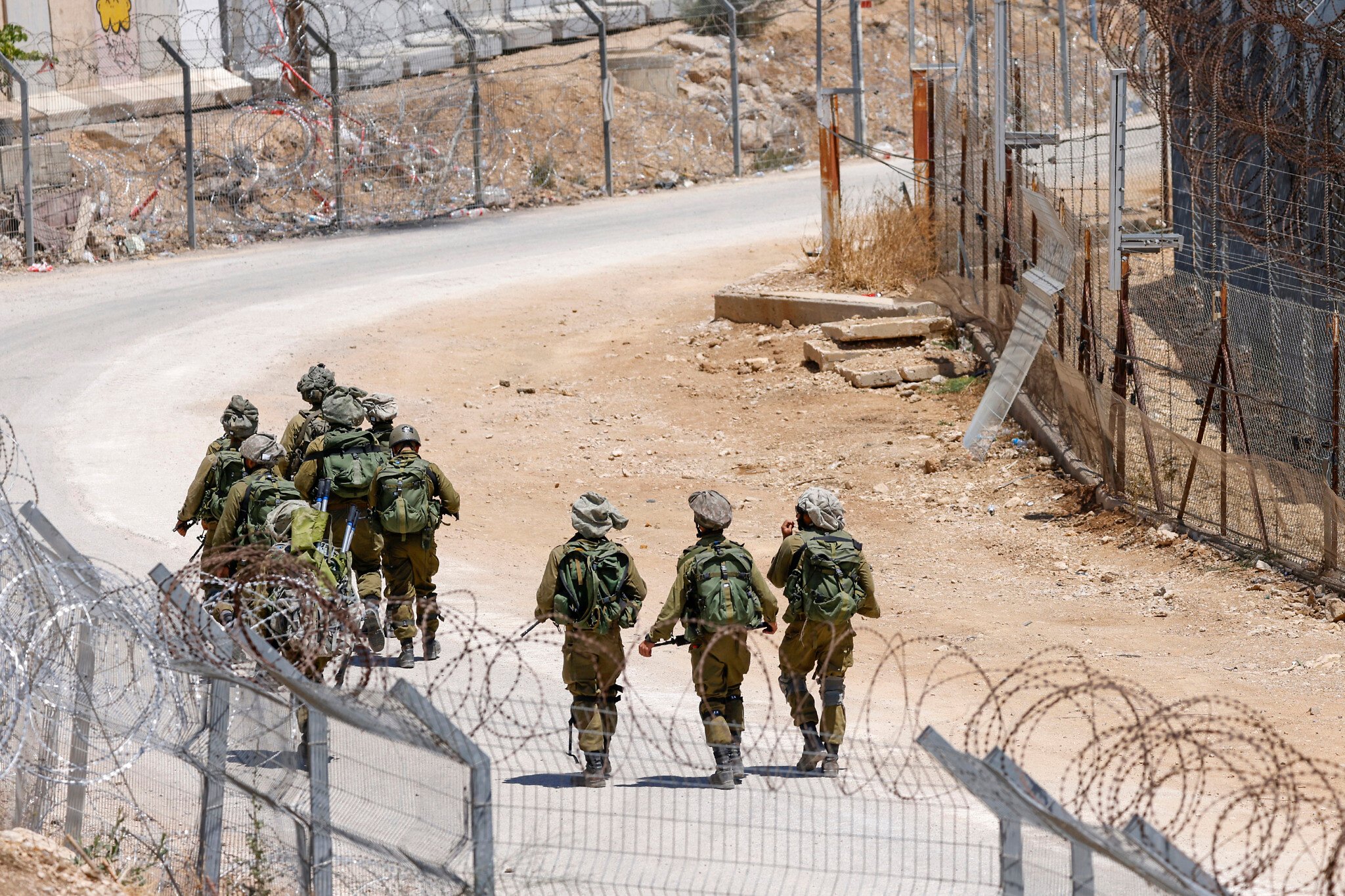
He said Israel had carried out more than 1,000 strikes on Syria and conducted more than 400 ground incursions since December 8, when the rebel offensive he led toppled former Syrian leader Bashar al-Assad.
Sharaa said Israel’s actions were contradicting the stated American policy of a stable and unified Syria, which he said was “very dangerous.”
He said Damascus was seeking a deal similar to a 1974 disengagement agreement between Israel and Syria that created a demilitarized zone between the two countries following the 1973 Yom Kippur War a year earlier.
He said Syria sought the withdrawal of Israeli troops but that Israel wanted to remain at strategic locations it seized after December 8, including the Syrian side of Mount Hermon. Israeli ministers have publicly said Israel intends to keep control of the sites.
Sharaa said if the security pact succeeds, other agreements could be reached. He did not provide details, but said a peace agreement or normalization deal like the US-mediated Abraham Accords, under which several Muslim-majority countries agreed to normalize diplomatic ties with Israel, was not currently on the table.
He also said it was too early to discuss the fate of the Golan Heights, much of which Israel captured from Syria in the 1967 Six Day War and latter extended sovereignty over, because it was “a big deal.”
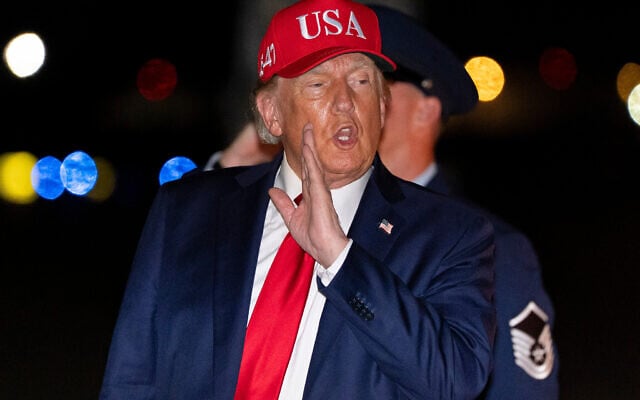
Reuters reported this week that Israel had ruled out handing back the strategic plateau, which Donald Trump unilaterally recognized as Israeli during his first term as US president.
“It’s a difficult case — you have negotiations between a Damascene and a Jew,” Sharaa told reporters, smiling.
Security pact derailed in July
Sharaa also said Syria and Israel had been just “four to five days” away from reaching the basis of a security pact in July, but that developments in the southern province of Sweida had derailed those discussions.

Syrian troops were deployed to Sweida in July to quell fighting between Druze armed factions and Bedouin fighters. But the violence worsened, with Syrian forces accused of execution-style killings and Israel striking southern Syria, the defense ministry in Damascus and near the presidential palace.
Sharaa on Wednesday described the strikes near the presidential palace as “not a message, but a declaration of war,” and said Syria had still refrained from responding militarily to preserve the negotiations.
Syrian FM to discuss lifting remaining US sanctions
Axios also reported that Asaad al-Shaibani, the Syrian foreign minister, will meet with US lawmakers in Washington this week to discuss the lifting of remaining US sanctions on his country.
US Senator Lindsey Graham was cited in the report say saying that he and other senators are due to meet Shaibaini on Thursday to discuss the permanent lifting of certain sanctions authorized by legislation, including the Caesar Act.
Shaibani is expected to meet Secretary of State Marco Rubio on Friday, the report said.
Graham said he would support the cancelling of the remaining sanctions if Syria officially moves toward a new security deal with Israel and join a coalition against the Islamic State extremist group.
The US State Department didn’t immediately respond to a request for comment about Shaibani’s visit.






The Times of Israel Community.