

‘Truth has long ceased to be a supreme value,’ TV anchor tells fake news confab
Channel 12’s Rina Matsliah describes dilemmas facing journalists: ‘If you report it, you amplify it. If you don’t, you’re out of the conversation’
 Add ToI as a Preferred Source on Google
Sue Surkes is The Times of Israel's environment reporter
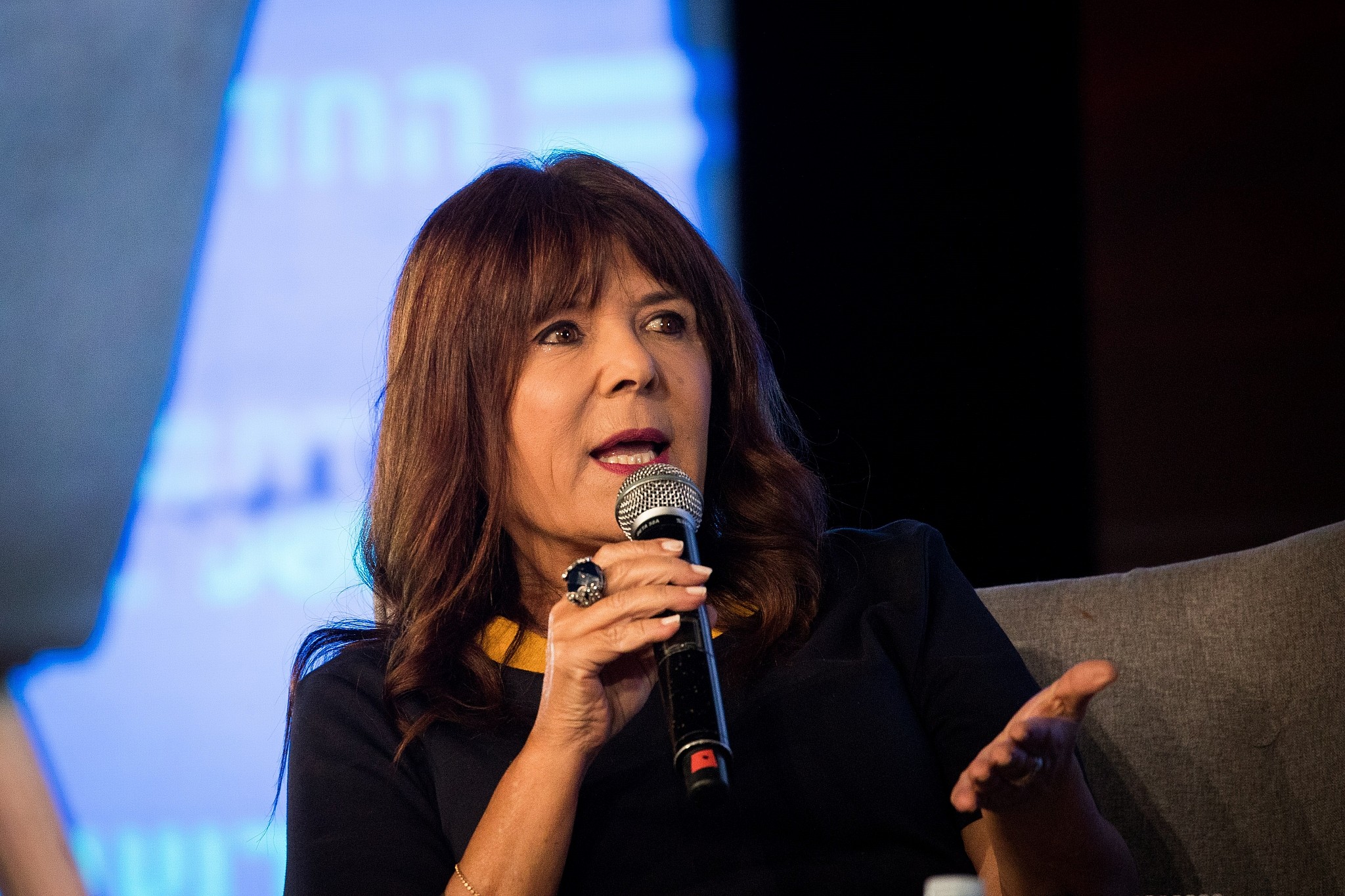
It is an axiom of good journalism always to question what a politician says. But sometimes, even responsible reporters fail to foresee how a particular news story will pan out.
Such was the case with Rina Matsliah, a seasoned reporter, TV anchor and political commentator for Channel 12.
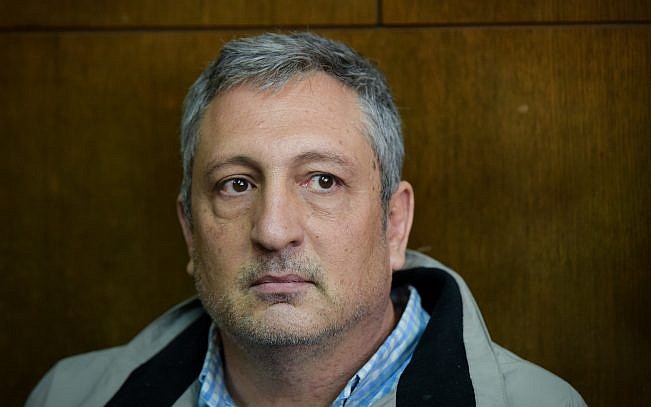
On Wednesday, she regaled attendees at the Fake News Conference in Herzliya with a story about Nir Hefetz, a former newspaper editor and subsequent media adviser to Prime Minister Benjamin Netanyahu’s family who eventually turned state’s witness in two corruption cases in which the prime minister is allegedly involved.
While serving as the Netanyahus’ media adviser many years ago, Hefetz called Matsliah to offer her a scoop. He told her that Netanyahu had decided to build a fence along Israel’s southern border to stop migrants from entering the country and that he had the cabinet’s support. She duly reported the story.
Later on, Hefetz called her again, and said, “Rina, listen, I’m going to deny what you said. The prime minister didn’t like the fact that this was made public.” She protested loudly, but to no avail. “I said to him, ‘When you are told something about the prime minister by his spokesman you don’t go and check it.’ He said, ‘You’re right, but there’s nothing I can do. ‘ And he issued a denial saying that the prime minister never took such a decision and that it was never raised in the cabinet.
“We didn’t report the denial and fortunately for me, most other journalists relied on me sufficiently not to report it as well.”
But she was sharing the story, she said, to illustrate that “truth has, for a long time, ceased to be a supreme value,” as has the requirement for a journalist to be trustworthy.
Speaking about the dilemmas faced by journalists in the current media landscape, Matsliah described her preparations for an interview with Blue and White party leader Benny Gantz broadcast on her program, “Meet the press,” on Sunday.
Before the interview, she read all the relevant morning newspaper articles, she said. Among these was a report by the Maariv newspaper’s political correspondent, Ben Caspit, alleging that Gantz had seen a therapist after his retirement from the army, and had been prescribed pills. Gantz has denied the report.
“We checked who the psychologist was… and found that she is also an organizational consultant,” Matsliah said. “Maybe he had met with her as an organizational consultant?
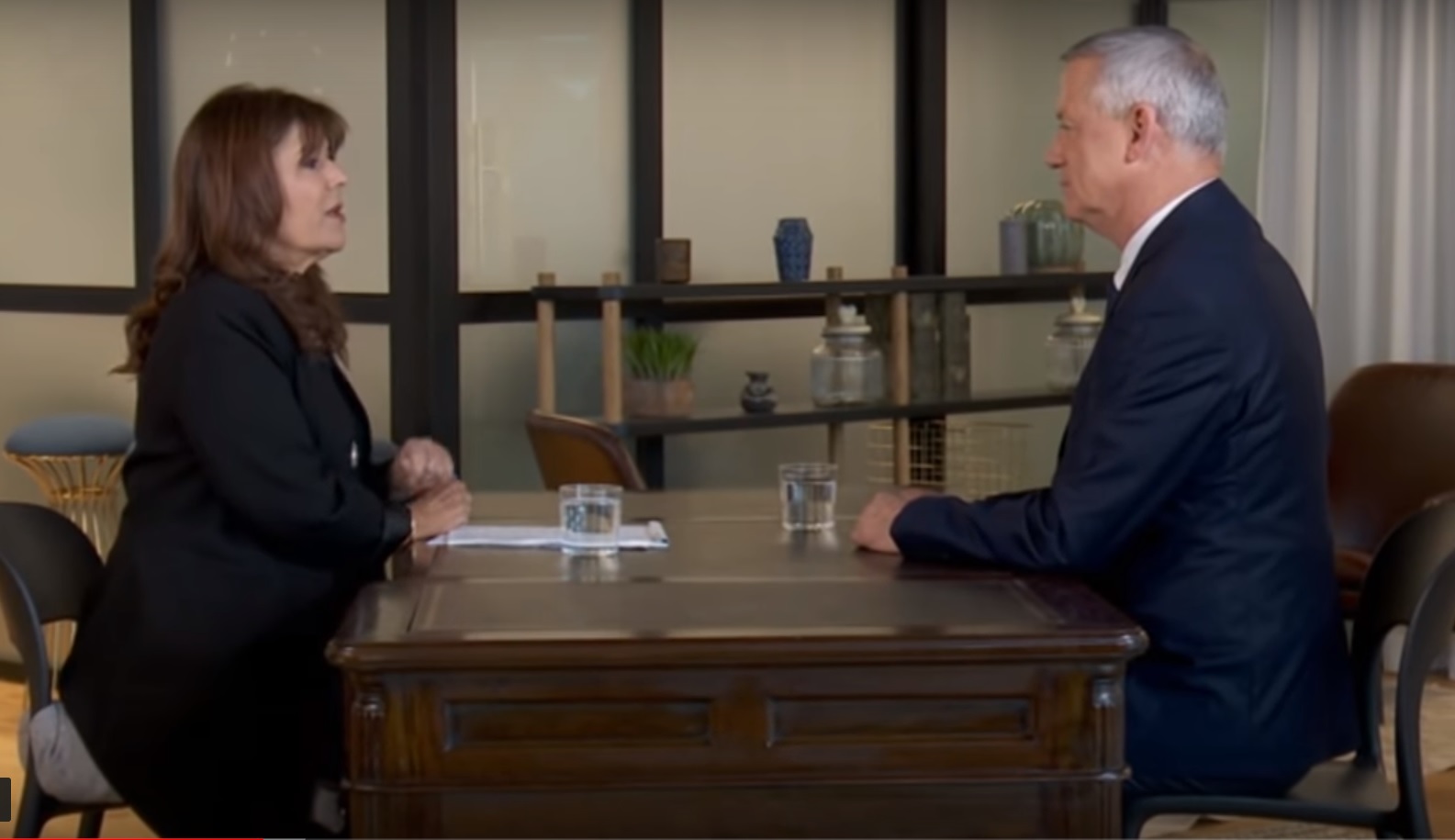
“You don’t know what to do. It is clear that [the claim] came from someone who wanted to tar [Gantz’s] name. So I didn’t make a note of it. But then you’re sitting with him and you know that people are talking about it on all the social networks. And I thought I have to ask him. I asked him.”
Gantz, whose party said it would sue Caspit over the report, replied by playing on the word kadur in Hebrew, which can mean both pill and bullet. He said he only knew the latter kind.
“How do you deal with information that’s not true?” Matsliah said of the predicament. “If you continue to talk about it, you amplify it. If you don’t, you’re outside the conversation. It’s a big dilemma for a journalist.”
Raising the example of a long-refuted rumor that Gantz’s wife has taken part in events of Machsom Watch, a left-wing advocacy group that campaigns against Israel’s control over the West Bank, Matsliah added that denying a false rumor can also keep it alive in the public consciousness.
Likud’s repetition of the unsubstantiated claim that Gantz was mentally unstable was effective, Matsliah said. She invited conference attendees to watch her interviewing taxi drivers on Friday evening’s upcoming news magazine program: They all now believed the former general was unhinged.
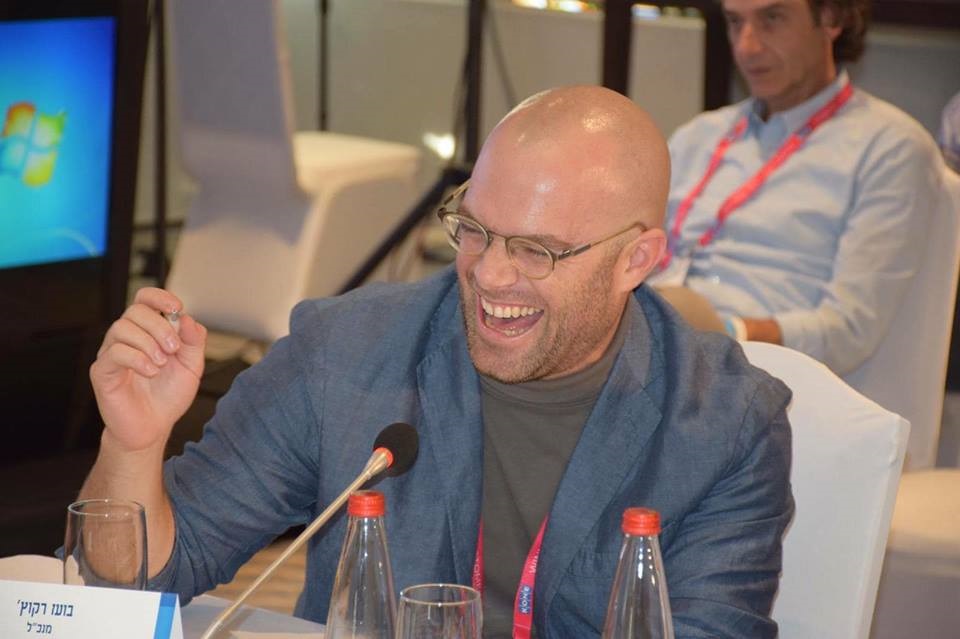
Another speaker at the conference was Boaz Rakocz, founder and CEO of The Whistle (Mashrokit, in Hebrew), a fact-checking organization now part of the Globes financial daily newspaper, and also working for Facebook in the run-up to the elections. Rakocz said he believed that calling politicians out for misinformation does have a positive effect.
As an example, Rakocz said The Whistle, which researches and then grades claims by politicians, had run three items about misinformation provided by energy minister Yuval Steinitz on different subjects. Steinitz then phoned Rakocz in an unsuccessful attempt to persuade him that what he had said was true. “The time he spent on the phone showed that we do have influence,” Rakocz said.
An aide for another minister, who requested anonymity, had demanded that The Whistle remove a piece about price rises or at the very least change the grade it had given. Rakocz refused.
“Two hours later, the minister himself got on the phone and screamed. But the next time he was interviewed on the same subject, he was very careful with the facts.”
Tami Shenkman, a former media adviser to top politicians including the late Binyamin Ben-Eliezer and now working in PR, said she had yet to meet a politician who was not “paranoid” about his or her image.
The conference was held at the Zvi Meitar Institute for Legal Implications of Emerging Technologies at the Interdisciplinary Center Herzliya.








The Times of Israel Community.