

Two-thirds of Israelis believe US now calls the shots on IDF operations in Gaza – poll
On anniversary of Rabin murder, 70% across political lines are worried about another assassination; public divided on Haredi draft, critical of Yair Netanyahu’s potential WZO appointment
 Add ToI as a Preferred Source on Google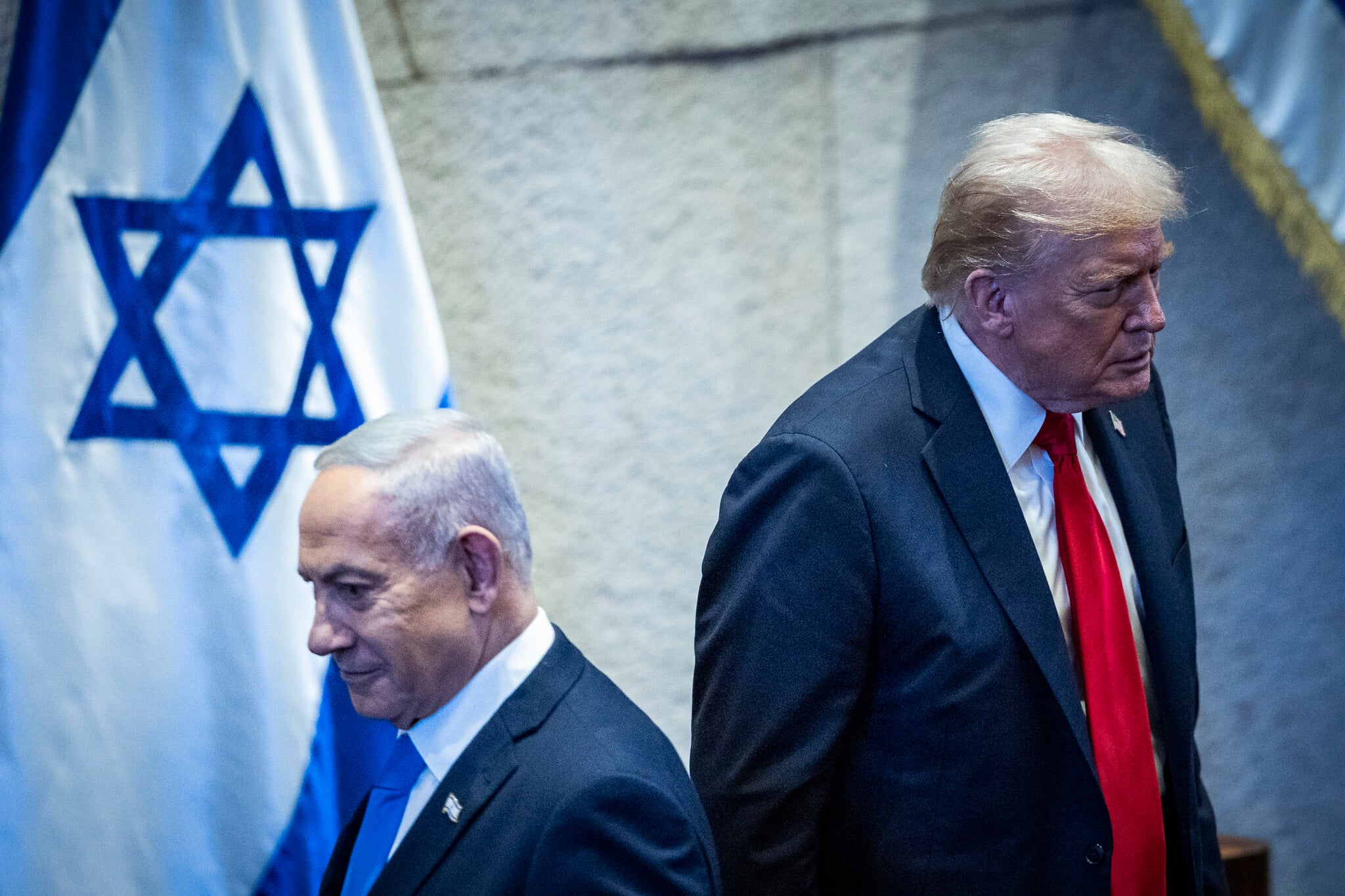
Two-thirds of Israelis believe the United States, not Israel, is now steering military operations in Gaza, according to a survey by Channel 12 released Friday evening.
The poll found that 67 percent of respondents think the US is the main decision-maker when it comes to Israel’s policy and IDF actions in the Strip.
Just 24% said Israel is the one calling the shots, while 9% were unsure.
The survey also asked whether Israel has effectively become a “client state” of the US, a notion both Prime Minister Benjamin Netanyahu and senior American officials — including US Vice President JD Vance while visiting Israel — have rejected. On Sunday, Netanyahu insisted that Israel remains a “sovereign state,” describing its ties with Washington as a “partnership” rather than dependency.
Still, nearly seven in ten respondents (69%) agreed with the characterization, including 23% who said they “strongly agree,” while only 25% disagreed.
Beyond the US-Israel power dynamic, the poll conducted with the Midgam Institute also painted a picture of a public deeply divided on key political and social issues.
A slim majority of Israelis (51%) said they support revoking voting rights for citizens who do not perform military or national service, with 32% saying they “strongly support” the idea. Forty-two percent opposed it.
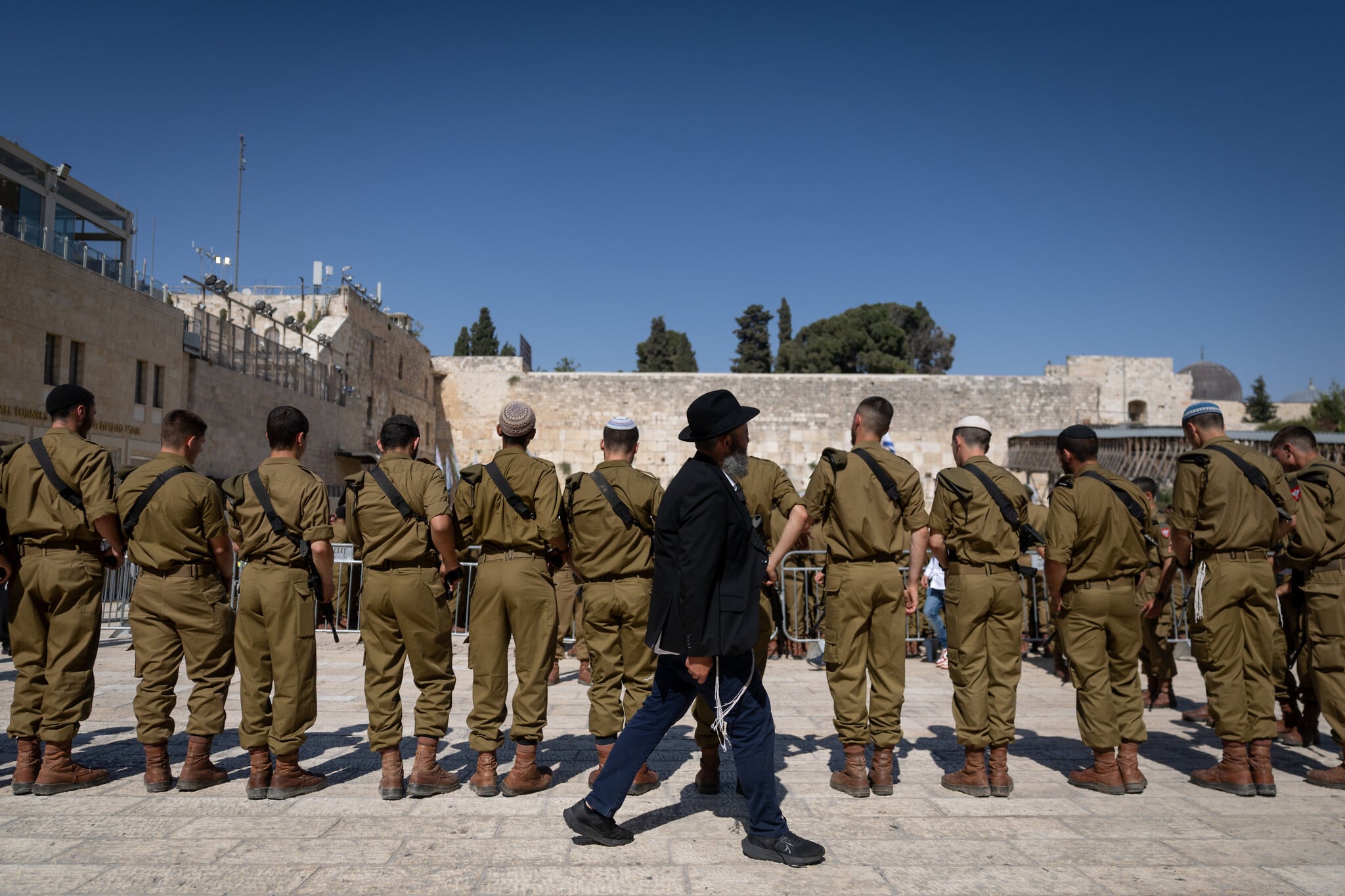
Opposition voters showed overwhelming backing for the proposal (68%), while coalition supporters were more evenly split, with nearly half (49%) opposing it.
On the contentious ultra-Orthodox draft issue, 40% said Likud MK Boaz Bismuth’s proposed conscription bill is intended mainly to bring Haredi parties back into the governing coalition, compared to 28% who believe the aim is genuinely to draft ultra-Orthodox men into the IDF.
Among coalition voters, 37% said they believe in the bill’s stated purpose; among opposition voters, 60% viewed it as a political maneuver.
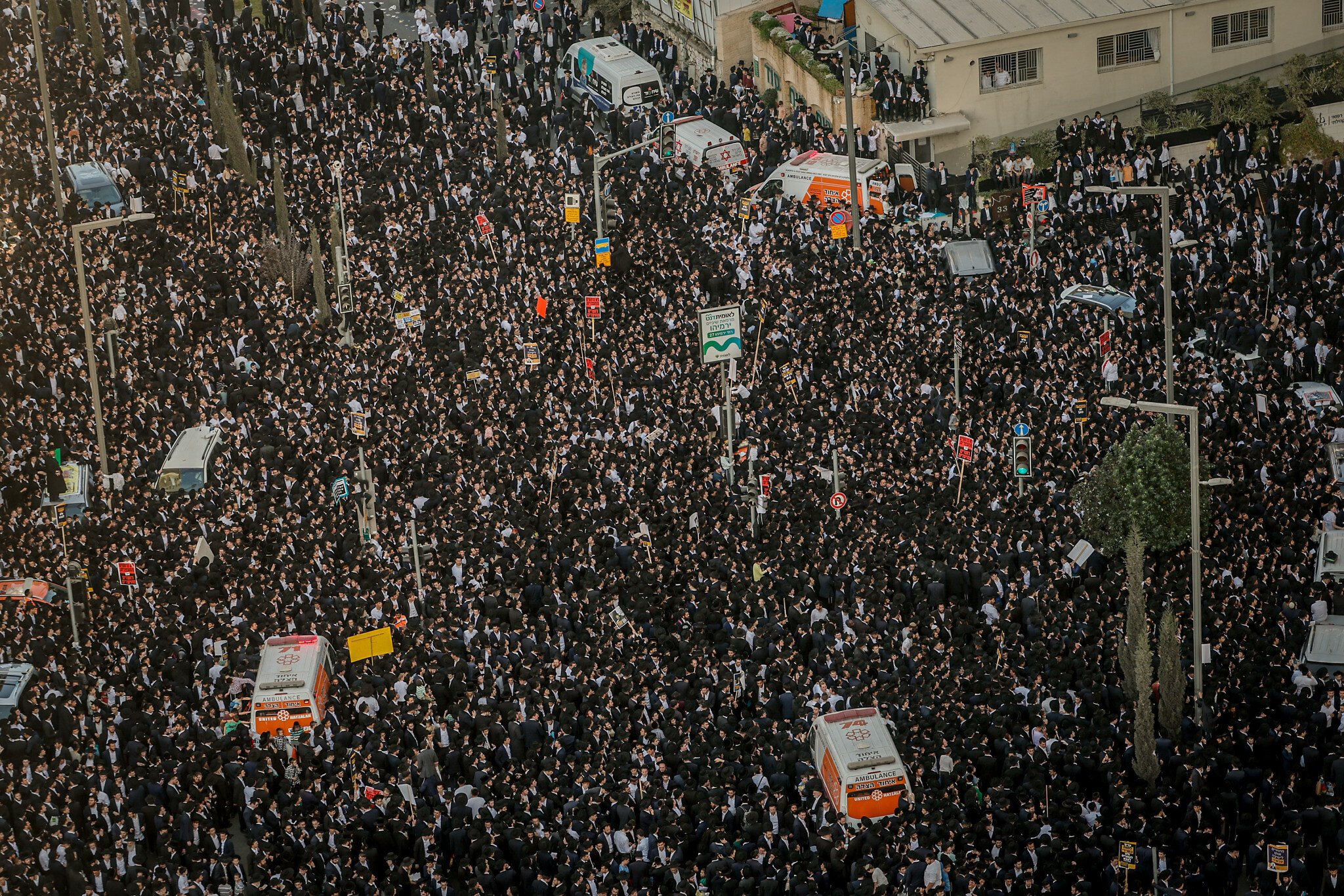
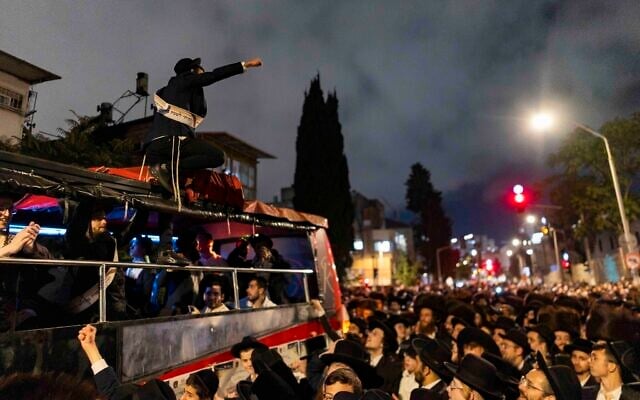
The survey’s findings came amid escalating tensions over military draft exemptions for the ultra-Orthodox community. On Thursday, some 200,000 Haredi men jammed the entrance to Jerusalem for what organizers called a “million man” protest against conscription.
The rally followed a recent crackdown on ultra-Orthodox draft evasion, during which more than 870 apparently Haredi men have been arrested — a small fraction, roughly 7%, of the 6,975 officially classified as draft dodgers in recent months.
A majority of respondents to the Channel 12 poll (53%) said they would not vote for a party that supports legislation allowing Haredim to avoid military service, compared to just 24% who said they would.
The sentiment was especially pronounced among opposition voters, with 81% saying they would refuse to back any party promoting such an exemption.
Marking three decades since the assassination of then-prime minister Yitzhak Rabin, 67% of Israelis told pollsters they fear the country could see another political murder.
Concern levels were consistent across political lines, hovering around 70% among both right-wing and center-left voters.
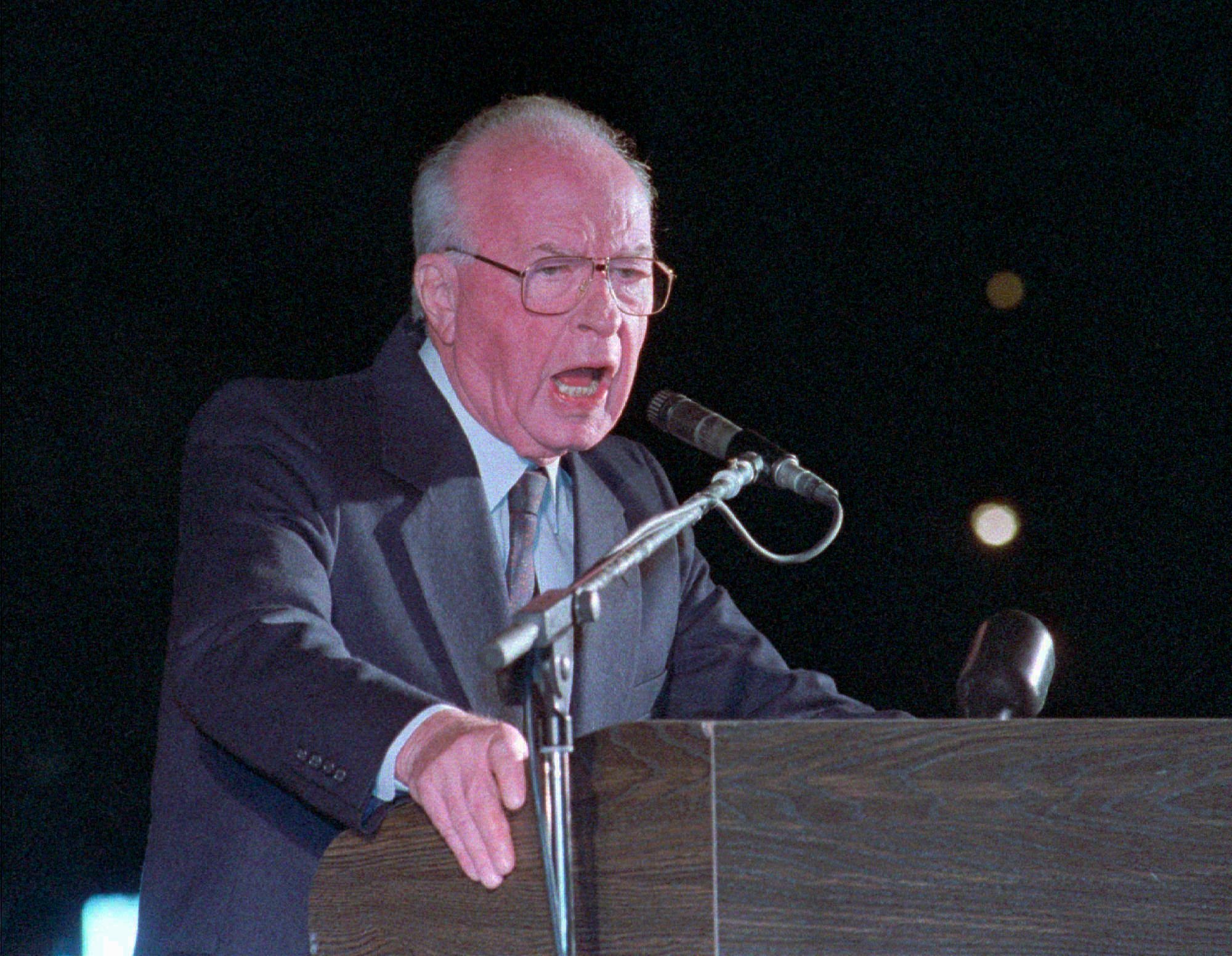
Asked to reflect on Rabin’s legacy, 51% said they view his contribution to the state as positive, while 28% described it as negative. One-third (33%) said Israel would be in better shape today had he not been killed; 22% said the opposite.
Finally, the poll addressed reports about the possible appointment of Yair Netanyahu, the prime minister’s son, who has a history of inflammatory comments, to a senior post in the World Zionist Organization.
Three-quarters of respondents (75%) said such an appointment would be inappropriate, including 61% who called it “completely inappropriate.” Even among coalition voters, 58% opposed the idea.




The Times of Israel Community.