

UK Jews’ wellbeing, way of life ‘increasingly challenged, undermined’ by antisemitism – report
British Board of Deputies identifies rising antisemitism in civil society, including national health service, unions, and professional bodies, leaving Jews ‘nowhere they can turn’
 Add ToI as a Preferred Source on Google
Stuart Winer is a breaking news editor at The Times of Israel.
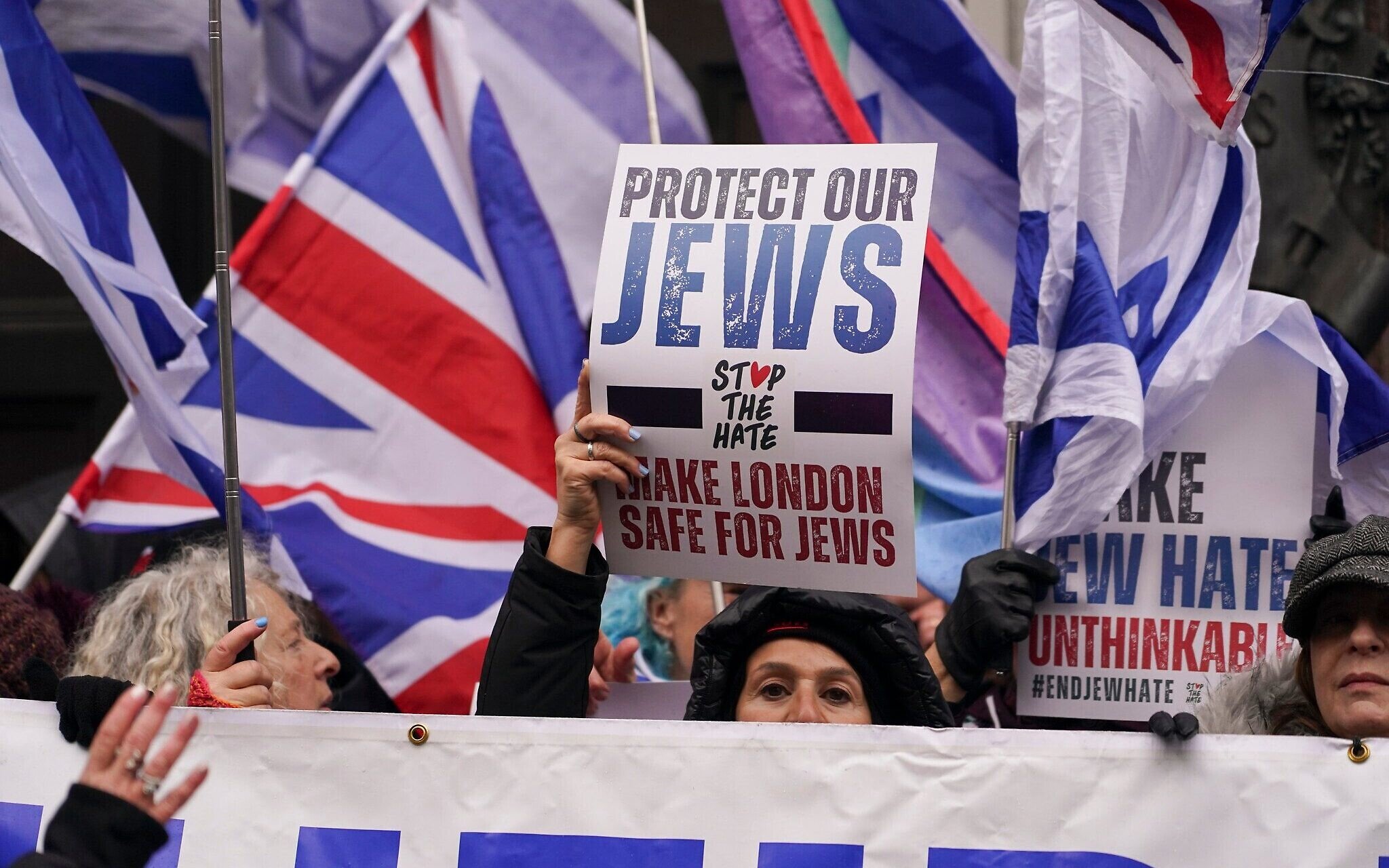
The increase of antisemitism in civil society has left UK Jews feeling they have no one they can turn to outside of their own community, the Board of Deputies of British Jews said in a report released Tuesday that pointed to problems in the health service, unions, and professional bodies.
The report was compiled by the board’s Commission on Antisemitism, which took testimonies from organizations, staff networks, students, and the Jewish community, it said in a statement.
The report found evidence of a “specific unaddressed issue of antisemitism” within the UK National Health Service and “hidden barriers” against Jewish artists and performers.
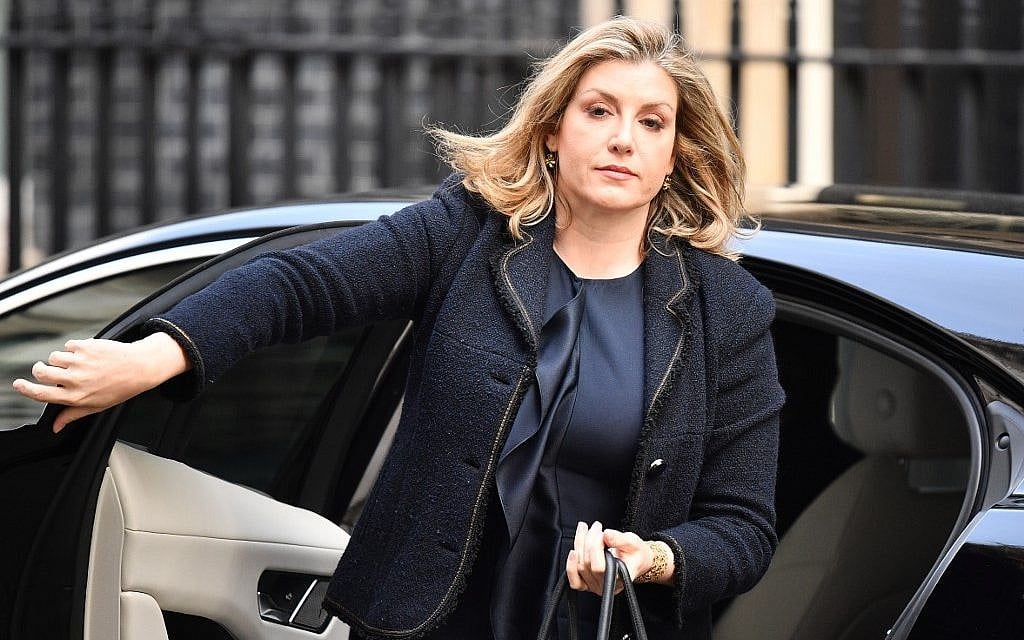
“The Jewish community in our country increasingly feels that it is being tolerated, rather than being respected,” wrote the two co-chairs of the commission, Independent Adviser on Antisemitism Lord John Mann, of the Labour government, and Conservative former secretary of state for Defense and Leader of the House of Commons Dame Penny Mordaunt.
“Following the terrorist attack in Israel, led by Hamas on October 7, 2023, the United Kingdom witnessed an immediate and alarming resurgence of anti-Jewish hatred on our streets, online, in education, and across civil society,” they said. “October 7th has brought to the fore problems that already existed.”
The report cited figures from the Community Security Trust, which provides security for Jewish institutions. It found that 2024 saw 3,528 recorded antisemitic incidents, the second-highest rate ever recorded by the CST. The highest was 2023, with 4,103 incidents.
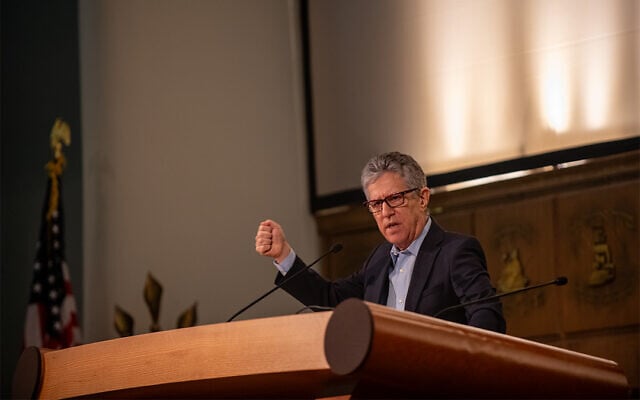
Board of Deputies President Phil Rosenberg said in the statement that “the vertiginous growth in antisemitism has had common features with previous rounds of conflict in the Middle East,” but is also different in that “antisemitism has crept into civil society, including the workplace, cultural spaces, and even the NHS.”
British Jews have found that there is almost nowhere they can turn, outside the community, where antisemitism does not seem present in some form
“This has led to a situation where British Jews have found that there is almost nowhere they can turn, outside the community, where antisemitism does not seem present in some form, and this has been very debilitating for the community.”
The commission offered 10 recommendations that focused on improving equality training to guarantee that education on antisemitism is also included, ensuring that professional bodies do not discriminate against their Jewish members, and preventing activities or actions that undermine trust in public services.
“Ours is a call for precise action,” the commission wrote.
“No person should face abuse or discrimination whilst going about their business, whether it is pursuing the career of their choice or accessing public services,” Mordaunt said in the statement. “We wanted to suggest some very practical things that can be dealt with swiftly and will dramatically improve people’s experiences.”

Mann said it is “unacceptable that the Jewish community has faced an onslaught of antisemitism since October 7th. Whilst this is not new, the commission heard shocking experiences that we will not ignore.”
The report did not list specific cases of antisemitism, but said that “the Jewish way of life and the wellbeing of British Jewish individuals and families is being increasingly challenged and undermined.”
“Antisemitism is changing its shape yet again, and our recommendations are very specific to target gaps that are clearly identifiable. These gaps need addressing urgently.”
In listing its recommendations, the commission said evidence it received showed a “specific unaddressed issue of antisemitism” within the National Health Service. The board recommended a summit of NHS leaders across the UK to address the matter, along with basic training on contemporary antisemitism at every NHS trust.
While stressing that “everyone should have the right to express their opinions and beliefs,” the board noted that those employed primarily to look after the welfare or safety of others have “an additional duty to ensure that others feel able to ask for their assistance.”

“Activities, associations and attire that undermine trust in the universality of the services they provide should not be permitted,” the board said and urged “a consistent approach to this be taken across all sectors.” The recommendation apparently referred to incidents such as some NHS staff wearing Palestinian flag pins on their uniforms while at work.
The commission also levelled recommendations at professional organizations and unions to “ensure that all Jewish members are treated equally and with respect.”
It noted evidence it received of individuals who require membership in a professional body in order to work, but who feel that the body “is actively discriminating against them.”
“Either the professional bodies and trade unions are required to act appropriately towards their members, or a third-party support and indemnity should be provided,” it said.
The authors reported evidence of “more hidden barriers being put in front of Jewish involvement within the arts.” They said that if “individuals are inhibiting the Jewish way of life by prohibiting Jewish participants” from performing, promoting, or spectating events, contract compliance should be “leveraged wherever public sector organizations or companies in the private sector are financially involved with the venue.”
“There should always be a robust response for those who choose to discriminate, and government at every level should ensure this,” they urged.
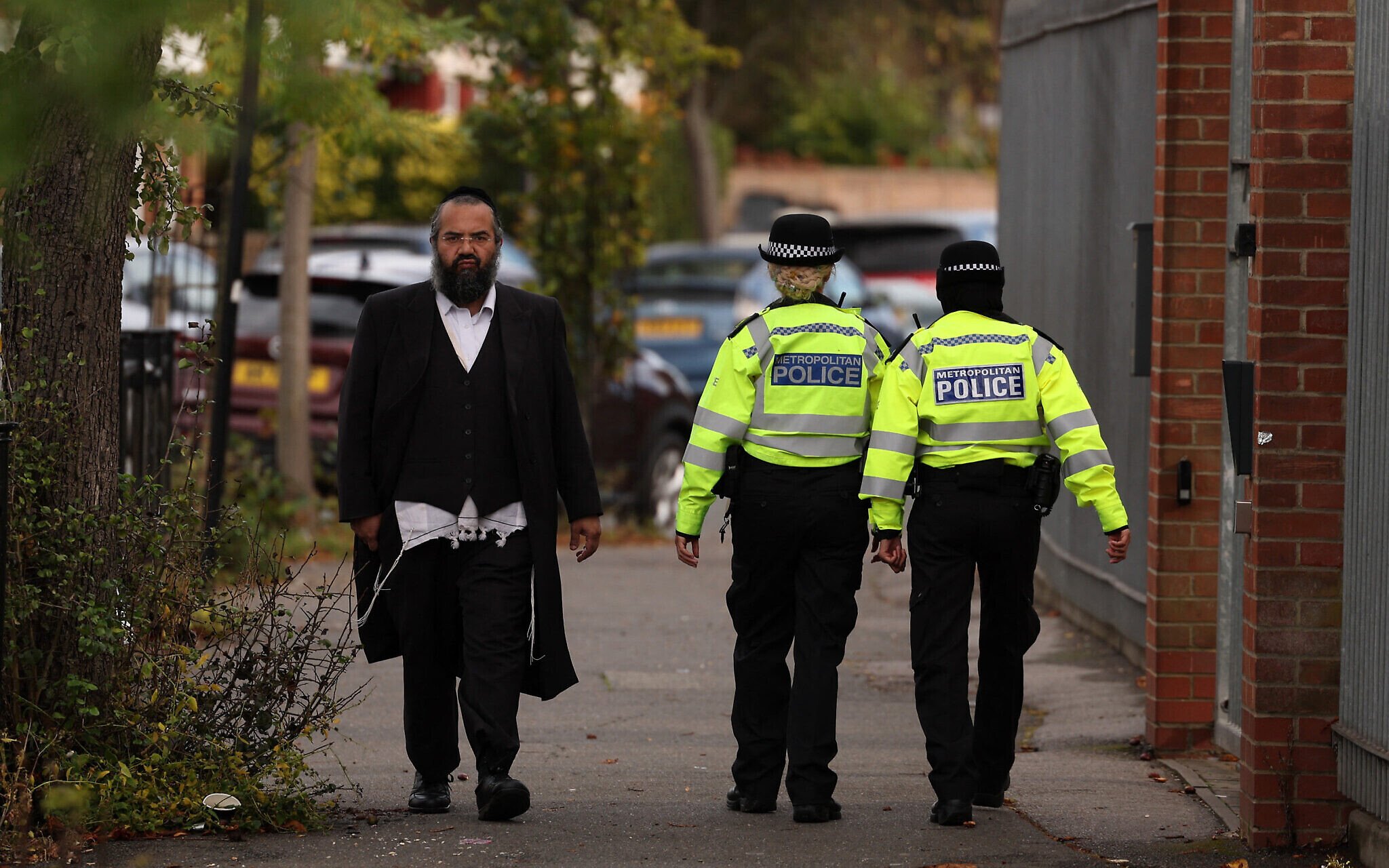
Finally, they called for “consistent decision-making and standards across all police forces throughout the country,” citing evidence that “this is not the current reality.” They called for the Police Chiefs Council and the College of Policing to put forward proposals to ensure such consistency in dealing with antisemitic crimes.
“Overall, the challenge in civil society can be summarized as one of a failure to apply the protections rightly afforded to different vulnerable groups equally to Jewish people in the same positions,” Rosenberg said in the statement.









The Times of Israel Community.