

Ukraine president pitches foreigners, especially Jews, to invest in his country
Vlodymyr Zelensky, who is Jewish, launches English-language investment campaign; office says it’s ‘particularly important to attract Jewish investors’ due to historic ties
 Add ToI as a Preferred Source on Google
Cnaan Liphshiz was a Jewish World reporter at The Times of Israel
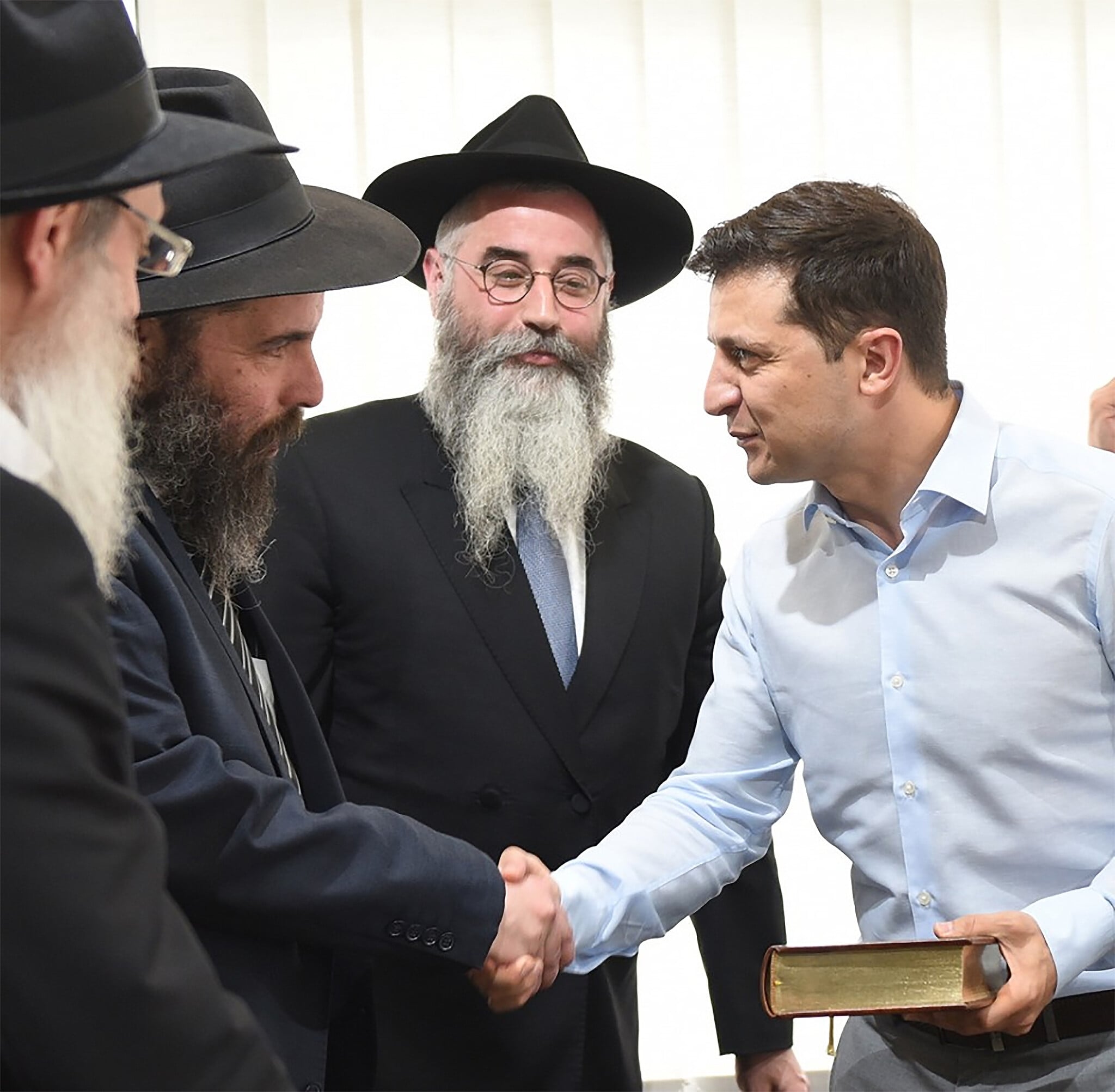
JTA — If you’re looking for a good investment, you should put your money on Ukraine – especially if you’re Jewish.
That’s the message from the office of the country’s Jewish president, Vlodymyr Zelensky, about a new campaign that aims to attract new investments to help grow Ukraine’s stunted economy.
The first video of the campaign, featuring Zelensky speaking in English with a heavy Ukrainian accent, does not mentions Jews. The one-minute film focuses on Ukraine’s tourist potential and 5% tax on information technology industries.
But Zelensky is hoping that Jews in particular will answer the call, in light of the country’s historical significance for Jews, a spokesperson from Zelensky’s office told the Jewish Telegraphic Agency.
“The president finds it particularly important to attract Jewish investors from across the world in light of the historic ties between the Jewish people and Ukraine, which has remained relevant also today with hundreds of thousands of Jewish tourists visiting Ukraine each year,” the spokesperson said. The spokesperson did not wish to be named, citing presidential protocol.
In the video, Zelensky, a gravel-voiced comedian and television star who won a landslide victory last year, describes his country as a “frontier, where new things are happening.”
Hurry up, he tells viewers, “Europe’s biggest country is the next big thing.”
Zelensky is certainly right about Ukraine’s size – its land area is more than four times larger than the state of New York – and perhaps its potential. Hugues Mingarelli, the EU ambassador to Ukraine, told Business Planet last year that “Ukraine has huge potential for investors because this country has an exceptionally skilled labor force.”
But its economy and society are struggling with a Soviet legacy complicated by an ethnic and language divide between native speakers of Ukrainian and Russian, where Jews and other minorities often serve as scapegoats. It has an unresolved territorial dispute with Russia, which is stoking separatism in the east and a raging inflation that means its currency has lost 66% percent of its worth against the dollar over the past five years.
The coronavirus crisis, which paralyzed world economies, is not helping: Ukraine’s economy is projected to shrink by 6% this year.
Zelensky enjoys relatively high popularity — he has a 38% approval rating, which is lower than the 47% from May but still good in Ukrainian terms. He speaks openly about his Jewish origins, though he does not practice the faith and his wife and children are not Jewish.
To many, the fact that he could win an election while openly identifying as a Jew is a powerful sign that Ukraine has moved beyond the violence that characterized much of the shared history that Zelensky’s spokesperson referenced.
For centuries, Jews were oppressed and murdered there, including by successive generations of leaders who are celebrated in Ukraine today as patriots.
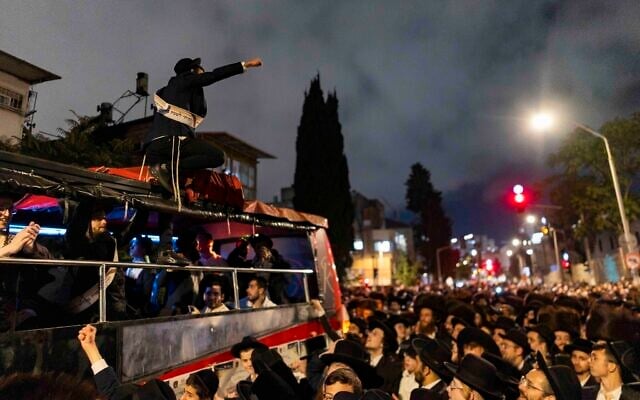
The country was caught up in political infighting in Israel this week, after Israel’s coronavirus czar appealed to Zelensky directly to block ultra-Orthodox pilgrims from attending Rosh Hashanah events in the Ukrainian city of Uman due to fears of virus spread.
The move, which was backed by Prime Minister Benjamin Netanyahu, infuriated his ultra-Orthodox coalition partners. Kyiv decided on Wednesday to bar foreign visitors from entering the country.
Understandably, Zelensky explores none of these issues in the promotional video, in which he says “Ukraine is dream: peaceful and open.”





The Times of Israel Community.