

Waving off the skeptics, US feeling bullish after Board of Peace inaugural confab
US official expresses optimism about chances for disarmament, but Arab diplomat says success will require sustained pressure on Israel and Hamas, who are unlikely to get on board

 Add ToI as a Preferred Source on Google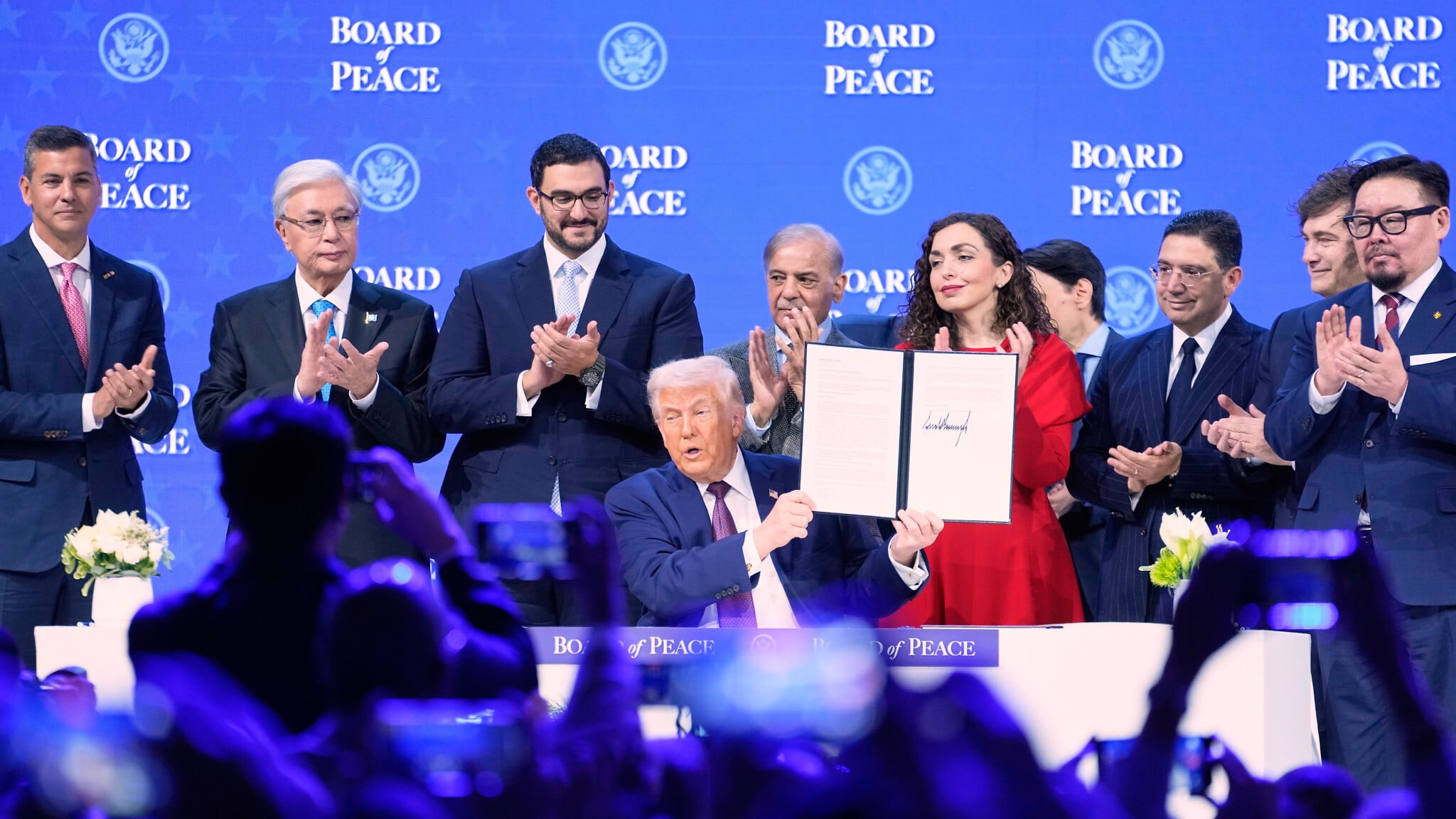
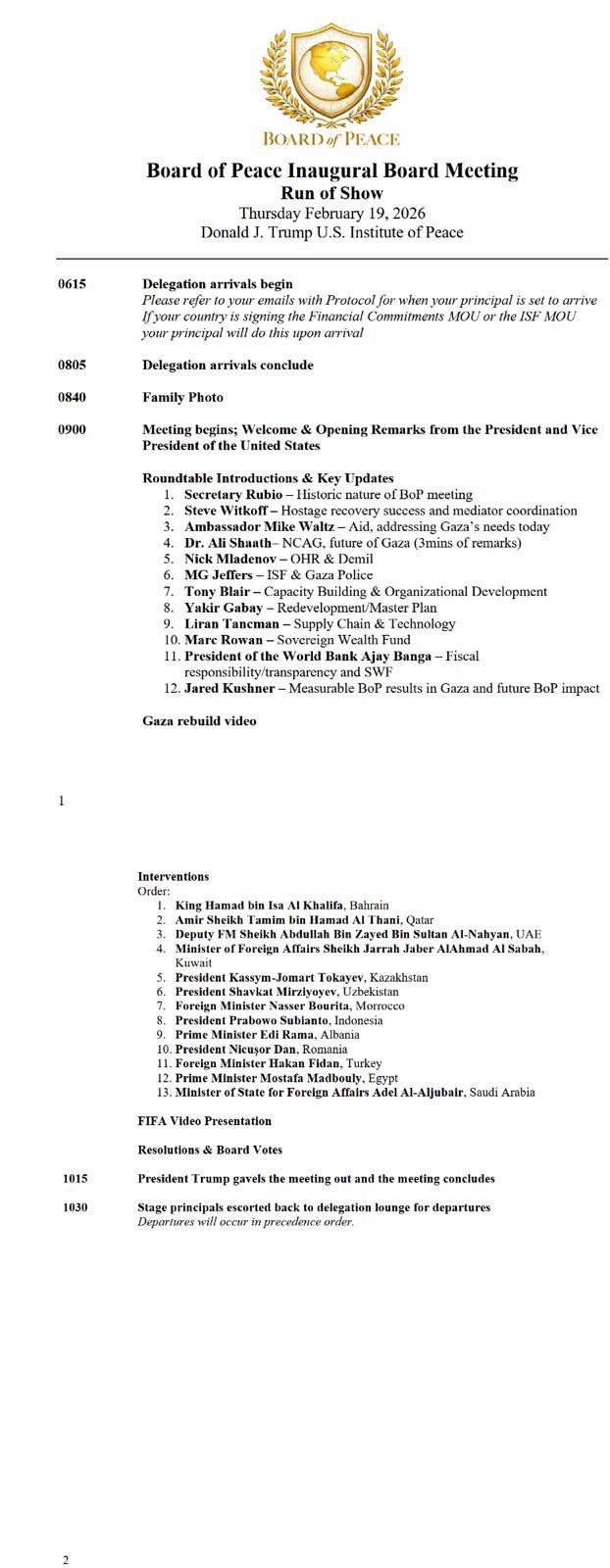
WASHINGTON — US President Donald Trump’s administration notched some significant wins on Thursday at the inaugural meeting of his Board of Peace in Washington.
Washington secured some $7 billion in pledges toward Gaza’s recovery from key Mideast allies; five countries agreed to contribute troops to the International Stabilization Force tasked with phasing the IDF out of Gaza; and plans are advancing to deploy thousands of Palestinian police in Gaza within two months.
All of this before Hamas has even been presented with a proposal on the decommissioning of its weapons.
“We were told that no money would come in before Hamas agreed to disarm,” a US official told The Times of Israel after the meeting. “We’re not ignoring that issue and still plan to tackle it head-on, but we again proved the doubters wrong.”
Citing “positive reports” from Mideast mediating countries Egypt, Qatar and Turkey that have been holding months of disarmament talks with Hamas, the US official expressed optimism about the chances of the terror group agreeing to gradually disarm, beginning with its heavy weaponry.
Pressed on Israeli skepticism that Hamas will genuinely comply, the US official was dismissive. “They didn’t think we could get back all of the hostages either.”
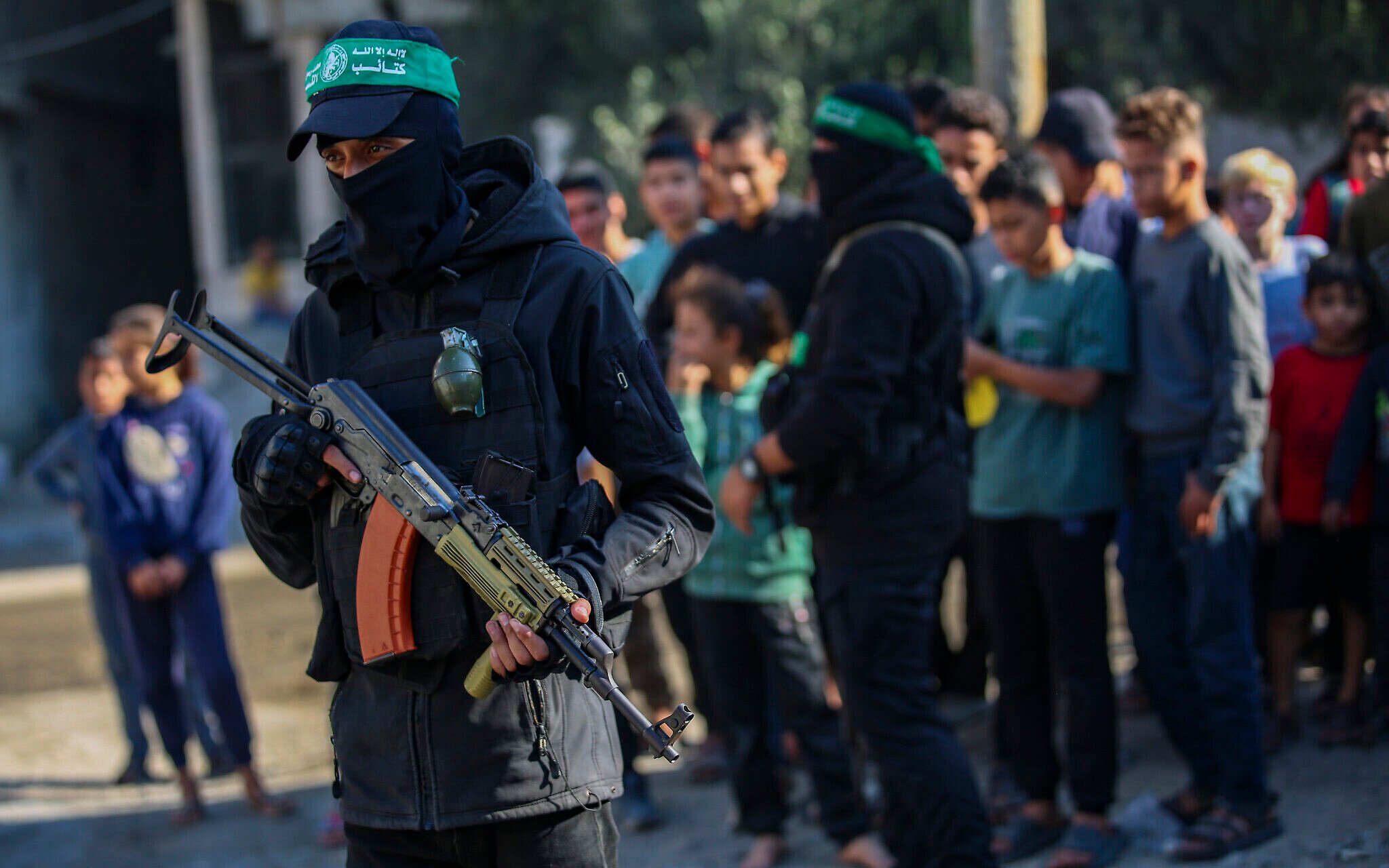
That confidence, combined with the fear Trump instilled in both sides of crossing him, may well have been what brought the first phase of the Gaza ceasefire over the finish line in October.
But an Arab diplomat warned that “hubris can be dangerous in the Middle East,” arguing that sustained pressure on both Israel and Hamas will be essential if the US wants the second phase of its plan covering Gaza’s reconstruction and the establishment of a new technocratic government in the Strip to succeed.
The Arab diplomat, who is also familiar with the disarmament talks Mideast mediators have held with Hamas, clarified that there is reason for the US to believe that an agreement on the matter is possible.
However, he explained that the disarmament would take time and require integrating some Hamas members into the public sector overseen by the National Committee for the Administration of Gaza (NCAG) — a framework that Israel is sure to oppose.
The Arab diplomat expressed heavy skepticism that Israel will help facilitate the success of the NCAG either.
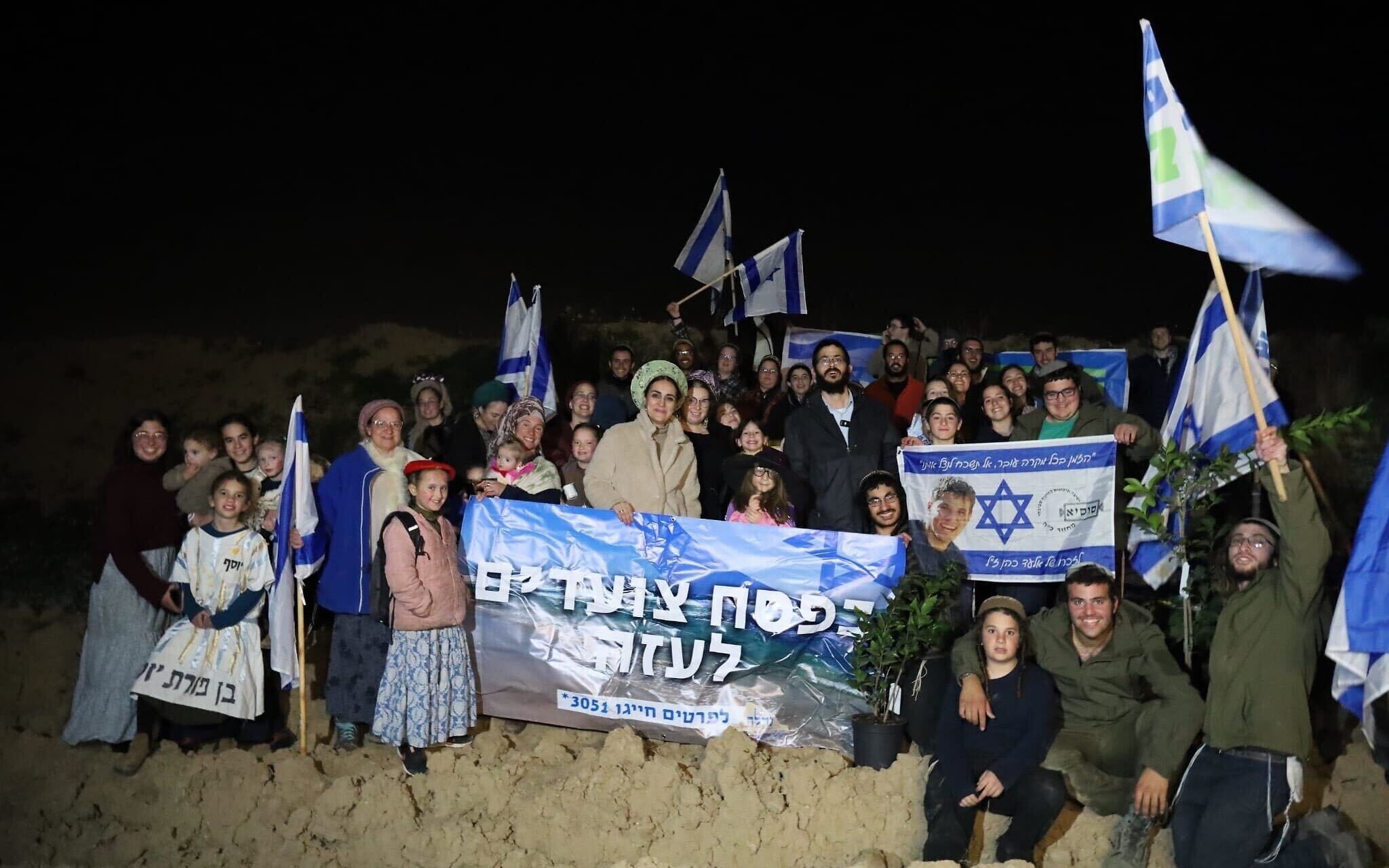
“While [Prime Minister Benjamin] Netanyahu is less beholden to his far-right coalition partners who demand that Israel remain in Gaza and rebuild settlements than he was during the war, he is still interested in the votes of their supporters,” the Arab diplomat argued, referencing the election that will be held in Israel by the end of October.
And while the pledges from Board of Peace members were larger than the Trump administration had previewed in the lead-up to Thursday’s event, they weren’t checks that were immediately deposited in the new World Bank account created for Gaza’s reconstruction.
No exact timeline was provided for their transfer, and if previous post-Gaza war donor conferences are to serve as an example, many of the promised funds may never be delivered.
Trump’s announcement at the Thursday event that the US would make its own contribution of $10 billion to the Board of Peace was particularly surprising, given that US officials briefing reporters in the lead-up to the meeting spoke about $1.25 billion.
A source familiar with the matter acknowledged that such a large sum would not be delivered all at once and would likely need approval from US Congress.
A European diplomat from one of the delegations that attended Thursday’s meeting as an observer said they felt “vindicated” by the decision to refrain from joining the Board of Peace.
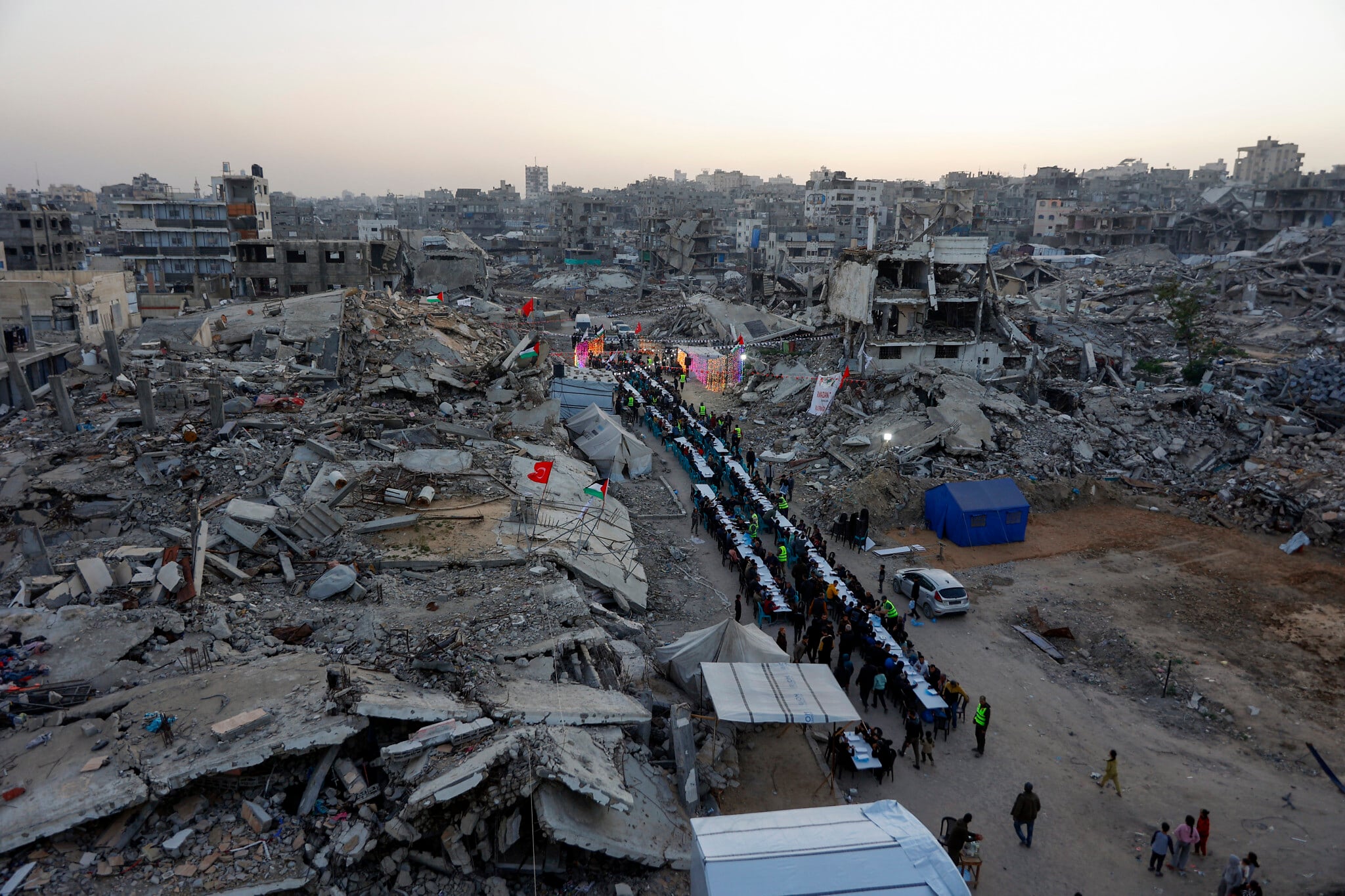
“This was an event out of touch with reality. They talked about building 200 hotels when the people of Gaza are still living in tents,” the European diplomat said.
The diplomat also took issue with the fact that of the roughly two and a half dozen speakers at the event, none of them were women. Also lacking was Palestinian representation.
NCAG Chief Commissioner Ali Shaath was given an opportunity to address the conference, but his remarks were kept brief by organizers and he wasn’t given a placard with an NCAG, Gaza or Palestine label — all of the other government officials sharing a stage with Trump had placards.
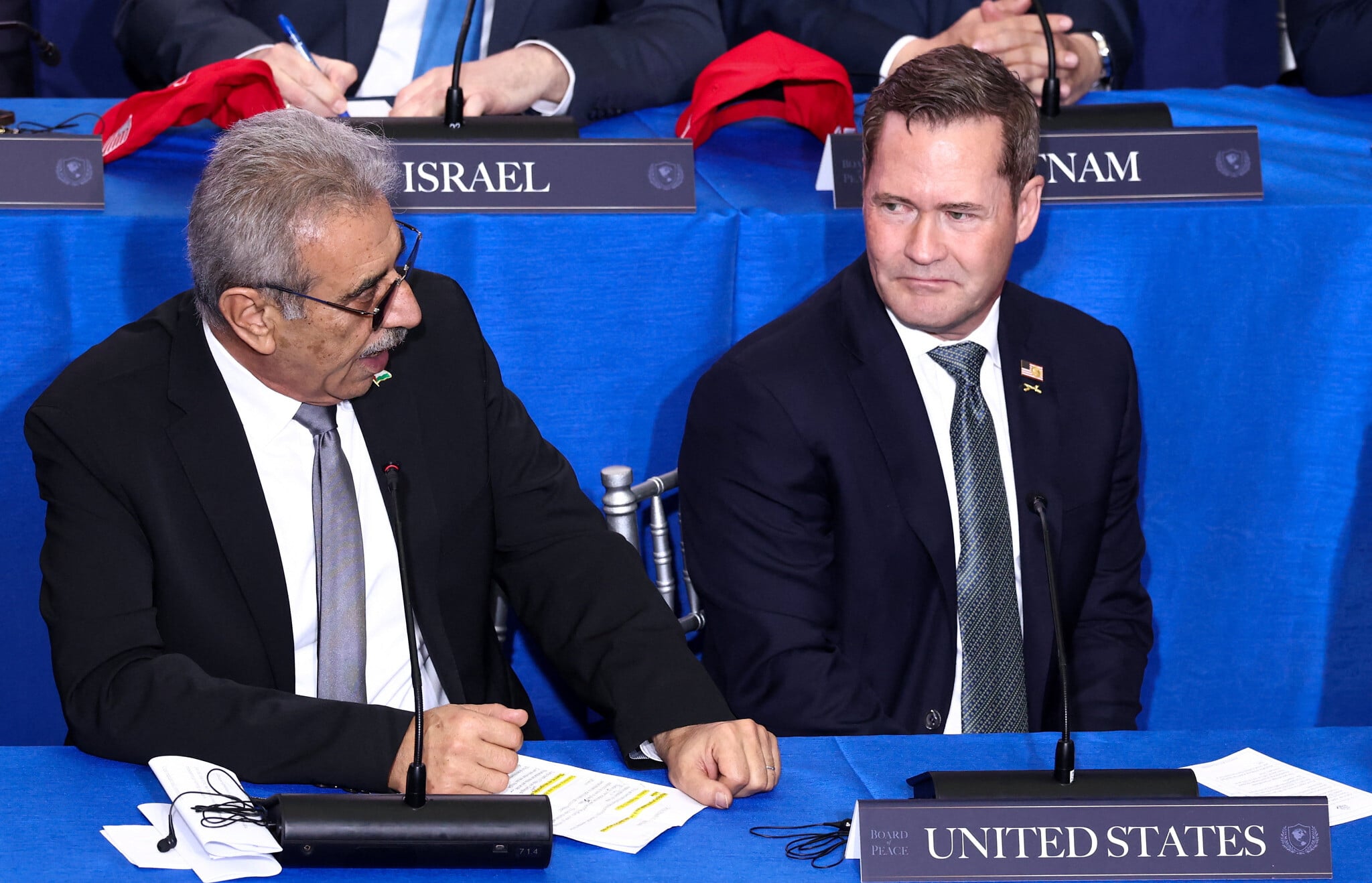
Meanwhile, the Palestinian Authority was not invited to the event, and had to suffice with the creation of a coordination channel between it and the Board of Peace so it could be kept in the loop regarding developments in Gaza, as opposed to influencing them more directly.
“There’s a reason why most democratic countries can’t go along with this,” the European diplomat said.
Most European countries have refrained from joining the Board of Peace due to concerns that the US will use the body to usurp the United Nations, in addition to the panel’s charter giving Trump unmatched powers.
Representatives of member countries who spoke at Thursday’s event didn’t appear bothered by the framework, heaping praise on Trump one after the other.
Kazakhstan President Kassym-Jomart Tokayev proposed establishing “a special President Trump award of the Board of Peace to recognize his outstanding efforts and achievements.”
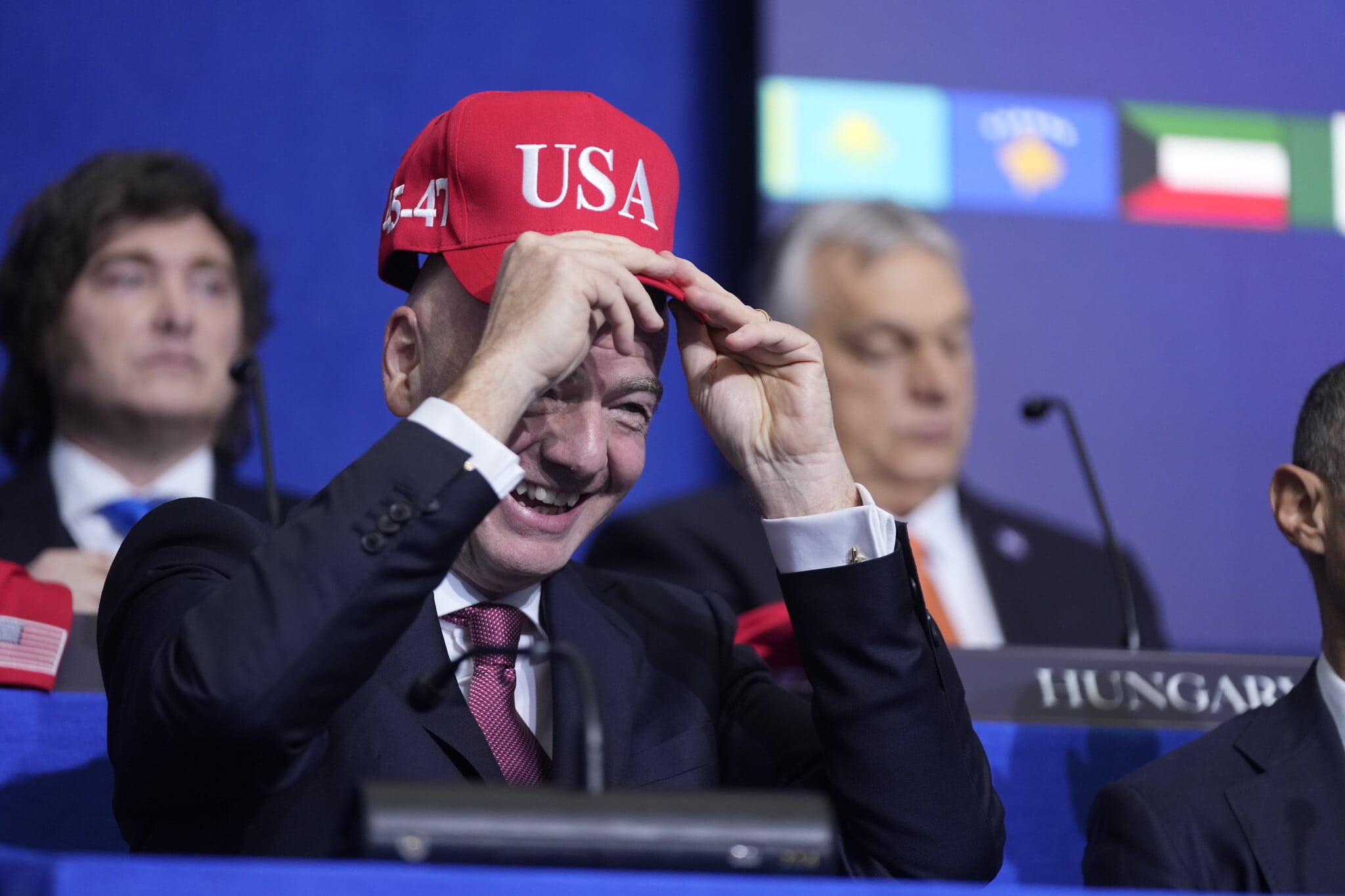
“Participation in the vanity project is the cost of entry,” the European diplomat said.
Responding to the criticism, the US official said the same countries that chose to remain on the sidelines were helpless in bringing the war to an end.
“They’ll continue to complain, and we’ll continue working to provide a better future for Israelis and Gazans alike,” the US official said.







The Times of Israel Community.