

What would Herzl say about Israel today? A new documentary takes an educated guess
‘Theodor Herzl – The Man Behind Israel’ sees comic David Baddiel on the road, tracing the father of Zionism’s life. With voice acting by Stephan Fry, it premiered this month in the UK
 Add ToI as a Preferred Source on Google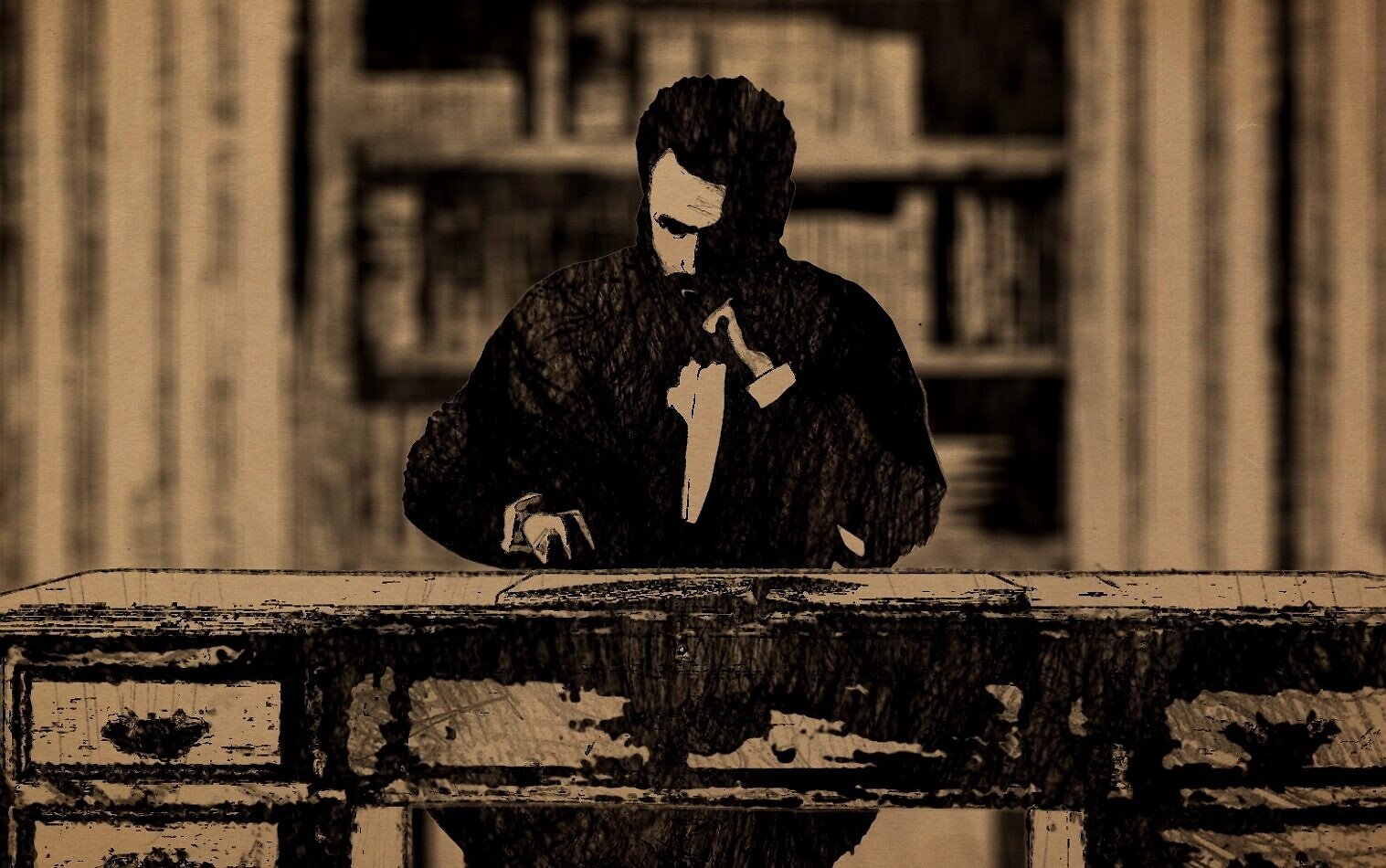
LONDON — There are few places in Israel without a street named after the inspiration behind the Jewish homeland, and one of the nation’s top coastal cities also bears his name: Herzliya.
But who exactly was Theodor Herzl, and what would he have made of his dream come true, the establishment of a Jewish state?
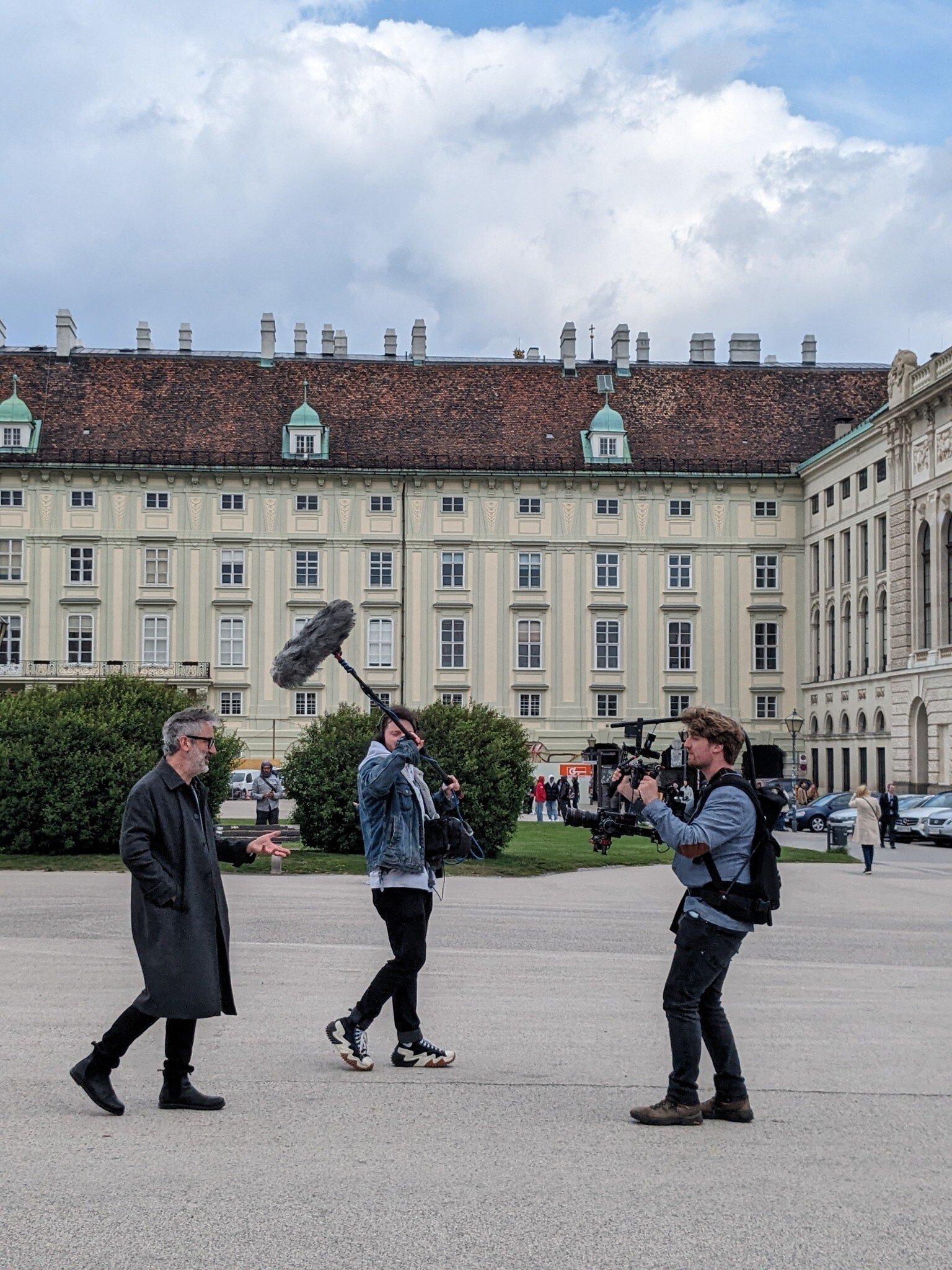
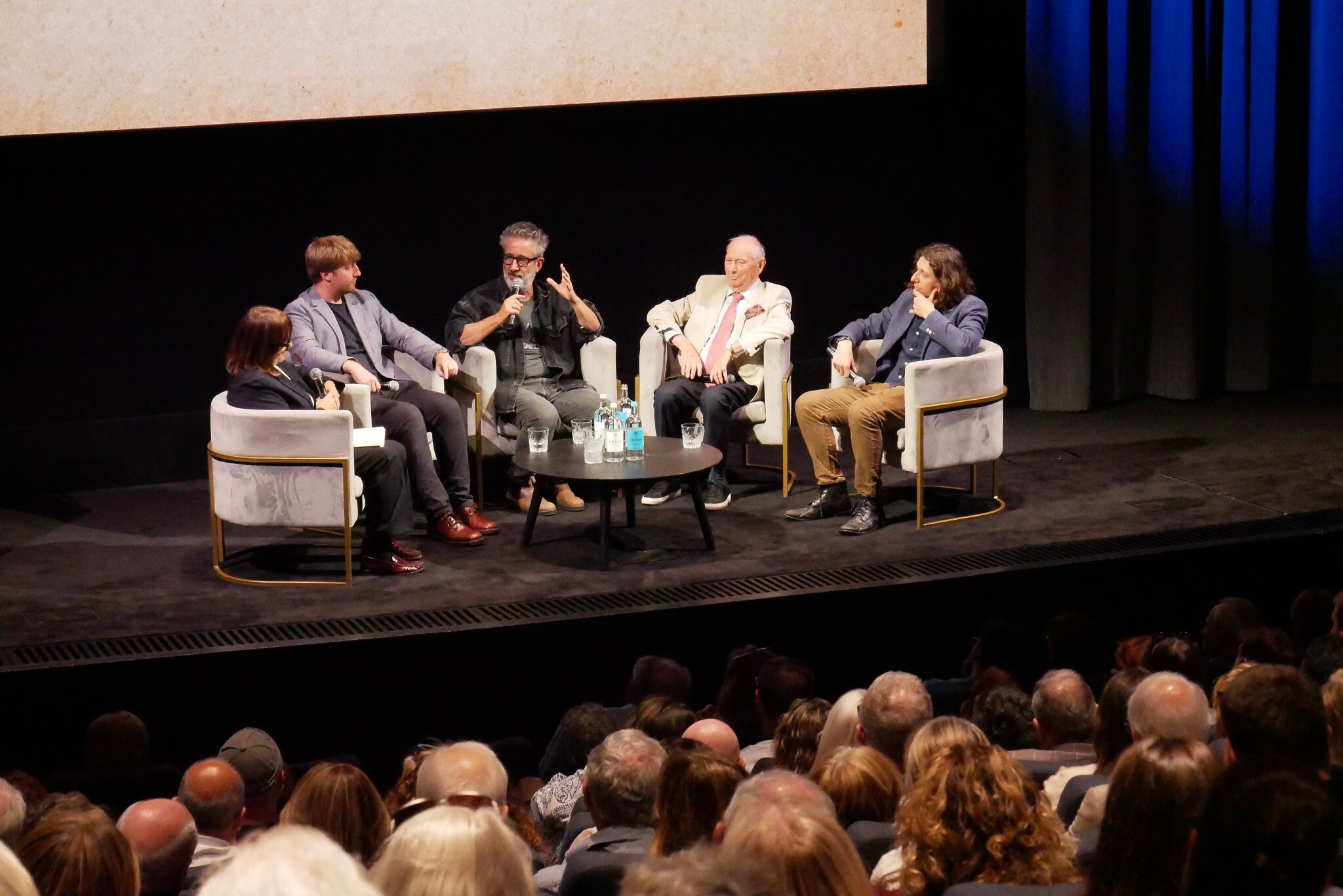
That is the central question posed in a new documentary co-written by and co-starring comedian and author David Baddiel, “Theodor Herzl — The Man Behind Israel.” The hour-long film premiered at BAFTA headquarters in London on July 3, the 121st anniversary of Herzl’s death at the age of 44.
Herzl died almost half a century before Israel’s founding; however, he is considered the father of modern Zionism, the movement that paved the political path to a Jewish homeland. In the film, Baddiel follows Herzl from his birth and early days in Budapest, to Vienna, where he moved with his family, went to university, studied law and worked as a journalist and playwright.
It was Herzl’s move to France, where he was dispatched as a reporter, that really brought his ideals into focus as the Dreyfus Affair sparked a wave of antisemitism. It was this that cemented Herzl’s commitment to a Jewish homeland and the establishment of the first Zionist Congress in Basel in 1897.
In a panel discussion after the screening, Baddiel said he was surprised by the speed at which Herzl went from being “a dilettante” to “like a messiah.”
“He has the idea [for a Jewish homeland], he has the Congress, and hundreds of thousands of people come and the movement is born,” said Baddiel. “He’s the first person to understand the catalyzing nature of antisemitism as a universal experience for Jews.”
He’s the first person to understand the catalyzing nature of antisemitism as a universal experience for Jews
Herzl was “tuning in to a massive bellwether of Jewish insecurity,” so his vision was “primarily about safety,” Baddiel said.
Baddiel, author of “Jews Don’t Count,” said he was fascinated when he was first approached about making the film.
“I thought it’s incredible how much this man has influenced history and people like me don’t really know much about him,” Baddiel said. “He is to Zionism what [Karl] Marx is to communism. He is the guy who created the whole idea and who enormous historical realities are either predicted by him or happened because of him.”
And yet Herzl’s legacy is largely forgotten beyond the Jewish world, said Baddiel.
“Lots of Jews have had a big impact on the world and they’re very commemorated: Marx, Freud, Einstein. But although those people were all in their own way very Jewish, their work and their thinking was not about Jews. Herzl’s thinking is all about Jews, and there’s not many Jews in the world.
“So therefore, the possibilities of celebrating him outside of Israel, where there are a lot of Jews, are going to be pretty small, because I don’t know if you know that Jews don’t count,” said Baddiel, referencing his book to laughter from the audience. “Sorry to break it to you, but that’s true.”
Why non-Zionists star in a film on the father of Zionism
The words of Herzl, a prolific man of letters, are voiced by English actor and comedian Stephen Fry over animated scenes from Herzl’s lifetime.
Although both are Jewish, neither Fry nor Baddiel considers themselves Zionists. But that is besides the point, according to Sir Bernard Zissman, one of the film’s two Jewish producers and the author of the 2008 book “Herzl’s Journey: Conversations With a Zionist Legend.”
Zissman, a former lord mayor of Birmingham, has spent 17 years trying to bring the tale of his “hero” to the screen. Now 90, he admits some may regard Baddiel as a “controversial choice,” but said he did a great job.
“He is not known to be a Zionist, but he believes in the establishment of the State of Israel. What he doesn’t believe in is that every Jew should necessarily have to live in Israel,” Zissman told The Times of Israel in a follow-up joint Zoom interview together with British songwriter Geoff Morrow.
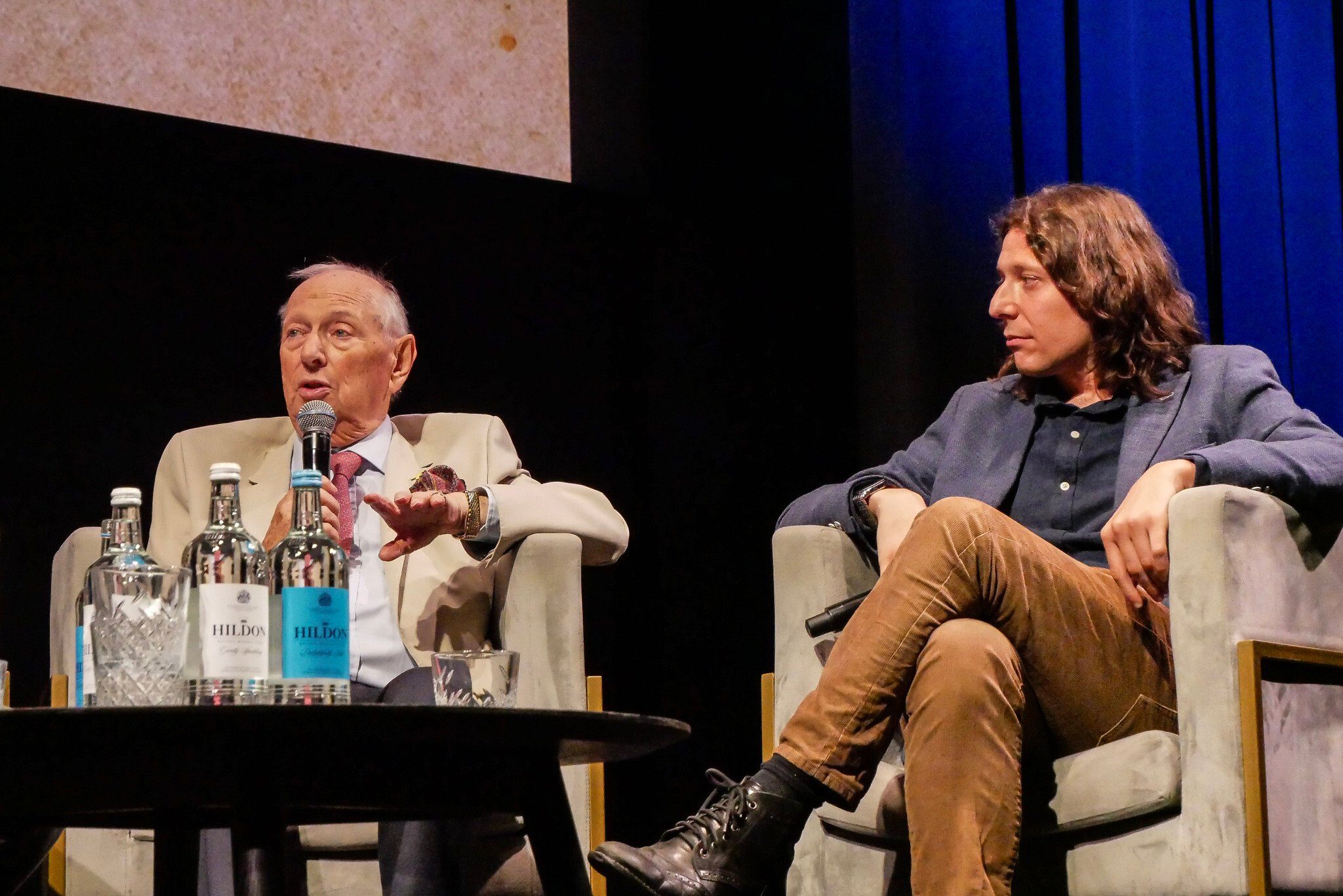
Morrow, whose songs have been performed by the likes of Elvis Presley and Barry Manilow, co-produced the film and composed some of the score.
Morrow said that whatever their politics, Fry and Baddiel are deeply connected to their Jewish identities.
“Stephen Fry, as the year goes by, more and more he’s recognizing this feeling which no x-ray can actually see, no scan can identify. The same with David Baddiel,” Morrow told The Times of Israel. “That was an important part of it, they just felt they needed to do it.”
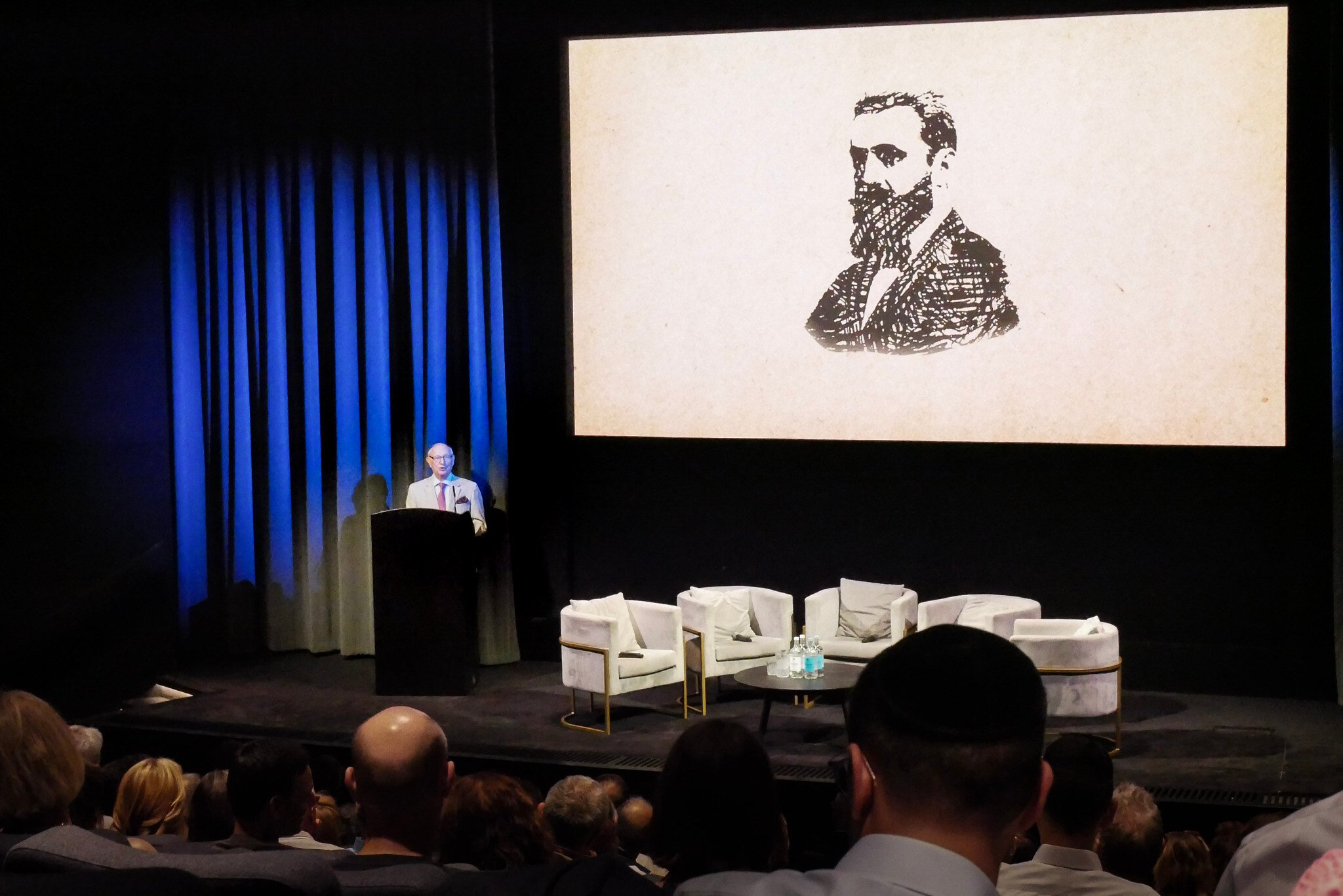
“To my generation and the generation below me, Theodor Herzl is a hero,” Zissman said, explaining the inspiration for the film. “But I have found it quite surprising that the younger generation, the generation of my grandchildren, don’t really know about Herzl.”
“If they go to Israel, they may visit Herzliya, they might walk down Herzl Street, but they have no idea of the inspiration of this man,” he said. “That’s the thinking behind this: to bring the life of a man to a younger generation who know so little about him and what he achieved.”
I’m appalled at the way that Zionism in recent times seems to have become identified with some evil organization aiming to destroy as many Palestinians as it could
It was also important to reclaim Zionism from an increasingly toxic debate, Zissman said.
“I’m appalled at the way that Zionism in recent times seems to have become identified with some evil organization aiming to destroy as many Palestinians as it could,” he said. “It’s not the aim of Zionism. Herzl’s dream was for a safe haven for Jewish people.”
Morrow described visiting Israel for the first time in 1960 at the age of 18.
“When the plane landed and the pilot said, ‘Welcome to Israel,’ everybody clapped, and I looked around and everyone was crying, and I was amazed that one of the people crying was me,” he said.
“I’d never visited Israel in my life, but I got that feeling. That emotion made me think about, ‘How did this all come about?’ It was at that young age that I was first introduced to Herzl, and that was one of the reasons I wanted to become [involved in the film].”
Film may leave a bitter aftertaste for some
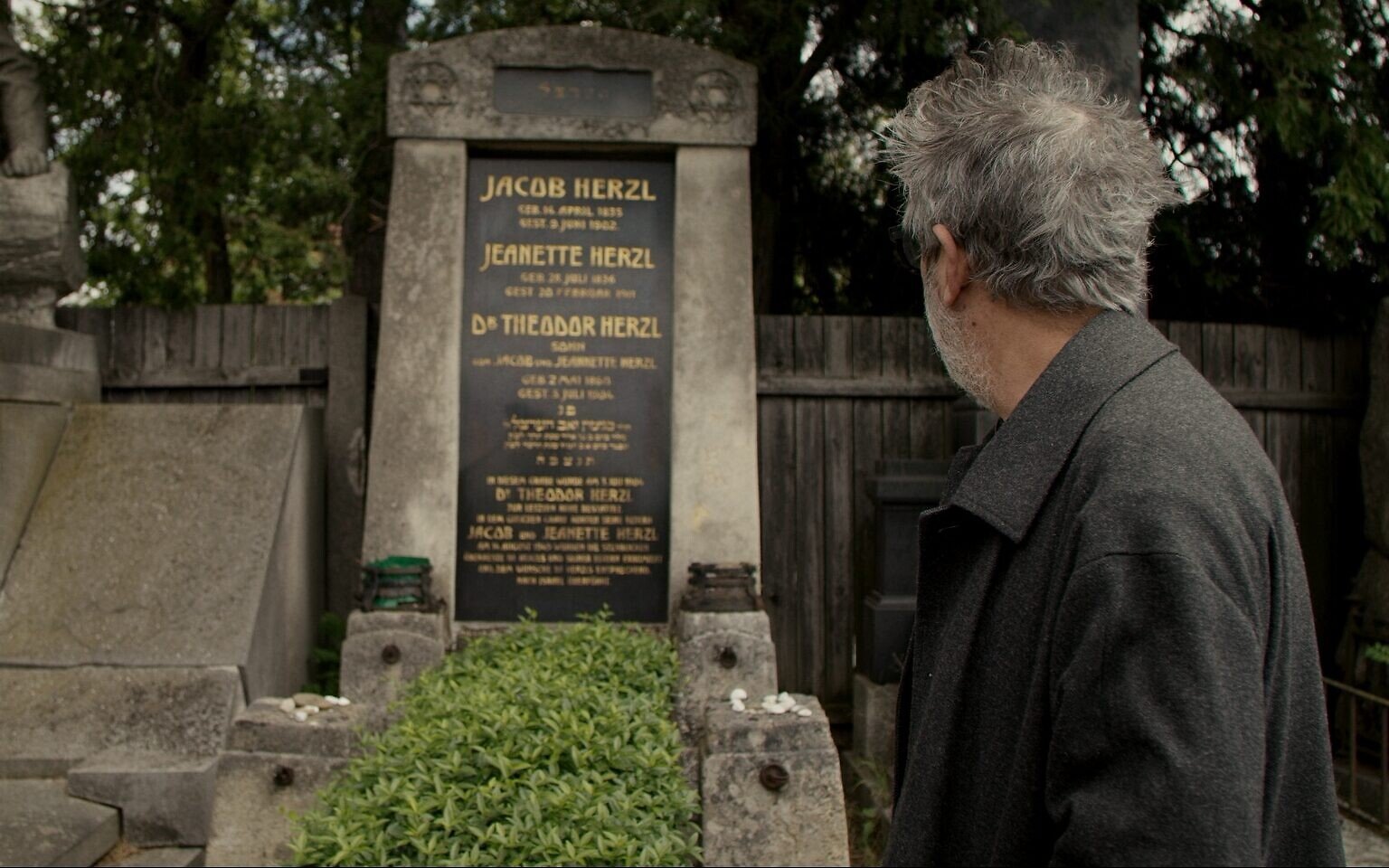
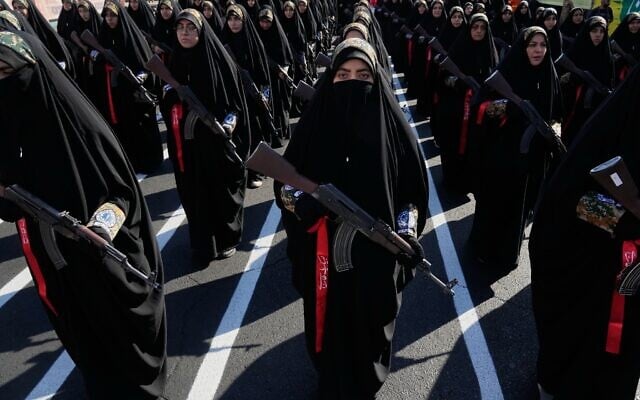
Perhaps surprisingly, the movie does not include footage from Israel besides a couple of shots of conflict, Herzl’s grave, and a huge roadside statue bearing his face outside Herzliya.
This was not the focus of the film, which is currently in talks to be sold to distribution companies around the world, according to Zissman.
“The key of Baddiel’s journey was to walk in the footsteps of Herzl, which was in Budapest, and in Vienna, and in Paris, and in Russia,” he said.
The documentary also includes commentary from experts and academics, including Israeli politician and former Soviet refusenik Natan Sharansky, as well as testimonies from Holocaust survivors and Palestinians with their take on Herzl’s dream. Billed as a “nuanced window into the origins of the modern Zionist idea,” it poses what Zissman describes as “some uncomfortable questions.”
Most uncomfortable of all comes from Ghada Karmi, a Palestinian academic, physician and author who is a harsh critic of Israel and Zionism.
“If you look at today’s Israel, really, was it worth it?” she asks. “All that suffering? All that bloodshed? All the orphans that have been created? All the refugee camps? All the instability of Jews in other countries?”
Nevertheless, she expresses a glimmer of optimism, saying that the “only answer” is that “we have to learn to live together in equality, and hopefully in time, in peace and harmony.”
Zissman admitted that he and Morrow are “both uncomfortable with some of the things in the film.”
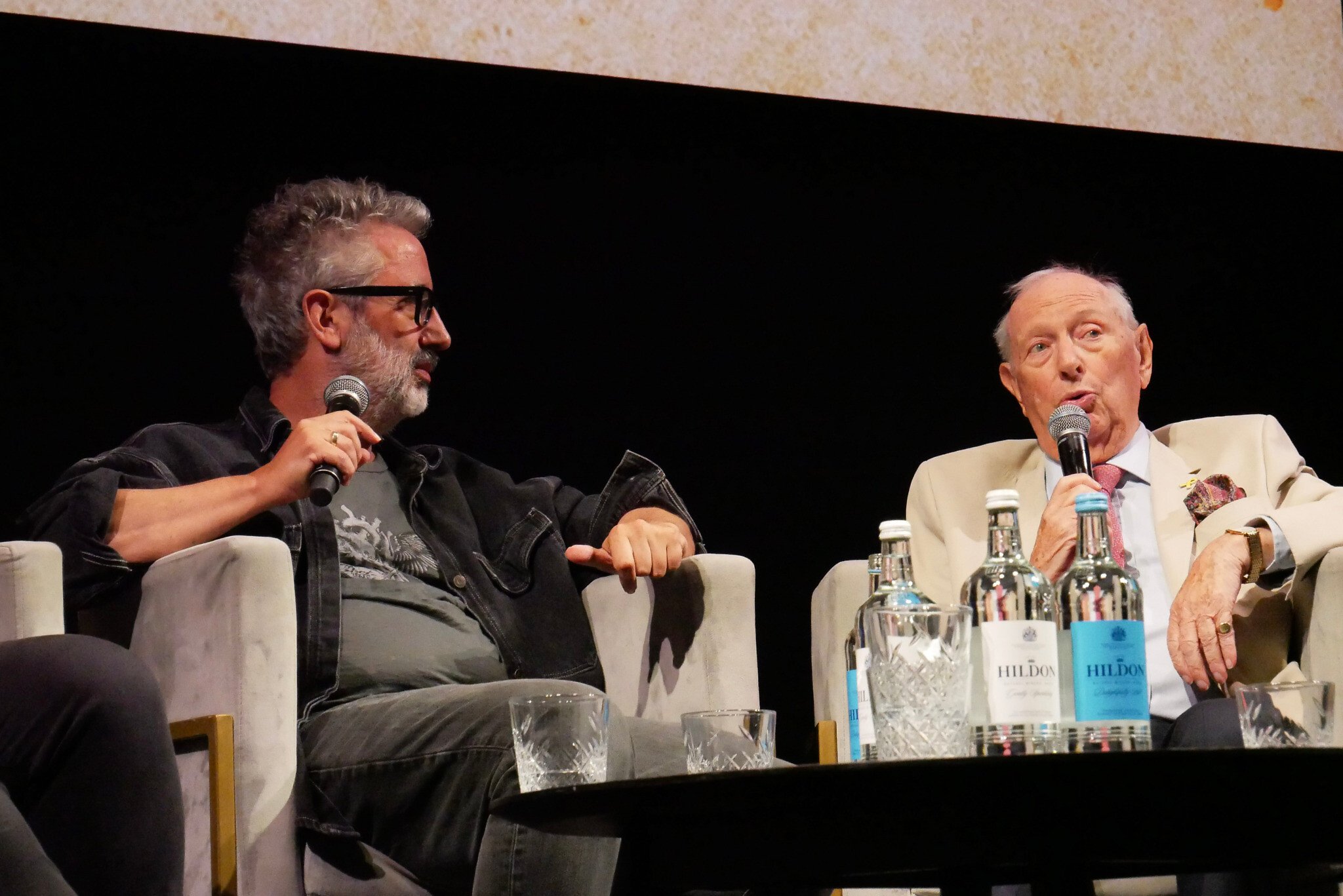
But, he adds, “When Ghada says, ‘Was it worth it,’ the answer is, ‘Yes, it was.’ She makes the comment, ‘What you did was you saved a persecuted people to, in fact, introduce another persecuted people, who are the Palestinians.’ I don’t know whether I agree with that, but we didn’t shrink back from showing another side of the story.”
“We wanted to show an unbiased view of, ‘This is where we are.’ That does not give you, at the end, that feeling of everything’s wonderful because it’s not necessarily,” Morrow added.
So, in answer to the ultimate question: What would Herzl have made of Israel today?
“I think he would have thought, ‘My dream was actually achieved. The nations of the world and the UN in November 1947 voted to establish the State of Israel. That’s what I wanted, that’s win number one,'” said Zissman.
“‘Did it work exactly as I wanted? There’s no doubt about it, if Jews are in trouble — and they have been in trouble in Ethiopia, in other Arab countries, they have been rescued and fetched and given a safe place of home,'” Zissman said. “That was Herzl’s dream, and it was achieved.”









The Times of Israel Community.