

‘Repentance’ program lets taxpayers off the hook, cheap
The Israel Tax Authority is willing to forgive and forget, letting people pay back taxes with no penalty — for a while
 Add ToI as a Preferred Source on Google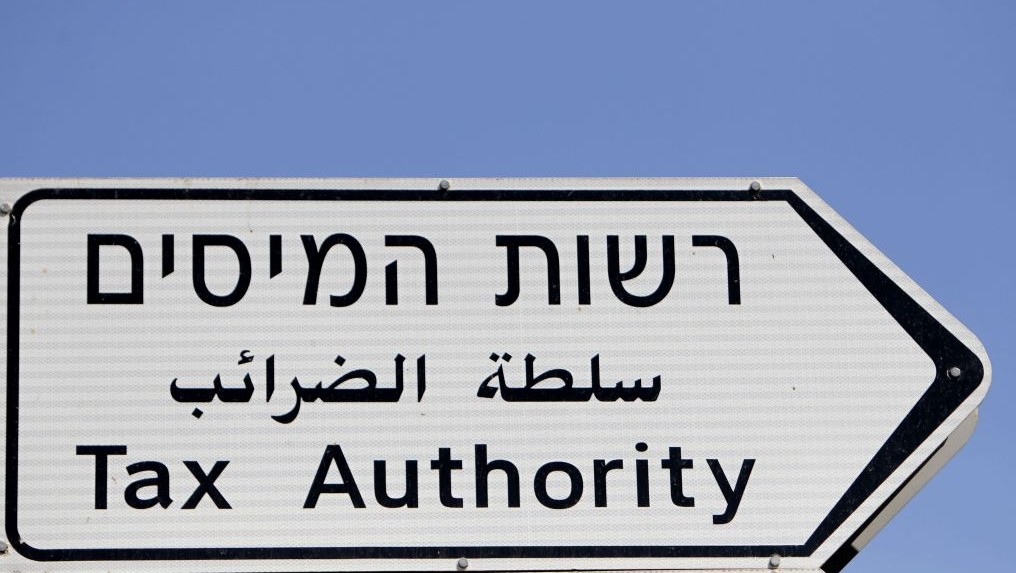
Yom Kippur — and the Israel Tax Authority — are calling on Israelis, especially those of Western extraction, to repent. Yom Kippur’s call is religious, while as usual, the tax people are looking for money. They’re offering to let Israelis pay the taxes they owe on income earned in their countries of origin. As with the repentance period between Rosh Hashana and Yom Kippur, though, the tax man’s forbearance is limited. Miscreants who take advantage of an amnesty window will be able to pay up, no questions asked — while those who don’t may have to pay big penalties for failing to report.
Israeli tax collectors have taken a cue from the US, turning over every rock they can find — at home and abroad — to search for money to pay for the monumental costs of keeping a government in business. Under Israeli tax law, all residents must pay income tax on their worldwide income — and while they may not end up paying anything because of tax treaties, the government still wants to know how much everyone made. The law applies to native-born Israelis who invest in stocks or real estate abroad, as well. Israelis who don’t comply, regardless of their background, could eventually get that “knock on the door,” with the tax man presenting what could be a substantial bill.
Arguably, that day could be very far away. A substantial portion — some say as much as a fifth — of the Israeli economy is underground, out of the view of tax officials, and many people who claim to “know” say that it’s unlikely for a tax cheat to be caught unless they engage in flamboyant and attention-getting behavior — like driving a pink Cadillac.
That may be, say attorneys Moshe Mizrahi and Eldad Noach, both former Tax Authority officials who now work together in a private practice. But not reporting is a risk, and an era when technology has made tracking financial transactions much easier for governments, there are fewer mattresses under which to hide money.
The attorneys say the window of opportunity, which runs through the end of the year, provides one important benefit: anonymity. Usually, said Mizrahi, formerly a Tax Authority legal adviser, “the taxpayer’s main concern is that he must expose his personal details in advance, putting him at the ‘mercy’ of the assessment clerk, who is the one authorized to determine tax liability.” Under the anonymous system, “the taxpayer can be certain of his final tax liability without disclosing his details. Only when the process ends, the taxpayer signs an assessment agreement and reveals his personal details.” In other words, the government is willing to take you at your word about how much you owe — and is willing to sign on to that amount as a settlement for all outstanding funds a taxpayer may owe, he said.
Even so, said Noach, a former professional division manager at the Tax Authority, it pays to be honest. “If the Authority discovers in the future that the taxpayer failed to disclose all of the information, it may revoke the disclosure arrangement and initiate criminal proceedings. The recommendation is unequivocal — a taxpayer seeking voluntary disclosure must reveal all of the unreported assets and income.”










The Times of Israel Community.