

Hegseth, associates pushed F-15 airmen downed over Iran to appear on ’60 Minutes’ – report
US defense secretary met privately with the two before one agreed to speak, the other declined, CNN says; Pentagon calls report ‘a complete lie’
 Add ToI as a Preferred Source on Google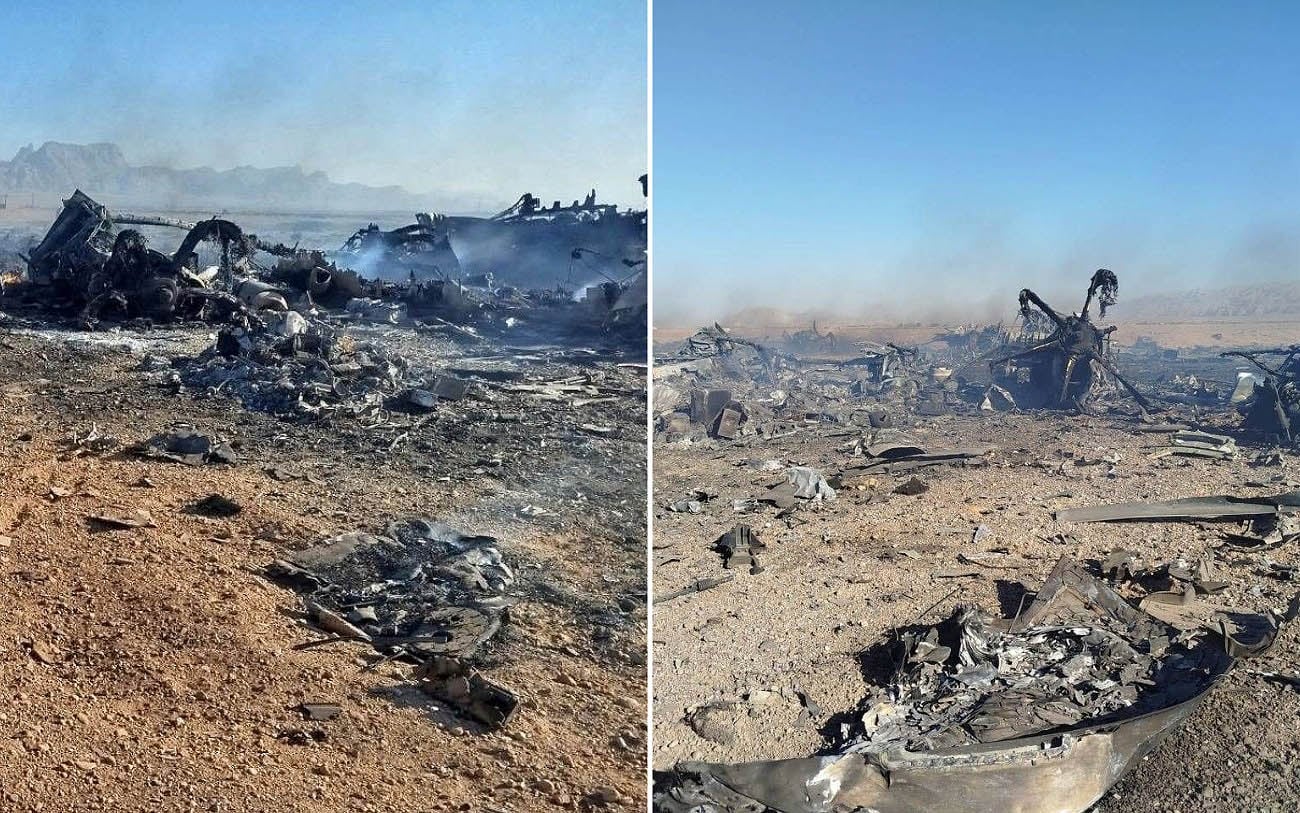
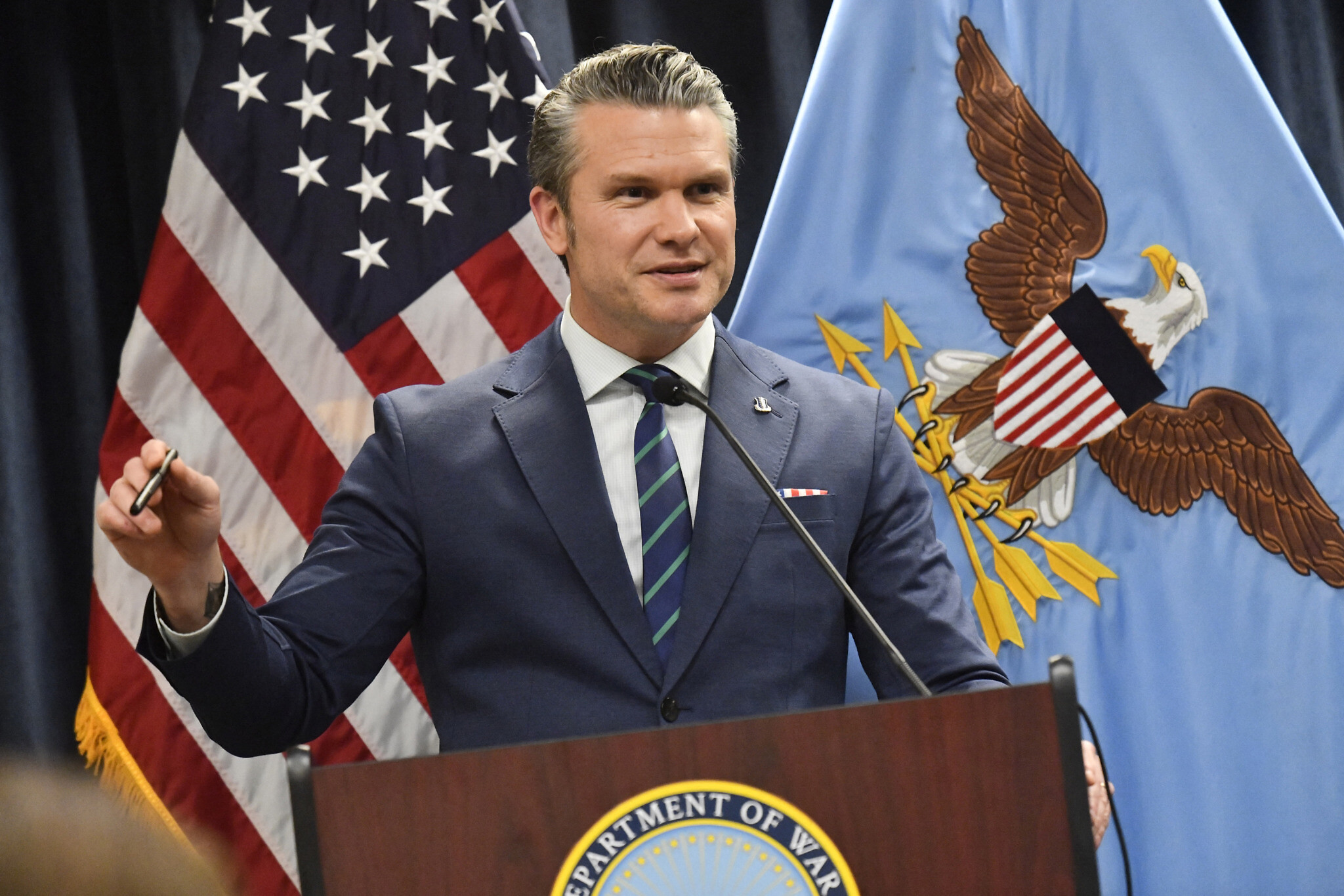
US Defense Secretary Pete Hegseth and other political officials at the Pentagon pushed two US Air Force crewmen whose F-15E was shot down over Iran in April to take part in an interview with CBS’s “60 Minutes” about their experience, CNN reported Saturday, citing multiple sources familiar with the matter.
The segment is set to air Sunday evening as part of the season premiere of “60 Minutes.” CBS said the airman who agreed to appear, identified only as “Bravo,” was the jet’s weapons systems officer, held the rank of colonel and spent roughly two days alone in the Iranian mountains.
It will be his first public account of the ordeal and rescue.
According to CNN, the two airmen initially resisted participating because of concerns that they were effectively being ordered to give the interview. Hegseth subsequently met privately with the rescued crewmen, the sources said.
“Bravo” ultimately agreed to appear on the program, while the other, “Alpha,” declined, CNN reported. Neither has been publicly identified by Washington.
CNN said the episode showed how Hegseth was seeking to shape the narrative surrounding the unpopular war with Iran, using the dramatic survival and rescue story of the two airmen.
The Pentagon strongly rejected the report, with chief Pentagon spokesman Sean Parnell calling it “a complete lie.”
“The decision to participate in the interview was each pilot’s alone — because it is their story,” Parnell told CNN.
“As CNN notes, one pilot decided to participate, and one did not. Additionally, the Department took great care to ensure operational security, sources, and methods were protected. To suggest otherwise is to denigrate every member of our military who participated in and supported the interview,” he added.
“60 Minutes” correspondent Norah O’Donnell also interviewed Hegseth, Joint Chiefs Chairman Gen. Dan Caine and US Central Command chief Adm. Brad Cooper for the segment.
The two airmen were aboard an F-15E Strike Eagle that was shot down over Iran on April 3, marking the first time Tehran had downed a US fighter jet since the US and Israel launched their war against Iran on February 28. Both crew members ejected from the aircraft.
The US and Israel launched the war with the stated goals of eliminating Iran’s nuclear and ballistic missile threats and weakening its network of regional proxies.
The pilot was rescued within hours, but the weapons systems officer remained stranded deep inside Iran as US forces raced to rescue him and Iranian forces searched for him. Israel assisted the American search effort with intelligence and postponed strikes in the area where the missing airman was believed to be located.
The weapons systems officer was initially unable to make contact with rescuers after being knocked unconscious and suffering a concussion during his landing. He later established contact and moved through mountainous terrain while trying to evade Iranian forces. Israeli reporting said he walked some 10-12 kilometers (6-7.5 miles) and hid in a crevice while awaiting extraction.
US special forces eventually reached the wounded officer after roughly 36 hours, in an operation backed by extensive air power. US President Donald Trump said at the time that the Iranian military had been searching for the airman “in big numbers” and was closing in when US forces reached him.
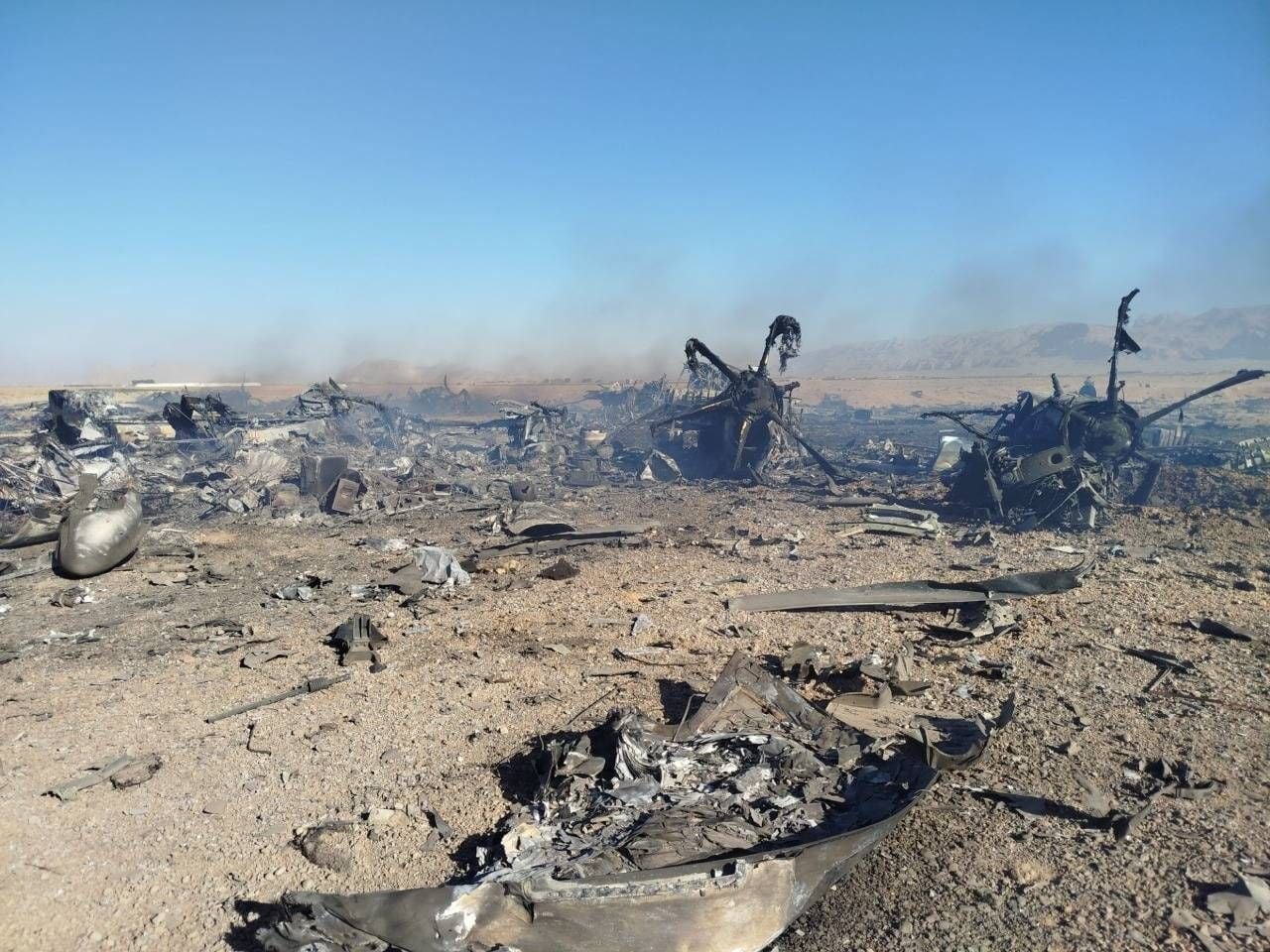
The mission nearly suffered another major setback when two US transport aircraft intended to carry the airman and rescuers out of Iran became stuck at a remote airstrip. US forces destroyed the aircraft to prevent them from falling into Iranian hands and brought in replacement planes to complete the rescue mission.


The Times of Israel Community.