

‘Hysterical panic’ as 76,000 flee advance by Iran-backed Houthis in Yemen
Thousands seek shelter in crowded rooms in Aden: ‘One of my sons had a motorcycle, so I told him to take his children and flee’; UN says renewed war ‘should alarm us all’
 Add ToI as a Preferred Source on Google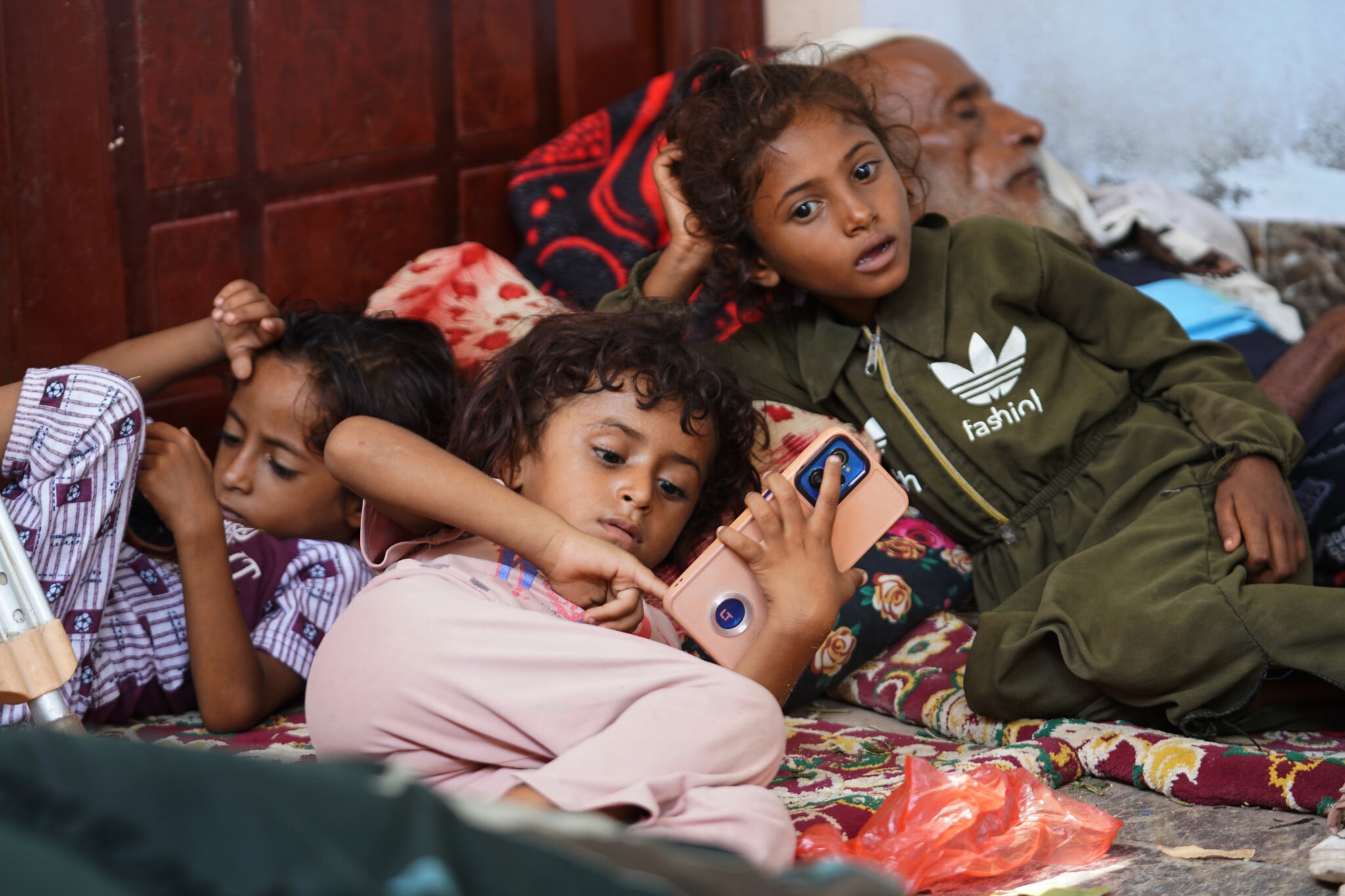
It was a heart-pounding escape. As Iran-backed Houthi rebels swept south along Yemen’s Red Sea coast this week, some residents had little time to flee.
“We set out in hysterical panic on a motorcycle, not knowing where we were heading,” Alaa Ali Salem said. “The roads suddenly became extremely congested, and while I was driving, the motorcycle overturned. My wife, my children and I were all injured.”
His family and thousands of others, in numbers leaping by the day, had now been displaced as the Arab world’s poorest country faces a potential return to a devastating civil war.
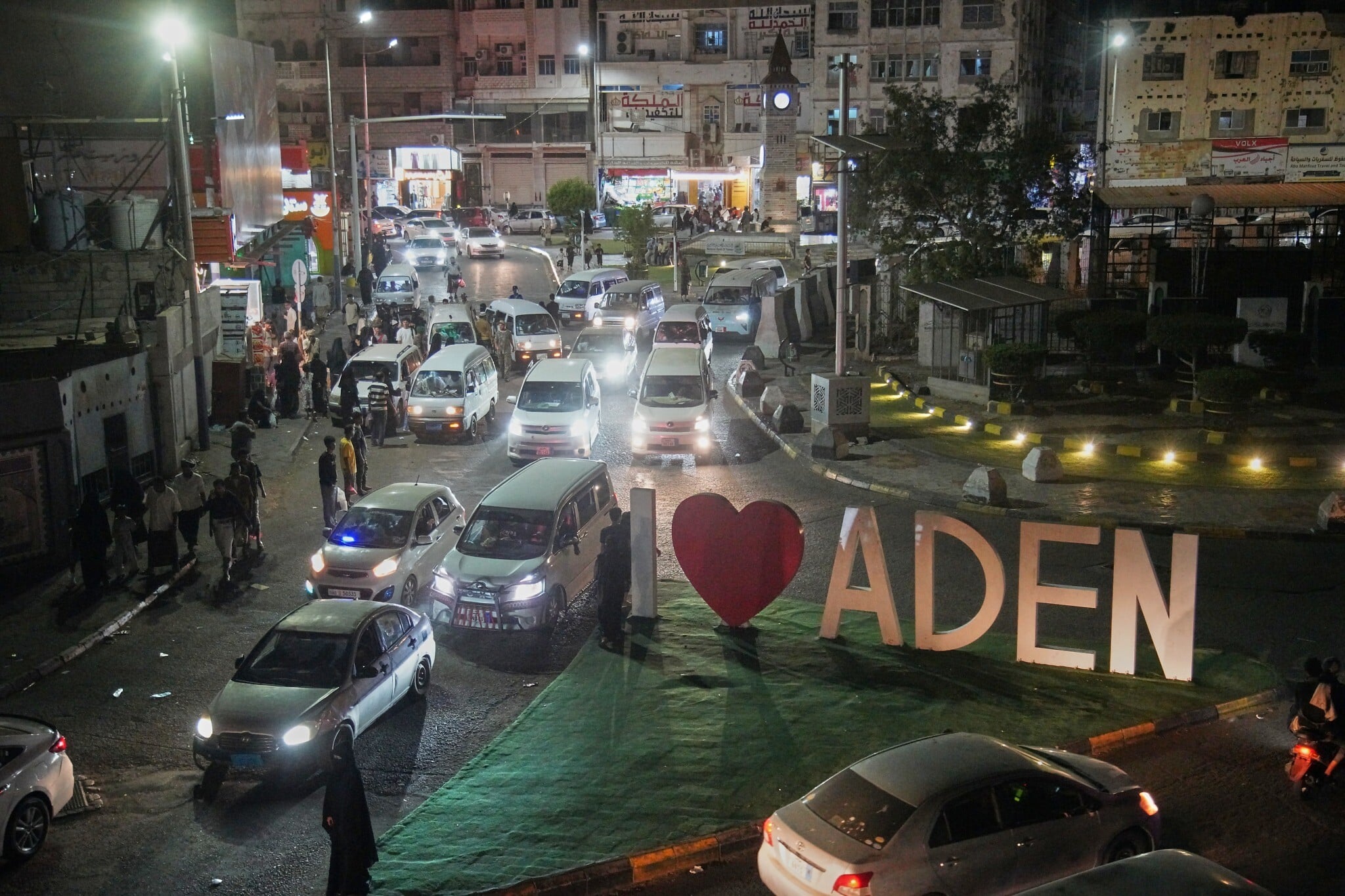
The Associated Press on Saturday visited some of the newly displaced in Aden, a city under the control of Yemen’s internationally recognized government, as residents opened homes to them.
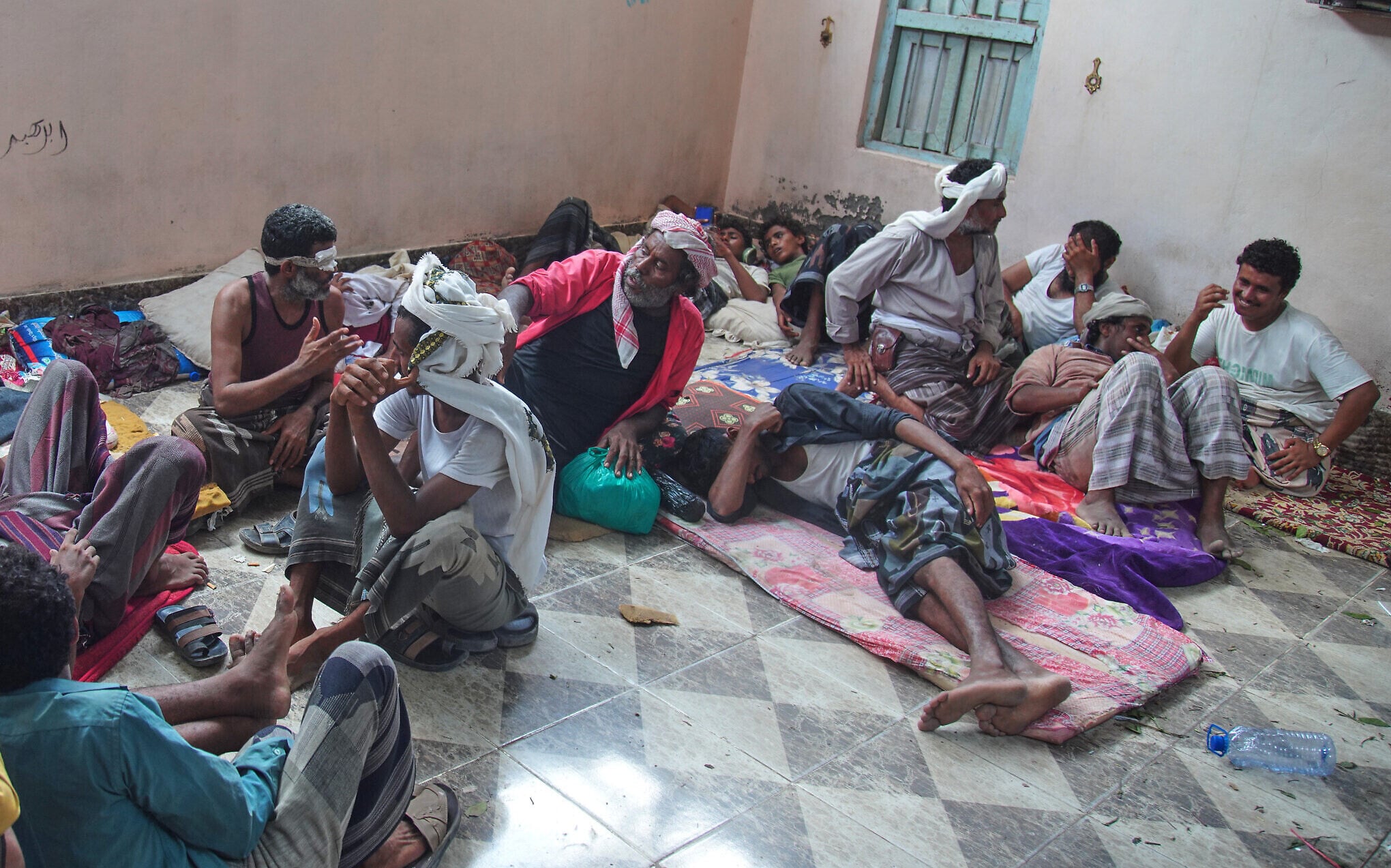
Children sprawled in crowded rooms of thin mattresses that were scattered with the few belongings grabbed in haste. A young girl clutched a smartphone. Crutches were propped against a wall. Worn-looking elders napped. A fan stirred the air on a day where temperatures reached into the 90s Fahrenheit (30s Celsius).
Those fleeing have seen the front line of what the United Nations warned could be a return to a humanitarian catastrophe.
The Houthis’ advance to the Bab el-Mandeb Strait at the southern end of the Red Sea threatens a key global shipping alternative to the Strait of Hormuz, where Iran has attacked some vessels during more than six months of war.
But on the ground in Yemen, the rebels’ offensive means something very different.
It could bring the kind of upheaval that killed 150,000 people and caused near-famine before a 2022 ceasefire.
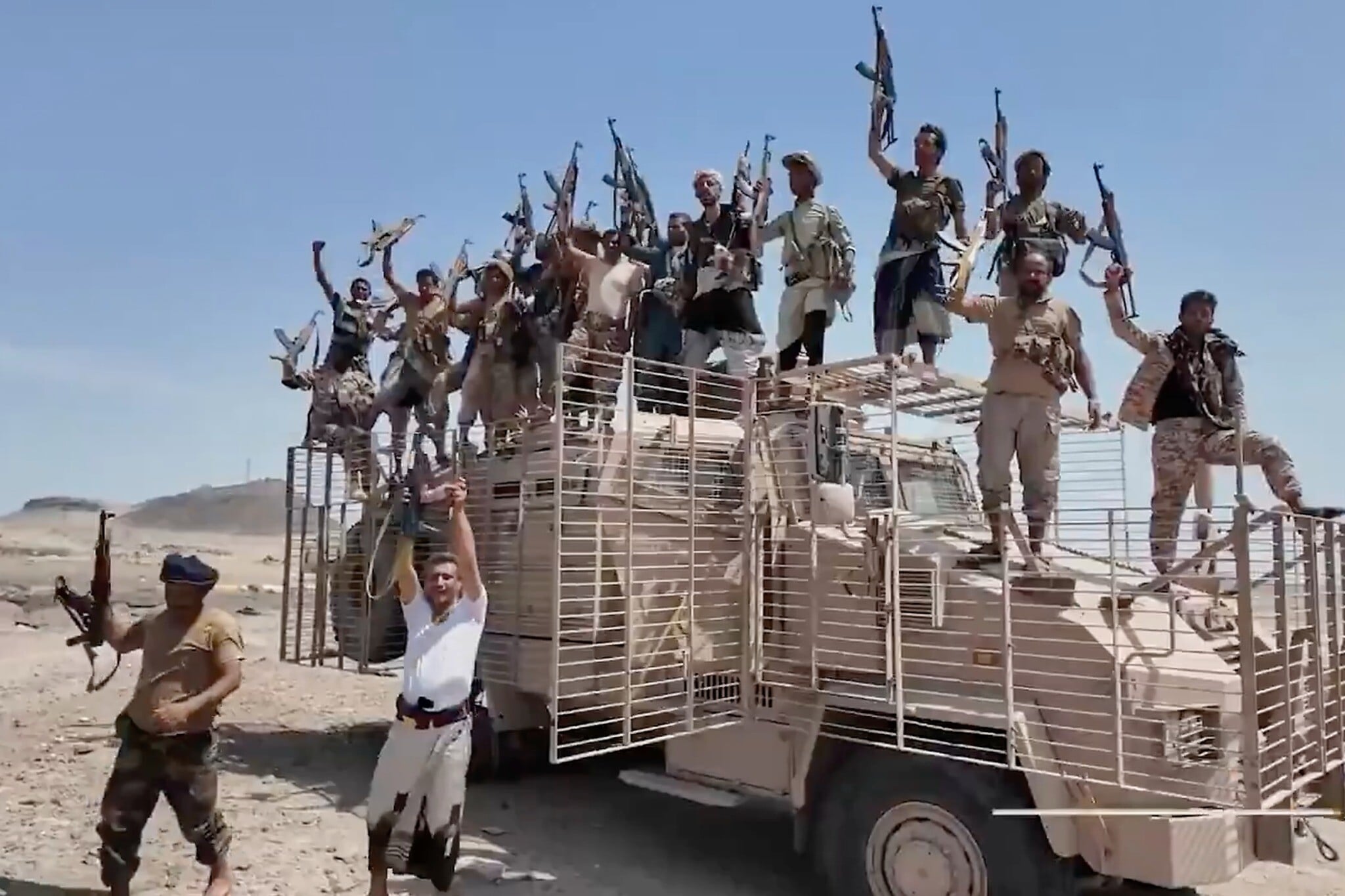
“This renewed war should alarm us all,” the UN special envoy for Yemen, Hans Grundberg, warned as the Houthis moved south.
In Aden, a woman was in tears Saturday over what the ensuing chaos meant for her fragile family.
“We saw soldiers shouting for a retreat as bullets flew all around, and we had no idea what was happening. One of my sons had a motorcycle, so I told him to take his children and flee,” said Durrah Ali Hassan, who took shelter in a relative’s house.
She said she was worried about the toll on her pregnant daughter, who already had been bleeding.
“I was so worried that roads might get blocked and that my daughter would die.” She was now in a coma at a hospital, her mother said.
In just days’ time, the International Organization for Migration has revised its number of displaced people by 30,000 more, saying at least 76,000 people now have fled since July as fighting escalated.







The Times of Israel Community.