

A 19th-century drama hit with post-Oct. 7 fallout: Award-winning ‘Yentl’ goes to London
Running through April 12, an acclaimed Australian adaptation of the classic Isaac Bashevis Singer story travels abroad, despite what its writer describes as a global aversion to Jewish art
 Add ToI as a Preferred Source on Google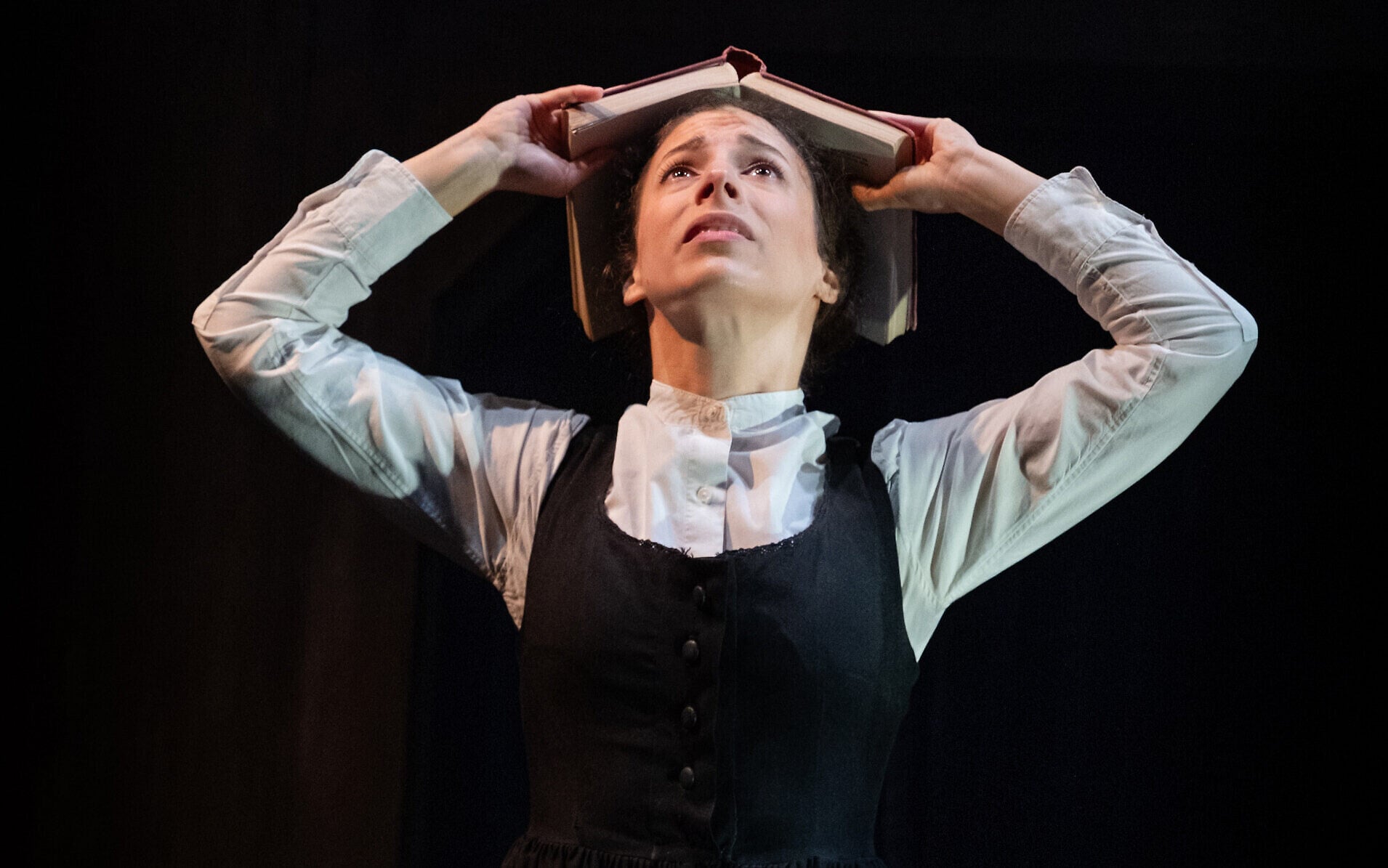
As a young woman coming of age in a late 19th-century shtetl, the study of Jewish scripture is completely off limits to “Yentl.”
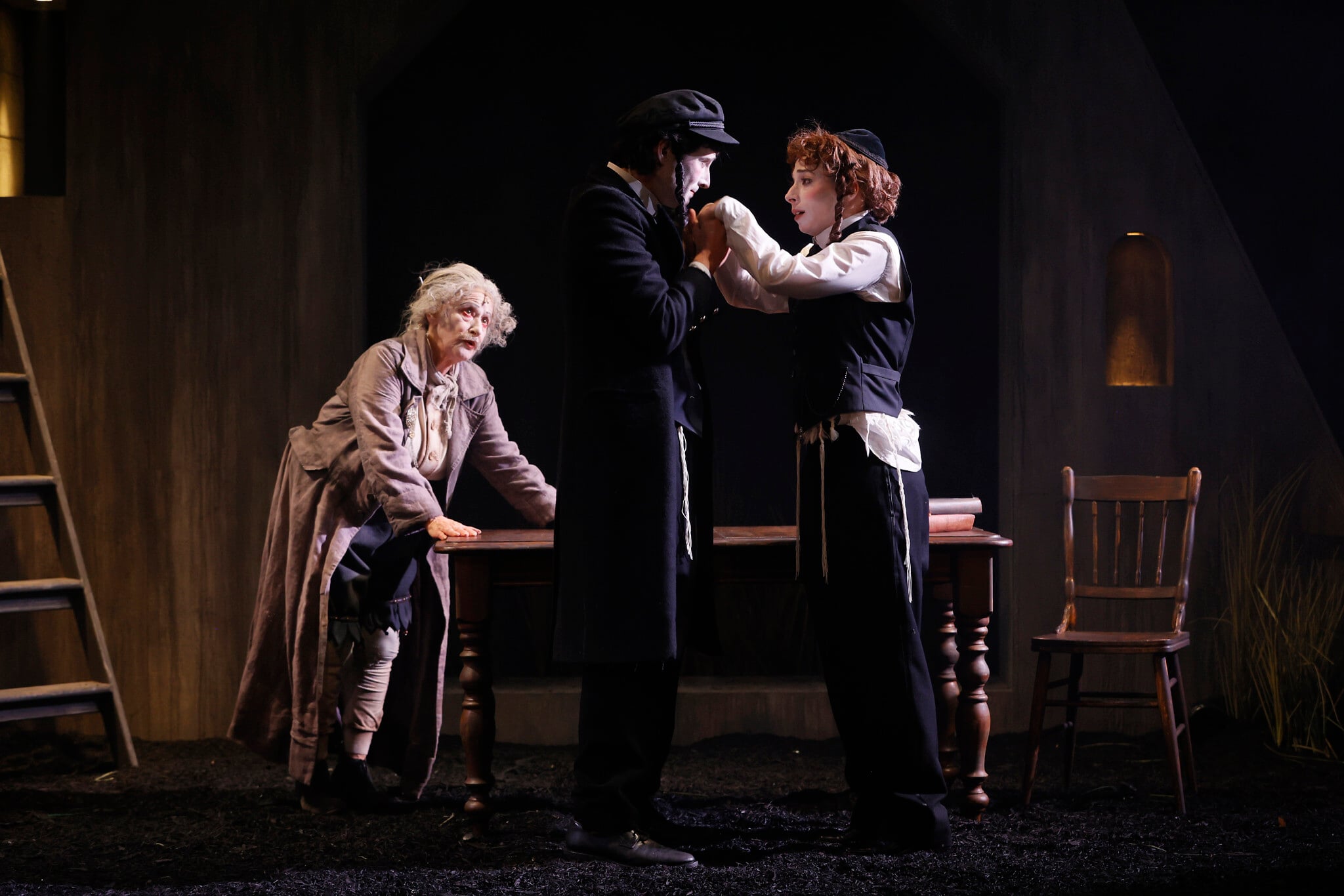
But the protagonist of Isaac Bashevis Singer’s short story “Yentl the Yeshiva Boy” will not take no for an answer, and so she cuts off her hair and dons the black and white uniform of her young male peers in a bid to gain entry to a forbidden world where she becomes steeped in learning, love and moral conflict.
It may be set more than a century and a half ago, but the themes very much still resonate with a contemporary audience, said Elise Esther Hearst, one of three co-writers who have adapted Singer’s 1962 short story for the Kadimah Yiddish Theatre in Melbourne, Australia.
Following a highly successful run at the Sydney Opera House, the production has traveled to London for a six-week staging at the Marylebone Theatre, which runs through April 12.
“’Yentl’ is a groundbreaking show in the way it explores very contemporary issues around gender and around identity that are very relevant today,” Hearst told The Times of Israel ahead of the opening.
For many, the name Yentl will conjure up images of Barbra Streisand dressed as a yeshiva boy in the 1983 Hollywood version of Singer’s short story. This production — which, unlike the film, is not a musical — is very different, said Hearst.
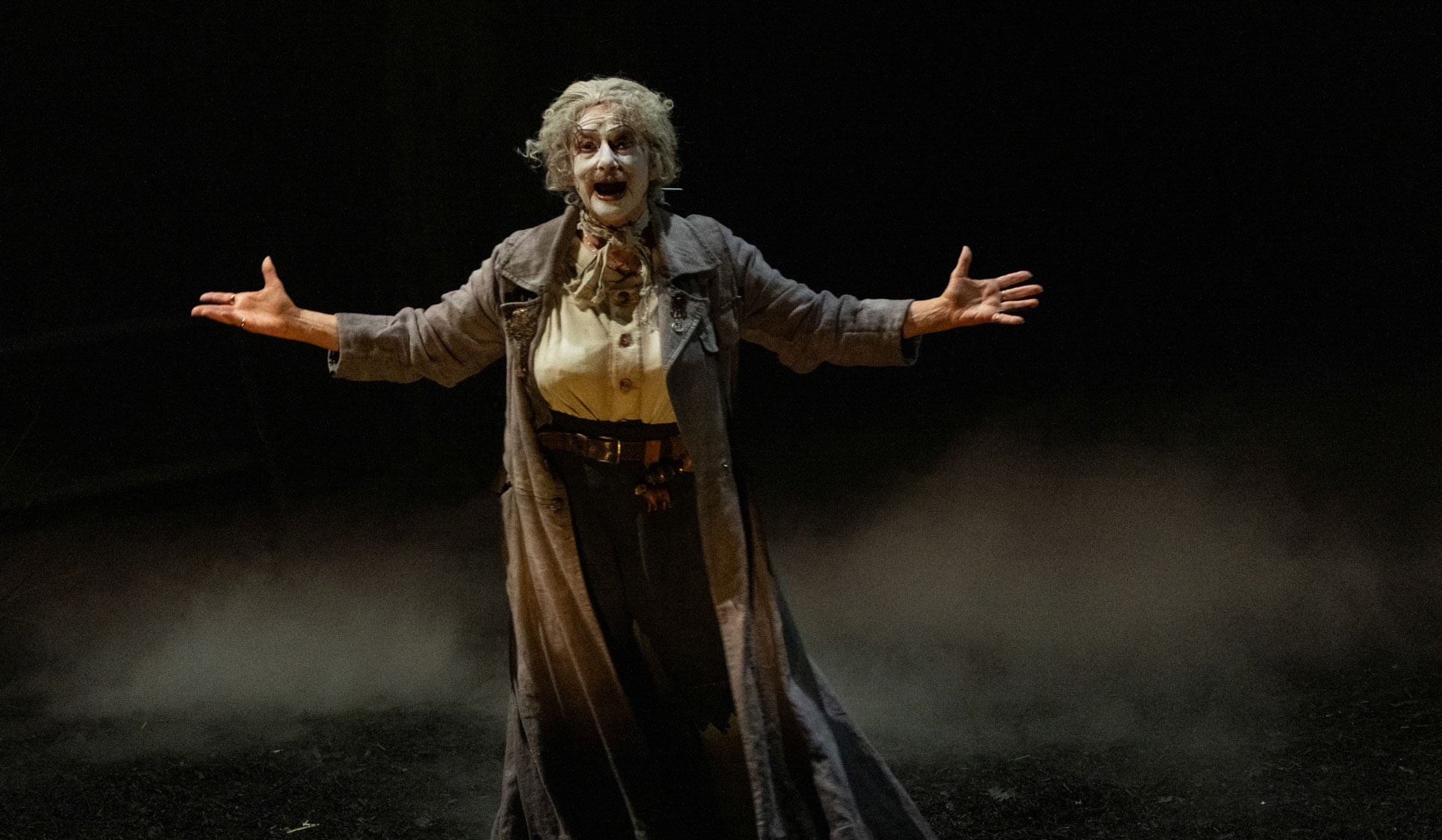
“When I first came to the work and read the short story, and then I revisited the iconic film, I was shocked by how it felt like a really sanitized version of the heart of the story, which is about a person who is so driven to know themselves, to the point of almost demonic possession,” Hearst said.
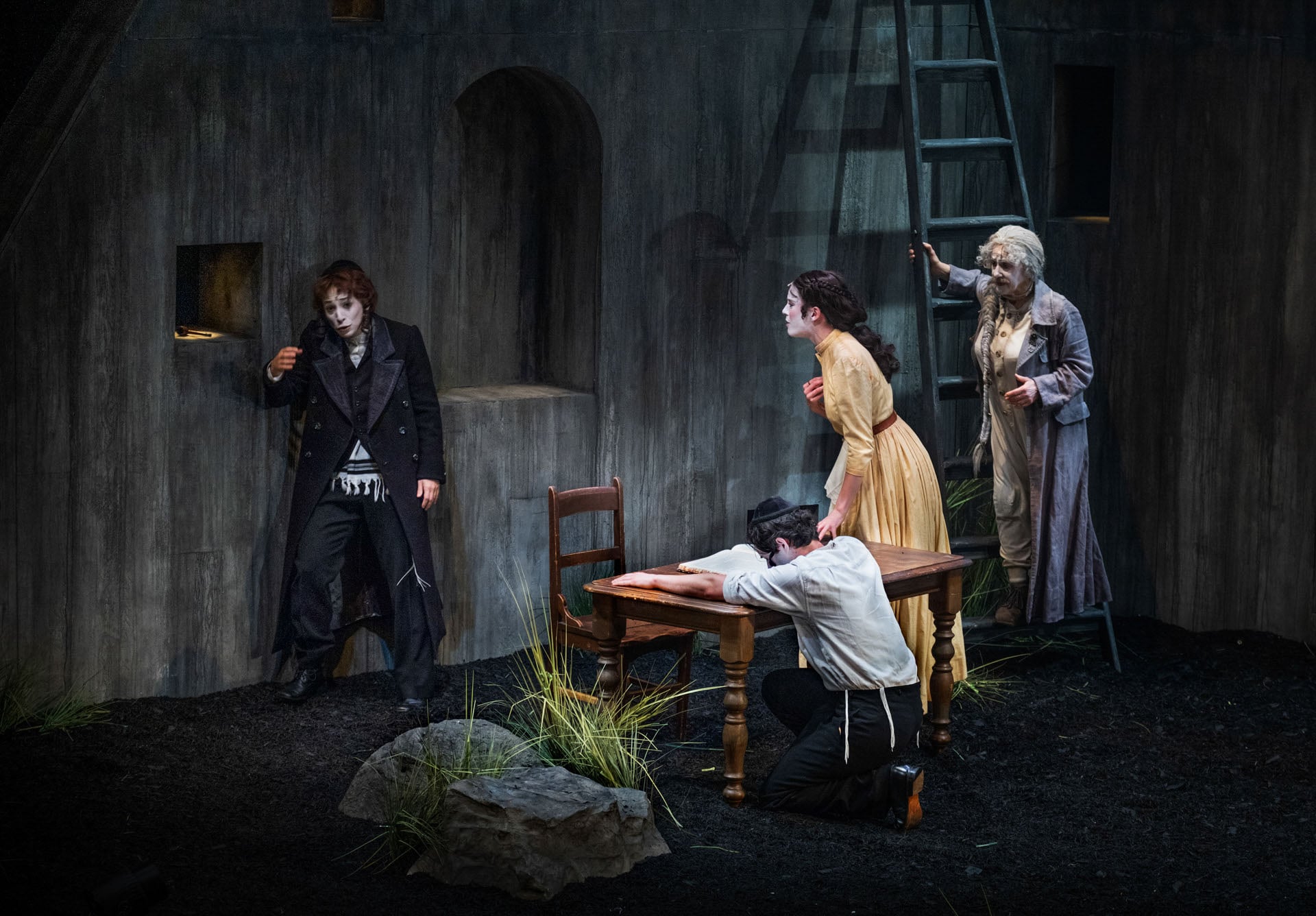
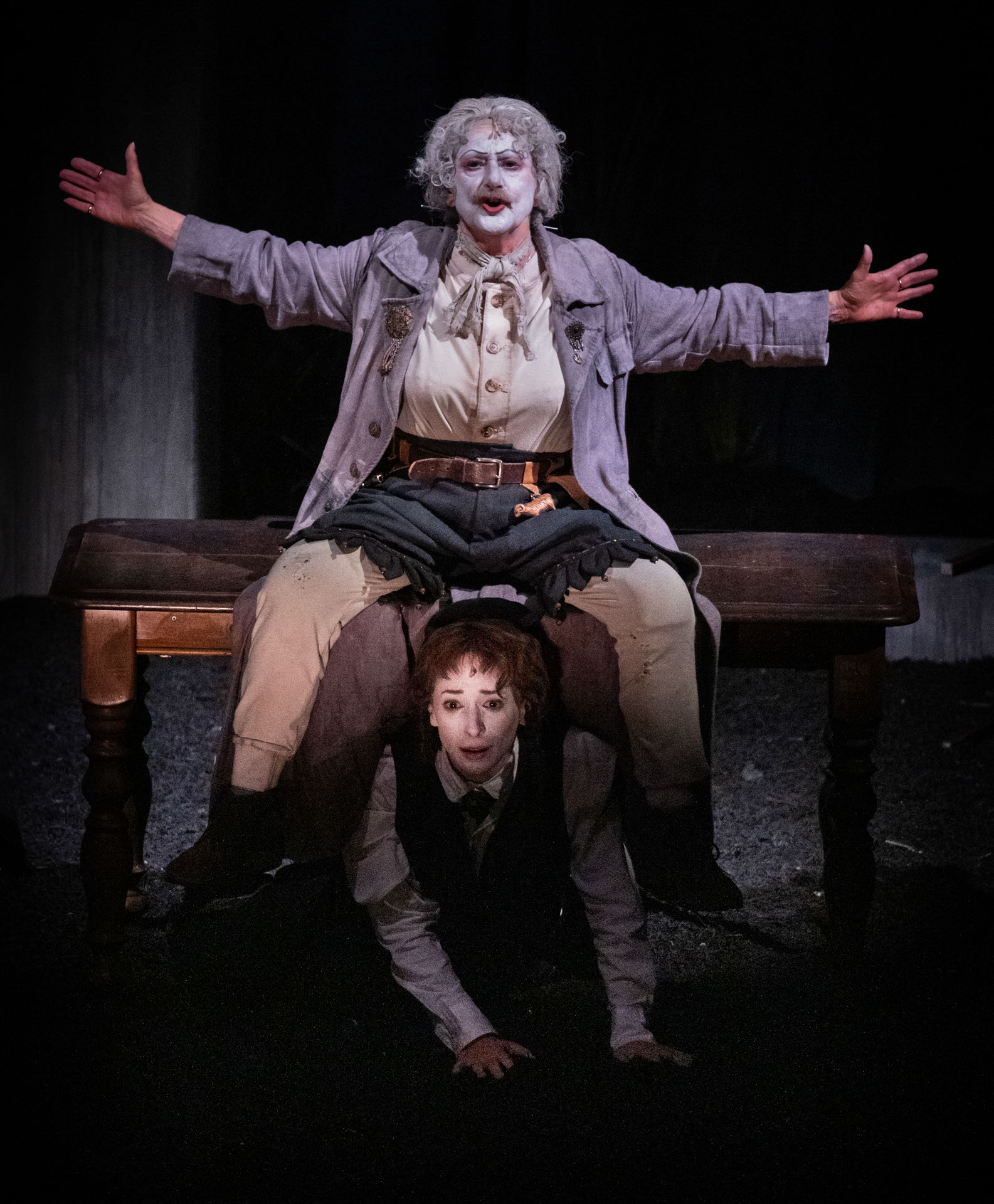
“Our take is a much darker, more gothic, more morally ambiguous work than the Streisand version. Aspects of the work are quite vaudevillian and very animated,” she said.
Gary Abrahams, who co-wrote the play with Hearst and Galit Klas and also directs it, echoed those sentiments ahead of the opening night in London.
“This isn’t ‘Yentl’ as you know it,” he said in a statement. “This production reclaims Isaac Bashevis Singer’s original Yiddish short story and reconnects it with its darker and more transgressive roots. Singer’s spirituality sings throughout, conjuring a world full of dybbuks, demons and ghosts.”
What further sets the production apart is that it is bilingual: The drama takes place in mostly in English, but also has some spoken Yiddish. All dialogue is surtitled in both languages.
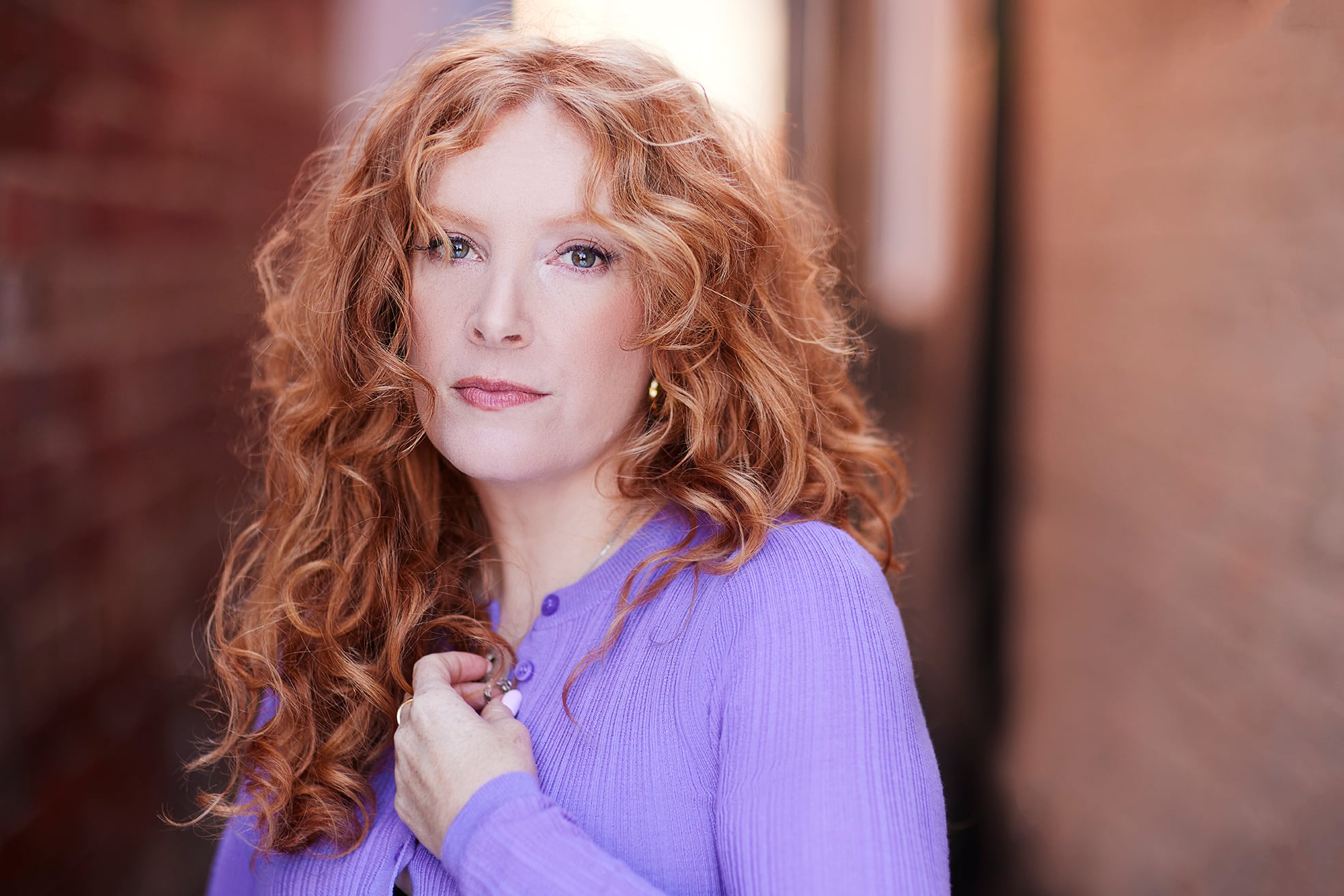
“Immediately, when the first words of the play are uttered in Yiddish, you are just transported to another time, another place, and that’s very unique,” said Hearst.
Oct. 7 shifts reactions Down Under
The six-week run is the latest outing for the production, which has been met with critical acclaim in Australia, where it first opened at the Melbourne Arts Centre in 2022.
It was “wholeheartedly embraced,” according to Hearst. “The reception of the play was so incredible in that 2022 season — it was such a celebration, a unique style of theater. People were probably for the first time in their lives hearing Yiddish spoken on stage, and they were immersed in a world of Jewish folklore, spirituality, really dynamic and interesting explorations of identity and gender and sexuality.”
A string of five-star reviews and very healthy ticket sales were key to bringing the show back for later runs — at the Malthouse Theatre in Melbourne in early 2024 and several months later at the Sydney Opera House. But the bloody Hamas massacres of October 7, 2023, and the subsequent rise in antisemitism and anti-Israel attitudes worldwide, had altered the landscape.
“It definitely had a different flavor when we were performing it in 2024,” said Hearst. “Obviously, post October 7, the world and the atmosphere around Jewish lives and art changed. Both subsequent seasons were successful and critically acclaimed — we were getting five-star reviews again and again and again — but I guess audience attitudes changed and shifted, and we maybe had less attendance than we would have liked.”
The story is set in a region thousands of miles from where war was raging in Gaza and many decades before Israel even came into being. And yet it was impacted by the anti-Israel backlash.
“There was a feeling that that was a block for some people to attend, sadly, regardless of what the show is or isn’t about, regardless of what the creative team are or aren’t about… people chose not to support it, I believe, because it was a Jewish work,” Hearst said.
“There’s no conversation about Israel — it’s nothing to do with this show,” she said, adding that there has been a lot of “misinformation and misunderstanding” surrounding it.
Although she admits to being “disappointed,” she is not wholly surprised, given that it’s a “difficult time to be a Jew in Australia.” Three months ago, the community was devastated after two terrorists attacked a Hanukkah celebration on Sydney’s Bondi Beach, killing 15 people.
“As tragic and awful as Bondi was, we have been experiencing acts of terror and aggression since October 7 in dramatic ways that we hadn’t before. As a community, it’s been scary, it’s been shocking, it’s been sad,” Hearst said. “I think a lot of people, in whatever industry they’re in, have struggled to find their place, to know whether or not they are safe to express their Jewishness. It’s affected people in so many ways.”
That said, it is this marginalization that makes it all the more important to turn up the volume when it comes to Jewish creativity, and it’s important that artists stay loud and proud, Hearst believes. This is certainly a maxim she lives by. Her debut novel, “One Day We’re All Going to Die,” is the coming-of-age story of a young Jewish woman in Melbourne who is trying to make her way in life, while also bearing the weight of the unspoken grief of her grandmother, a Holocaust survivor.
The book, which was published in September 2023, is a bestseller in Australia and will be published in Israel later this year. Meanwhile, Hearst is working on the pilot for a TV adaptation.
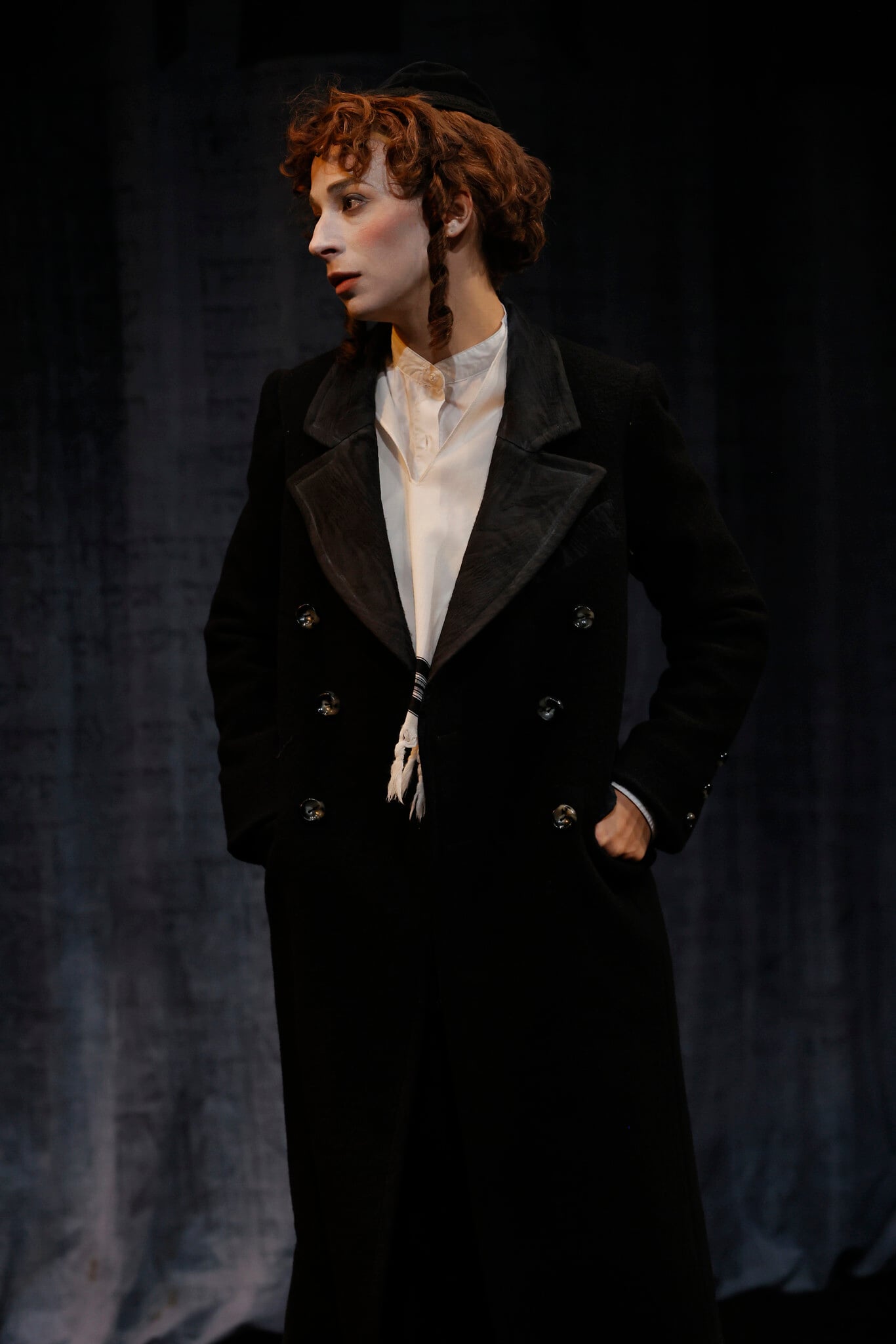
At a time of increasing antisemitism around the world, there’s no doubting Yentl’s heritage, as the posters that are plastered around London’s Underground system highlight. A young woman, played by Australian actress Amy Hack, can be seen wrapping prayer phylacteries around her arm while dressed as a man.
The London run is a “dream come true” for Hearst, who trained at the Royal Court Theatre in London.
“We’re heading to London with an open mind and an open heart, and really looking forward to sharing this work with an international audience, but also in the home of theater,” she said. “I started my playwrighting career in London, so it’s a kind of ‘pinch me’ moment.”
What’s most important, she believes, is that the people who go to see the play really immerse themselves in the experience.
“It’s a testament to the fact that we exist, and I think the show is something to be celebrated, not just because it’s Jewish,” Hearst said. “I think it’s generally a wonderful piece of art, but I think at this time Yentl, for certain people, will be a balm for the soul because it is so alive and it is such a celebration of language and our culture.”






The Times of Israel Community.