

After Lebanon truce, Iran says Hormuz ‘completely open’; US maintains naval blockade
Trump hails move but keeps naval blockade on strait, says mine-clearing operations underway; oil prices tumble, though shipping firms, US Navy and EU warn situation remains unstable
 Add ToI as a Preferred Source on Google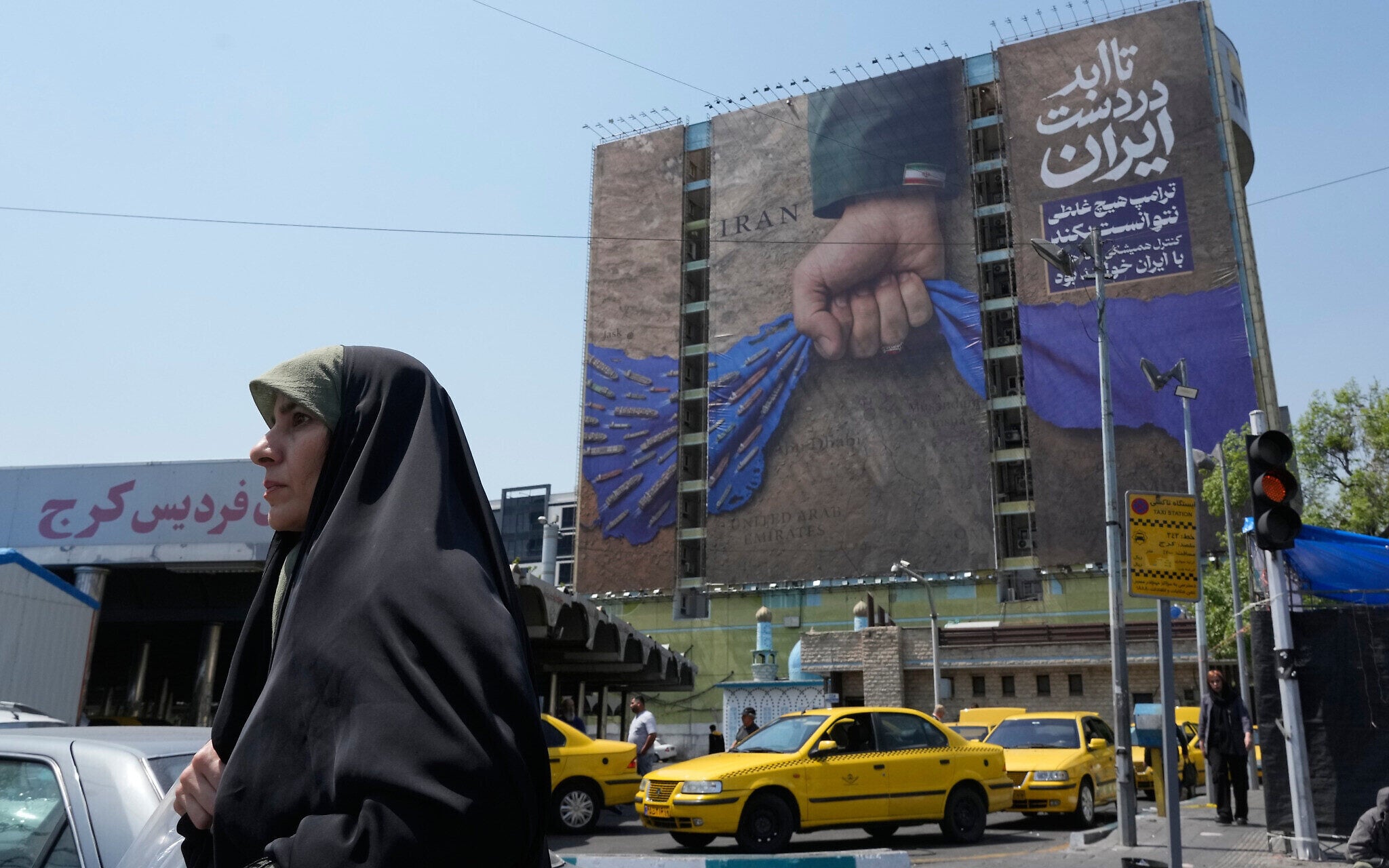
Iran declared on Friday that the Strait of Hormuz was “completely open” for as long as the US-brokered ceasefire between Israel and Lebanon would last, though lingering security concerns cast doubt on how quickly traffic could resume through the vital waterway.
US President Donald Trump gleefully celebrated the reopening of the strait, with news of the move sending oil prices tumbling.
Despite Israeli and US protestations that the Lebanon ceasefire that went into effect overnight was not linked to Iranian pressure, Tehran drew a strait line between the two.
“In line with the ceasefire in Lebanon, the passage for all commercial vessels through the Strait of Hormuz is declared completely open for the remaining period of the ceasefire,” Foreign Minister Abbas Araghchi wrote on X, while stipulating that ships must sail along “the coordinated route as already announced” by Iran.
Tehran began blocking the strait, a key pathway for the global oil and natural gas supply, since the beginning of the US-Israeli war with Iran on February 28. Washington has imposed a blockade on Iranian ports since Monday, amid a ceasefire, intended to prevent Tehran from exporting its oil.
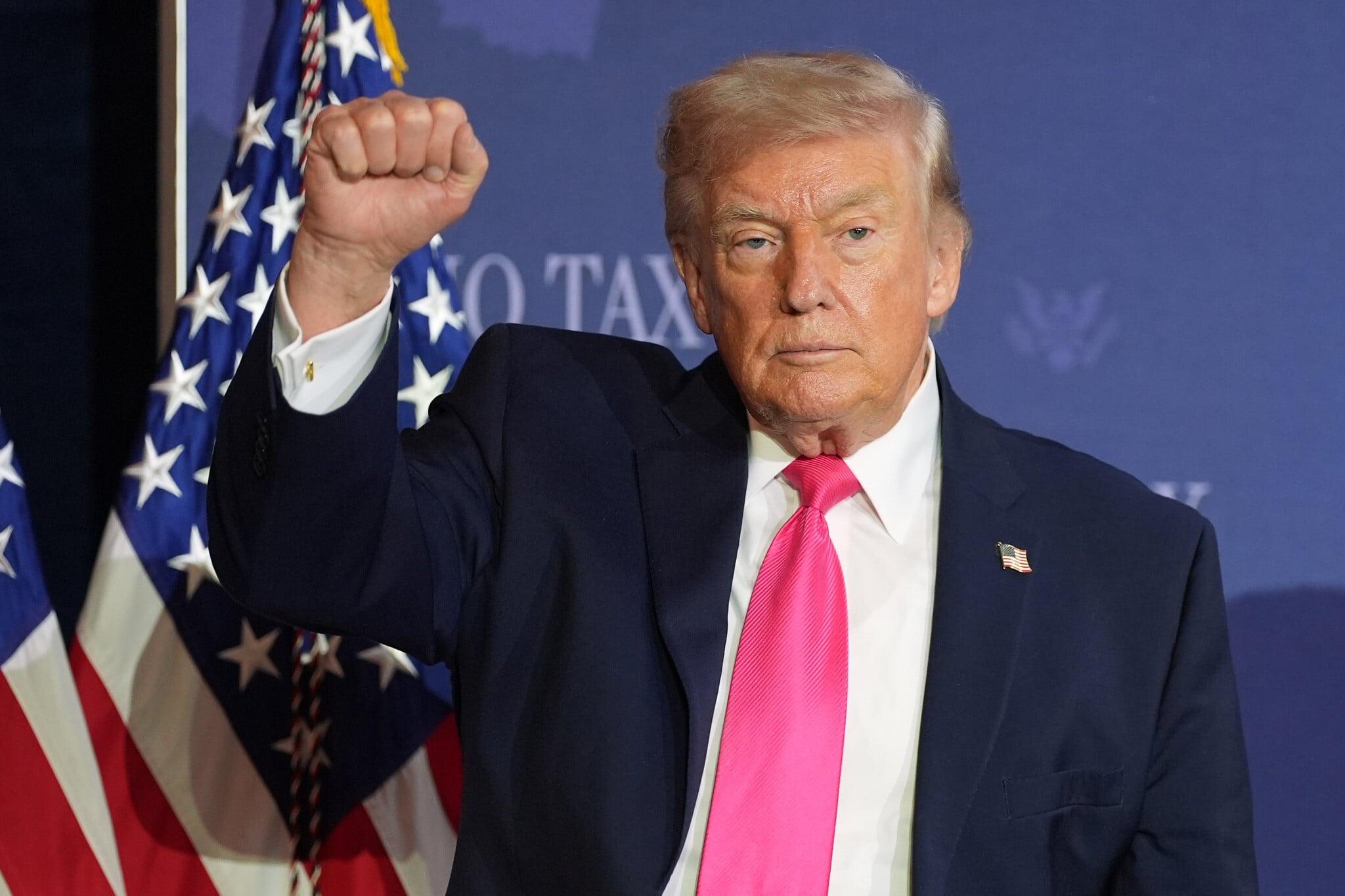
Trump quickly welcomed Tehran’s move, writing in an all-caps Truth Social post that “IRAN HAS JUST ANNOUNCED THAT THE STRAIT OF IRAN IS FULLY OPEN AND READY FOR FULL PASSAGE.”
However, Trump made clear that Washington’s own restrictions would remain in place.
“The Strait of Hormuz is completely open and ready for business and full passage, but the naval blockade will remain in full force and effect as it pertains to Iran only, until such time as our transaction with Iran is 100% complete,” he wrote in a subsequent post, referring to a developing agreement aimed at permanently ending the war with Iran.
At the same time, Trump stressed that the emerging deal with Iran was “not tied, in any way, to Lebanon,” despite Tehran explicitly linking the reopening of the strait to the ceasefire there.
Later, Trump said that “Iran has agreed to never close the Strait of Hormuz again,” and asserted that the waterway “will no longer be used as a weapon against the World!”
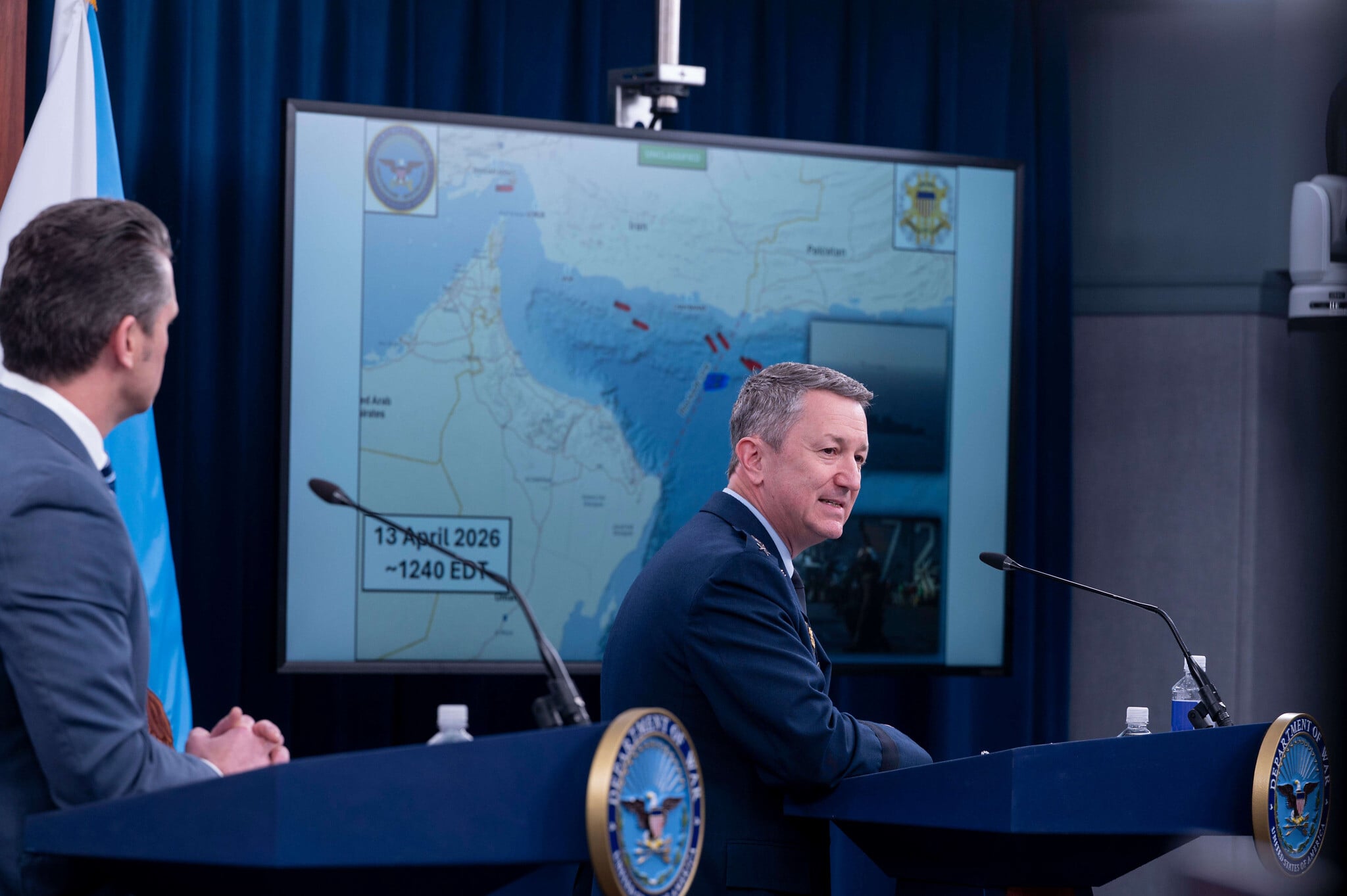
Trump also said that Iran, “with the help of the USA, has removed, or is removing, all sea mines” from the strait, while touting international support for the arrangement.
He thanked Saudi Arabia, the United Arab Emirates and Qatar for their “great bravery and help,” as well as Pakistan, which has been acting as a mediator in US-Iran talks, and dismissed a potential NATO role in mine-clearing operations, saying he told the alliance to “STAY AWAY, UNLESS THEY JUST WANT TO LOAD UP THEIR SHIPS WITH OIL.”
International mission
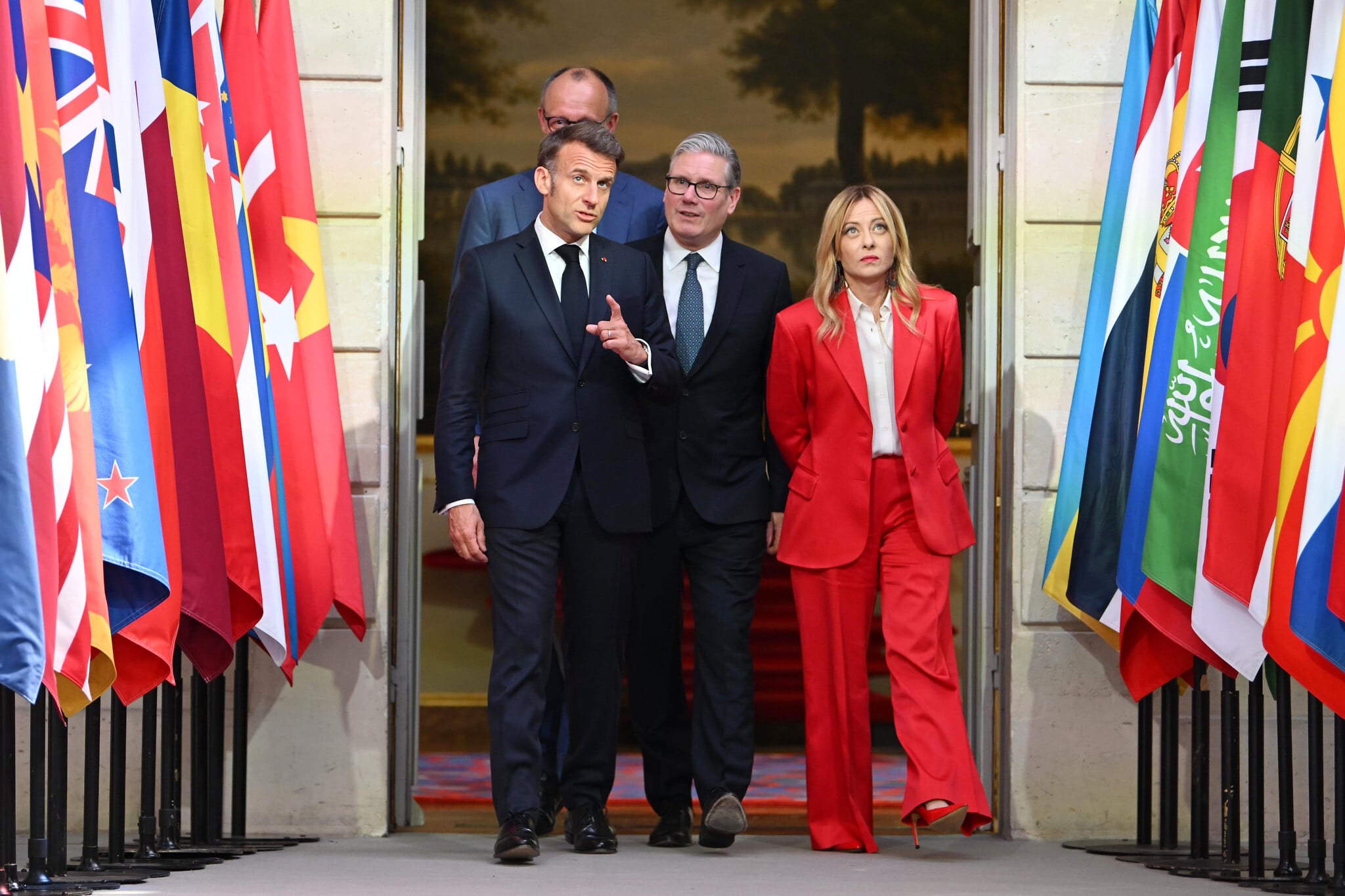
Despite Trump’s rejection of NATO’s involvement, British Prime Minister Keir Starmer said more than a dozen countries were ready to contribute assets to a potential defensive mission aimed at ensuring freedom of navigation of the strait.
“We will take this forward with a military plan conference in London next week where we will announce more detail on the composition of the mission, and over a dozen countries have already offered to contribute assets,” Starmer told reporters alongside the leaders of France, Germany and Italy, after a meeting in Paris of 49 countries to discuss preparations for a possible multinational defensive mission to protect shipping in the Strait of Hormuz once conditions allow.
French Defense Minister Catherine Vautrin separately noted that several European countries, including Belgium, the Netherlands and France, have mine clearance capabilities that could help secure passage through the waterway. She emphasized that any mission would be strictly defensive, potentially including escorted passage for commercial vessels.
Early signs of resumed traffic emerged quickly. According to maritime tracking firm Kpler, three Iranian oil tankers — the Deep Sea, Sonia I and Diona — carrying a combined five million barrels of crude, became the first such vessels to exit the Gulf via the Strait of Hormuz since a US blockade came into force. No Iranian tanker had left the Gulf through the Strait of Hormuz with a cargo of crude oil since April 10.
Still, international uncertainty persisted. The Norwegian Shipowners’ Association said several factors needed clarification before transit could be fully assessed, including the presence of sea mines, Iranian conditions and practical implementation.
Similarly, shipping firm Hapag-Lloyd said it would continue avoiding the strait while assessing the situation.
A US Navy advisory echoed those concerns, warning that the threat posed by mines in parts of the strait was “not fully understood” and recommending that vessels consider avoiding the area. The advisory referenced risks within the Traffic Separation Scheme, the internationally recognized shipping corridor dividing lanes between Iranian and Omani waters.
Stocks surge, oil prices tumble
Even as security questions lingered, global markets reacted swiftly to the prospect of restored flows through the strait, which typically carries around 20 percent of the world’s oil and liquefied natural gas. Oil prices fell sharply on Friday, easing fears of supply disruption that had pushed crude above $100 a barrel and sparked recession worries. On Wall Street, the S&P 500 rose 0.8% in early trading.
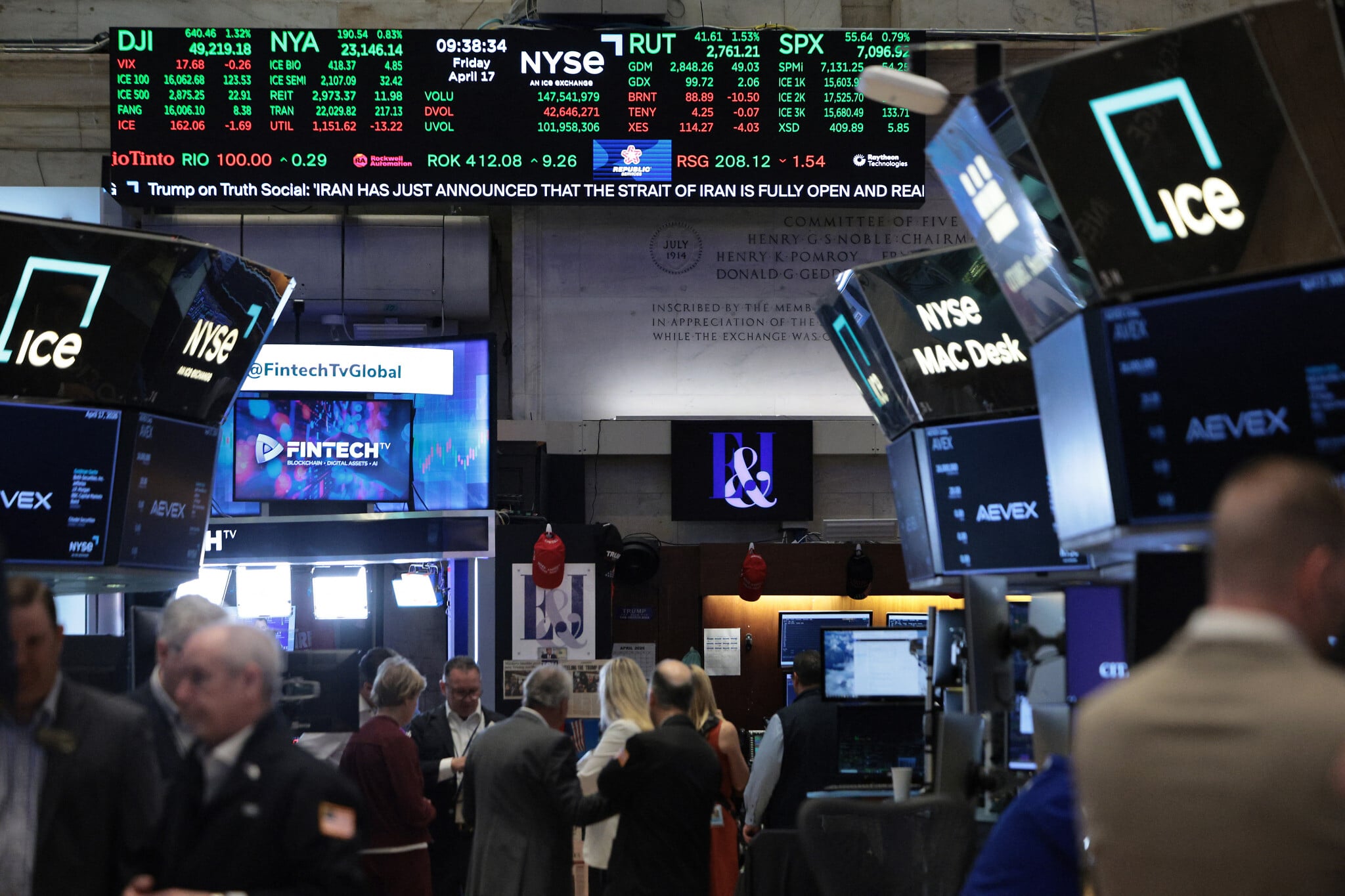
Meanwhile, European officials warned of economic ripple effects. The European Union said it was prepared to coordinate a release of jet fuel stocks if disruptions persisted, amid concerns from European airlines and regulators about potential cancellations, grounded aircraft and disruption to summer holiday travel unless jet fuel supply bottlenecks from the Middle East linked to the Iran war would ease soon.
“There are no fuel shortages in the EU at present,” an EU spokesperson said, while noting preparations for possible shortages. “If the situation in the Strait of Hormuz continues, the EU will be preparing to launch a possible coordinated release of jet fuel stocks.”








The Times of Israel Community.