

After soldier’s death in Gaza, Filipino family finds comfort in Jewish mourning practice
Hundreds pay condolence calls for Sgt. First Class Cedrick Garin, as his parents fight to become Israeli citizens after their son made the ultimate sacrifice for the State of Israel
 Add ToI as a Preferred Source on Google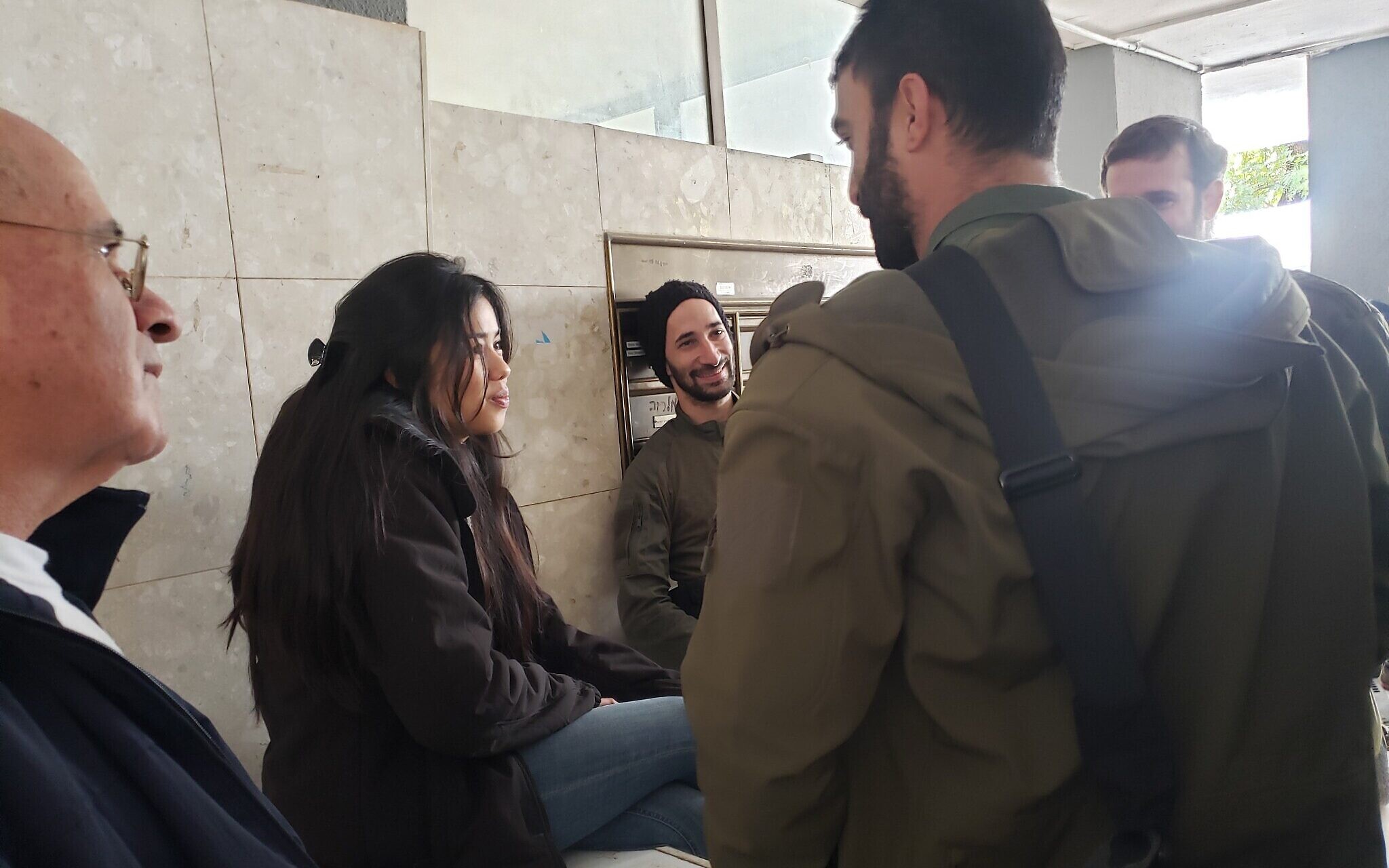
There were two distinct venues for those who came to pay their respects to the family of fallen soldier Sgt. First Class Cedrick Garin on Monday morning in Tel Aviv: inside the tent and outside the tent.
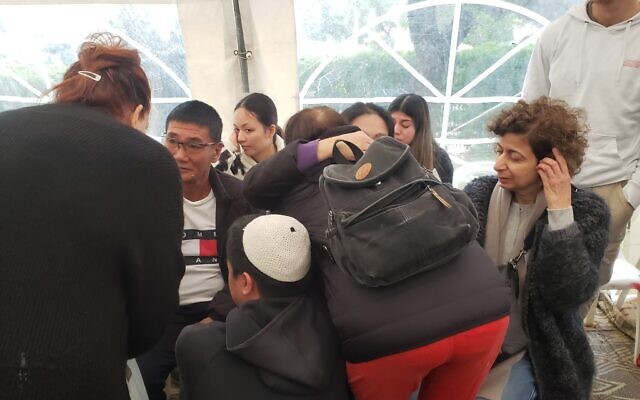
Inside the tent, set up to accommodate the visitors who would have overflowed the family’s apartment, Cedrick’s parents Imelda and Rico mourned their son who fell in Gaza and lauded his heroism and strength in the face of adversity.
Most people who paid a shiva call during the seven-day mourning period did not know Cedrick personally and had never met his wife or parents. But they came out in hundreds to honor the Israeli-Filipino soldier who was killed a week ago when he and 20 other soldiers came under RPG attack in Gaza in what turned out to be the single deadliest incident for IDF troops since the ground operation began.
The visitors hugged Garin’s parents, cried with them, thanked them for their son’s sacrifice. At one point, a young man knelt on the ground and sobbed into Rico’s lap. Imelda and Rico accepted it all gracefully.
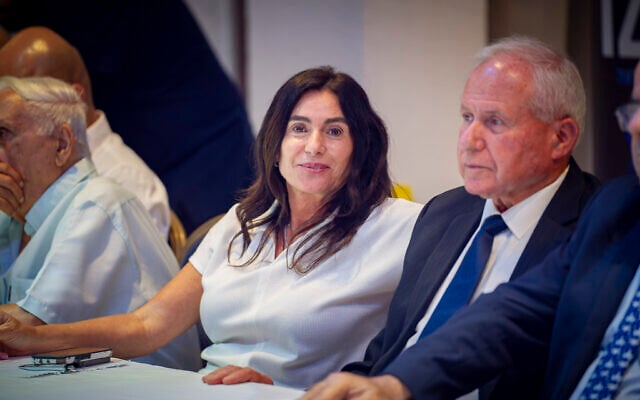
Cedrick and his family are not Jewish; yet, the framework they chose for their mourning — the traditional seven-day Jewish mourning period called shiva — took on the cultural shape of their chosen country. Several of the visitors wished Imelda success in her petition for Israeli citizenship, which she discussed on Sunday with Interior Minister Moshe Arbel, who promised to prioritize her case as well as Rico’s. Arbel instructed the Population and Immigration Authority to grant citizenship to the Philippines-born parents of the fallen soldier, he told Hebrew media outlets on Sunday.
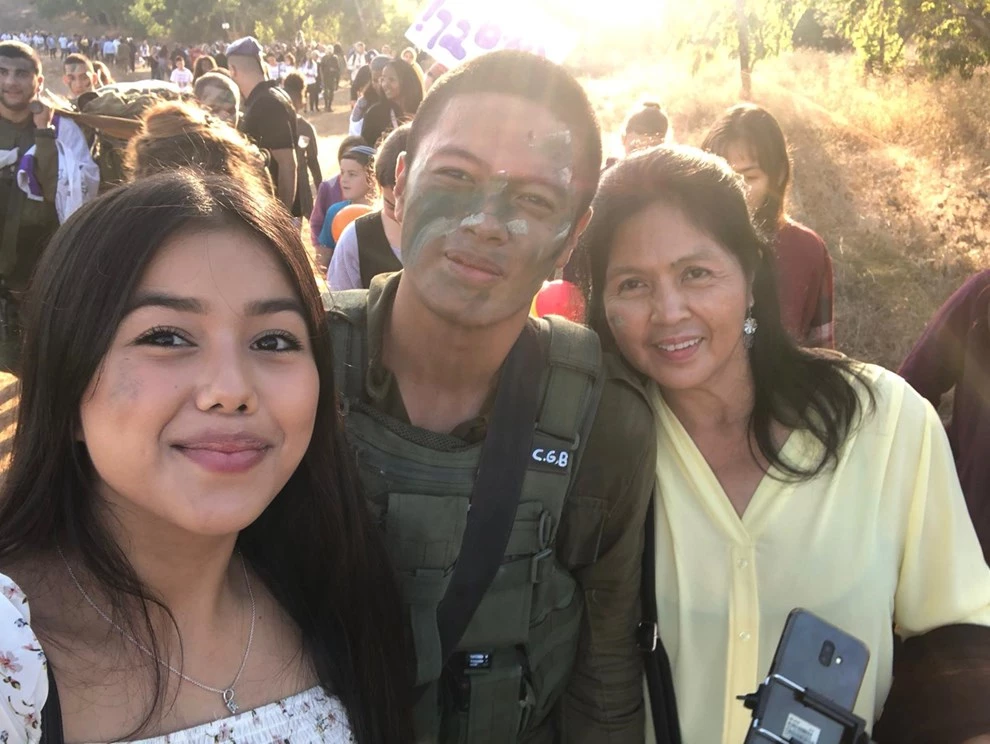
Cedrick’s mother, who currently holds the status of temporary resident, has been living in Israel as a foreign worker for the better part of 30 years and Cedrick himself only officially became an Israeli citizen after his army service. His father only returned to Israel 22 years after his deportation, to bury his son. But at both his funeral and his shiva, Cedrick was called “Israel’s glory” and “a hero of Israel.”
The overt sadness was localized to inside the tent. Outside, Cedrick’s wife Daniela sat with her husband’s friends from the army amid constant laughter and high spirits.
“Do you remember his wallet? He had a granny wallet.”
“Oh God — I hated that wallet of his!”
“He said something about a traffic ticket…”
“I forgot about the traffic ticket! I told him I would take care of it… Well, I guess it’s taken care of now, haha… That goddamn ticket. Wow.”
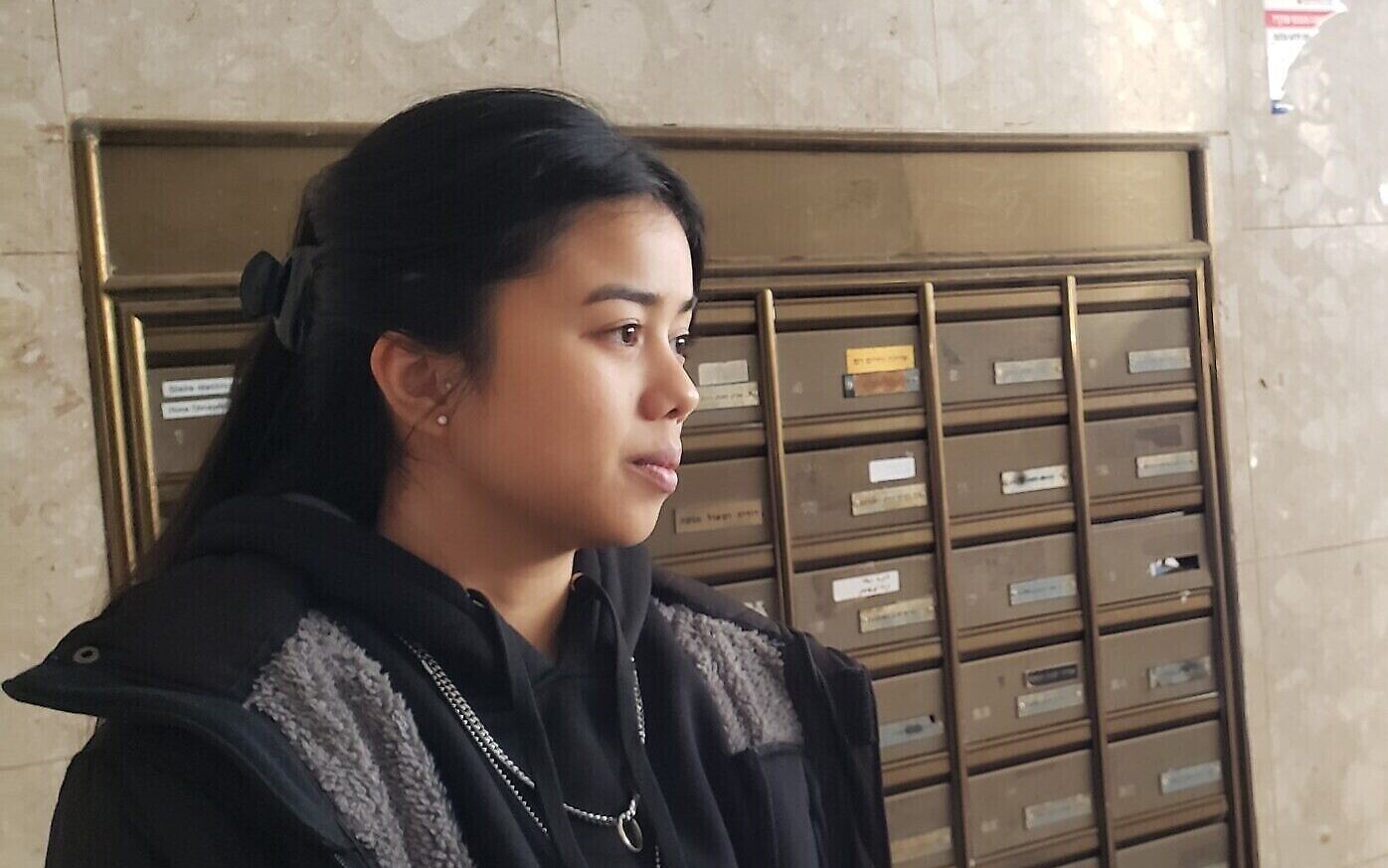
Daniela barely set foot in the tent all morning. The 22-year-old widow wanted only to sit with the soldiers and have a cigarette, a cup of coffee and a good laugh.
“I don’t know how long they can stay here,” she said to anyone who tried to take her away from her soldiers. “And I want to sit with the guys.”
“I only come out for them,” she said. “They know how to laugh with me. Everyone else comes to me and cries, and then I cry with them.”
She added that her grief is like a roller coaster of laughter and tears. On Monday morning, she was prioritizing laughter.
The group spent over an hour with her, sharing memories, photos, videos, voice messages, and anything else they could think of. They leaned into the dark humor, allowing themselves what would otherwise have been incredibly inappropriate comments about the tragic death of their friends.
But, they said, that’s what their group was always doing: joking around until the last moment. “I’m sure Cedrick was laughing right up until the moment of the explosion,” said Daniela.
The soldiers, unfortunately, had other condolence calls to make that day, still catching up after a week of nonstop funerals and shivas for their 21 fallen comrades.
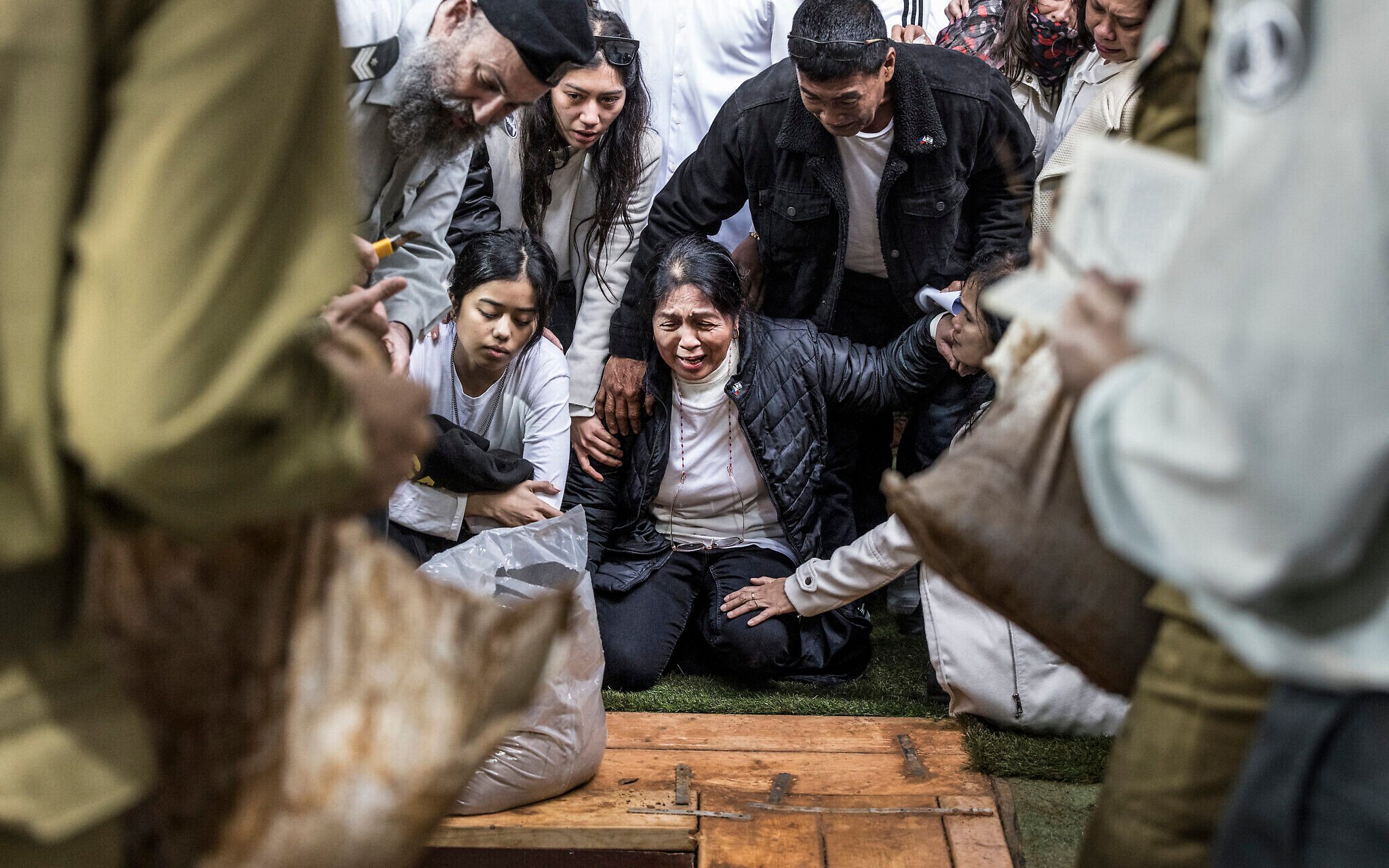
Only after her husband’s comrades left did Daniela address the crowd, and the sadness made an appearance. Her smile faded and she returned to the same mournful tone of voice she used in media interviews.
“[Cedrick’s death] still hasn’t really hit me,” Daniela said. “I just take it one step at a time.”





The Times of Israel Community.