

At hearing, former Walla editor describes ‘unease’ at Netanyahu’s sway over newsroom
Baruch Shay says copy was sent to higher-ups, ‘at first for approval, then for changes, and there were cases when stories were killed’; speaks of pressure by bosses to play ball
 Add ToI as a Preferred Source on Google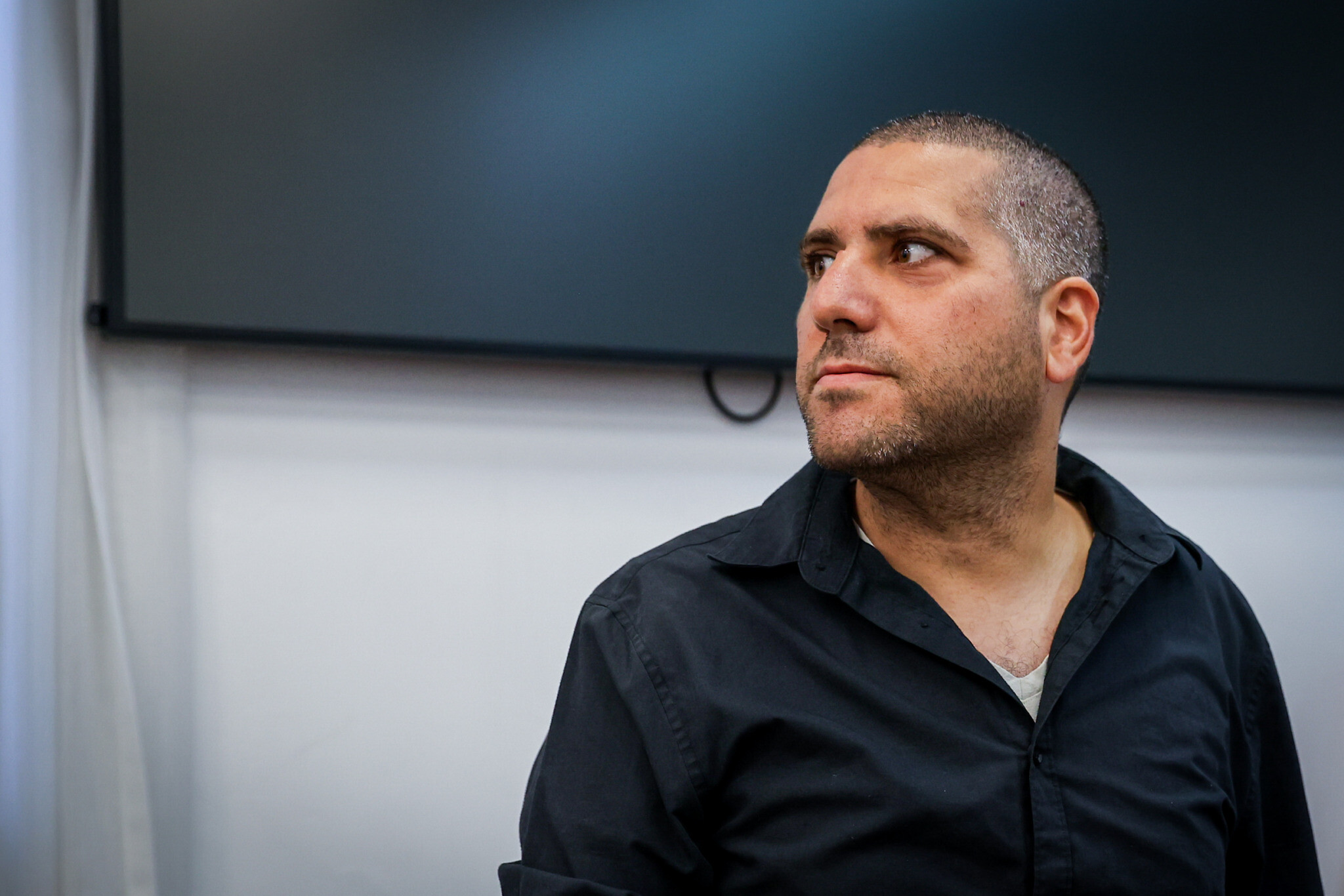
The former head of the newsroom at the Walla news site testified Monday at the Jerusalem District Court in Prime Minister Benjamin Netanyahu’s ongoing corruption trial, describing incidents of alleged interference by the prime minister or his associates in the site’s news coverage around 2015.
Baruch Shay’s testimony is related to Case 4000. Also known as the Bezeq-Walla case, it focuses on allegations that Netanyahu, during a previous tenure as prime minister, authorized regulatory decisions that financially benefited Bezeq telecommunications giant shareholder Shaul Elovitch by hundreds of millions of shekels. In return, Netanyahu allegedly held sway over media coverage from the Walla news site, also owned by Elovitch. Netanyahu faces charges of bribery, fraud and breach of trust in the case.
“The requests from the bosses during the [2015] election period became more frequent,” Shay said on the stand. “At first, they asked to review things after the edit, then it became before the edit. The issues focused on were those touching on Bezeq, Netanyahu’s family and his political rivals.”
Shay said that in such cases, “usually material was sent to [former chief editor at Walla] Avi Alkalay. At first, it was for approval, then it was for changes, and there were cases when stories were killed.”
Shay said such intervention included “creating positive coverage on one side and preventing negative coverage on the other. Sometimes stories were published that were not according to the desired line, and this would create discontent, so we’d be asked to change headlines, and sometimes we changed them.”
Pressure to alter coverage came “through texts, phone calls. The pressure was incessant until the matter was resolved. The minute such an incident started, it could last an hour, a day, two days. Sometimes it was regarding using pictures or covering events of the Netanyahu family.”
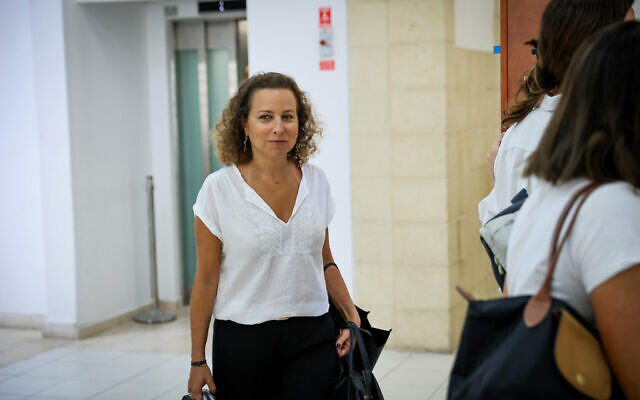
Shay said the intervention in news coverage made him uneasy and was “bad conduct.”
“Journalistic decisions that should have been made professionally were being influenced from the outside by politicians… It created unease. I took a vacation at least twice and this was among the causes for my eventual departure.”
Shay added that there was internal pressure not to refuse requests when they came.
“There are people above me. If I want to advance, they’re telling me: ‘Help us with this, we’ll help you with that.'”
Shay, who now works for the Kan public broadcaster, said the most significant case he remembered was “a week or two before the election” when the outlet’s political reporter came to him with a story about the prime minister’s son, Yair Netanyahu, being involved in the election. “It was new and not previously known and I asked him to look into it… A report was written up, it was supposed to go up on a Friday morning, and then Alkalay asked to see the story. It was sent to him and he asked not to run it, and we didn’t.”
Shay noted that he did not ever feel the reasoning for acquiescing to demands was ideological or political. “It was mostly about economic interests.”
He recalled one case when he was asked to send a photographer to cover Netanyahu’s wife Sara as she met with lone soldiers to present them with a donation. “It was an unusual request… I didn’t think it was an interesting event,” Shay said. “There was a back and forth and if I remember correctly, we didn’t send [anyone] but received a text from Avi Alklalay and we put it on an inner page during a less busy time. That was a compromise because the only thing that interested them was to have a link that could be forwarded.”
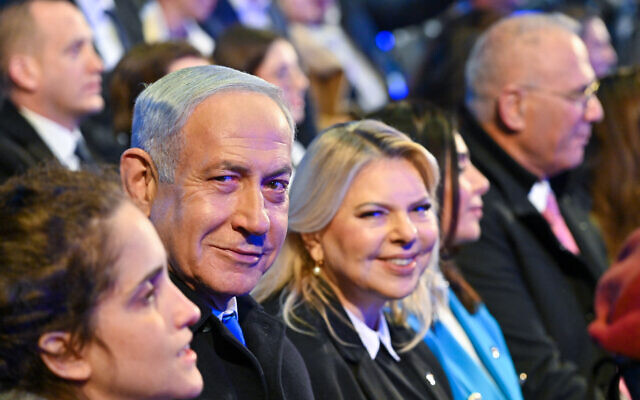
In another case, he was asked by Walla’s then-CEO Ilan Yeshua to use quotes from Sara Netanyahu in a story commemorating slain soldiers, on the one-year anniversary of the 2014 Gaza war. “I remember him telling me: ‘Listen, it disgusts me that I need to talk to you about this while dealing with grief, but get a picture up, help me out.’
“I told him a story was already up. We compromised in the end, we put up a photo of Mrs. Netanyahu in a non-prominent spot.”
Shay confirmed previous testimony about a fight over an interview Netanyahu had given to the website but with which he was unhappy. “I understood there were complaints about how questions were asked and that there were attempts to have it shelved. I spoke to [my bosses] and told them if the interview didn’t go up, I would resign.”
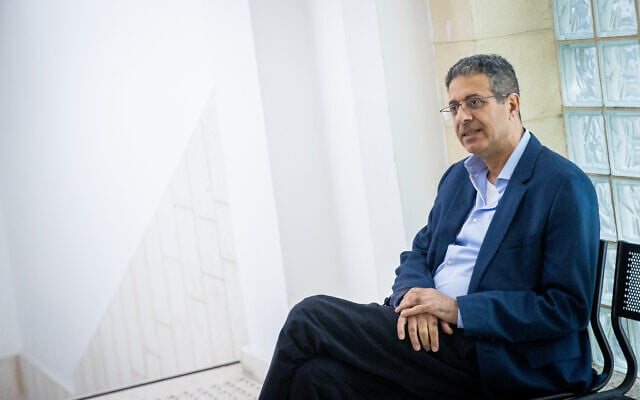
In his own testimony to the court in 2021, Yeshua said he eventually allowed the interview to be edited by Netanyahu’s associates without the knowledge of the newsroom or the interviewer.
Shay’s testimony comes days after Hollywood producer and businessman Arnon Milchan concluded his own testimony in the other two cases against the premier, known as Case 1000, in which Netanyahu is accused of receiving illicit gifts from billionaires in return for favors, and Case 2000, in which he is accused of coordinating a deal for more positive coverage in a leading daily newspaper in exchange for curbing the circulation of a rival daily.
Netanyahu denies any wrongdoing in the cases against him and claims that the charges were fabricated in a witch hunt led by the police and state prosecution.
Netanyahu’s trial began three years ago and, as things stand, the proceedings, including potential appeals, are seen as unlikely to end before 2028 or 2029.





The Times of Israel Community.