

Australia pans Netanyahu: ‘Strength not measured by how many people you can blow up’
After PM calls Australian premier ‘weak,’ Albanese says he doesn’t take it personally; senior Canberra minister characterizes Netanyahu as a frustrated leader ‘lashing out’
 Add ToI as a Preferred Source on Google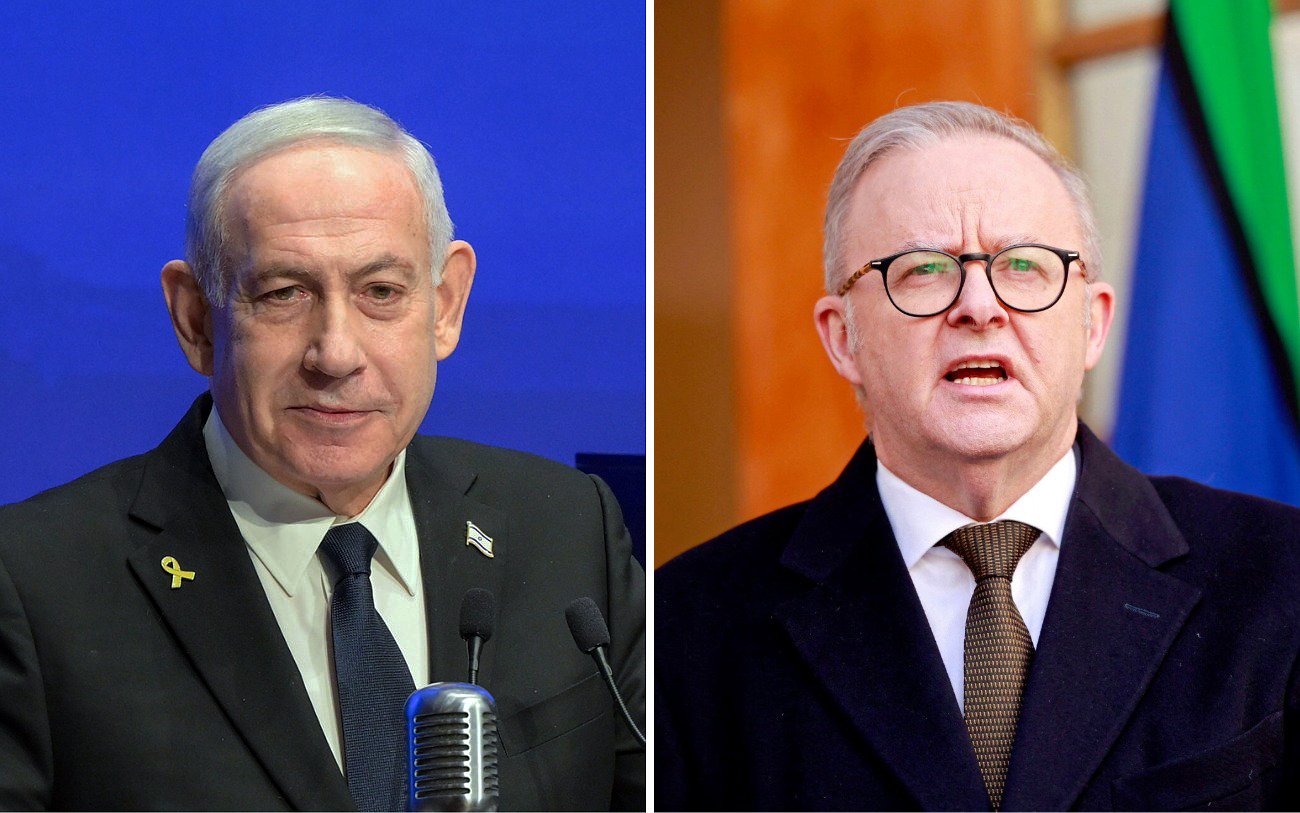
Australia lashed Prime Minister Benjamin Netanyahu on Wednesday after he said the country’s leader was weak, with a top minister saying strength was more than “how many people you can blow up.”
For decades, Australia has considered itself a close friend of Israel, but the relationship has swiftly unraveled since Canberra announced last week it would recognize a Palestinian state.
Netanyahu drastically escalated a war of words on Tuesday night when he took to his official account on X to unleash an unprecedented personal attack on his Australian counterpart, Anthony Albanese, whom he branded a “weak politician who betrayed Israel.”
Australian Home Affairs Minister Tony Burke said Wednesday that Netanyahu’s outburst was that of a frustrated leader “lashing out.”
“Strength is not measured by how many people you can blow up or how many children you can leave hungry,” Burke told national broadcaster ABC, referring to Israel’s war against Hamas in the Gaza Strip, where images of starving Gazans in sprawling tent camps have provoked widespread international outrage, including from Australia.
“What we’ve seen with some of the actions they are taking is a continued isolation of Israel from the world, and that is not in their interests either,” added Burke.
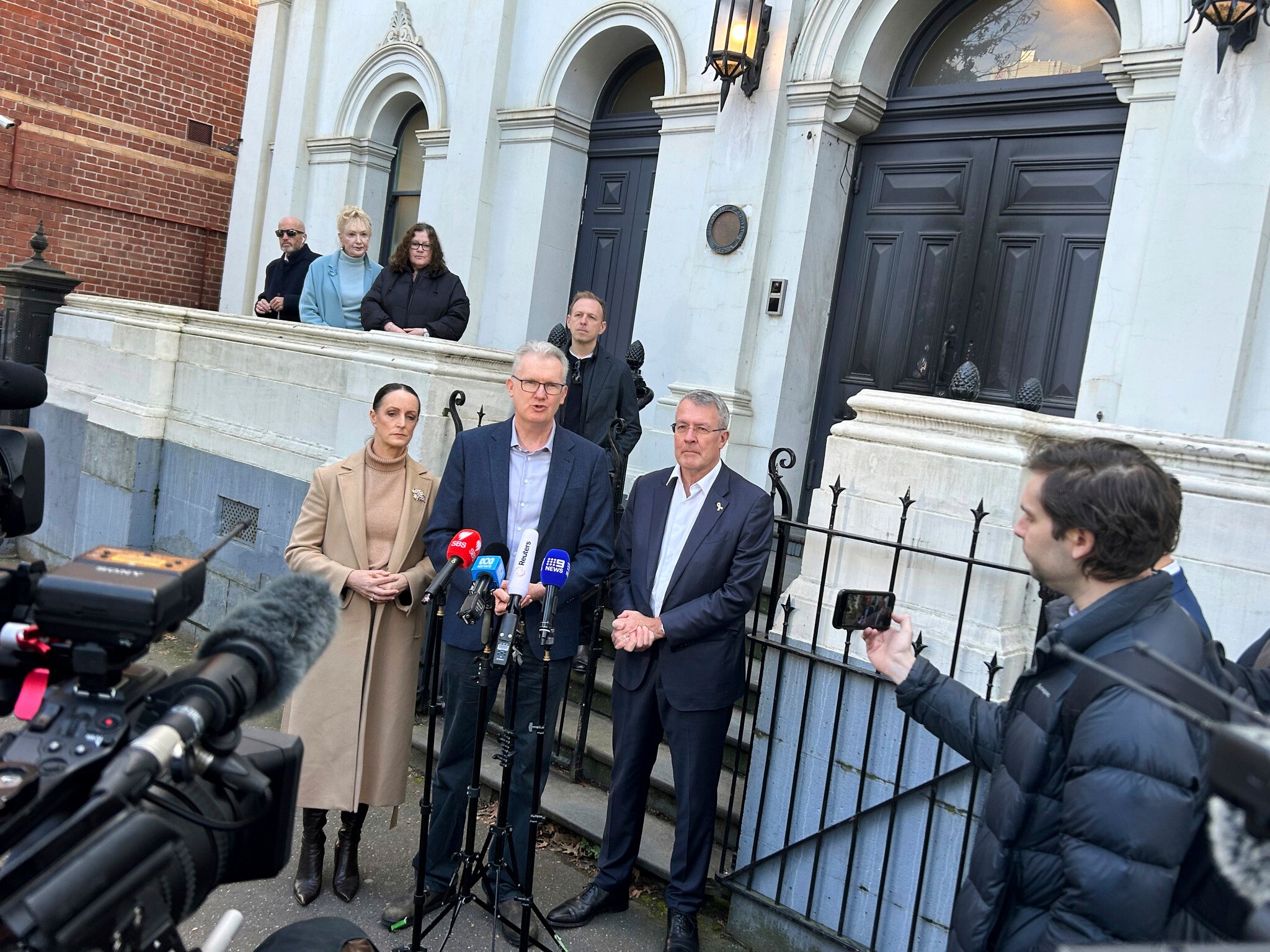
Meanwhile, Albanese told a media briefing on Wednesday that he doesn’t “take these things personally,” as Netanyahu “has had similar things to say about other leaders” in the past.
“I engage with people diplomatically,” the Australian premier added.
He told reporters that he had informed Netanyahu about Australia’s decision to recognize a Palestinian state before his center-left government formally announced the plan.
“At that time, I gave Prime Minister Netanyahu a clear indication of my view and Australia’s view going forward, but also a clear indication of the direction in which we were headed,” Albanese said.
“I gave him the opportunity to outline what political solution there was and gave him that opportunity.”
Burke also referred to Albanese’s decision to inform Netanyahu of the move ahead of time, saying, “Strength is much better measured by exactly what Prime Minister Anthony Albanese has done, which is when there’s a decision that we know Israel won’t like, he goes straight to Benjamin Netanyahu.”
Netanyahu’s comments on Tuesday night followed a recent string of tit-for-tat actions sparked by Australia’s decision to bar far-right Religious Zionism MK Simcha Rothman from visiting the country, saying his planned speaking tour would “spread division.”
Israel immediately retaliated, with Foreign Minister Gideon Sa’ar revoking the residency visas of Australia’s representatives to the Palestinian Authority.
Australian Foreign Minister Penny Wong criticized the move, calling it an “unjustified reaction” by Israel.
“At a time when dialogue and diplomacy are needed more than ever, the Netanyahu Government is isolating Israel and undermining international efforts towards peace and a two-state solution,” she said in a statement.
Netanyahu then took to social media to berate Albanese, whom he said “history would remember” as a leader who “abandoned Australia’s Jews.”
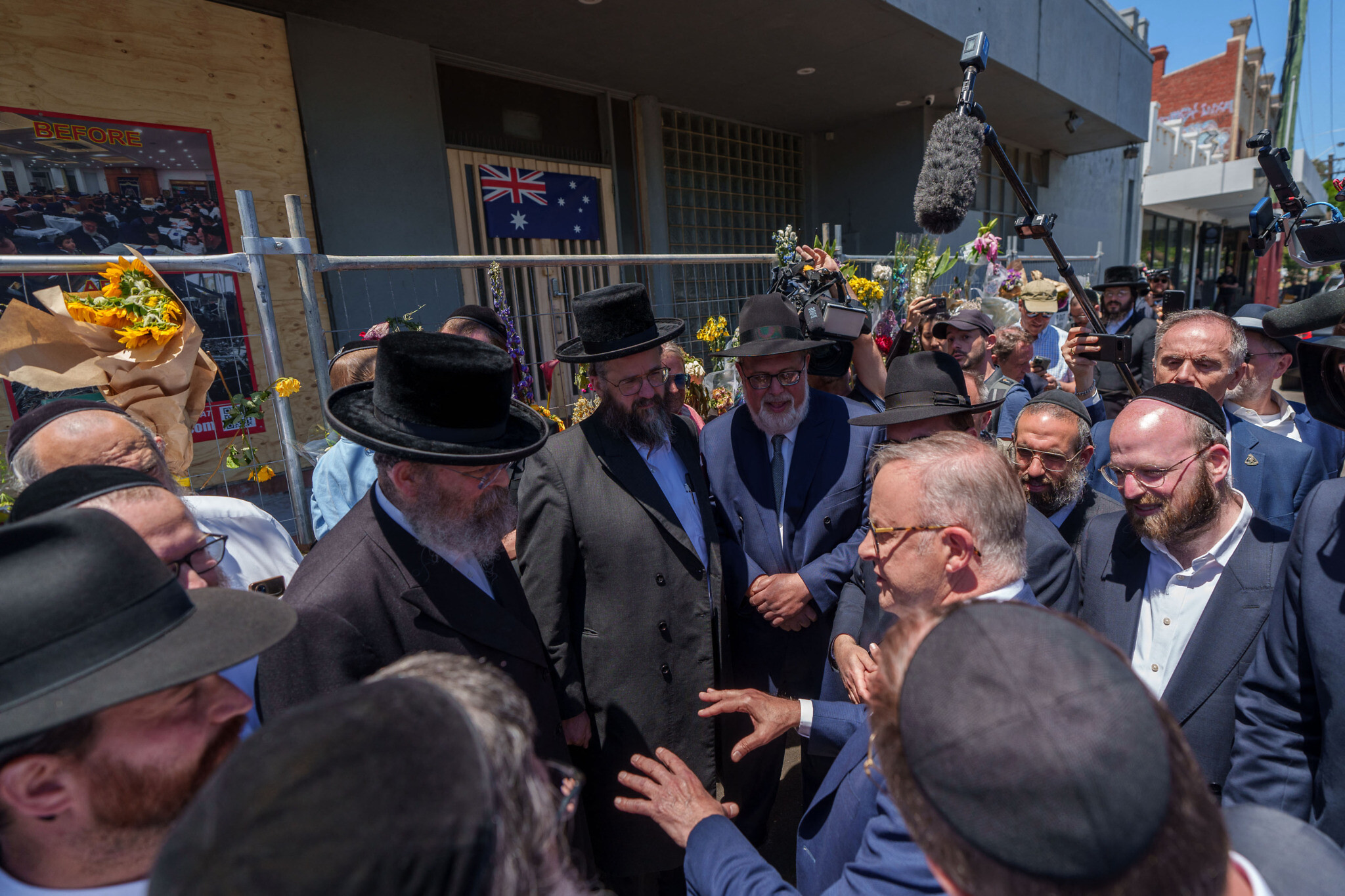
Relations between Australia and Israel started fraying late last year amid a growing spate of antisemitic attacks in Sydney and Melbourne, including incidents in which synagogues were torched and firebombed.
Many in Australia’s 120,000-strong Jewish community accuse Albanese and his government of failing to take steps to prevent the antisemitic attacks and violent rhetoric throughout the country.
Netanyahu accused the Australian government of harboring “anti-Israel sentiment” after a synagogue was firebombed in December.








The Times of Israel Community.