

Ban on Shabbat repair work at key bridge causes major Tel Aviv traffic snarls
Lapid says government ‘doesn’t care for the citizens,’ just politics, as Ayalon Highway renovation takes place on weekdays due to ultra-Orthodox parties’ opposition to Sabbath work
 Add ToI as a Preferred Source on Google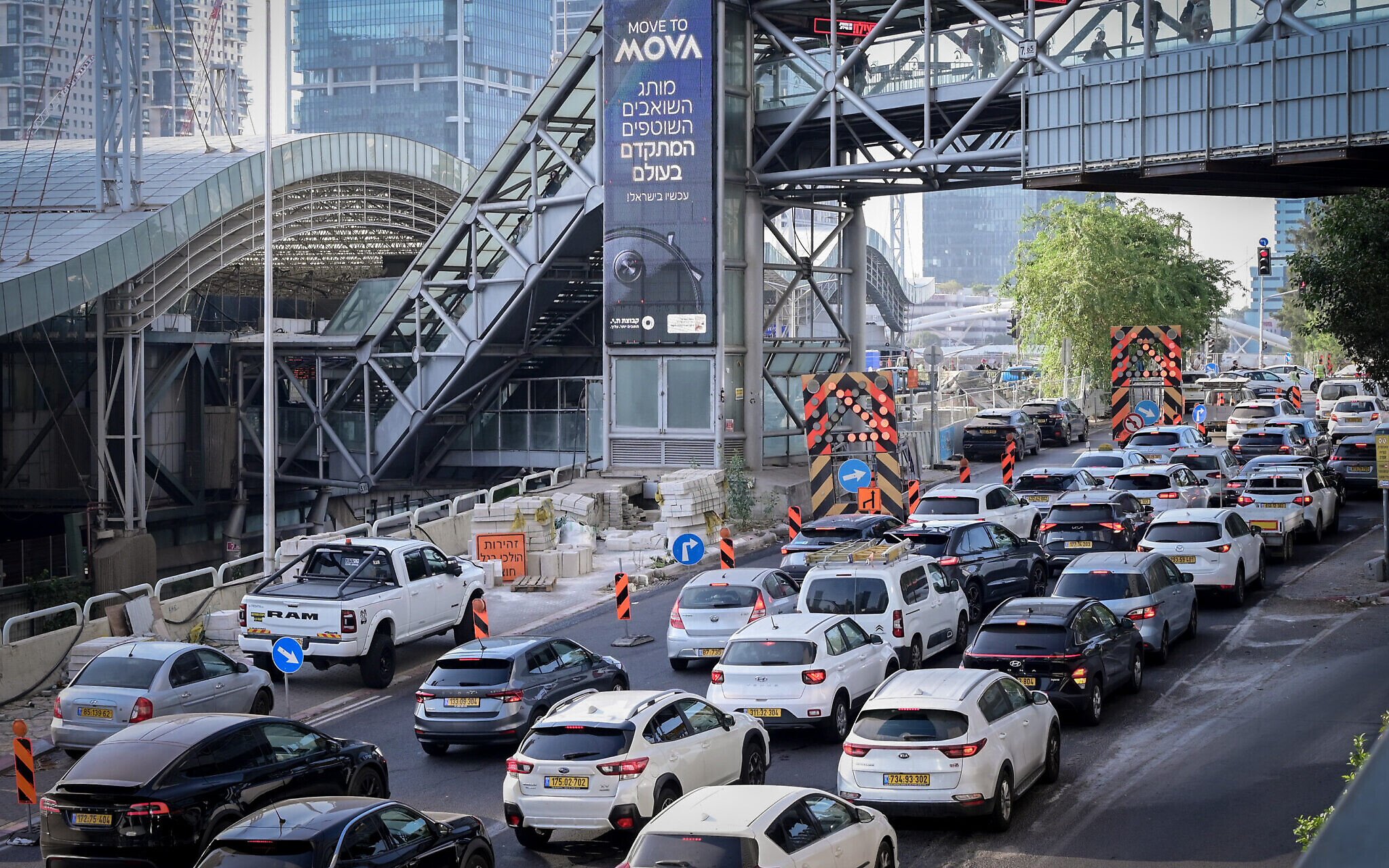
Israelis were stuck Sunday in massive traffic jams, with no relief in sight until Tuesday, due to infrastructure work near Tel Aviv, sparking accusations from the opposition that the government was kowtowing to ultra-Orthodox parties by refusing to carry out the works on Shabbat.
In the past, major infrastructure work was largely carried out on the Jewish Sabbath, when traffic is much lighter. However, in recent years the practice has come under fire from ultra-Orthodox parties arguing that under a status-quo agreement, only works that are a matter of life and death can take place on the holy day.
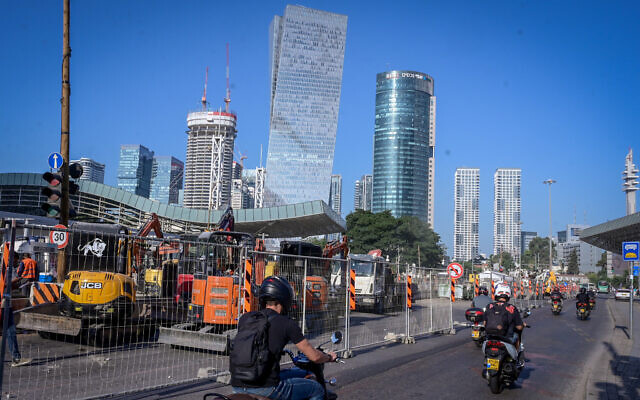
The renovation, carried out by the Transportation Ministry and Tel Aviv municipality, is taking place at HaShalom Bridge, which connects Tel Aviv and Givatayim over the Ayalon Highway, central Israel’s main traffic artery.
The Transportation Ministry said the renovation, which started at midnight between Saturday and Sunday, will continue until 6 p.m. on Tuesday, while the Tel Aviv municipality said it would continue until 4 p.m. on Tuesday. The reason for the discrepancy was unclear.
The section of the highway that passes under the bridge now has only one lane open in each direction, the ministry and municipality said.
They added that drivers coming from Tel Aviv, due east, will be unable to access the Aylon’s northbound lane from HaShalom Bridge, while drivers coming from Givatayim, due west, will be unable to access the southbound lane from the bridge.
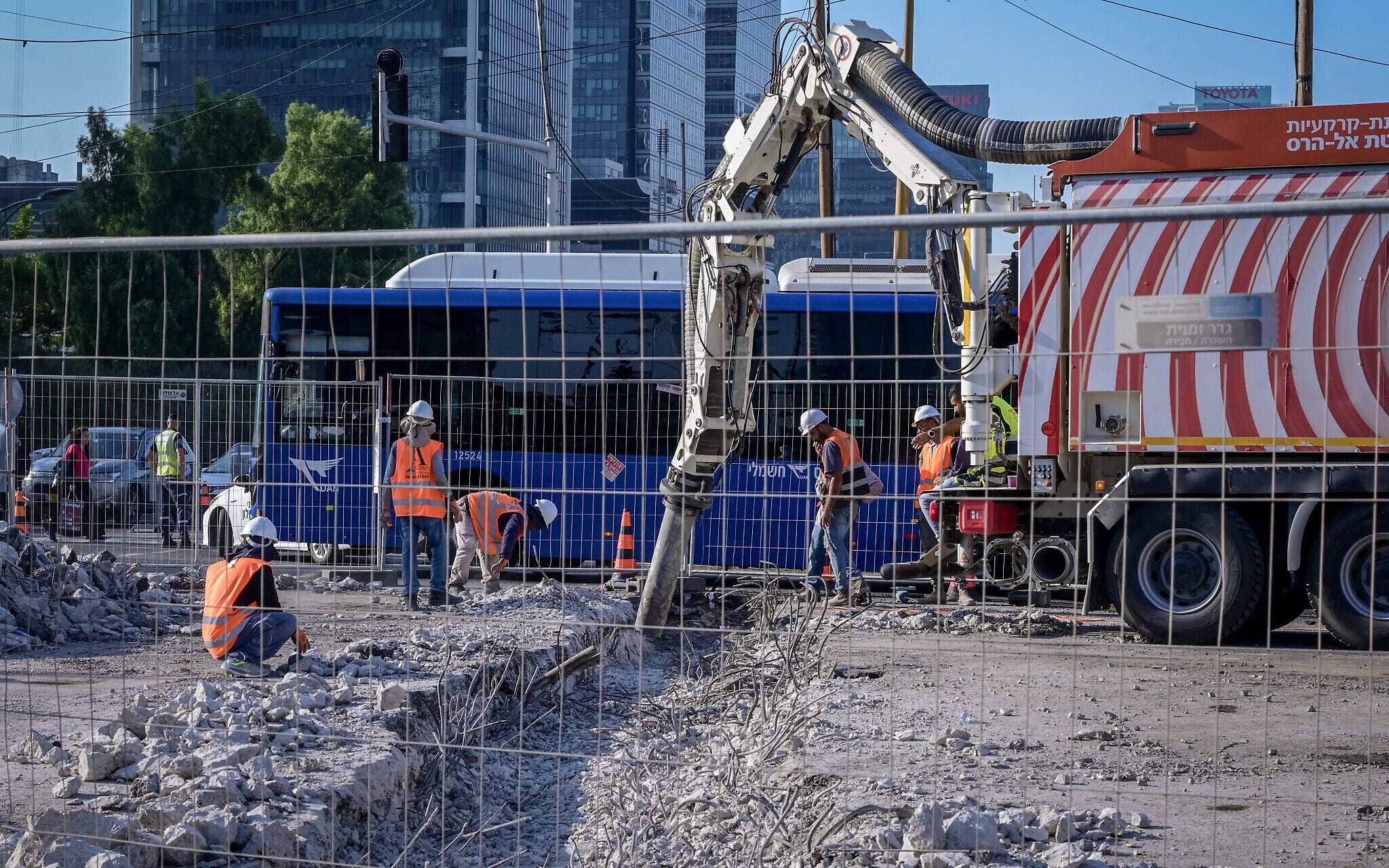
In addition, they said, drivers will be unable to turn left toward Givatayim from the Ayalon’s southbound route, and will have only one lane to turn left toward Tel Aviv from the northbound route.
The municipality also noted that works were being carried out on the light rail track on Al Parashat Derachim Road, which also connects Tel Aviv and Givatayim about 1.3 kilometers (1 mile) north of HaShalom Bridge. As a result, southbound drivers will be unable to turn left onto Al Parashat Derachim from the major Namir Road, which runs parallel to the Ayalon Highway in the section leading up to HaShalom Bridge.
Israelis are advised to use navigation apps and opt for public transportation, the ministry and municipality said.
Drivers on the Waze app reported standstill traffic up and down the Ayalon highway. Further traffic was also reported on Tel Aviv city streets adjacent to HaShalom Bridge.
Opposition Leader Yair Lapid accused the government of refusing to carry out the renovation over the weekend, when there are fewer drivers on the road, for political reasons.

Ultra-Orthodox parties have in recent years demanded that infrastructure work take place midweek rather than on the Jewish Sabbath.
“Anyone whose stuck in the massive, insane traffic jams… just to be clear: these works could have been done on Shabbat and the traffic jams could have been avoided,” wrote Lapid on X. “That’s how it was for years, including in governments of Likud and Haredi [parties]. In this government, nobody cares about the citizens; [its] main concern is politics.”
Ehud Uziel, a transportation policy expert who served as an adviser to former transportation minister Merav Michaeli, was quoted in the Ynet news site saying: “Under Minister Michaeli there were works on Shabbat all the time, they were even doubled on the train,” facilitating the timely completion of major infrastructure projects.
Now, said Uziel, “there are no professionals in the Transportation Ministry… there are no works on Shabbat and all the projects are delayed,” referring to accusations that Transportation Minister Miri Regev has filled key spots with political cronies.
Uziel said it was crucial in infrastructure work to have consecutive working hours, which was why working over an entire weekend was much more effective than a week’s worth of nighttime work.
“It’s all a matter of irrelevant political pressure,” he said. “If this policy continues, instead of paying NIS 40 billion ($11.9 billion) in traffic damages we’ll pay NIS 50 or 60 billion ($14.9 or 17.9 billion).”
The Transportation Ministry said that “like all ministries, the Transportation Ministry works according to law and Israel’s status quo” on religious affairs.
“Necessary and life-saving works are performed even on Shabbat. To the extent it’s not a life-and-death situation, the works take place around the clock, day and night, midweek,” the ministry said, accusing the media of publishing false news out of “a motive of division, schism and inciting sectors of the population against each other.”








The Times of Israel Community.