

Bank of Israel says virus yet to damage economy, but ready to step in
Day after US Fed slashes rates, central bank says it ‘will use variety of tools’ to boost markets if coronavirus crisis persists
 Add ToI as a Preferred Source on Google
Luke Tress is The Times of Israel's New York correspondent.
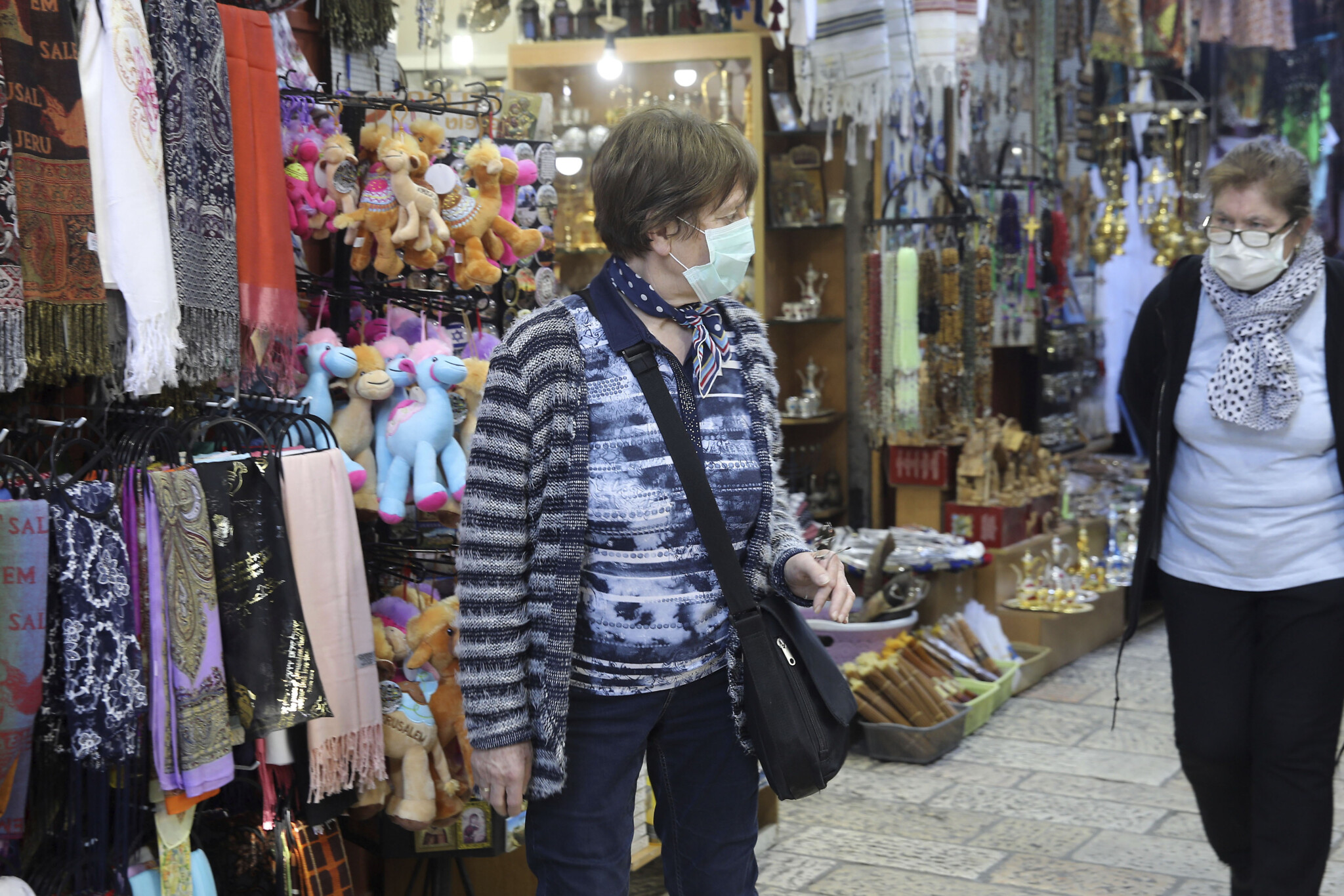
The Bank of Israel said Wednesday that the novel coronavirus scare has not had a significant impact on the Israeli economy, but if the damage becomes severe the bank is prepared to take measures to contain the economic fallout.
The announcement came a day after the US Federal Reserve slashed interest rates in a dramatic move meant to buoy markets after a historic decline in US equities.
The bank did not give any indication that Israel was planning on following the US for now.
Israel’s current interest rate stands at 0.25 percent. The bank is scheduled to make the next rate announcement on July 1, but could cut rates before then.
“Despite the specific impacts experienced by firms in a variety of industries, there is no evidence of a significant macroeconomic impact on the Israeli economy,” the bank said in a statement. “If the crisis persists, and particularly if the preventive measures in Israel become more serious and persistent, there is expected to be a significant economic impact.”
“If the economic or financial conditions worsen significantly, the Committee will use the variety of tools at its disposal whenever necessary,” the bank said.
The Bank of Israel last changed its lending rate in November 2018, but has been known to follow the Fed’s lead.
On Wednesday, the bank’s Monetary Commission held a discussion on the virus headed by the bank’s governor, Amir Yaron, to examine the global impact of the virus, and measures taken by other countries’ central banks.
The bank said that if the virus is contained in the coming months, it believes the global economy will recover quickly.

The Israeli economy remains resilient due to its low debt-to-GDP rate, low unemployment rate and strong financial system, the bank said.
The bank will continue to monitor virus developments and is in close contact with other government officials, especially the Finance Ministry.
Israel is taking far-reaching measures to curb the spread of coronavirus, forcing thousands of Israelis into self-quarantine, barring foreigners from countries hit hard by the virus, banning large gatherings, and advising against personal contact and travel abroad.
The Health Ministry has faced criticism for its extreme measures, with some saying it is unnecessarily panicking people and causing economic and diplomatic damage to the country. Ministry officials have said they prefer to take a strict line than be sorry later.
Israeli airlines have been particularly hard hit by the outbreak. El Al, Israel’s leading carrier, has axed incoming employees, slashed executive salaries and halted flights to countries in Europe and Asia.
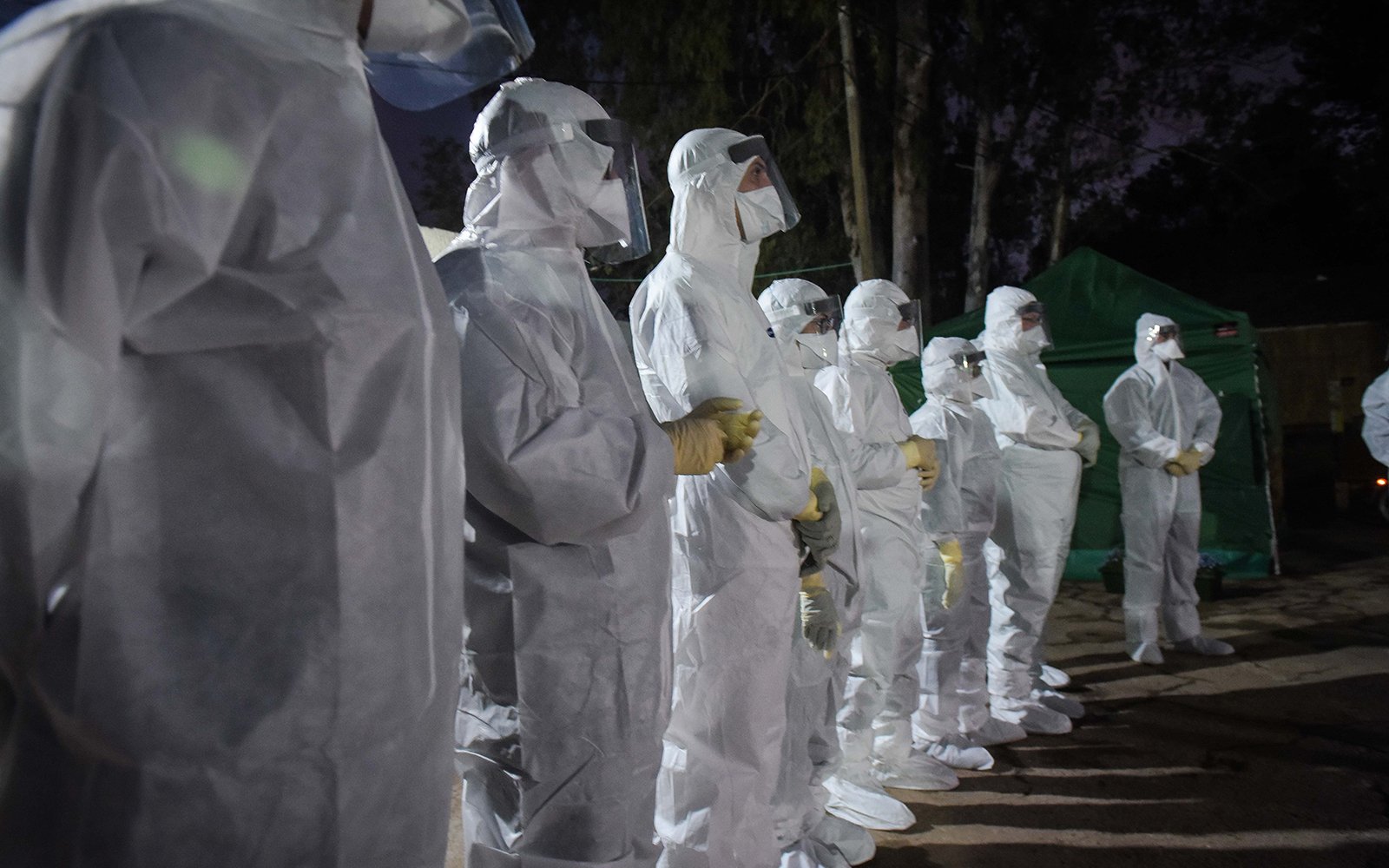
The company told investors last week it expects to see losses of $50-70 million in revenue between January and April. Prime Minister Benjamin Netanyahu vowed to support the airline as its union and management pleaded for government assistance.
The US Federal Reserve on Tuesday cut interest rates by half a percentage point in the biggest single cut since the 2008 financial crisis. The new benchmark interest rate is a range of between 1% and 1.25%. The move did little to sway US stock markets, which have fallen steeply in recent weeks, with the S&P 500 down over 7% in the past month.
The Tel Aviv Stock Exchange has also dropped, with the TA-35 index down 8% in the past month.
Also on Tuesday, the so-called G-7 group of major economies pledged to jointly use “all appropriate tools” to address the virus’s economic fallout, but did not announce any specific actions.
The novel coronavirus emerged in China late last year. It has infected over 93,000 worldwide and killed over 3,200, with the vast majority of infections and deaths in mainland China.
Israel has had 15 confirmed infections and no deaths.










The Times of Israel Community.