

Cabinet votes to shutter Army Radio, overriding legal and press freedom concerns
Following unanimous vote, defense minister orders IDF to wind down station operations by March 2026, amid condemnation from AG, opposition, journalists and liberal watchdog group
 Add ToI as a Preferred Source on Google
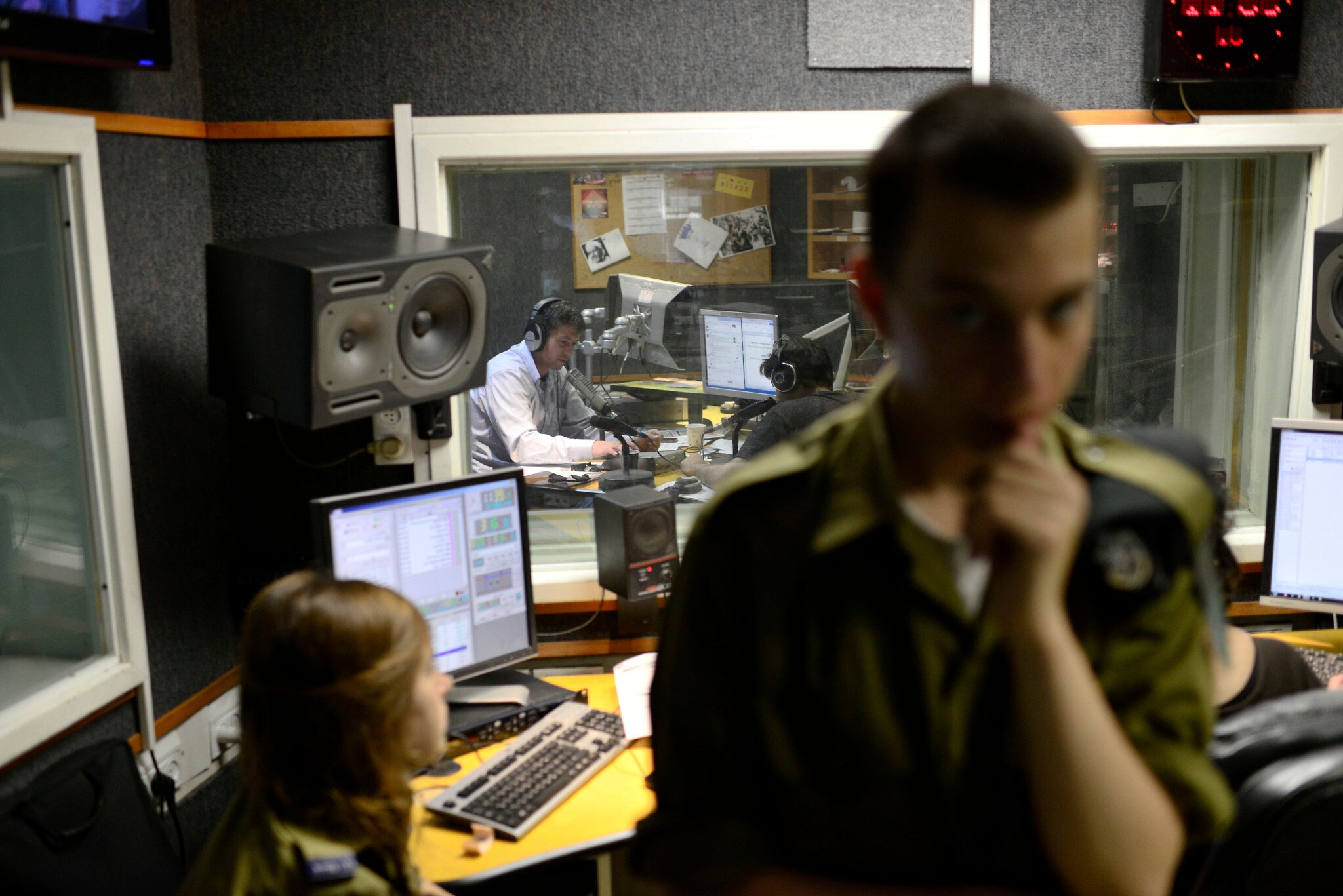
The cabinet on Monday unanimously approved Defense Minister Israel Katz’s proposal to shut down the IDF-run Army Radio station, with broadcasts set to end by March 1, 2026, according to the minister’s office.
Speaking at the cabinet meeting, Prime Minister Benjamin Netanyahu said the existence of a military-run broadcaster was highly unusual, remarking that “a military station broadcasting under the authority of the army… exists in North Korea and maybe a few other countries, and we certainly do not want to be counted among them.”
Netanyahu said he had been open for years to proposals to abolish or privatize the station, adding, “I believe in competition. So the time has come, and better sooner rather than later.”
Katz said the move was intended to correct a democratic “anomaly.”
“A situation in which a radio station intended for all citizens of the State of Israel is operated by the military is an anomaly that does not exist in democratic countries,” he told ministers. He argued that Army Radio’s political and current affairs programming “creates a fundamental difficulty for the IDF, stemming from the IDF’s involuntary involvement in political discourse,” and said the station’s content “harms the Israel Defense Forces, its soldiers and its unity.”
Katz asserted that “after October 7, these difficulties became even more acute.”

Following the cabinet vote, Katz ordered the IDF to immediately begin winding down the station’s operations. According to his office, he also instructed IDF Chief of Staff Lt. Gen. Eyal Zamir to halt all selection and recruitment processes for Army Radio and to stop assigning soldiers to the unit, both in mandatory service and the reserves.
Preparations were also ordered to begin for ending the service of soldiers currently stationed at the broadcaster and gradually reassigning them to other IDF units, with priority given to combat and combat-support roles.
Katz further directed Defense Ministry Director General Amir Baram to assist civilian IDF employees working at the station and to terminate their employment under arrangements that are “as appropriate as possible” and in accordance with the law. In parallel, he ordered the cancellation of all of the station’s contracts, including agreements with civilian journalists, as well as steps to end the station’s use of its facilities.
Katz said all measures are to be completed by February 15 to finalize the closure of Army Radio and end its broadcasts by March 1, in line with the cabinet decision.
Legal objections and criticism
Hours before the decision was passed, Attorney General Gali Baharav-Miara said the cabinet resolution suffered from multiple substantive flaws, including a failure to consider the impact on press freedom, and was therefore unlawful and should not have been approved.
She said the advisory committee on whose recommendations the decision was based consisted of individuals with clear political affiliations to the Likud party and lacked sufficient professional expertise.
Baharav-Miara added that the committee relied on “non-pertinent” considerations, including the “political diversity” of Army Radio’s content, and failed to properly consider “the possible injury to freedom of expression as a result of closing the station.”
She also determined that Army Radio could only be shuttered through legislation, citing previous legal determinations that executive action would only be permissible if public broadcasting in Israel were “operative and stable.”
Citing Communications Minister Shlomo Karhi’s push for legislation to give the government control over public broadcaster Kan’s budget and sell off its news division, Baharav-Miara said public broadcasting cannot be considered “operative and stable,” but is instead “weakened, threatened, and institutionally silenced, and its future shrouded in mist.”
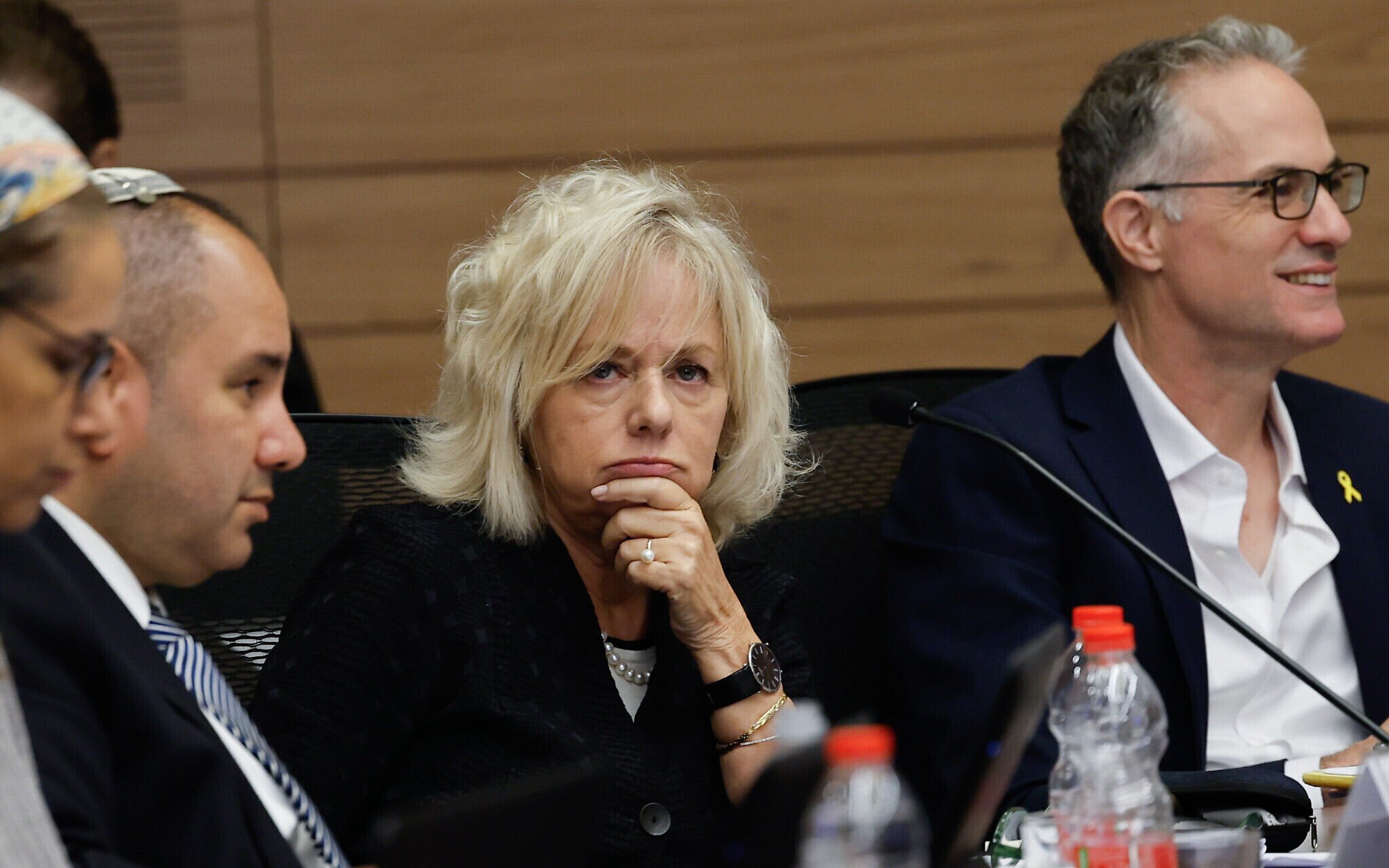
Opposition Leader Yair Lapid also criticized the move ahead of the vote, saying shuttering Army Radio was “part of the government’s move to abolish freedom of expression in Israel in an election year.”
“They are unable to control reality, so they are trying to control consciousness. First Reshet Bet and Channel 11, now Army Radio; soon Channels 12 and 13 as well,” Lapid said, referencing coalition-backed legislation to give the government significant control over broadcast media and shutter Kan.
The Movement for Quality Government in Israel filed a petition to the High Court of Justice against the government’s resolution, shortly after the vote passed.
The liberal government watchdog group argued that the decision was made based on “ulterior motives” and on an erroneous factual basis, and in a manner likely to harm freedom of expression and the press, and therefore the public interest more broadly.
The petition included a request for an interim order freezing the implementation of the cabinet resolution until the High Court rules on the issue.
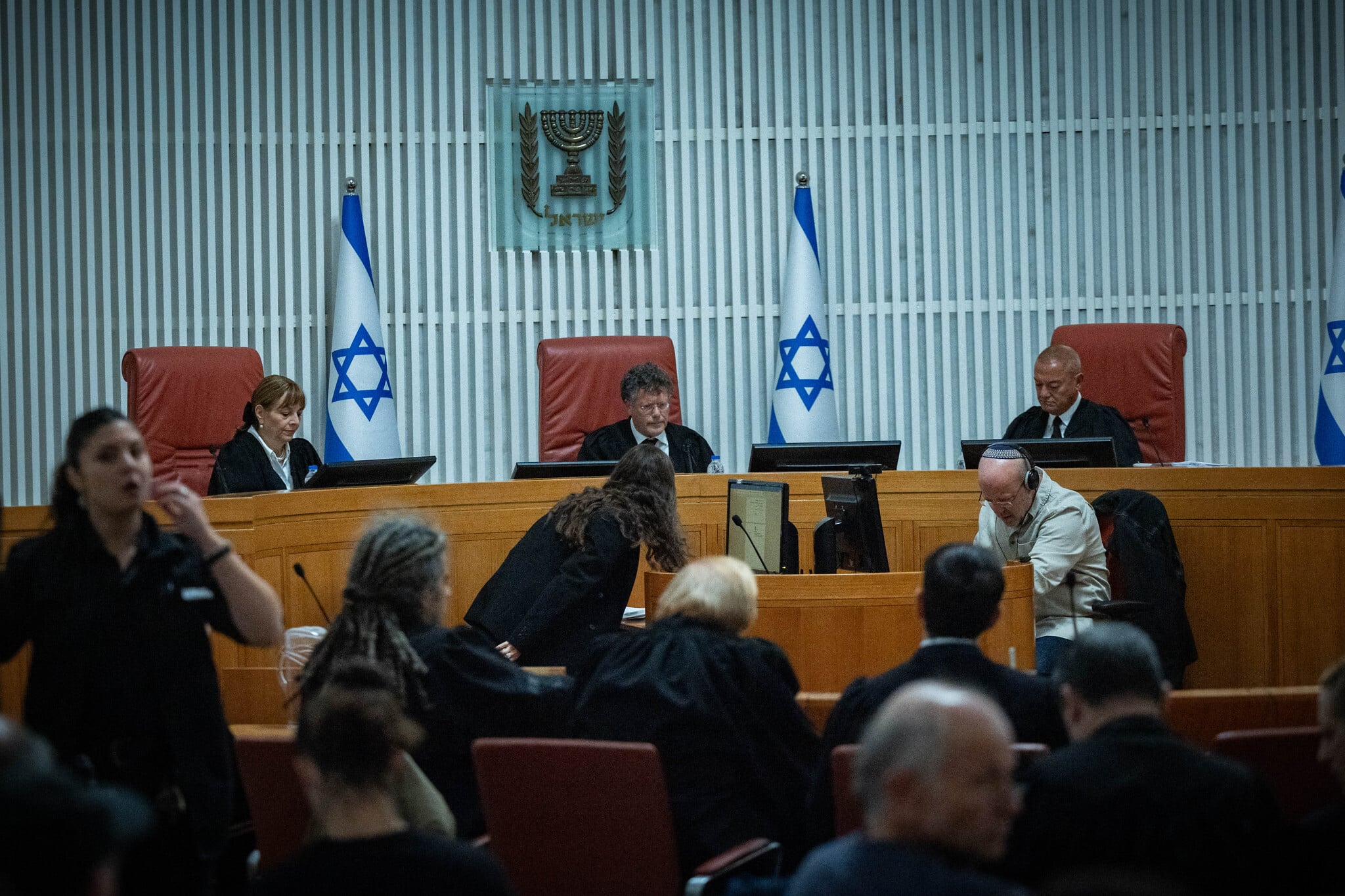
The Union of Journalists in Israel also said it would petition the High Court against the government’s decision, arguing the move constituted a severe violation of freedom of expression and freedom of the press.
In a statement following the cabinet vote, the union said the decision was “unreasonable and disproportionate” and undermined democracy and the rule of law.
According to the union, Army Radio’s news programming is “an integral part of public broadcasting,” as established under the Public Broadcasting Law and Supreme Court rulings, and therefore cannot be terminated by a government decision alone.
Inside the decision to close Army Radio
Katz announced the pending closure of Army Radio in November, saying the decision followed repeated complaints from soldiers and civilians, including bereaved families, who argued that the station does not represent them and, at times, has harmed morale and the war effort.

According to a draft government decision written by Katz and published last week, Army Radio’s extensive political and news coverage inevitably draws the IDF into contentious public and political disputes, undermining its political neutrality and internal cohesion, and creating an inherent conflict in which a military unit reports on and criticizes the military itself.
The document said the defense minister would establish an implementation team within the Defense Ministry to oversee the shutdown, including handling contracts, assets and archives, as well as arranging the orderly termination of employment for civilian IDF workers and other staff.
The proposal noted that while the station is formally part of the IDF, past legal opinions granted it broad editorial independence in professional journalistic matters, limiting the army’s ability to exercise meaningful oversight and further deepening the structural tension between military hierarchy and journalistic autonomy.
The document also pointed out that Army Radio was established by a 1950 cabinet decision for a one-year trial period, was never anchored in primary legislation, and only began broadcasting news decades later. It said that successive defense ministers, chiefs of staff and advisory committees have questioned the station’s continued operation within the military framework.

Beyond institutional concerns, the proposal cited criticism that Army Radio enjoys an unfair advantage in the media market by combining public funding with advertising and sponsorship revenue, as well as benefiting from access to nationwide radio frequencies and IDF manpower.
By contrast, the draft distinguished the music-focused sister station Galgalatz, noting that it does not broadcast news or current affairs — beyond updates — and therefore does not pose the same problems. Under the proposal, the defense minister would decide whether and how Galgalatz would continue to operate.










The Times of Israel Community.