

Coalition secures extra $82.6m for ultra-Orthodox education; opposition alleges ‘theft’
Finance Committee later gives Settlements Ministry nearly $100m in funding and commitment authoritizations, after heated debate during Knesset recess
 Add ToI as a Preferred Source on Google
Sam Sokol is a former political correspondent at The Times of Israel. He was previously a reporter for the Jerusalem Post, Jewish Telegraphic Agency and Haaretz. He is the author of "Putin’s Hybrid War and the Jews"
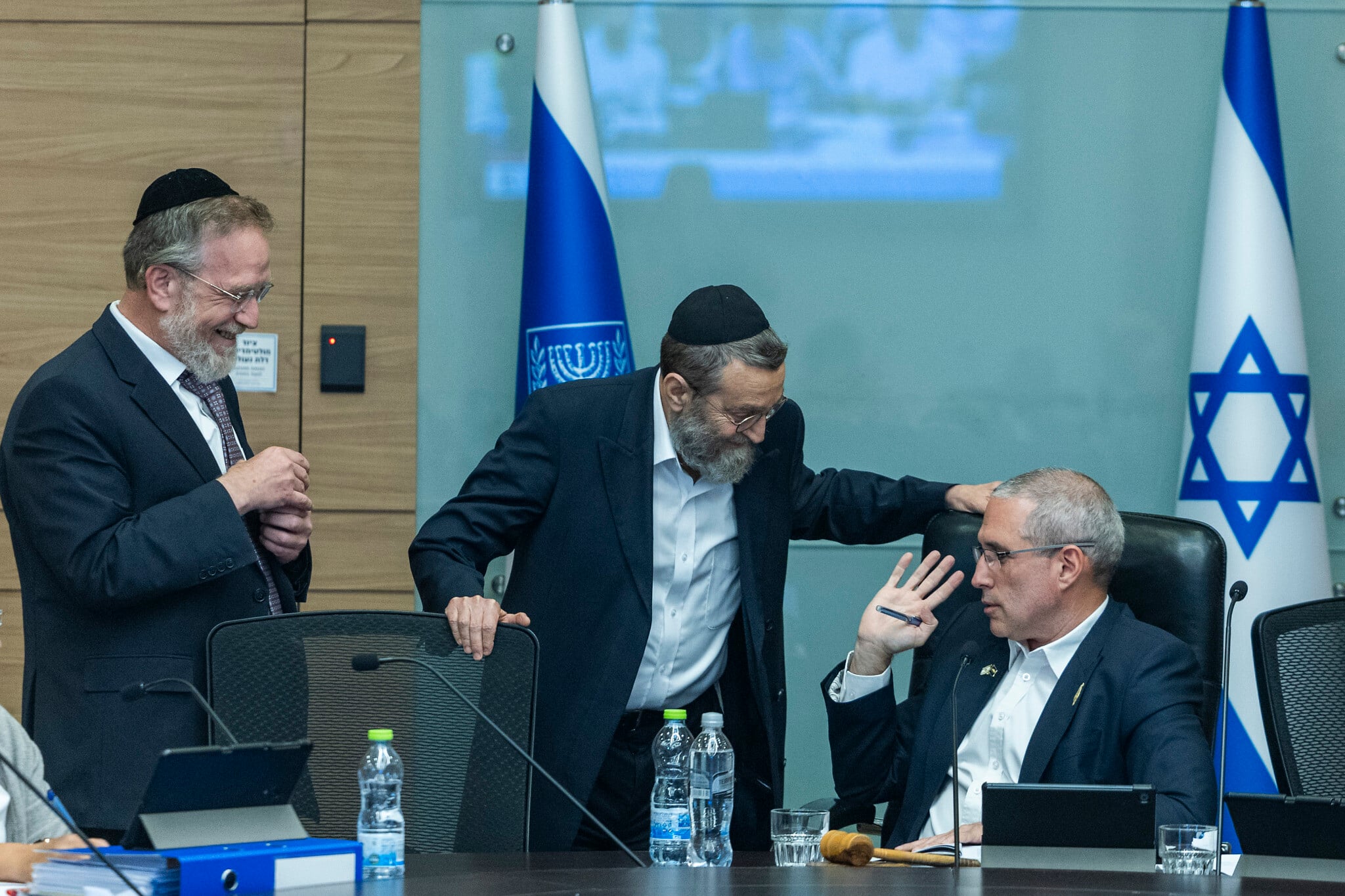
Following hours of acrimonious debate, the Knesset Finance Committee voted on Tuesday to approve the allocation of over a quarter billion shekels ($82.6 million) in coalition funds to the ultra-Orthodox education system despite a legislative recess that started last month.
The move drew immediate rebuke from the opposition, with Democrats MK Naama Lazimi telling the committee that the funding was simply “theft from the serving public,” a reference to those who serve in the military and pay taxes.
Hours later, the lawmakers on the committee voted to give the Settlements Ministry NIS 157 million ($52 million) in direct funding as well as NIS 142 million ($47 million) in commitment authorizations, according to a statement released by the committee.
Left-wing activists at the committee meeting interrupted the session to assert that the coalition was funding “Jewish terrorism” in the West Bank, in reference to spiraling violence against Palestinians by settler extremists. As the protesters were removed by ushers, committee chair Hanoch Milwidsky said they were disgusting, and “worse than (Hamas) Nukhba terrorists.”
מילביצקי השתלח בפעילים שמחו נגד העברת כספים למשרד ההתיישבות: "ערב רב, יותר גרועים מהנוח'בות" | תיעוד@SadeYuval pic.twitter.com/JZ1KDy2VAz
— החדשות – N12 (@N12News) August 4, 2026
The committee also approved roughly NIS 330 million ($109 million) in grants for communities along the Lebanon border, and NIS 78 million ($26 million) to the Religious Services Ministry for increased staff, rabbinical court budget increases and other needs, as part of an approximately NIS 1 billion ($332 million) change to the 2026 state budget.
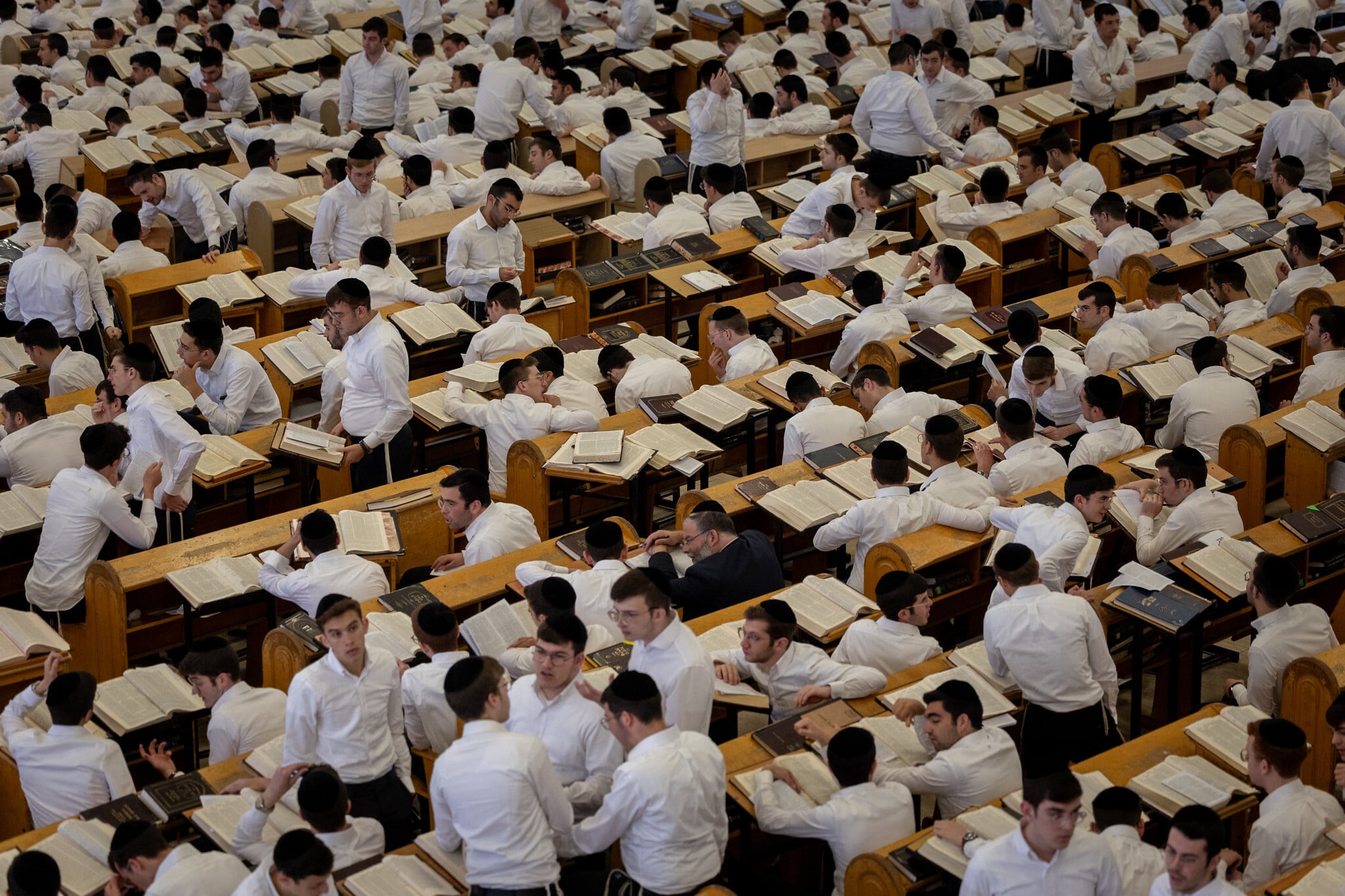
The more than NIS 267 million ($88 million) approved for Haredi education included over NIS 12.5 million ($4 million) for Haredi culture, as well as millions for transportation for students of Haredi party-affiliated school networks, teacher training and “coordination and liaison bodies” — an apparent reference to the Vaad HaYeshivot (Yeshiva Committee), a body that has encouraged draft evasion.
The funds also included some NIS 26 million ($8.5 million) for preventing Haredim from dropping out of yeshivas, despite a 2025 announcement that the government would no longer finance the education of ultra-Orthodox youths who are studying at so-called “drop-out yeshivas” and refuse to enlist in the IDF for their mandatory service.
Drop-out yeshivas are institutions designed to keep Haredi men who are not interested in full-time religious study within an ultra-Orthodox framework, to prevent them from leaving the community.
The committee also authorized funding for yeshivas that encourage military service as well as Haredi hesder yeshivas, which combine military service with Torah study and are largely affiliated with the national religious community.
Calling the vote a “significant achievement,” Degel HaTorah chairman Moshe Gafni stated that “even in these complex times, when the world of Torah and education is facing difficult challenges, it is our duty to continue to care for Israel’s children and the Haredi education system. The budgets approved today are important news… and will help correct distortions and close gaps that have persisted for years.”
The funding was approved despite the fact that only a small fraction of ultra-Orthodox boys’ elementary schools teach core curriculum subjects as required by law.
Opposition lawmakers on the Finance Committee had temporarily managed to block the massive funding allocations for Haredi education, as well as for the Settlements Ministry, with a filibuster in a marathon session last Wednesday that extended past the 10 hours allowed for parliamentary meetings during a recess.
The Knesset House Committee had designated the Wednesday session ahead of time as the last one of the recess period in which items could be put on the Finance Committee agenda without prior agreement between the opposition and coalition.
But on Sunday, after unspecified “heavy pressure” from the coalition, Knesset legal adviser Sagit Afik said the Finance Committee could reconvene to vote on the timed-out amendments.
The Finance Committee has previously sought to divert funds to Haredi institutions despite legal and procedural objections. In March, it approved nearly NIS 100 million ($32.75 million) for Haredi educational institutions as part of a broader NIS 1 billion ($331 million) transfer that had been frozen by the High Court of Justice in December, after opposition lawmakers argued that the government was funding schools that do not teach the core curriculum required by law.
Haredi parties demanded massive cash infusions following a landmark June 2024 High Court ruling that found the decades-long Haredi exemption from military service lacked legal basis. The ruling led to the abrogation of certain Haredi social benefits.
Several pieces of legislation aimed at enshrining the ultra-Orthodox military exemptions were pushed through in the final days of the Knesset, but they have since been frozen by the Supreme Court.
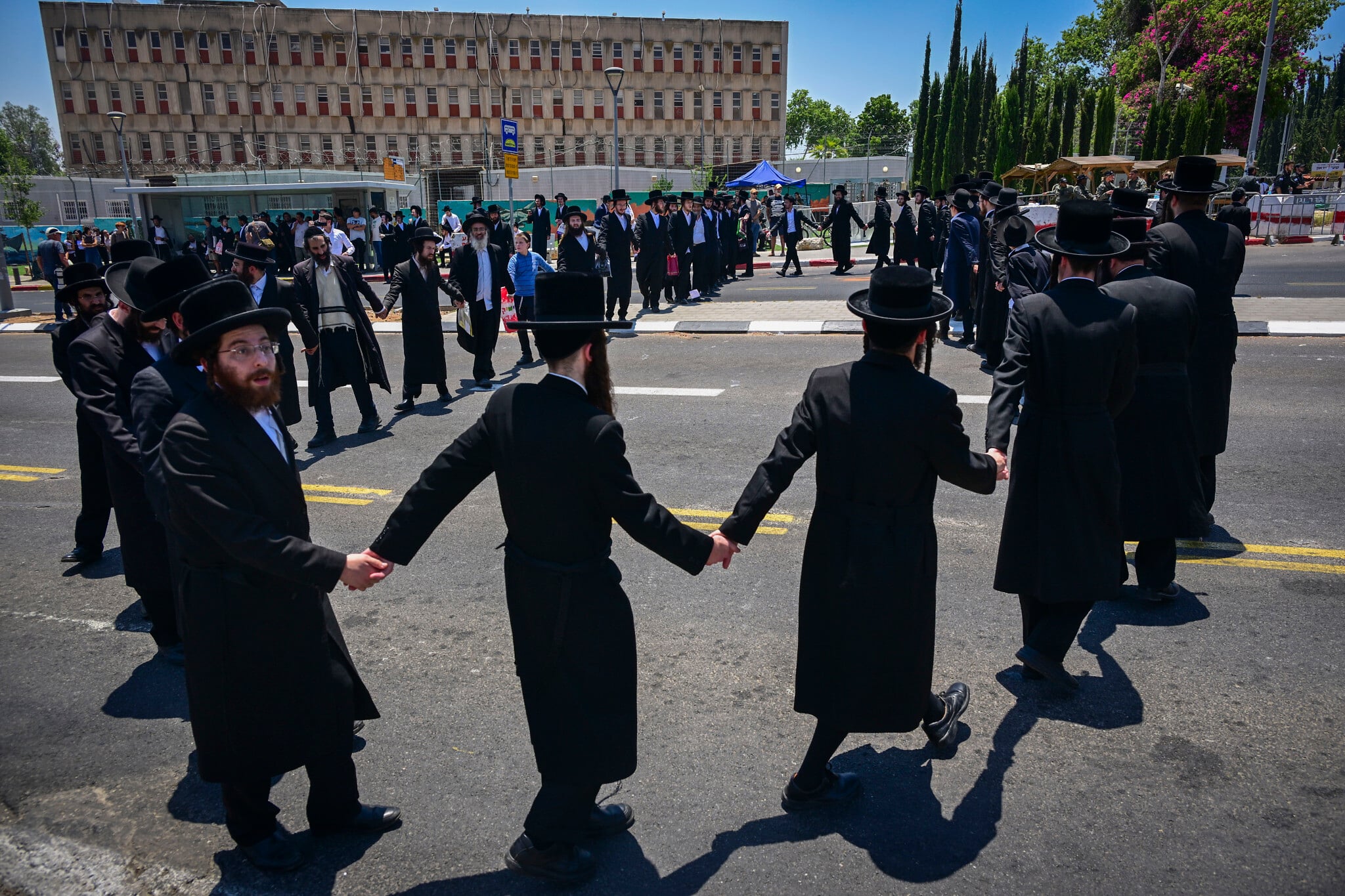
Tens of thousands of ultra-Orthodox men aged 18 to 24 are currently eligible for military service but have ignored conscription orders, despite manpower shortages in the army and widespread anger among the general population over an unequal sharing of the burden of defending the country.







The Times of Israel Community.