

Compensation to farmers for extreme weather-related damage up 13% in 2023
Set to pay out over $100 million for damage to crops and livestock, insurance company says climate change events are becoming more frequent, more powerful
 Add ToI as a Preferred Source on Google
Sue Surkes is The Times of Israel's environment reporter
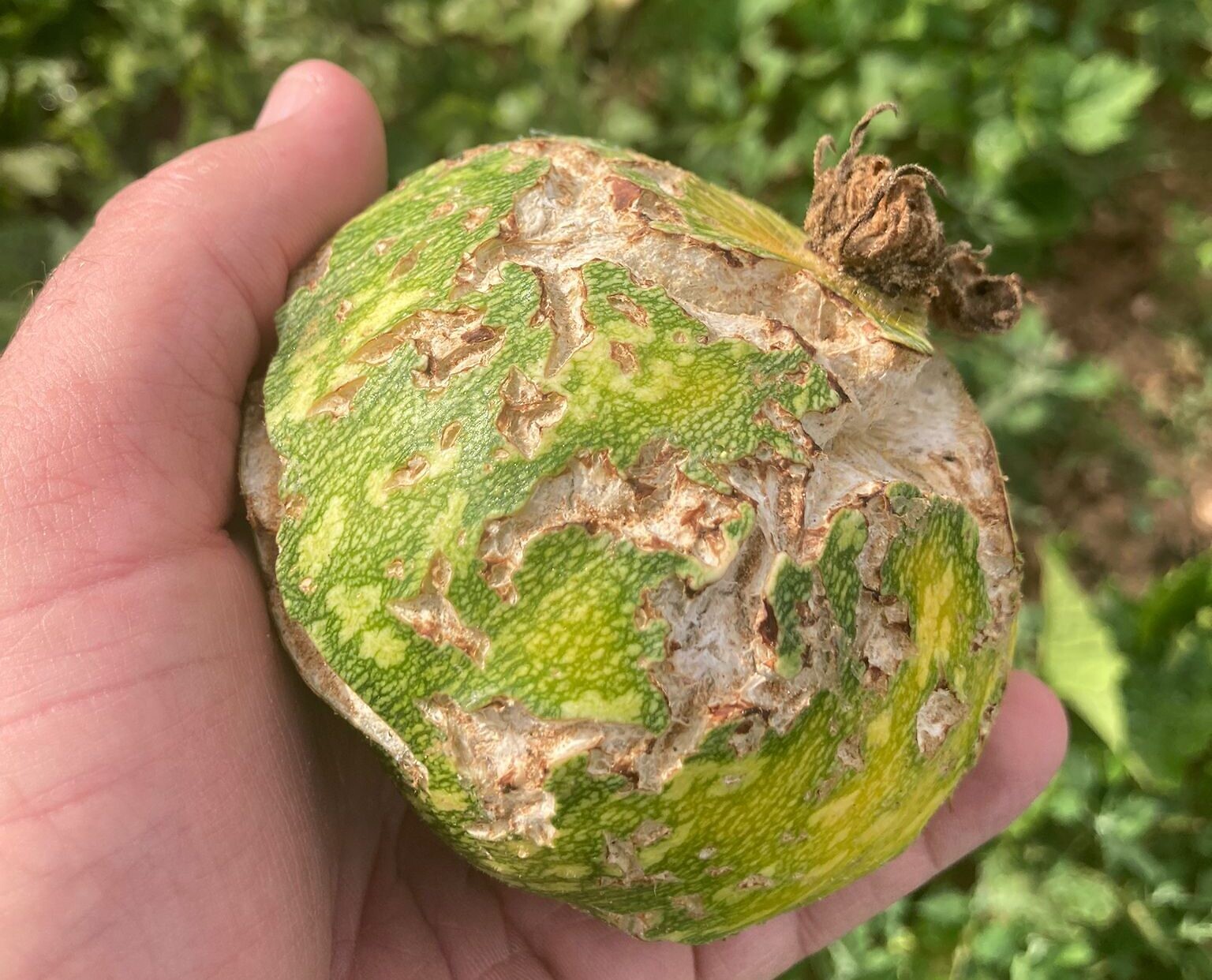
Compensation to farmers last year for damage caused by extreme weather events was 13 percent higher than the year before, according to a 2023 summary released by Kanat, the company that insures the agricultural sector for nature-related losses.
Farmers will be eligible for some NIS 390 million ($105 million), the company said. Over the past 15 years, only 2015 was worse, with claims of around NIS 521 million (S140 million).
Worldwide, 2023 was the hottest year on record, the EU climate monitoring service said Tuesday.
Kanat’s report noted that increasing weather-related damage to crops was a global phenomenon, but that it was seen particularly starkly in Israel, where global warming is double the world average.
Last year, Kanat received more than 12,200 reports of weather-related crop damage, compared to around 11,000 in 2022.
These followed extreme heat, hail storms and heavy rain, and the development of weather-related diseases.
“During the past year, several extreme events occurred that caused, in a short period, great damage to crops,” the report said.
“The company notes that as a result of global warming, this is a phenomenon that is worsening over the years, during which climatic events that were previously considered extreme become more frequent and powerful.”
Most damage was suffered by growers of fruit, particularly nectarines, apples and peaches. They will get compensation of around NIS 130 million ($35 million), Kanat said.
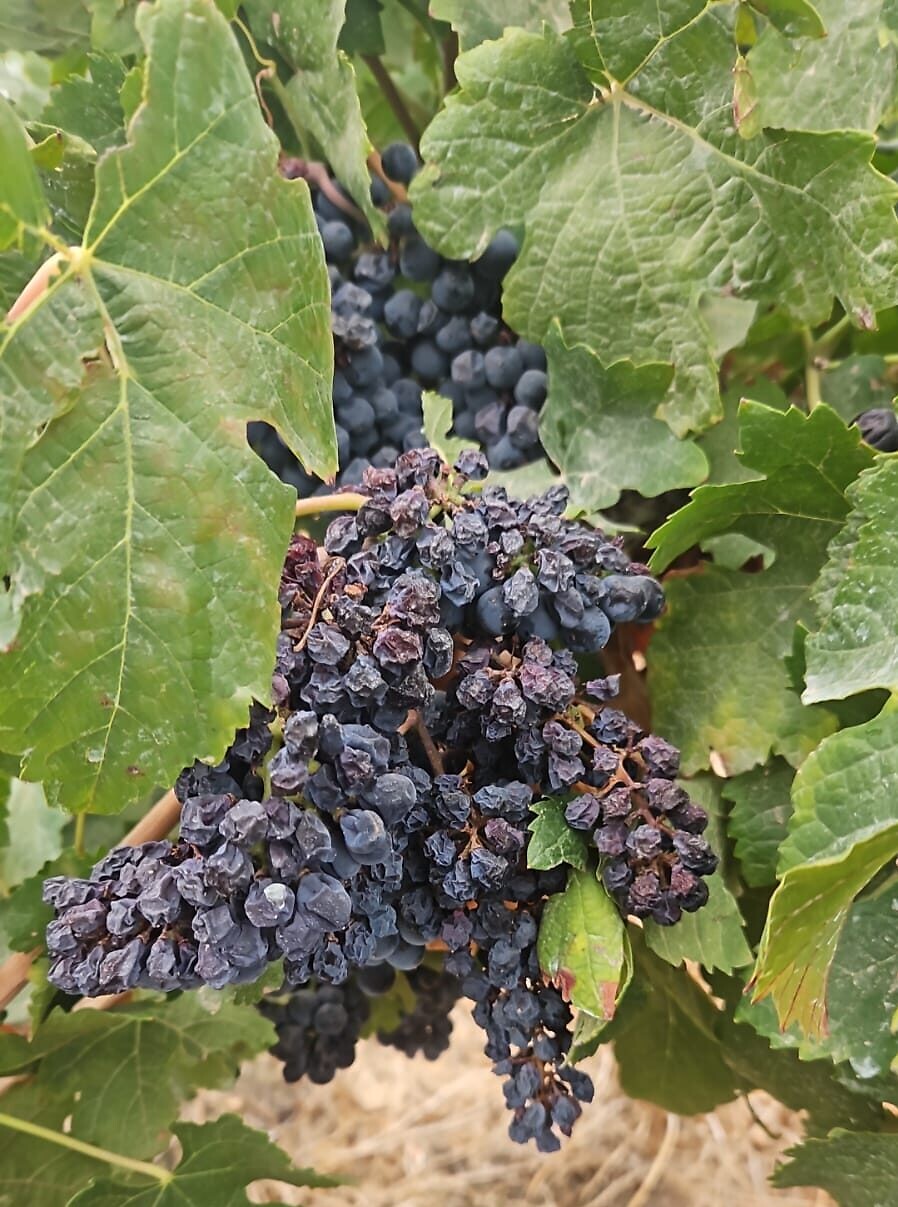
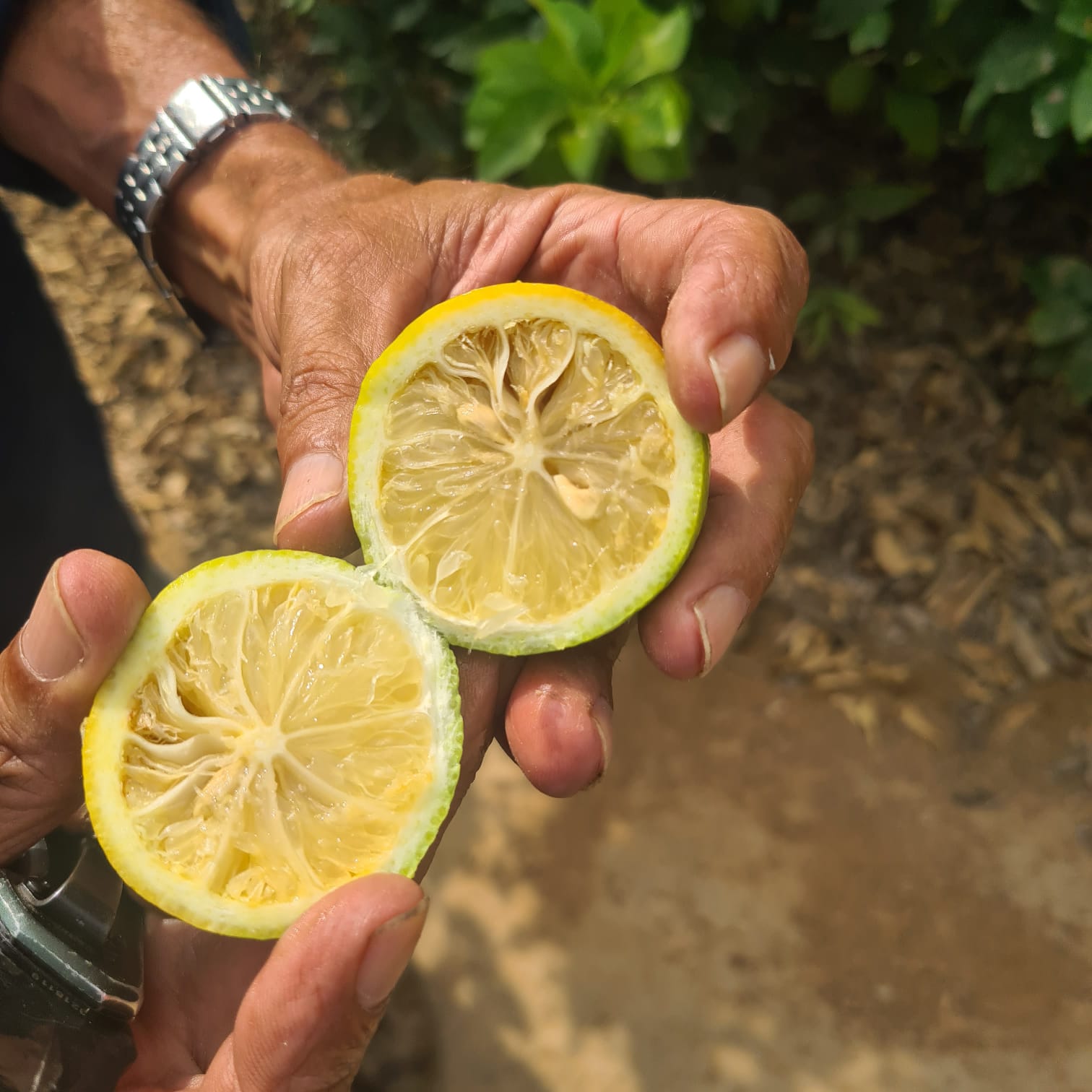
Those who farm crops such as tomato, cucumber and watermelon will get NIS 79 million ($21 million). Compensation of NIS 21.5 million ($5.8 million) will be paid for losses to the avocado sector, NIS 16 million ($4.3 million) for damage to peanuts, NIS 14.5 million ($3.9 million) to citrus growers, NIS 12 million ($3.2 million) for damaged vineyards, and NIS 11 million, ($3 million) to cotton farmers.
Poultry, cattle, sheep and fish farmers will be awarded more than NIS 70 million ($18.7 million) for damage caused by pests and diseases, blamed by Kanat on global warming.
Strong winds, hail, floods and cold weather battered the country at the end of January and the beginning of February last year.
During the Passover holiday, in April, an unusual hail storm severely damaged early fruits, among them cherries, peaches, apricots, apples, plums and nectarines. Vineyards were also badly affected.
July was the hottest month since measurements began, followed by extreme heat in August.
The high temperatures saw hundreds of thousands of poultry dying, mainly in coops in the north of the country, and caused heat damage to the branches, especially on apple and mango trees that were about to be picked.
Also damaged were watermelon, melon, peppers, corn and tomatoes, all of which were approaching harvesting time as well.
Early rains in September damaged cotton throughout the country. A particularly heavy downpour in the relatively dry south wrought destruction on peanuts, especially in the Gaza border area.
The government established the Kanat insurance company in 1967, in cooperation with 14 agricultural organizations. It only insures damages caused by the weather.
Shmuel Turgeman, Kanat’s CEO, said that the global climate crisis, and the current war against Hamas, sparked by the terror group’s murderous invasion of Israel on October 7, proved again how important local agriculture was and how the country could not rely on imports.
With its many climatic zones, from desert to coastal and mountainous, Israel can grow an unusually wide range of produce for its tiny size.
Despite that, government policy in recent years has been to open the markets to imports, in the hope that this will bring down the cost of living.
Turjeman said that some countries were limiting exports because of the damage to their crops caused by climate change. Others, such as Turkey — a major exporter to Israel of crops such as tomatoes — had turned hostile.
By contrast, Israel’s dairy, vegetable and grain farmers along the Gaza border had been quick to return to work, after the October 7 onslaught in their communities of some 1,200 people, mostly civilians, and the abduction of 240 by the Hamas terror group.
Poultry growers in the north — where the army is involved in daily skirmishes with the Iran-backed Hezbollah terror group — continued to provide fresh eggs, under mortar barrages and anti-aircraft missiles, Turjeman went on, and the fruit growers continued to operate, even though thousands of foreign farm hands had flown home.
The Agriculture Ministry has sent its plans for adapting to climate change to the Environmental Protection Ministry, which required all ministries to submit such plans by the end of 2023. It has not yet been published.
According to Agriculture Ministry figures (in Hebrew) for the period October 7, 2023 to January 8, 2024, 9,948 foreign workers out of a pre-war 29,000 left the country, while 4,773 new workers entered and 2,500 soldiers and others volunteered on farms.










The Times of Israel Community.