

Dead Sea hotel worker charged with spying for Iran; was asked for intel on Ben Gvir
Man is accused of sending photos of tourist sites to Iranian agents, who also allegedly asked for info on crime families and IDF soldiers
 Add ToI as a Preferred Source on Google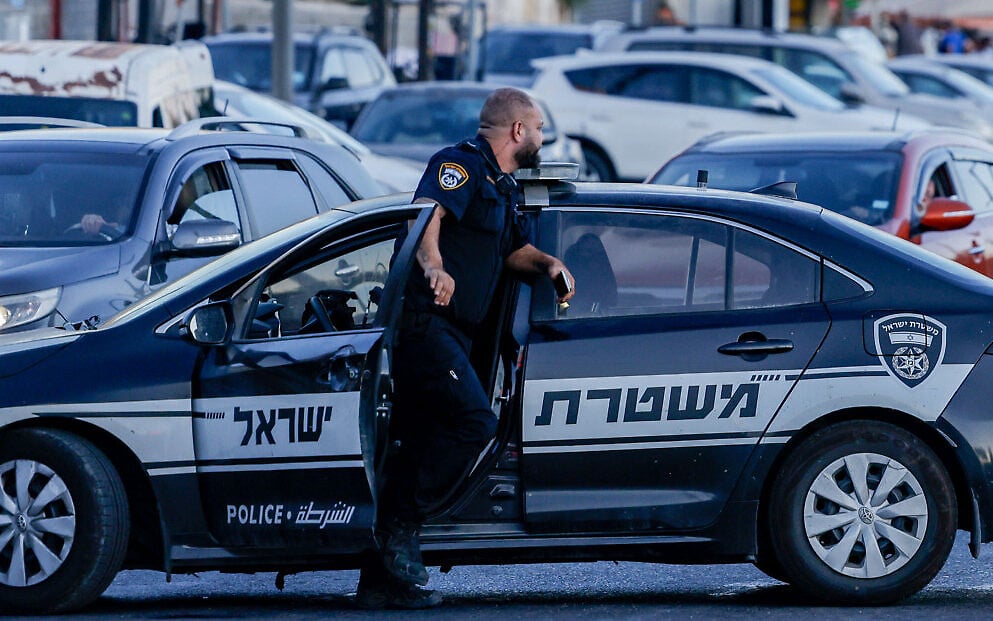
Prosecutors filed charges Sunday morning against a suspected spy for Iran who allegedly took photos of Dead Sea hotels and passed them to his handlers, law enforcement announced, in the latest in a string of such cases.
Tiberias resident Yosef Ein-Eli, 23, was suspected of maintaining contact with Iranian agents since late 2024, for whom he spied in exchange for digital payments.
The Israel Police and the Shin Bet announced his arrest in early October, though his identity was kept under wraps at the time.
While working at a hotel near the Dead Sea, Ein-Eli allegedly passed information to his handlers about his place of work and other hotels in the area, as well as tourist sites in southern Israel.
He was also asked to gather intelligence on National Security Minister Itamar Ben Gvir, various crime families in Israel and unspecified IDF soldiers. However, he is not known to have carried out these tasks.
His handlers also tried, without success, to convince him to throw a grenade at a house, set cars on fire and take photos in army bases.
Ein-Eli was arrested in September and was investigated by the Shin Bet and the police’s Lahav 433 major crimes unit. He was indicted Sunday in the Beersheba District Court, police said.

The indictment is the latest in a series of dozens of Iranian espionage cases exposed over the past two years, as authorities intensify efforts to crack down on spies recruited online by Iranian agents.
Prosecutors filed charges last month against IDF reservist Maor Kringel, 27, and his associate Tal Amram, accusing them of spying for Iran over the course of months.
Kringel had been on reserve duty for part of the time of his alleged contact with Iranian agents. At one point, his handler suggested he assassinate his commanding officer for NIS 100,000 ($30,000), but the accused did not follow through, the indictment noted.
In many of the cases, Iranian agents have successfully recruited Israelis via social media, specifically the Telegram messaging app. Most of the accused spies start out with innocuous tasks that gradually grow into more serious offenses, like intelligence gathering and assassination plots.
The growing number of Iranian agents even prompted Israel to open up a new wing for them in Haifa’s Damon prison.
In a joint statement released Sunday morning, the Israel Police and Shin Bet warned Israelis against any contact with foreign entities from enemy states or unidentified parties, saying that “security agencies will continue to act decisively to bring to justice any citizens who cooperate with hostile entities.”










The Times of Israel Community.